Taiwan’s Fantastic Fusion Cuisine

One of the great things about Taiwan is the food. Not only is it fresh, varied, and delicious, it’s also quite inexpensive. For these reasons, eating out is practically a national pastime. There are literally restaurants, cafes, and food stalls everywhere, in every neighborhood across the island. The quality of the food is outstanding. Like Chinese food on the Mainland, and in places like Hong Kong and Singapore, the people insist on freshly prepared food.

Taiwan’s version of Chinese food is unique and unlike anywhere else, including right across the Taiwan Straits in Fujian Province. However, Taiwan’s native cuisine is probably most related to that of Fujian Province. This makes sense since most Taiwanese have roots in Southern Fujian Province, and they speak Southern Min dialect (閩南話 mínnán huà) also known as 台語 táiyǔ, or Taiwanese. Other regional Chinese cuisines, such as Sichuan, Cantonese, and Hunnan, can also be found in Taiwan, but where the food really shines is in their uniquely fusion food.

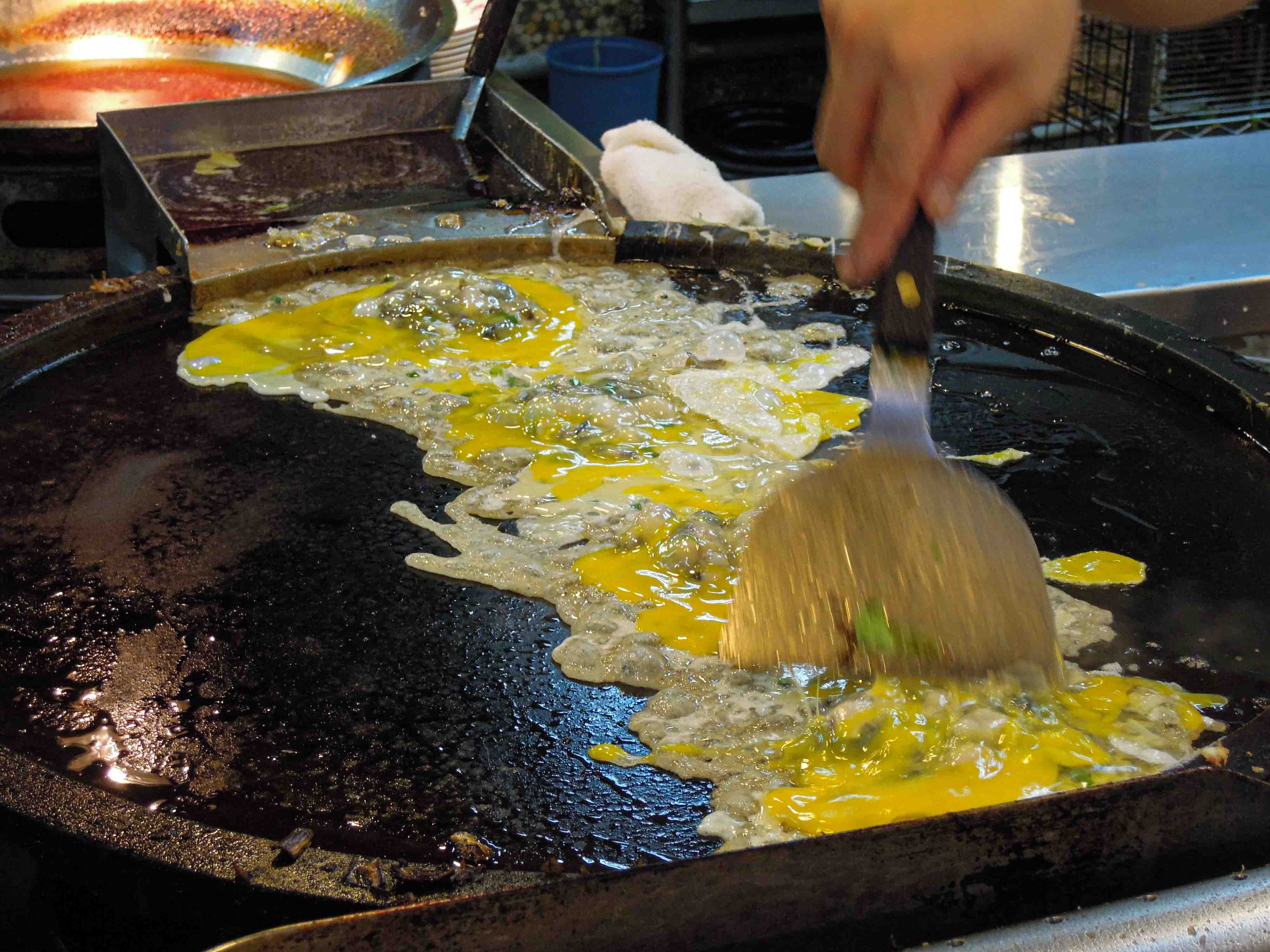
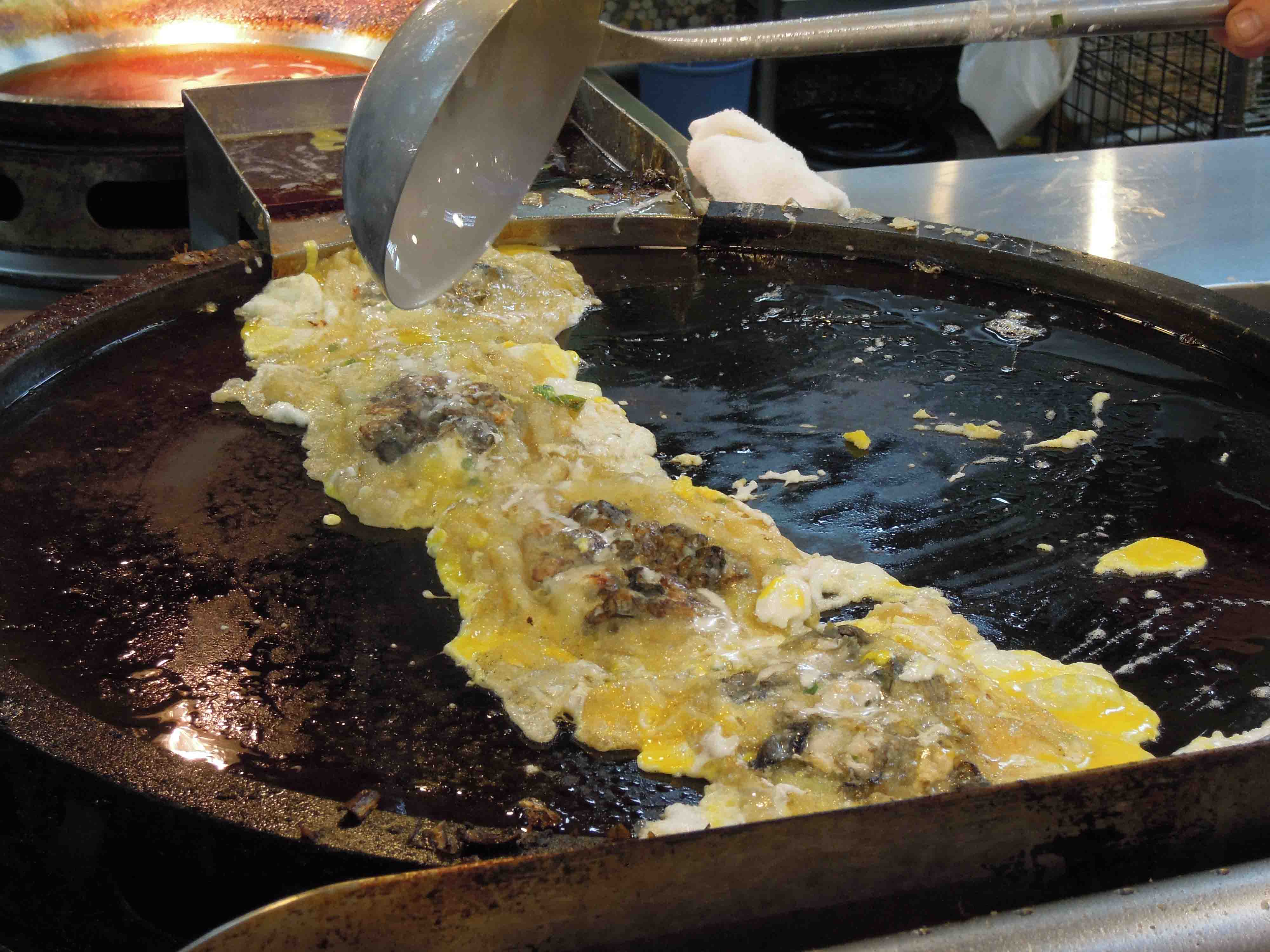
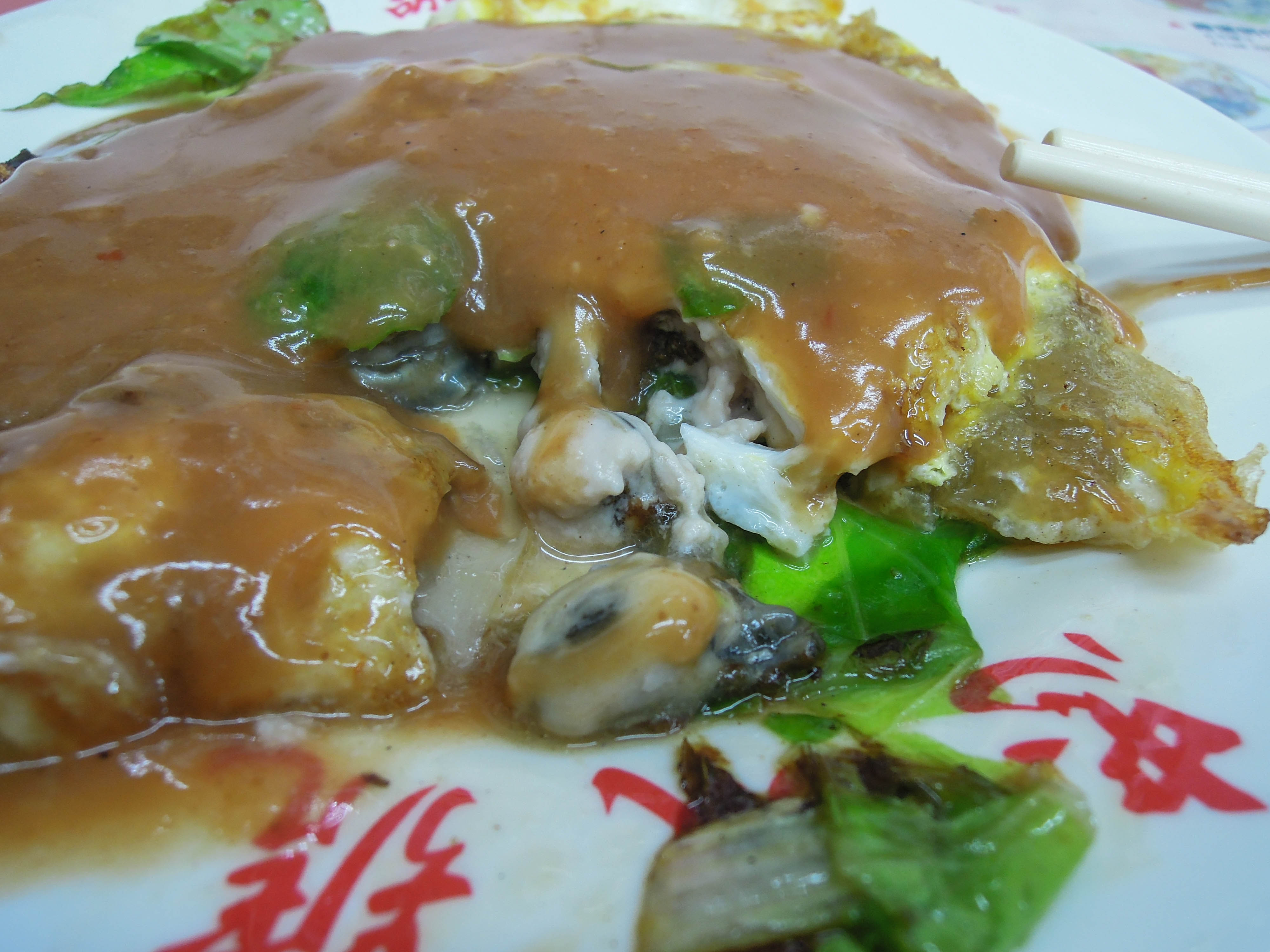
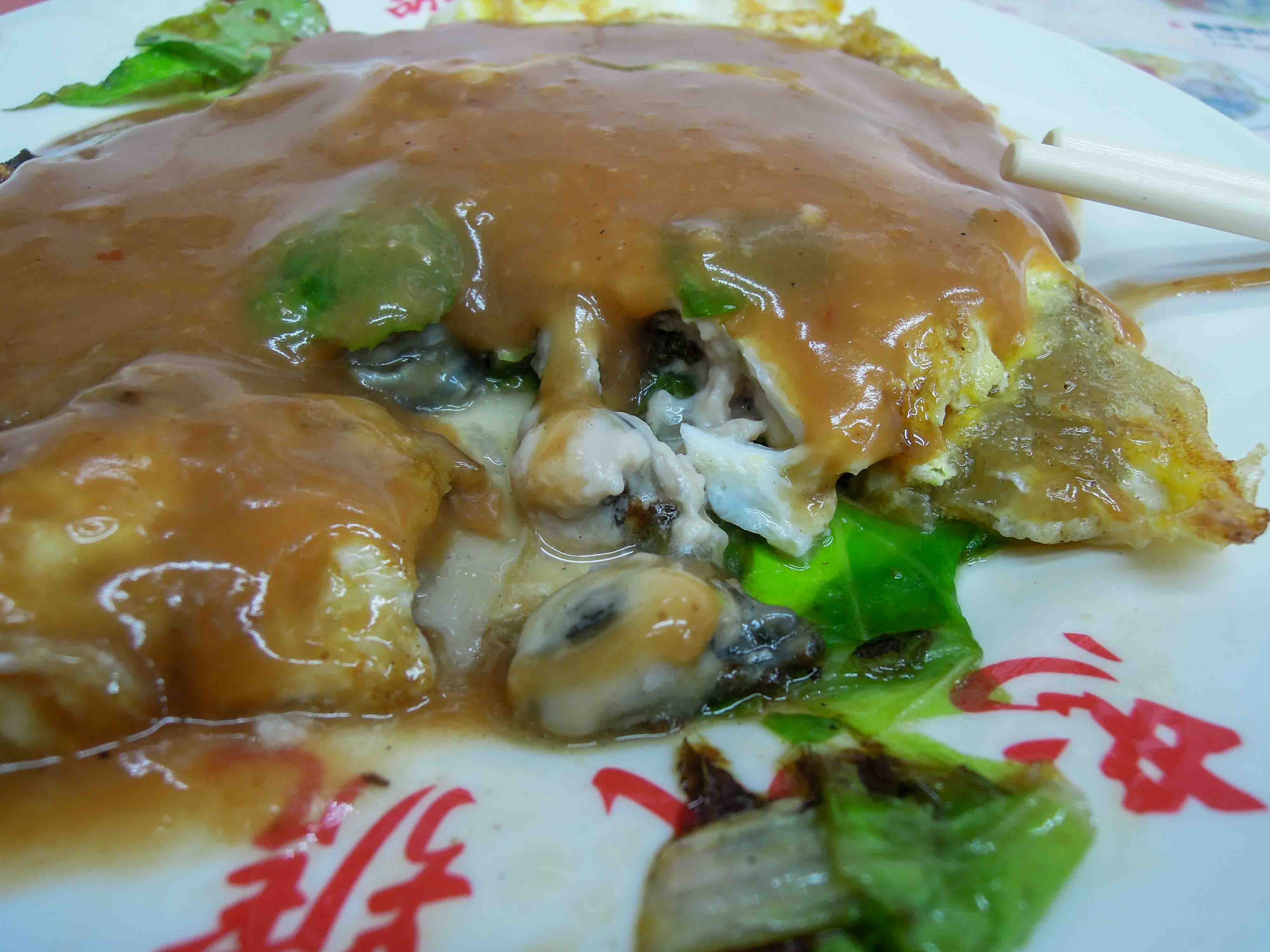
Taiwan has had hundreds of years of exposure to outside influences beginning with the Dutch the early 1600’s. Their cuisines has also been heavily influenced by Japanese, Korean, and North American and European food. A great example of this is Taiwan’s famous Oyster Omelet (蚵仔煎 ézǎijiān). The dish is probably originally from Fujian or Guangdong Province. Several years ago I was in the coastal city of Chaozhou (on the Mainland, Southeast coast) and ordered an oyster omelet at a local restaurant. It consisted of a plain egg omelet with fresh oysters mixed in, (below).
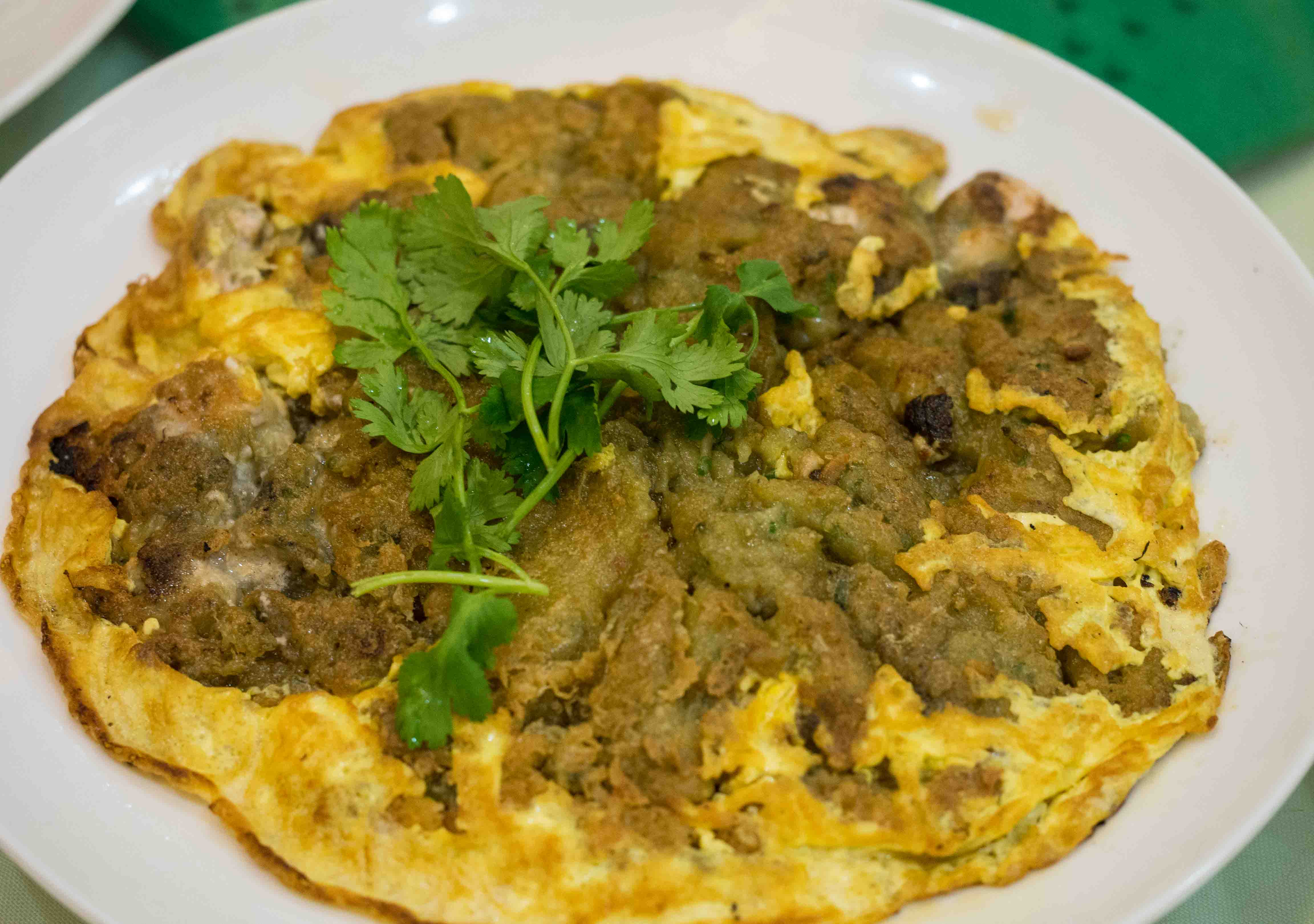
The Taiwanese have transformed this dish into something very different, and which caters to local tastes and outside influences. Taiwanese oyster omelets are made with a sticky and gelatinous batter made with tapioca starch. This gives it a chewy and QQ texture that Taiwanese love. The oysters are first fried on a large grill then the batter is poured over them. This is followed by eggs.
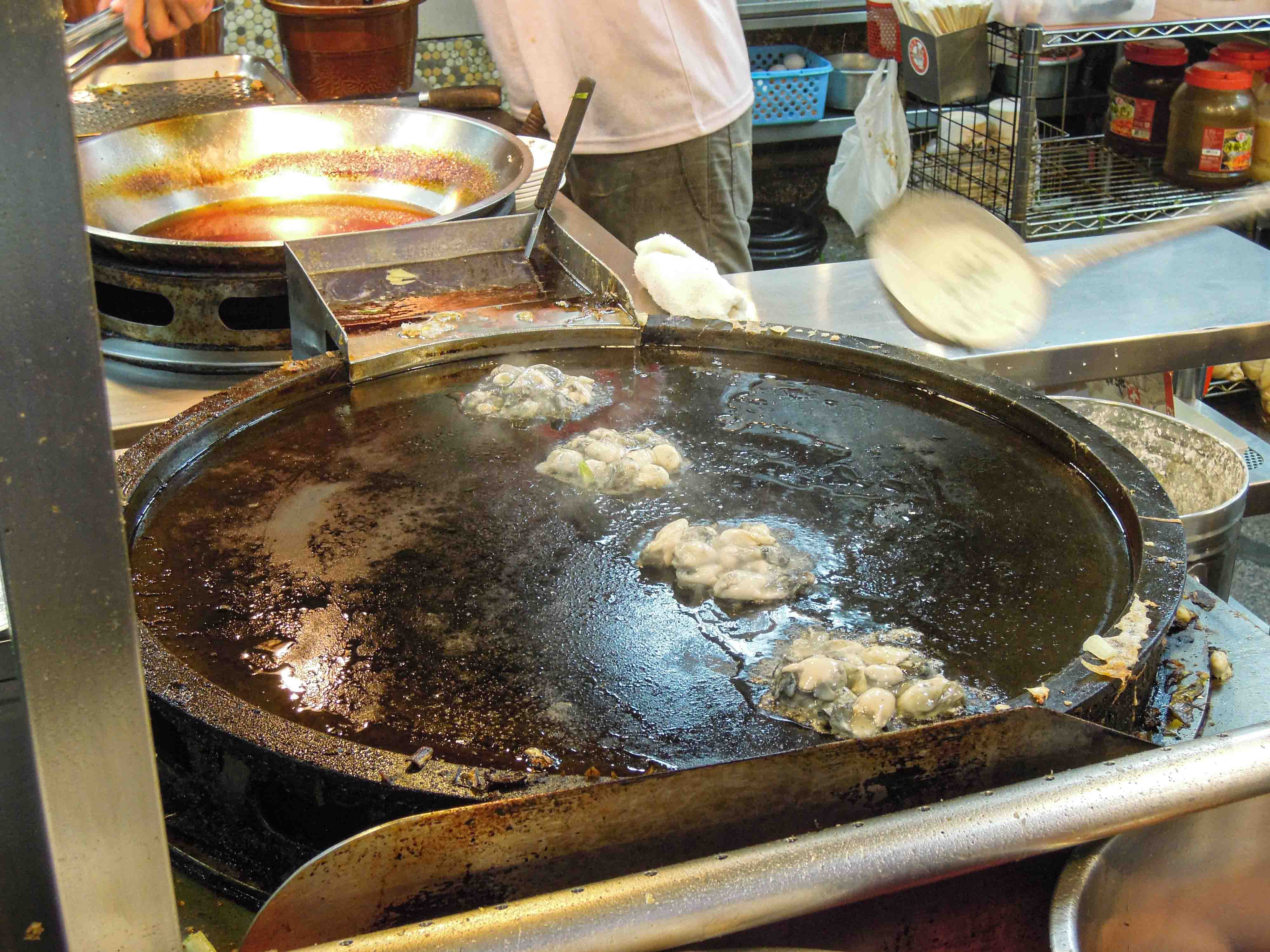
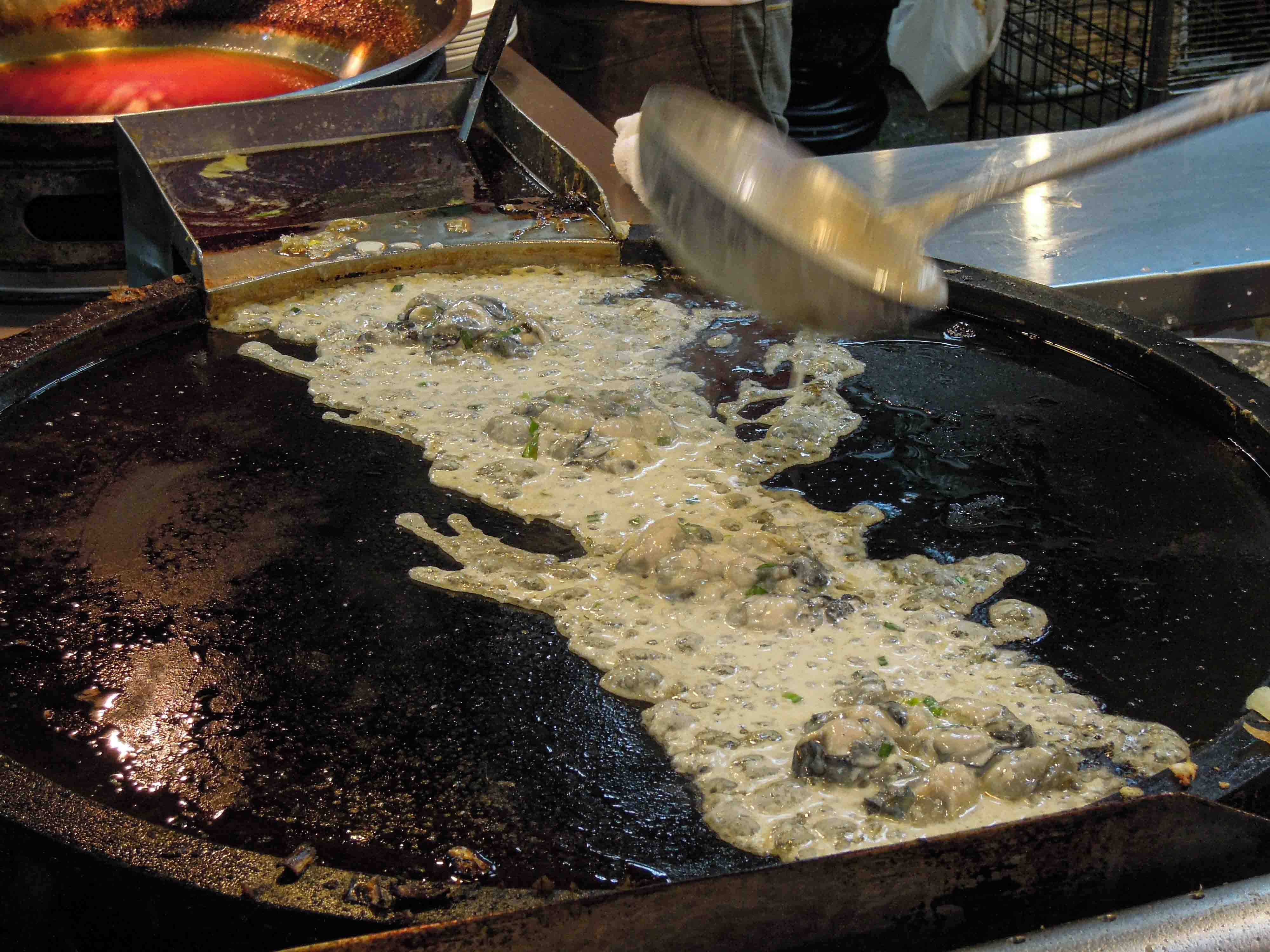
This is then topped with some fresh greens. Once it is cooked through it is drizzled with a sweet ketchup-based sauce that may include sweet chili sauce, soy sauce, maybe some peanut butter, and then is topped with cilantro. Of course there are countless different recipes for this dish and each restaurant or night market food stall with have their own version. The dish pictured here comes from a night market in Taipei.
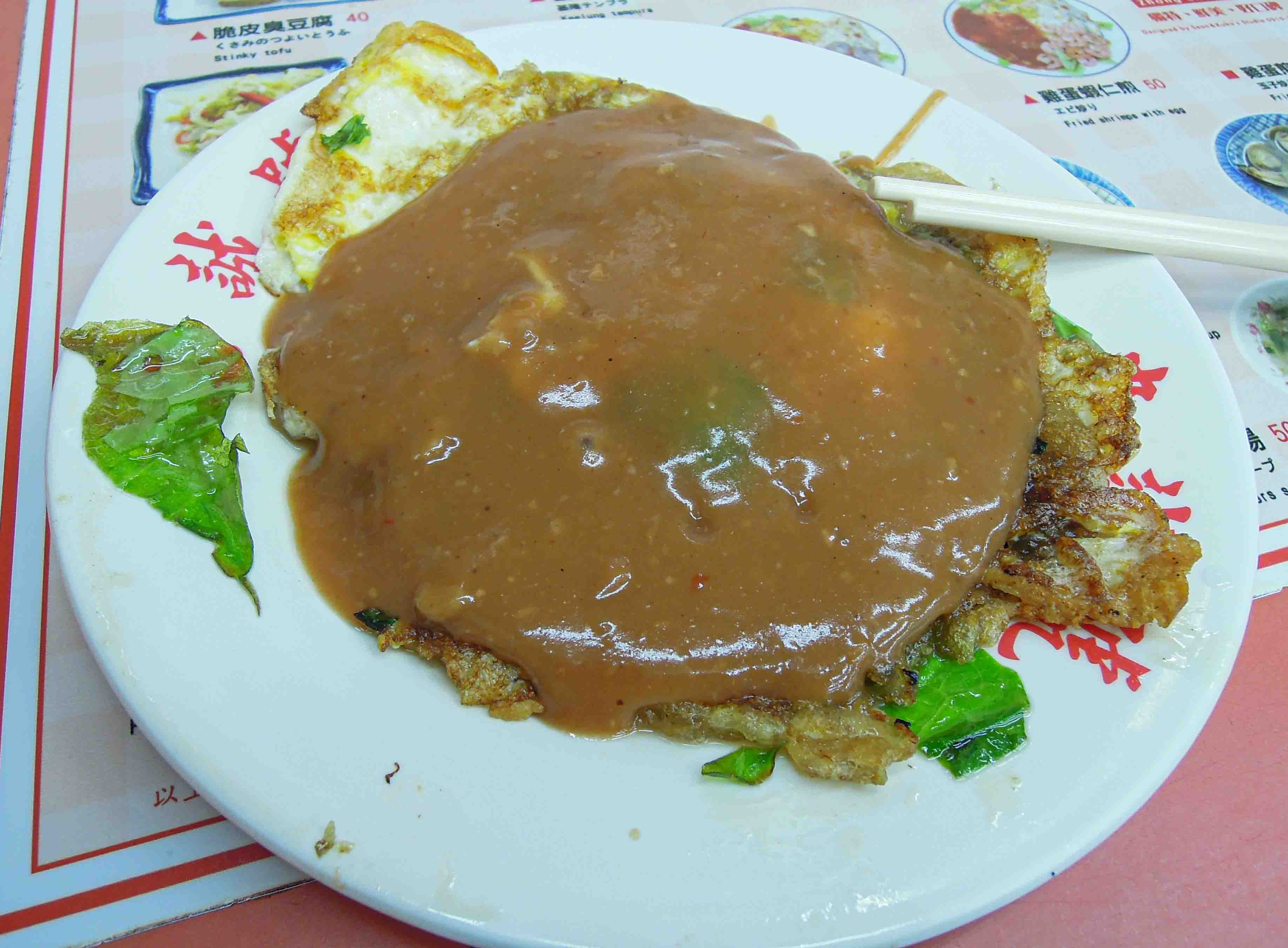
The result is a soft, chewy omelet with tender little nuggets of oyster embedded into the egg and pancake base with that sweet, tangy sauce. The tapioca starch is probably influenced by Japanese food.

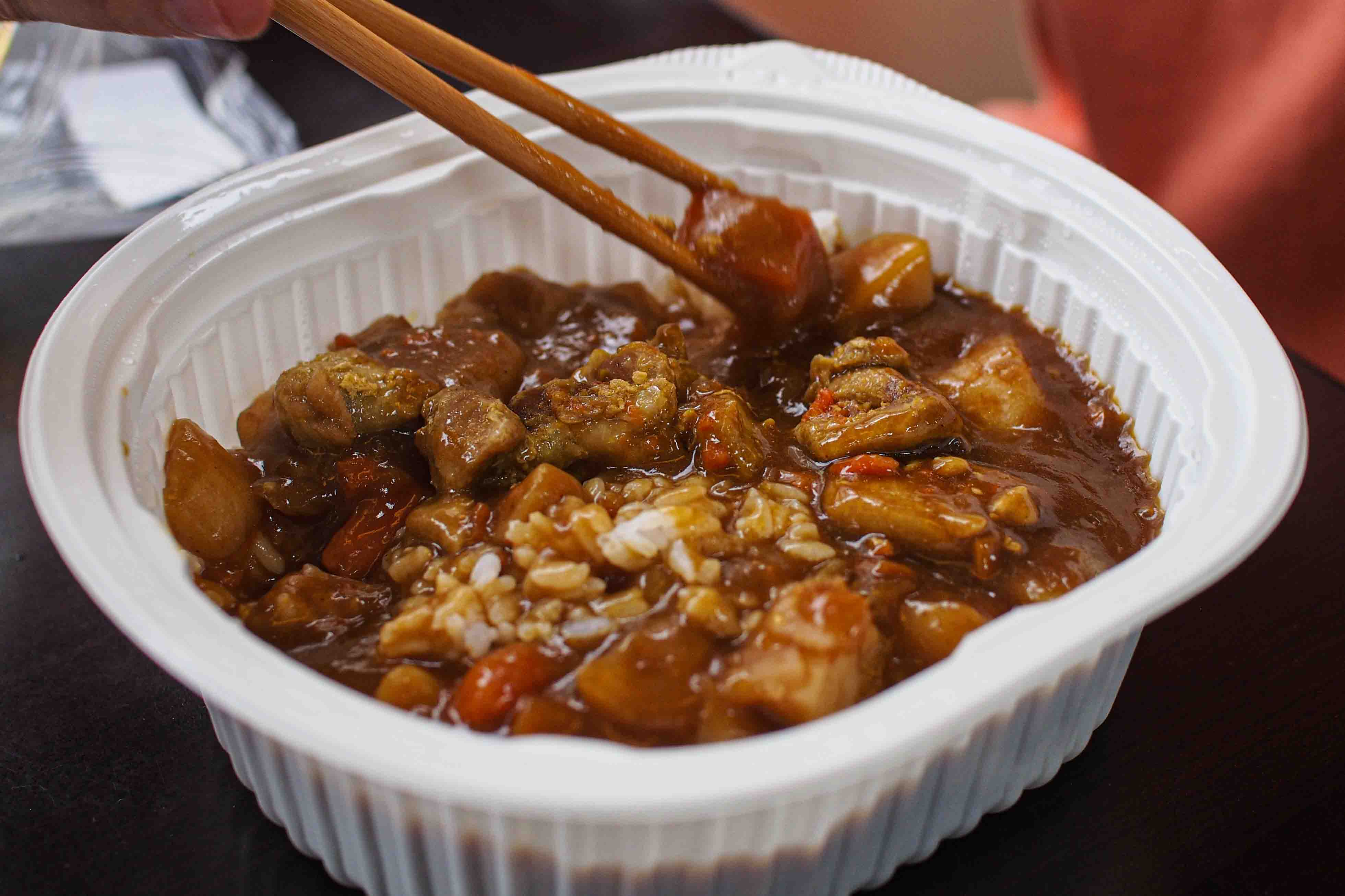
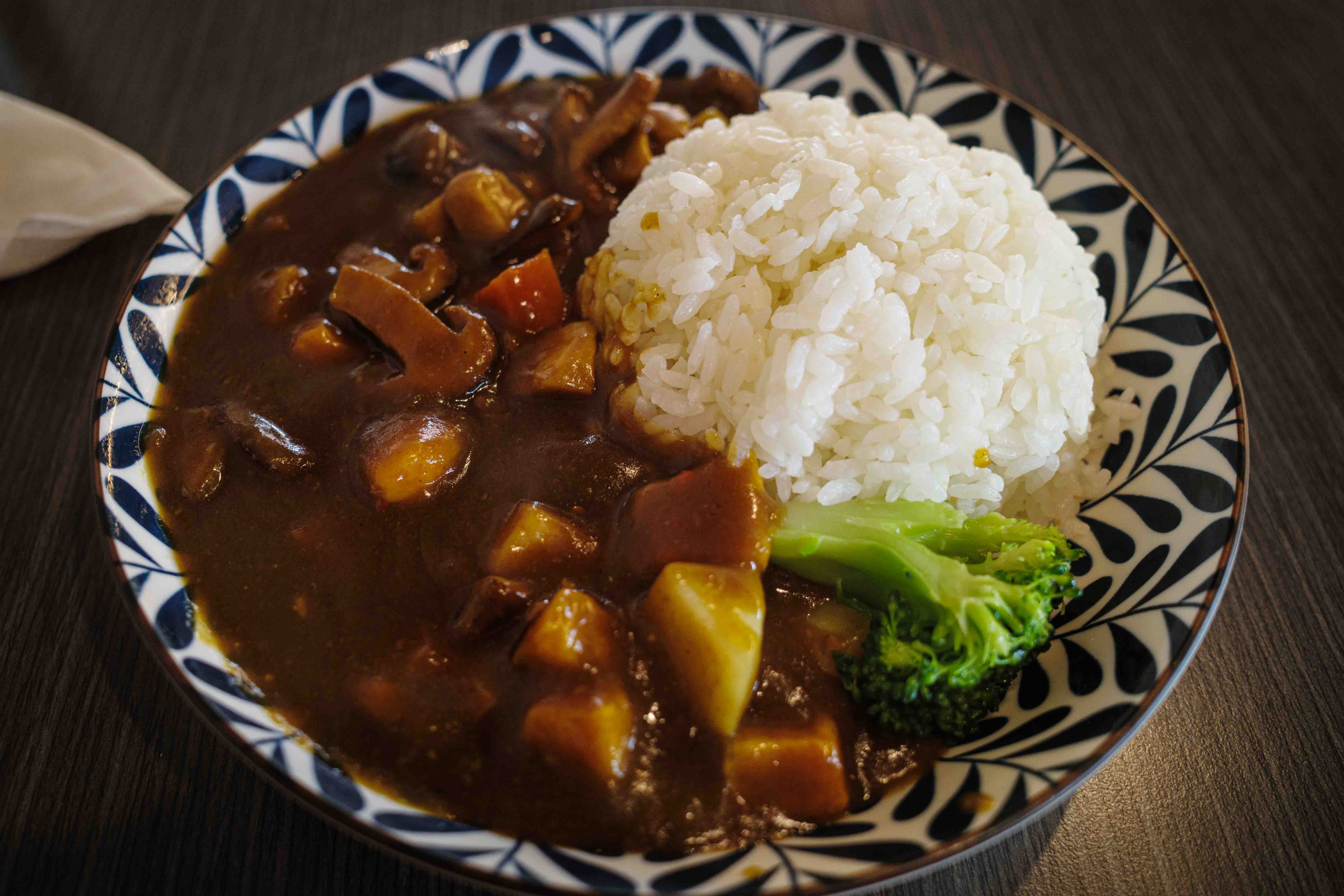
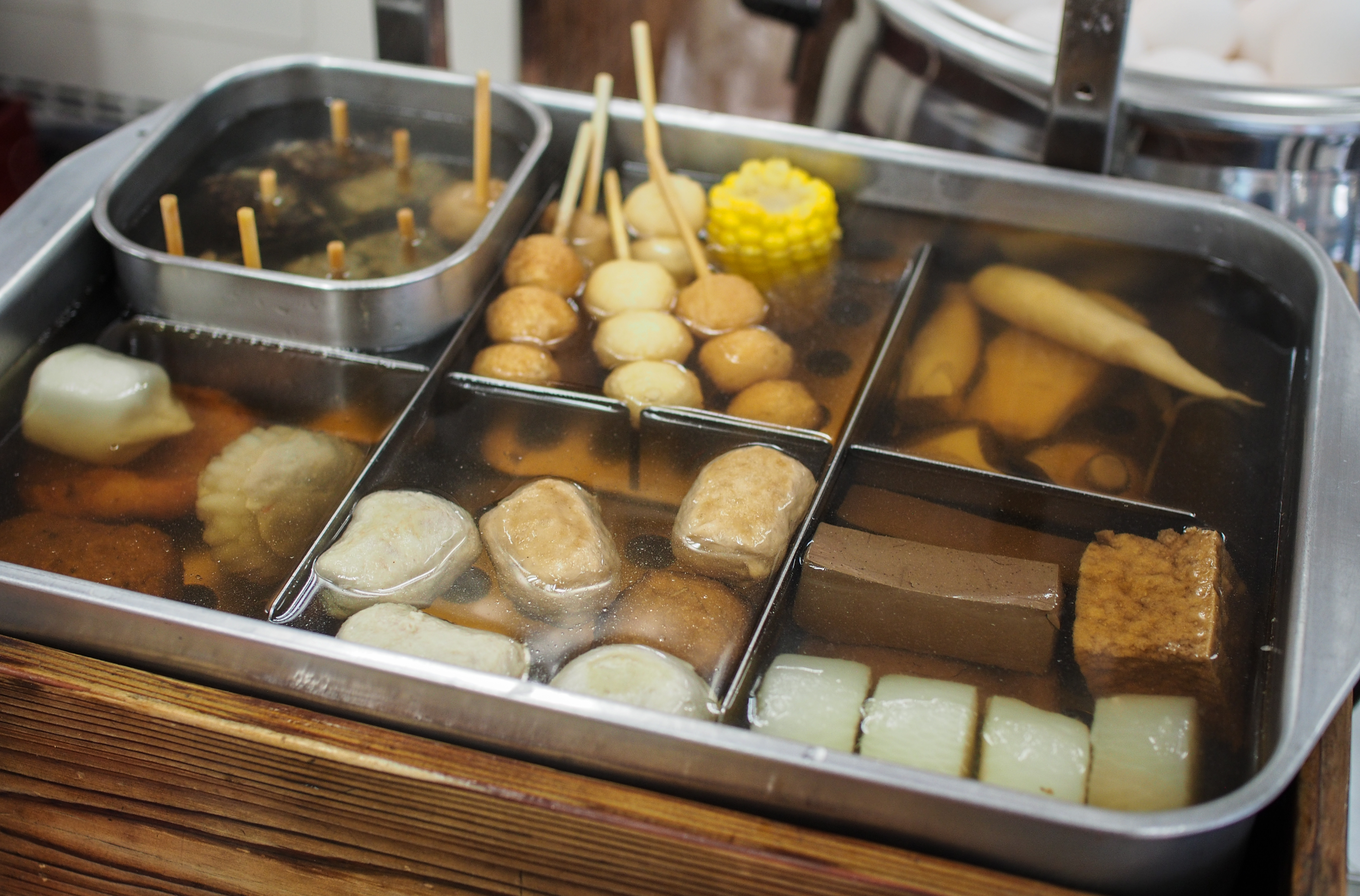
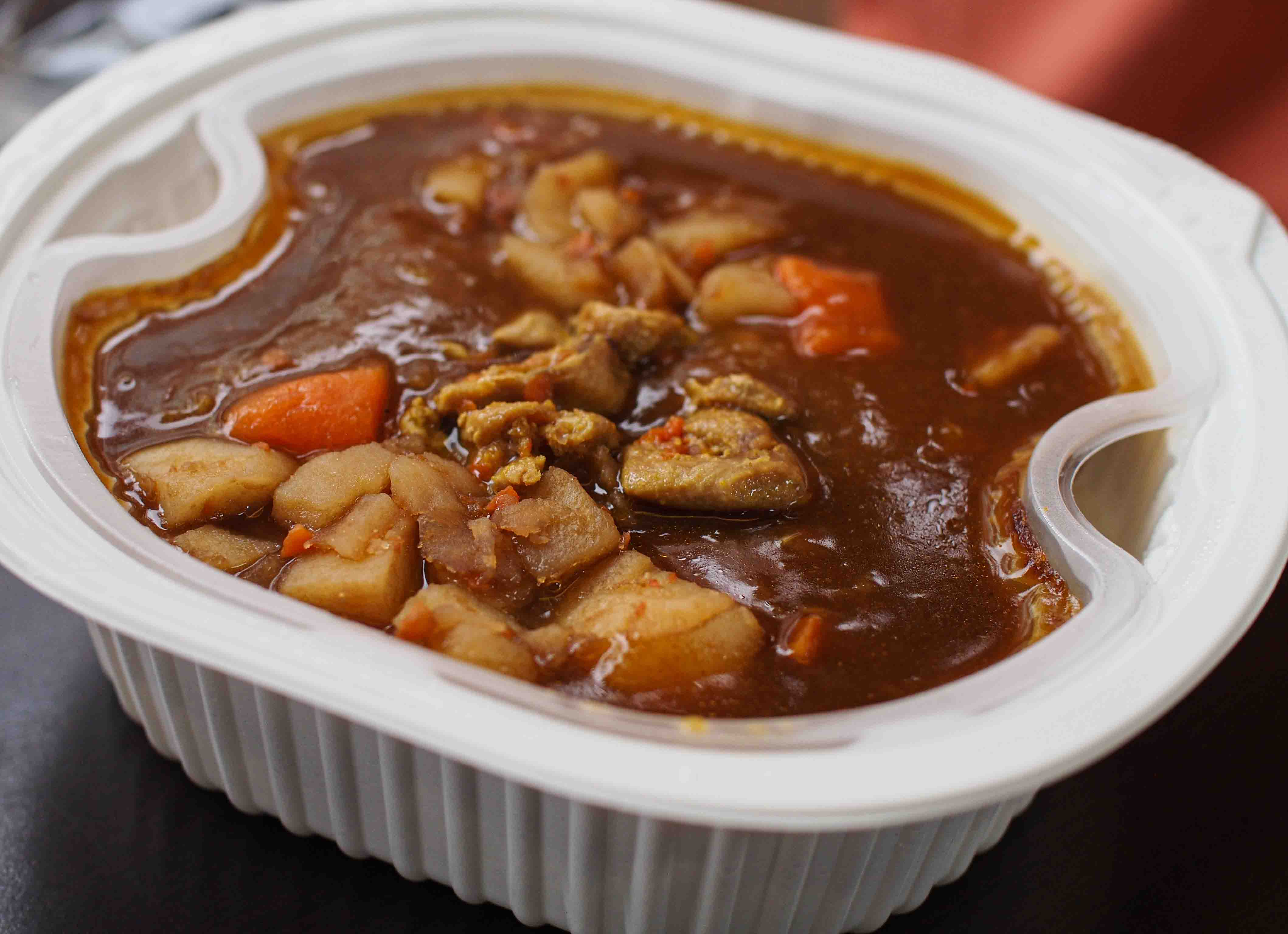
Other Japanese influenced dishes include Taiwanese oden (關東煮 guāndōngzhǔ), commonly found in convenience stores, along with onigiri (Japanese style stuffed rice, usually in a triangle shape), instant ramen, and Japanese curry. Keep in mind that these are all Taiwanese versions of these Japanese dishes, and are probably pretty different from what you would get in Japan.
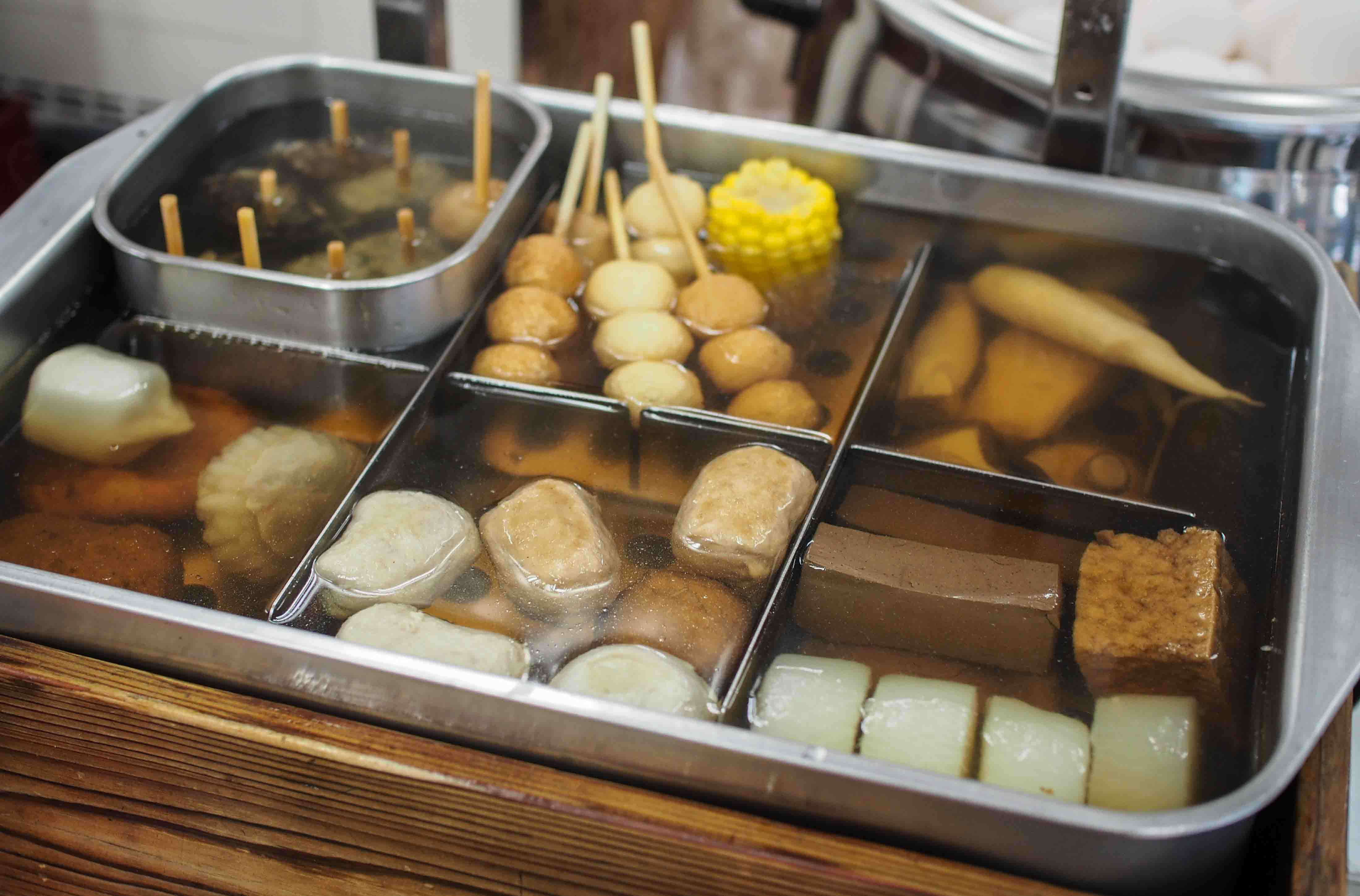
Taiwanese oden (steamed fish cakes)
Japanese style curry from a Family Mart; they’ll heat it up for you in a microwave oven.

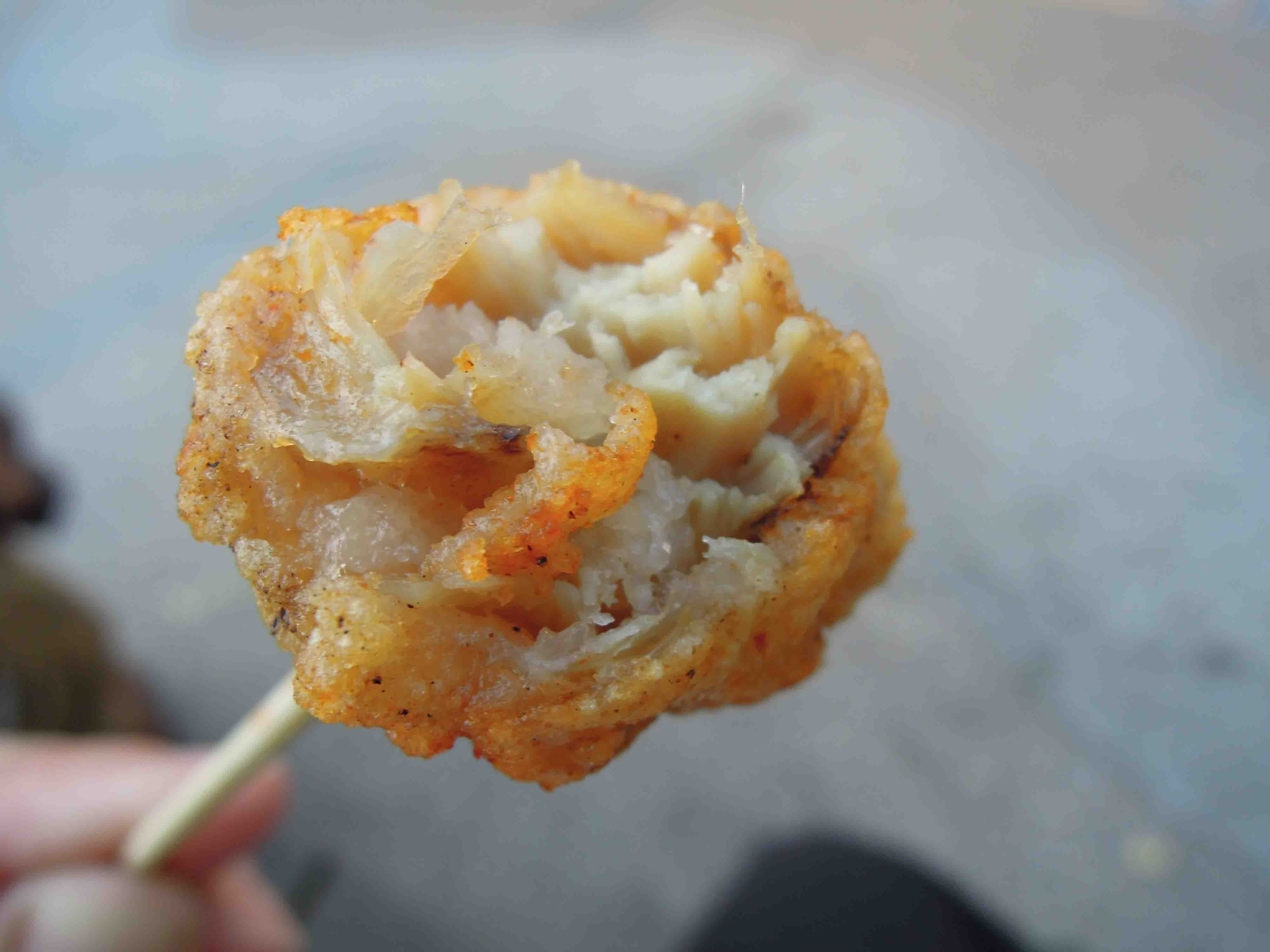
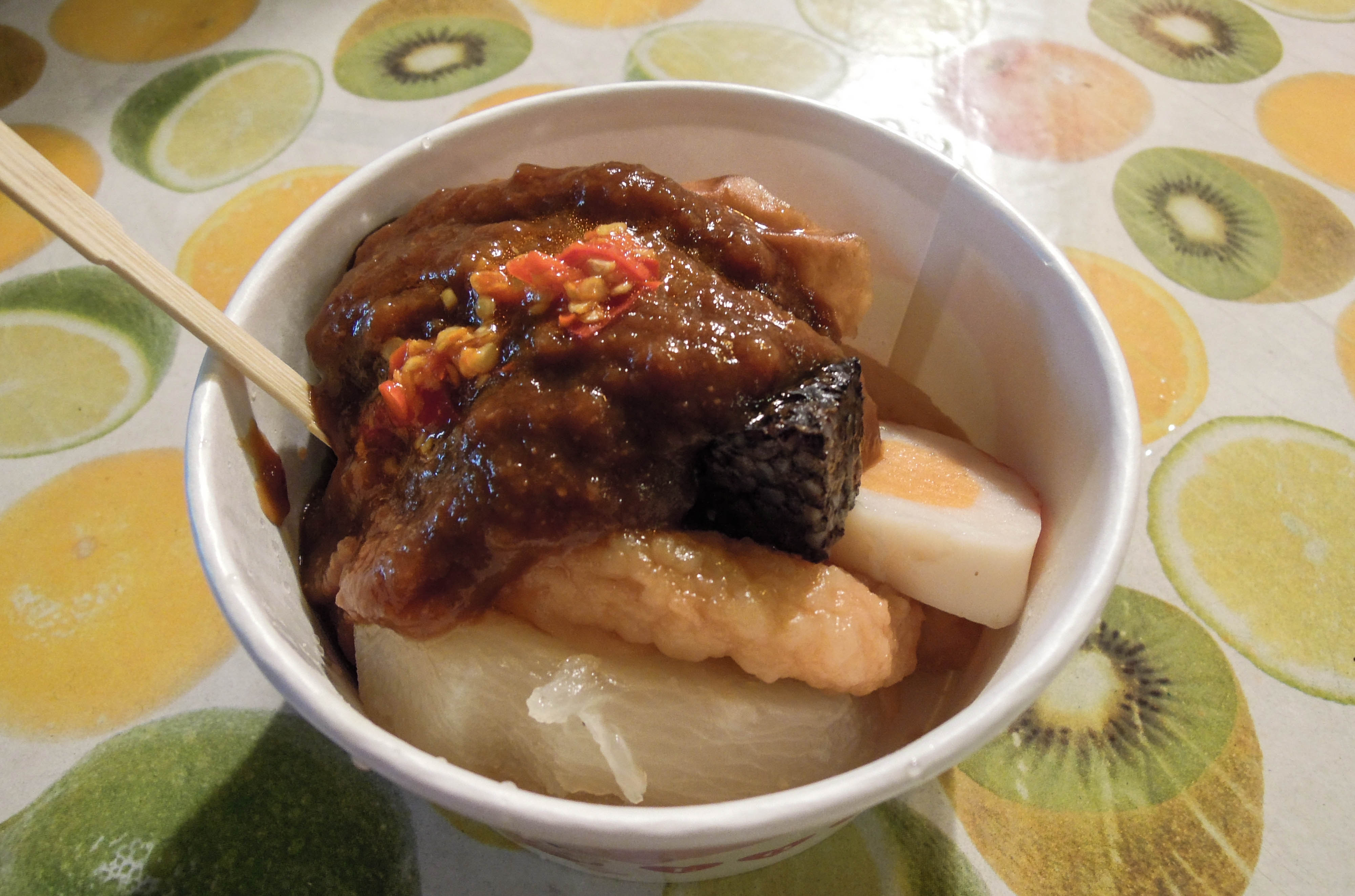
Another popular snack often found at night markets is Taiwanese tempura, 甜不辣 tiánbùlà, which is really nothing like the deep fried tempura we know of in the West or in Japan. In fact, the direct translation of this Taiwanese dish is “sweet not spicy.” In Taiwan it is seasoned fish cakes served with a sweet and sometimes spicy sauce (your choice).
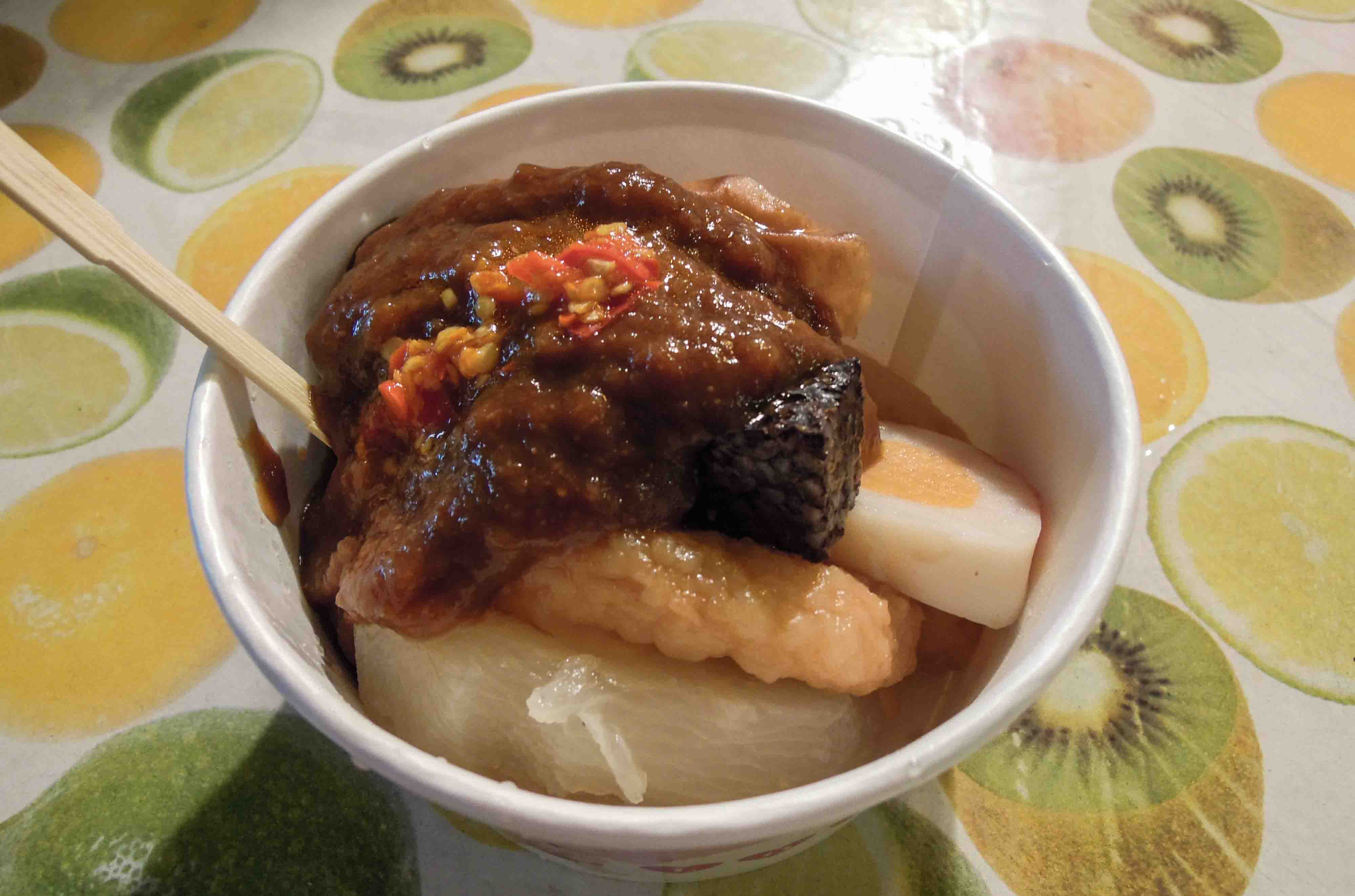
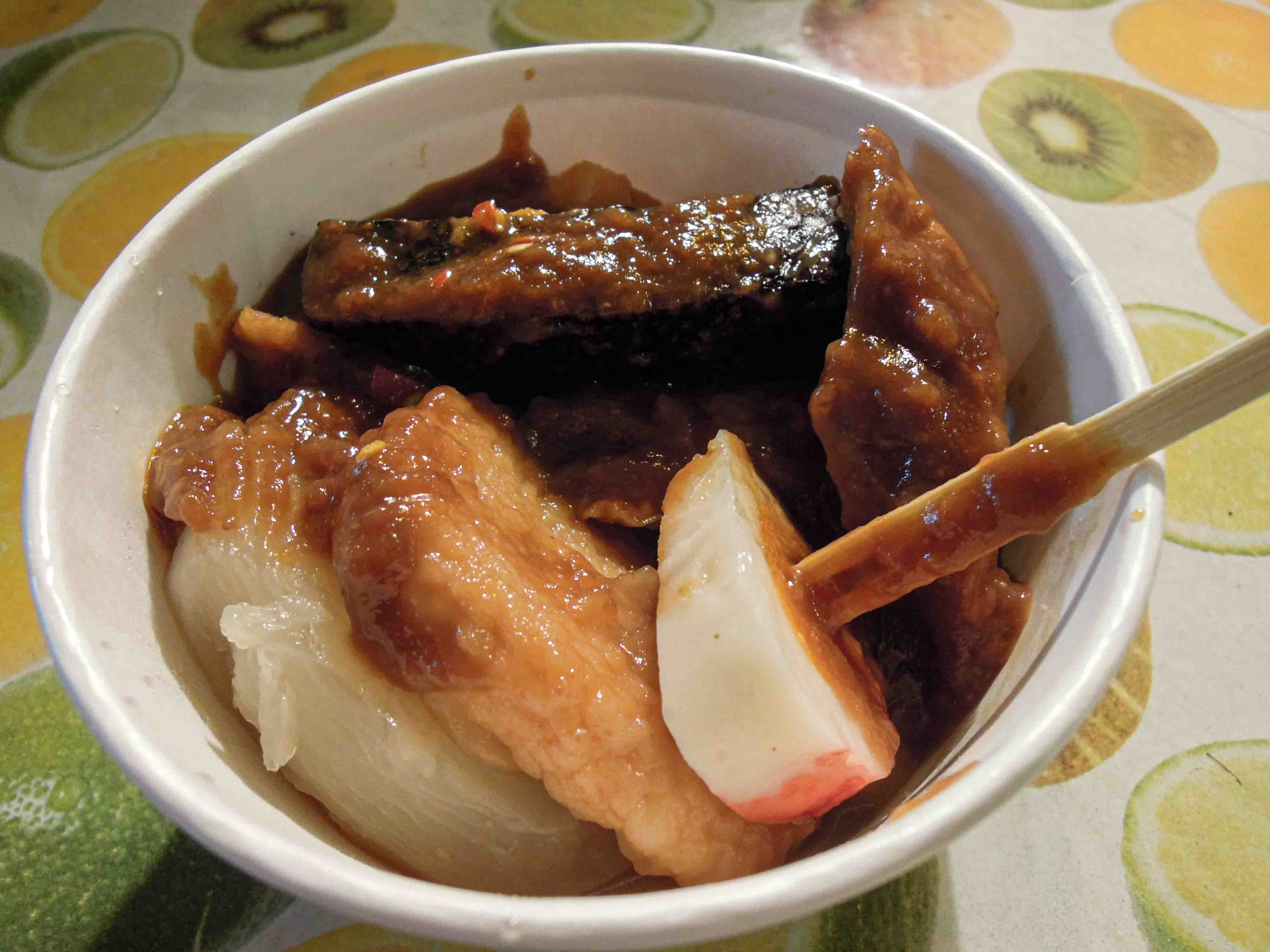
Taiwanese tempura

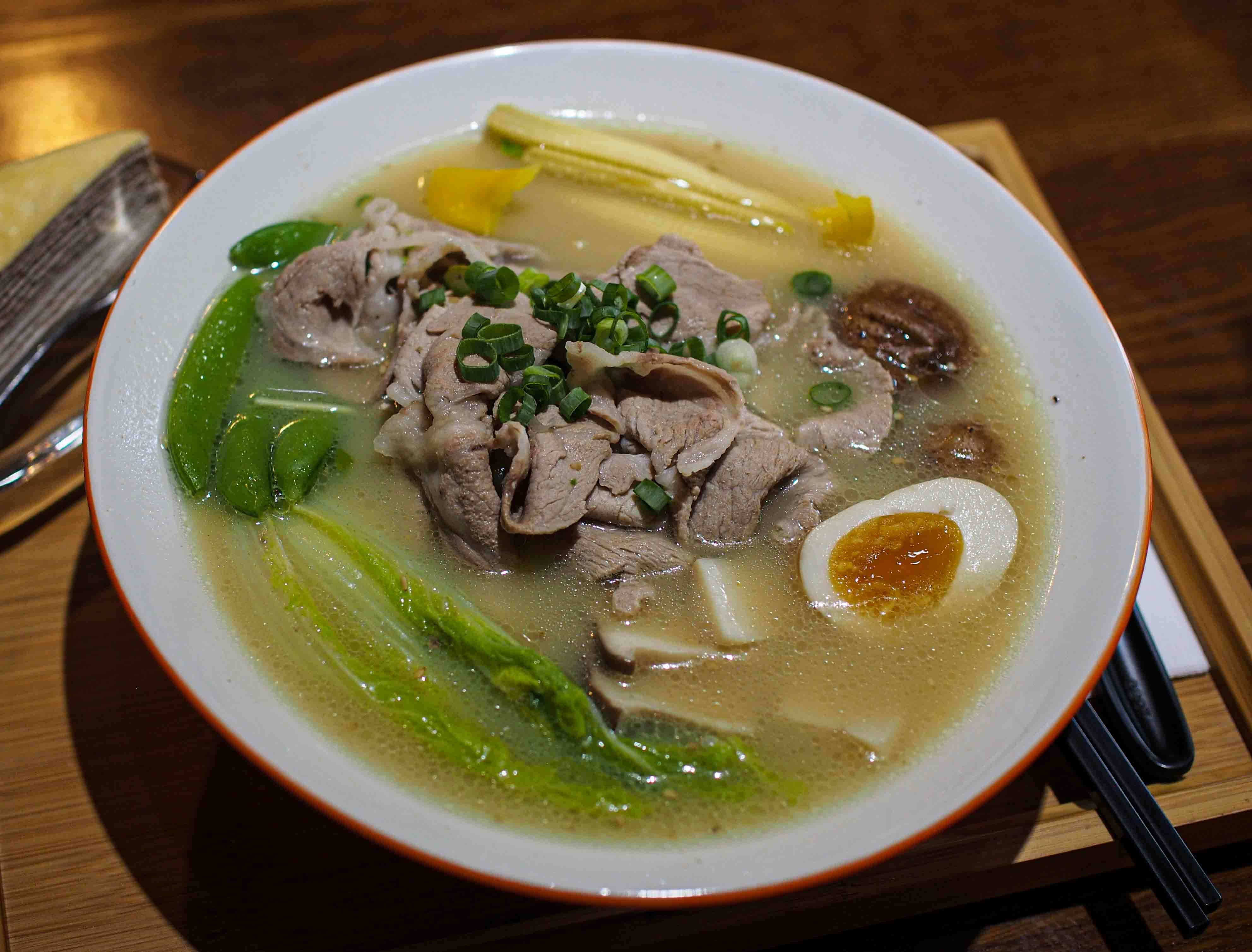
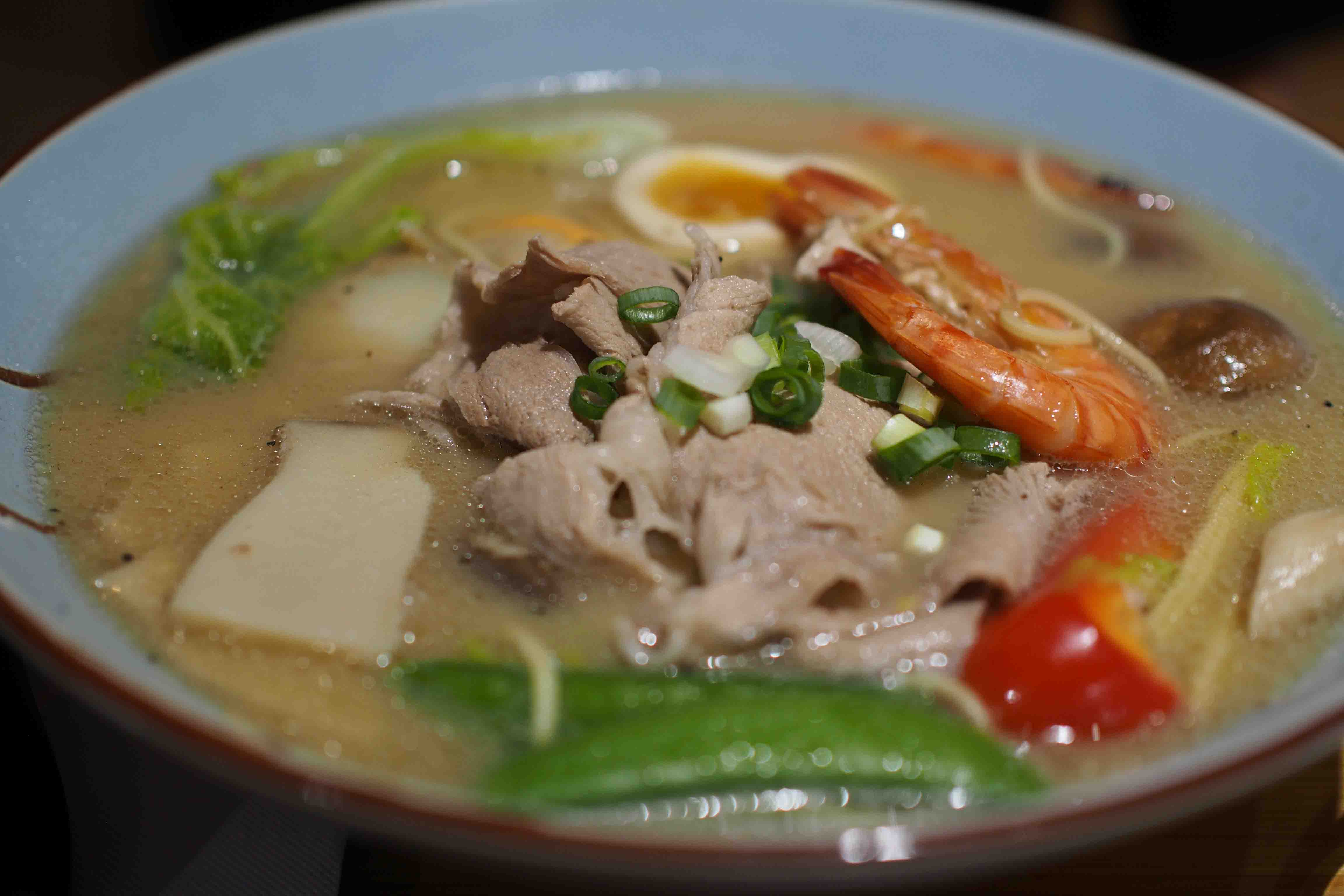
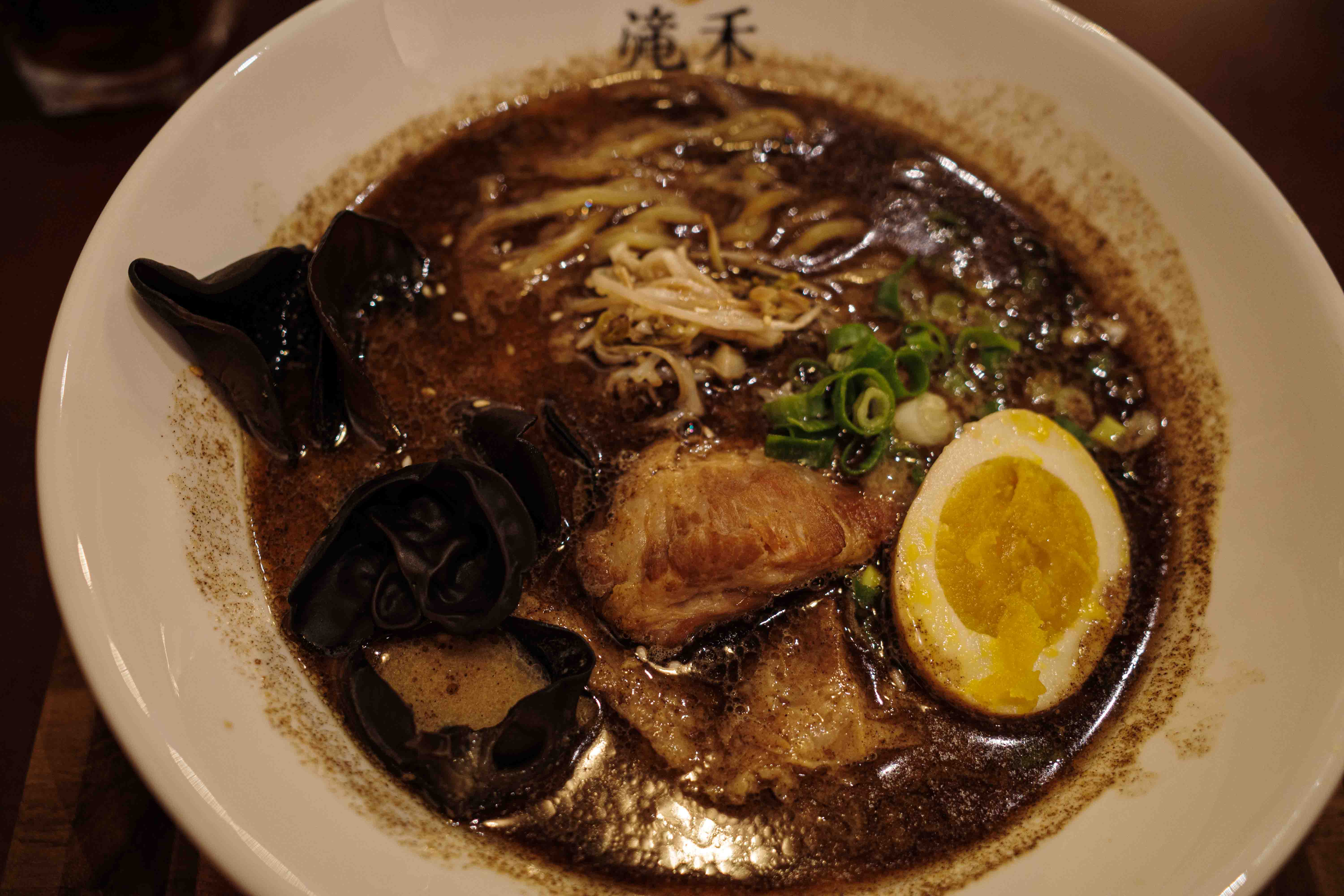
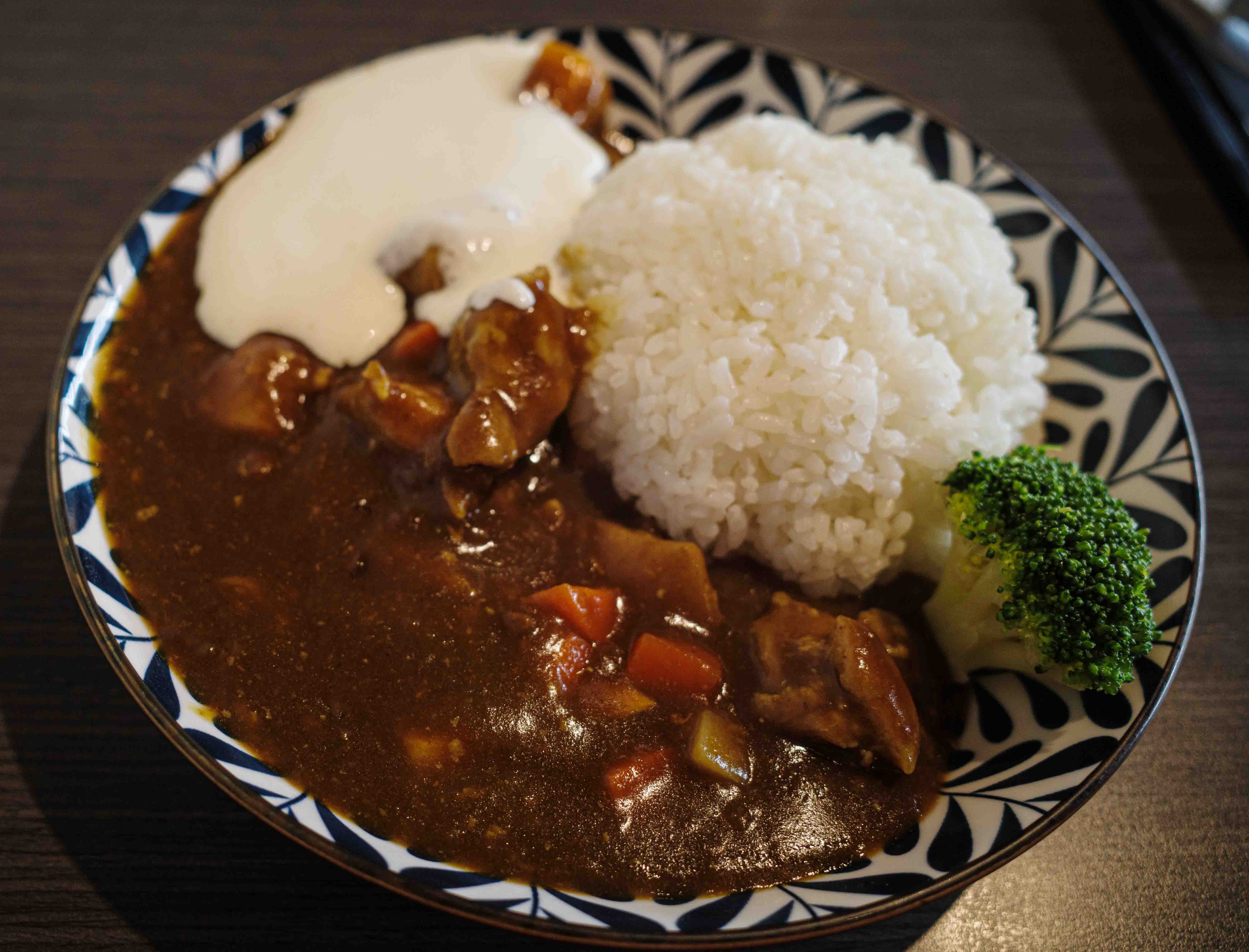
When I was in Taiwan recently I lived in a neighborhood in Taichung that was full of Taiwanese style Japanese restaurants. They included restaurants that specialized in donburi (Japanese rice bowls), ramen, and Japanese curry. Some were quite good, and others were just okay.
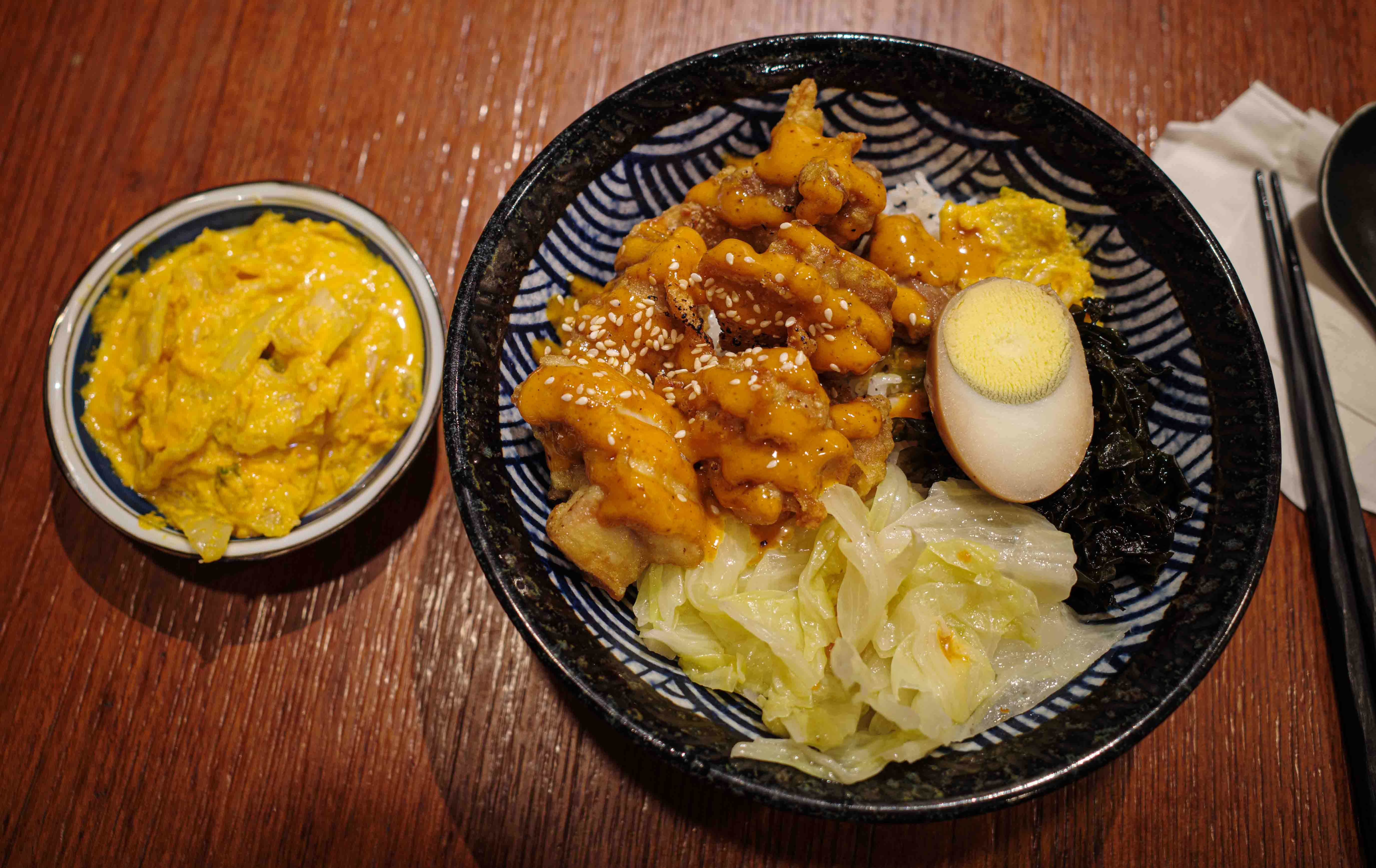
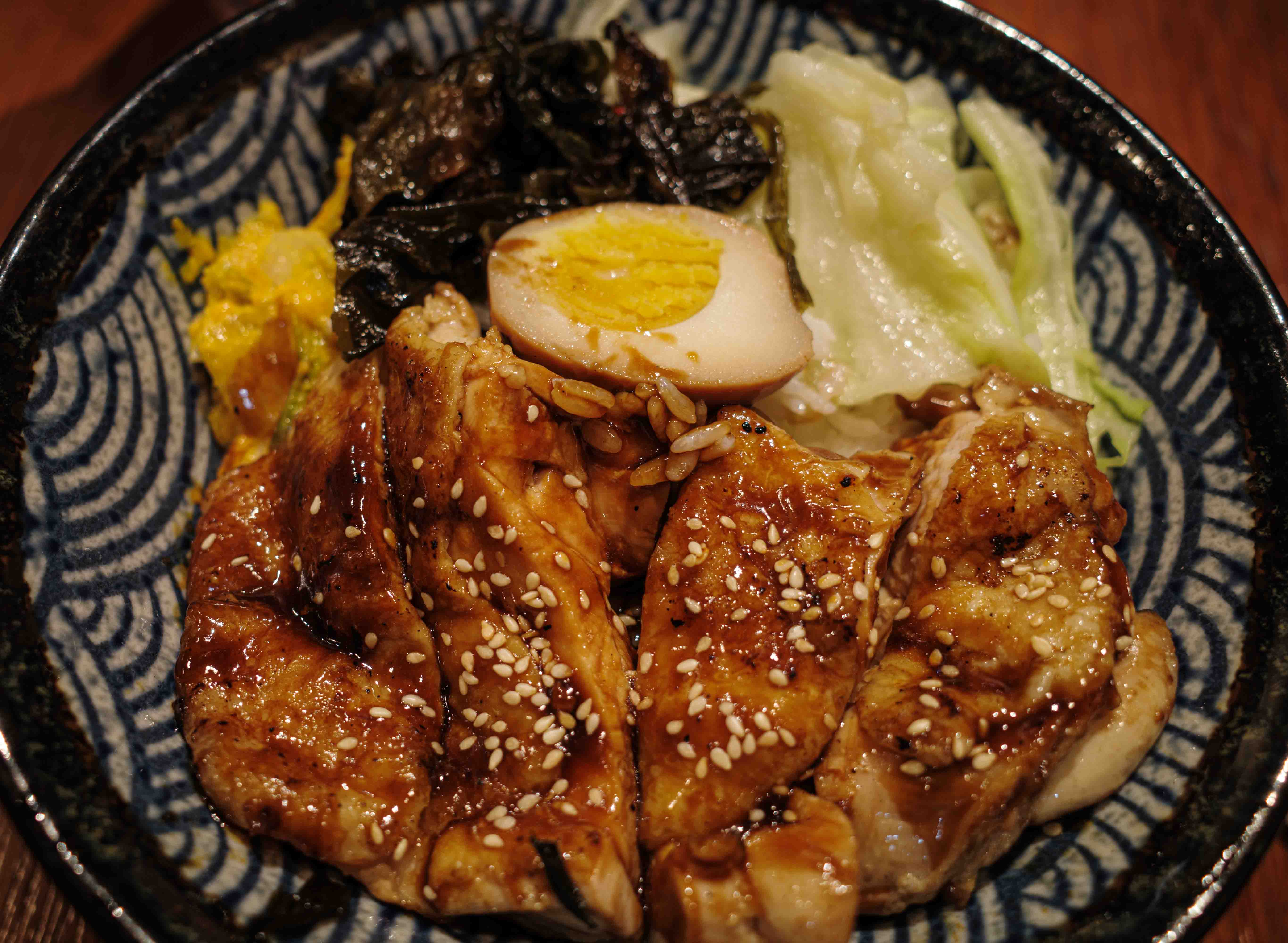
Taiwanese donburi
Taiwanese ramen
Taiwanese Japanese curry
A curry with cream sauce on the side (not sure where that came from)
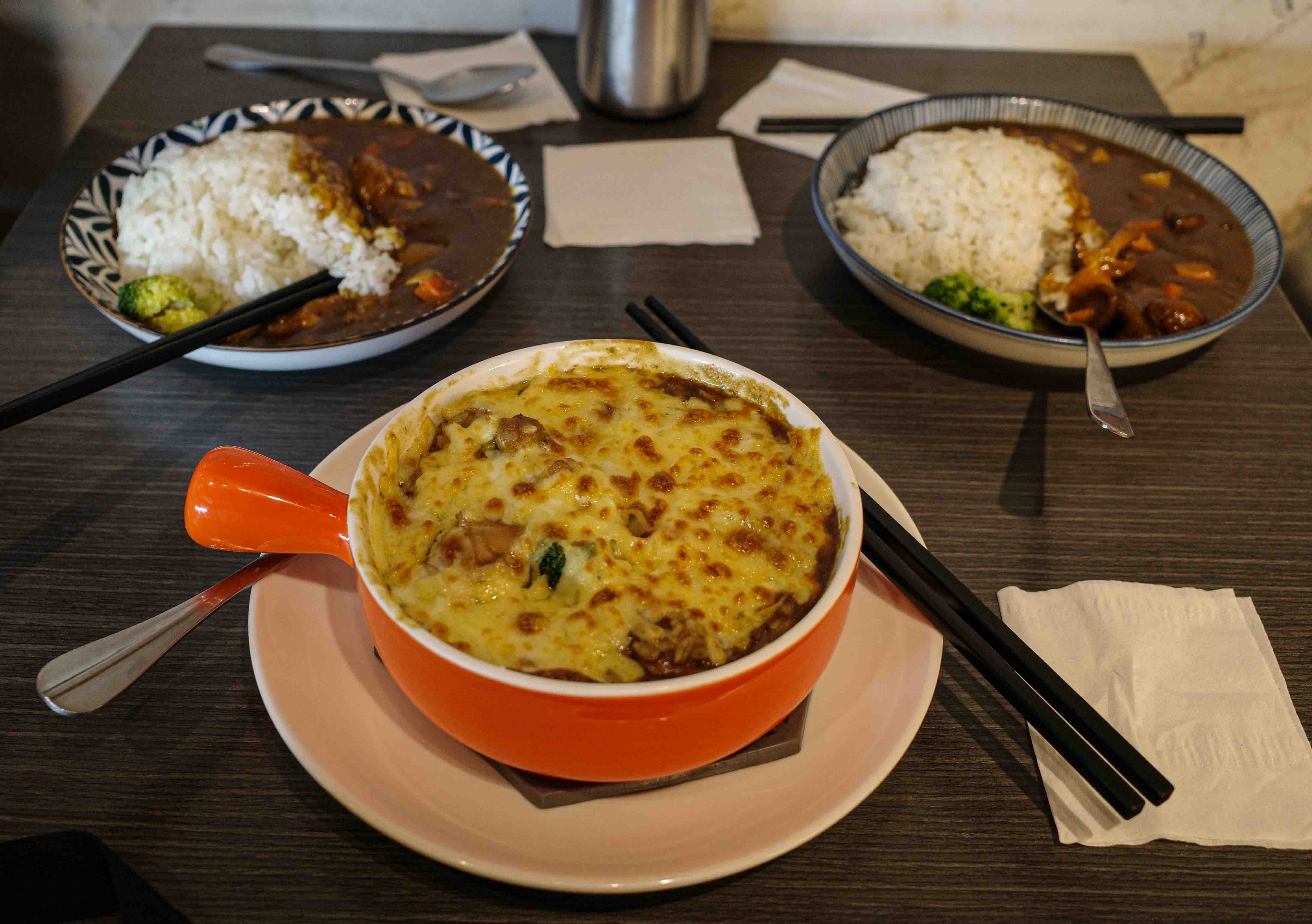
This was the strangest curry I had, which was covered in melted cheese, I guess this was a fusion of Japanese and Western influences. ,

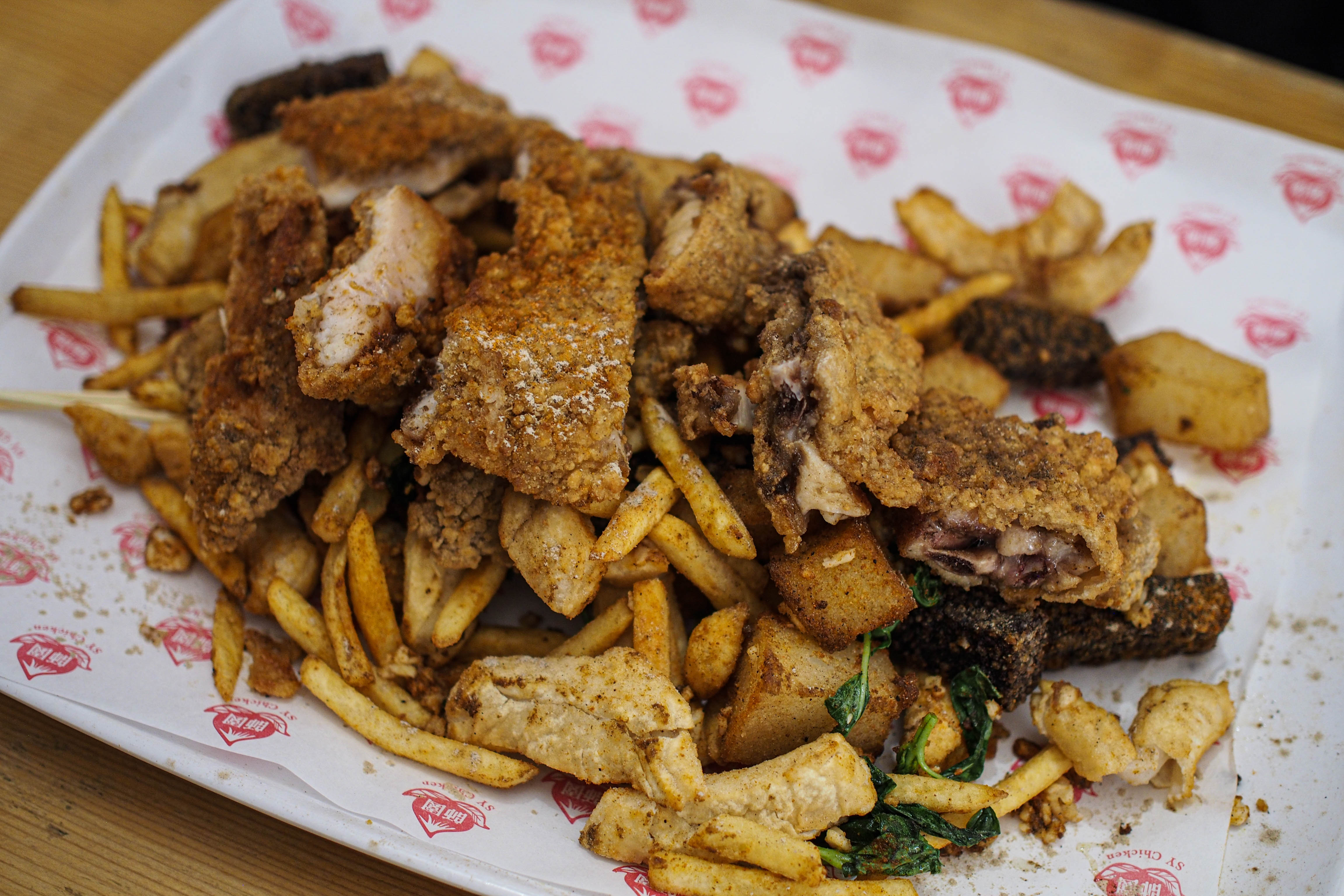
The Taiwanese also make delicious fried chicken. This is usually served as a large flattened and deep-fried chicken breast, or fried chicken is also prepared as what we call popcorn chicken.
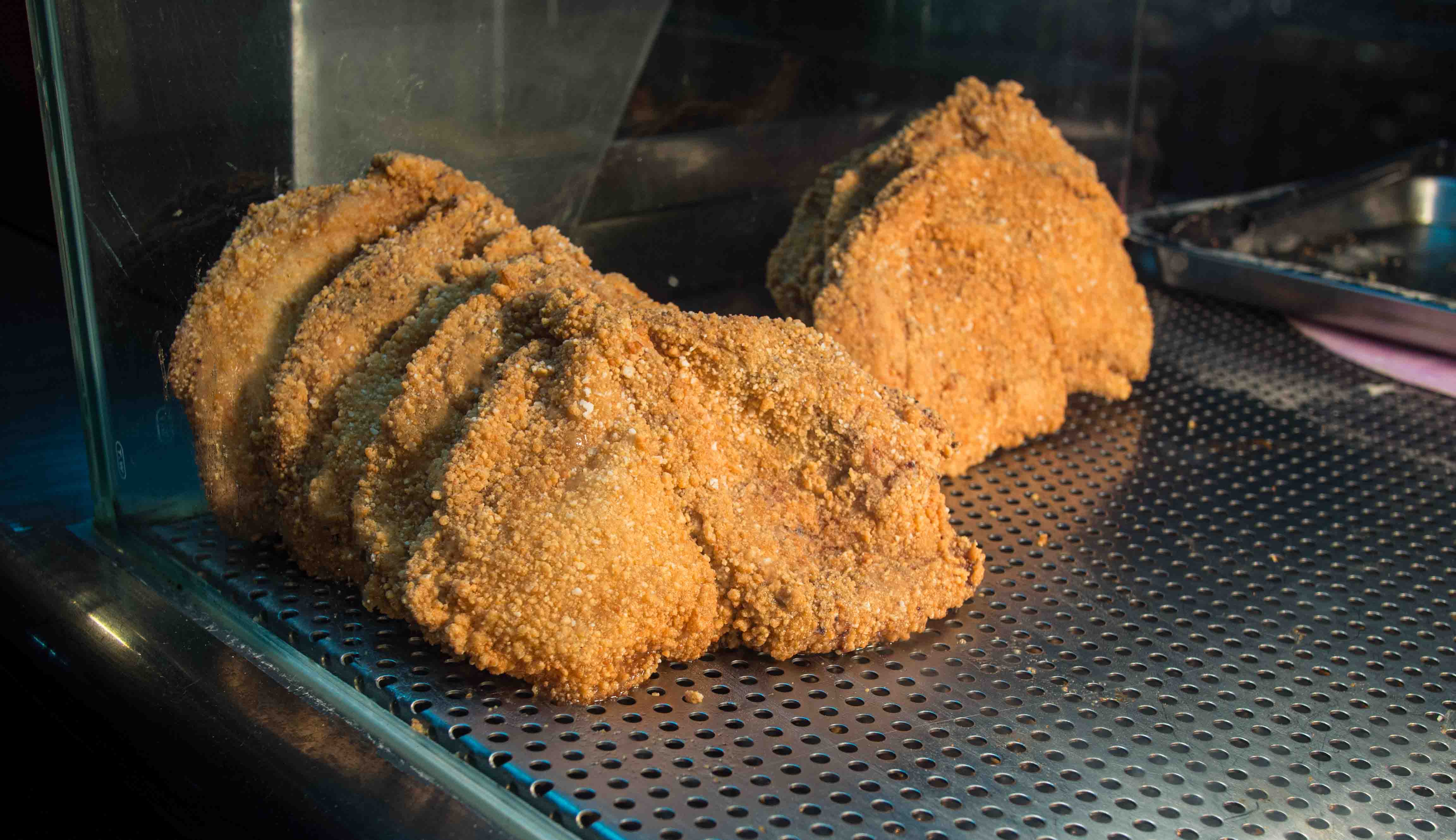
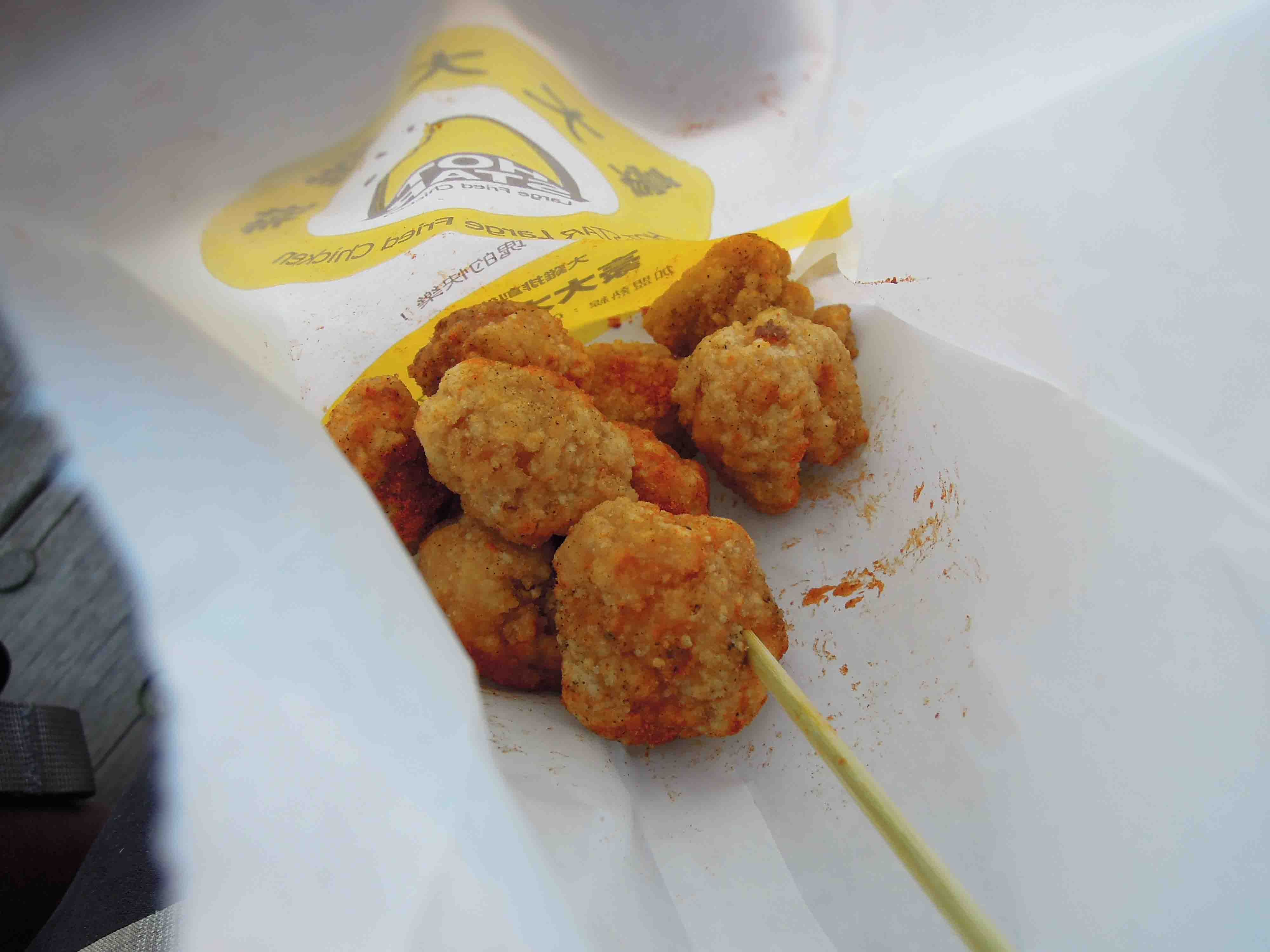
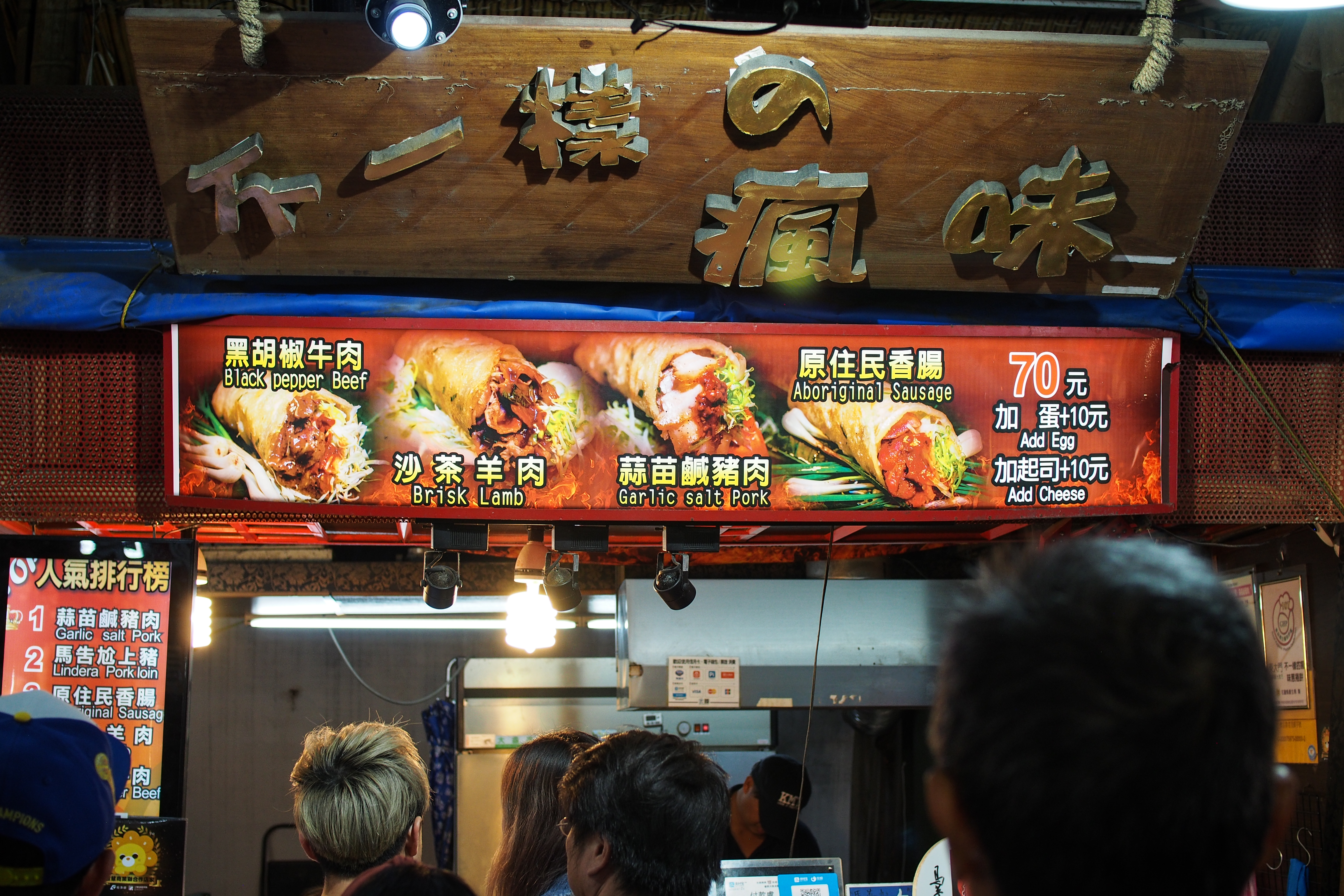
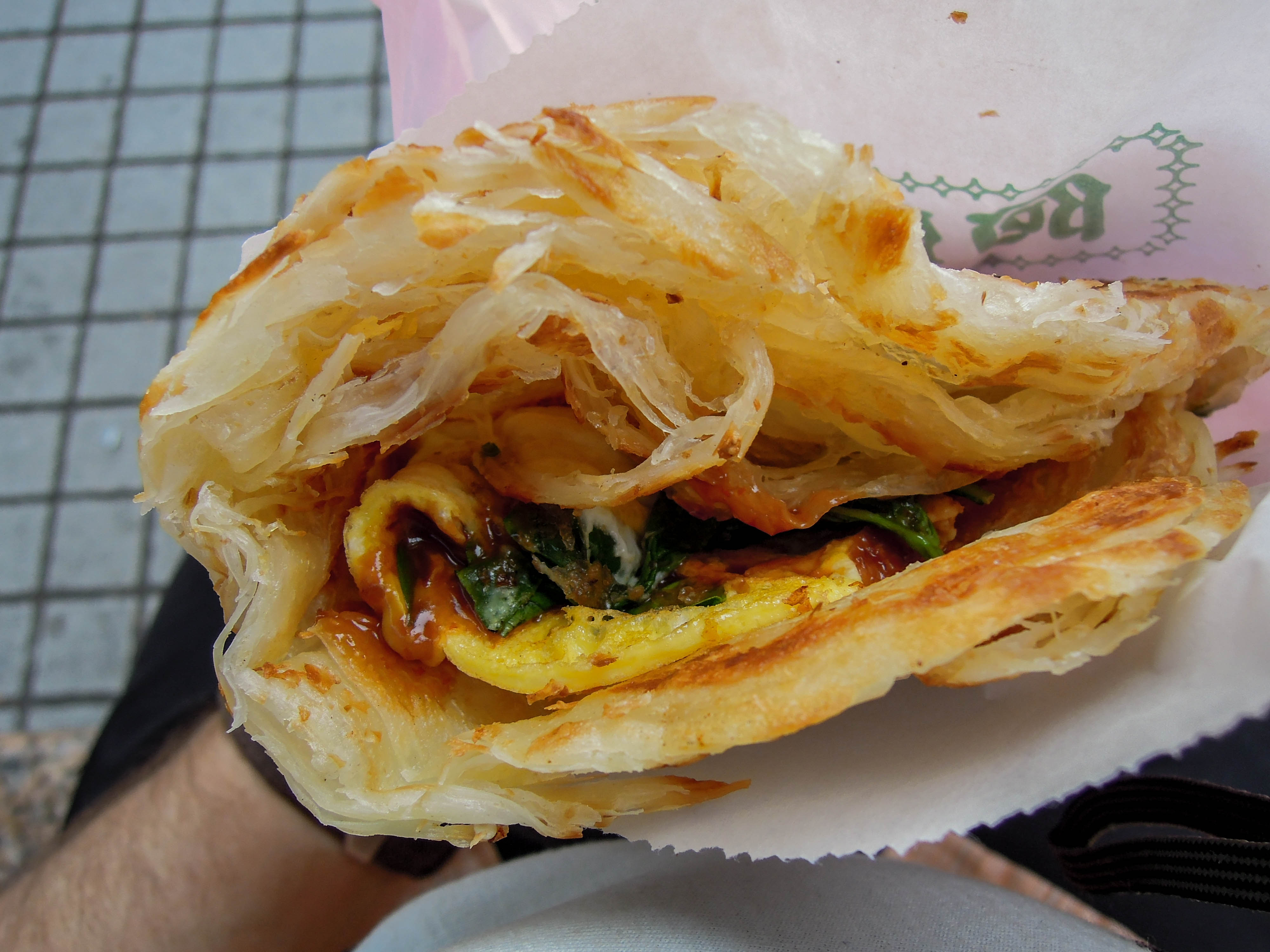
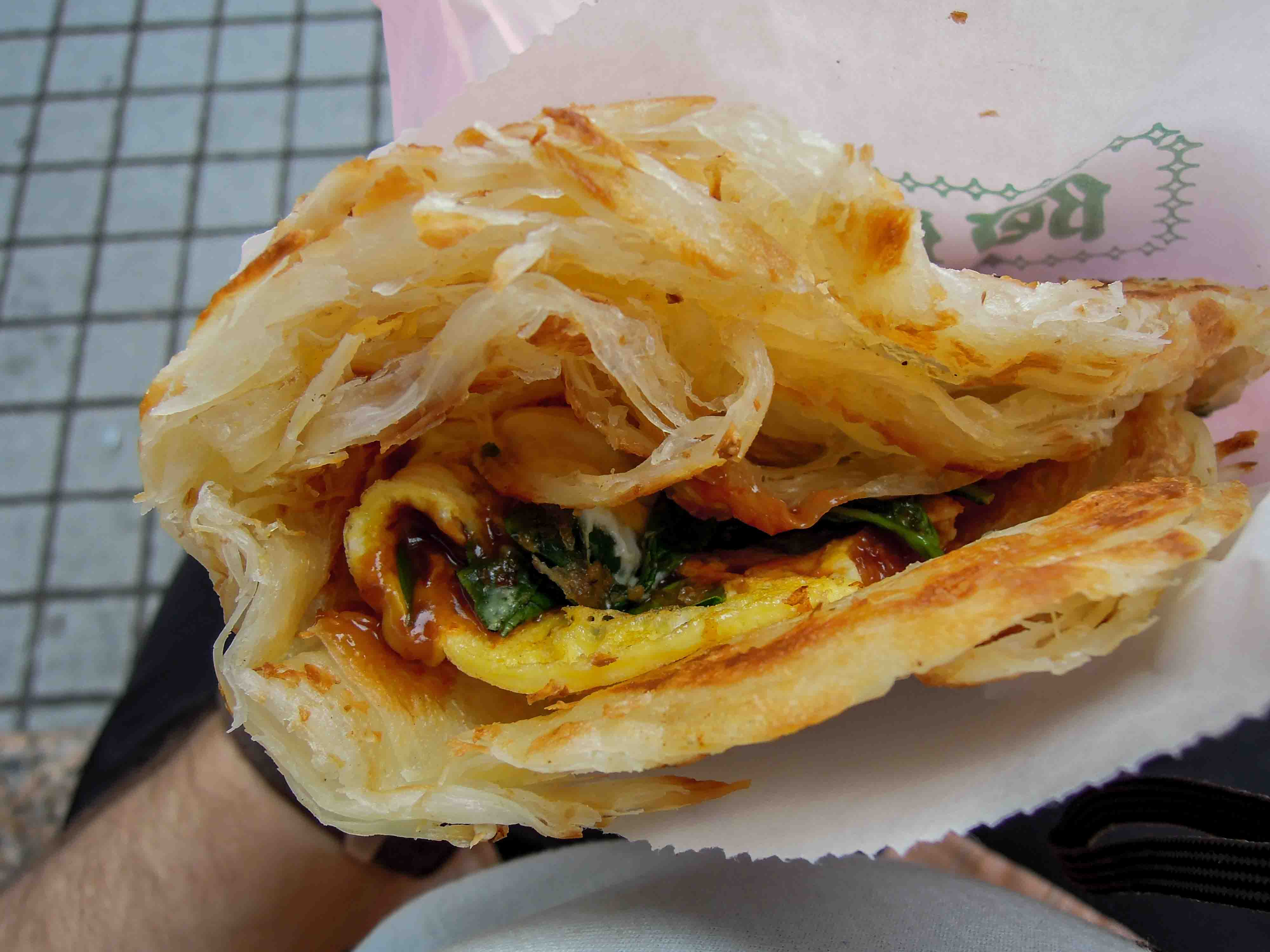
Another popular snack in Taiwan is called 抓餅 zhuābǐng. It is a fluffy, flaky pancake made from dough and chopped up on the grill to make if more flaky. It is then filled with various fillings like egg, meat, vegetables, and so on. At one stall, I ordered one with cheese, and was surprised when they pulled out a Kraft single and put it on. They are also often served with basil. In all my years traveling to Mainland China (30+) I don’t think I’ve ever had a dish with basil in it.
This is just a sampling of the many dishes in Taiwan that are influenced by other cuisines around the world. Does all this mean that Taiwanese food is not authentic Chinese food? Certainly not. It is authentic to Taiwan. The other big influence on Taiwanese food that I haven’t discussed is the native aboriginal cuisine that has existed on the island for thousands of years. Aboriginal food, and aboriginal influenced Taiwanese food has gained popularity in Taiwan in recent years.
You should go to Taiwan!

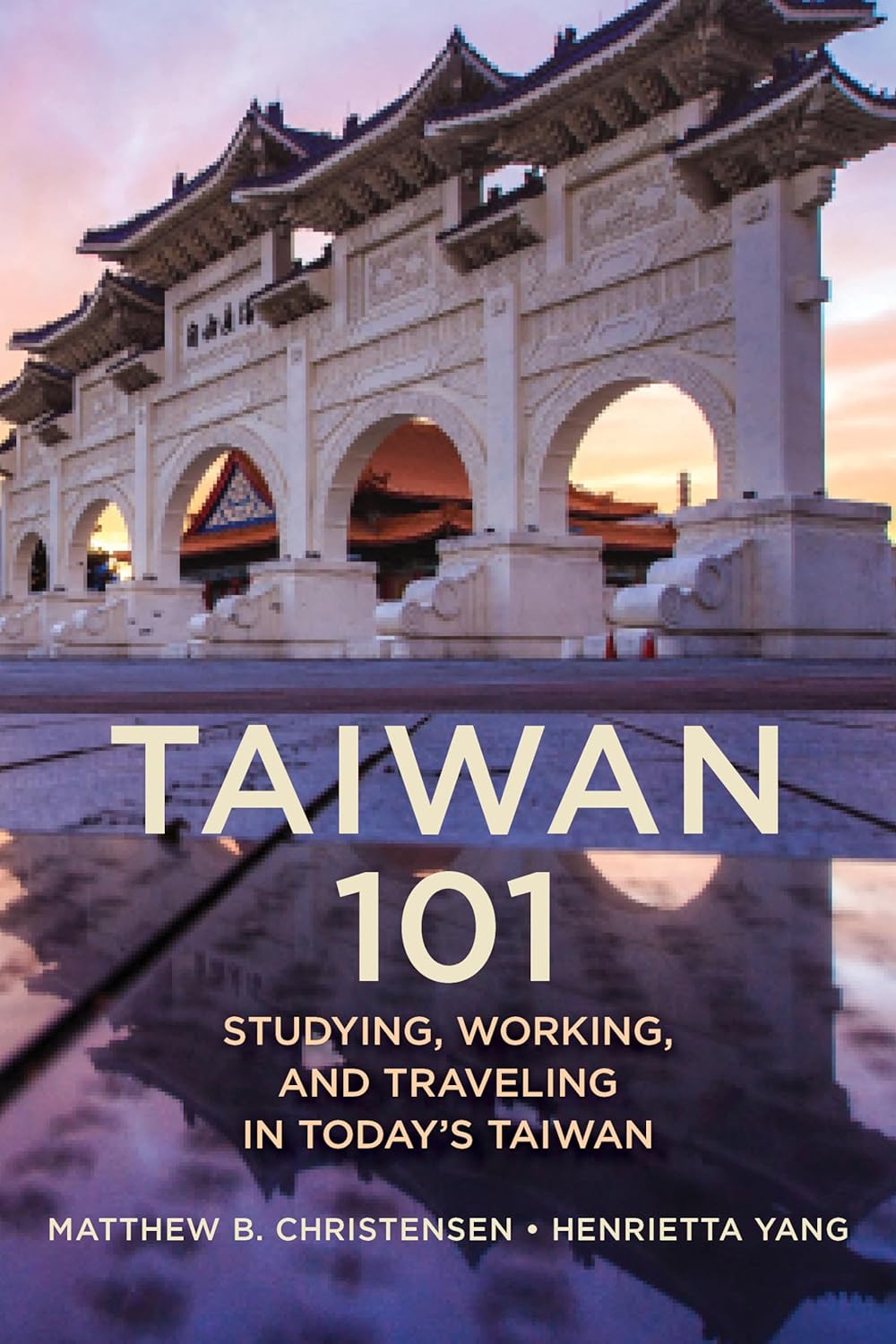
My colleague and friend, Professor Henrietta Yang at tthe University of Mississippi, and I have been working on this book for the past 4+ years. It was finally published a couple weeks ago by Rowman & Littlefield Publishers. It is available at Amazon, Barnes and Noble, and wherever else you get your books.
I directed a study program at Nanjing University in the Mainland for 20+ years. With the political situation deteriorating and the Covid pandemic, we, along with many other American universities pulled our students out of Mainland China and discontinued our program there. We hope to go back in the future. We have since established programs in Taiwan. In recent years there has been renewed interest in studying and workling in Taiwan and many Chinese language programs have relocated to the island.

Campus of Naitonal Taiwan University in Taipei

Before Mainland China opened up to foreigners in the early ’80’s nearly all the Chinese language programs were in Taiwan and the vast majority of Chinese scholars before that time have spent time in Taiwan, either initially studying Chinese or doing research. Taiwan has world-class Chinese language programs and has a vibrant, modern, sophisticated , and open society. The first chapter of the book presents several good reasons why you should consider traveling, studying, or working in Taiwan.

We also cover who lives in Taiwan and how they self identify, how to get around, the food scene, living in Taiwan including how to find housing, studying, with tips and strategies to make your time worthwhile, working and interning in Taiwan, and final chapter on Taiwan’s diverse geography with some suggestions on what you should see while you are there. This isn’t a typical travel guidebook listing names of hotels and so on. It is intended for the individual who plans to spend time there and go deeper. It is sprinkled with Chinese (both pinyin and characters) for those who know Chinese or are learning. That way, you learn how to identify food items, place names, and so on.

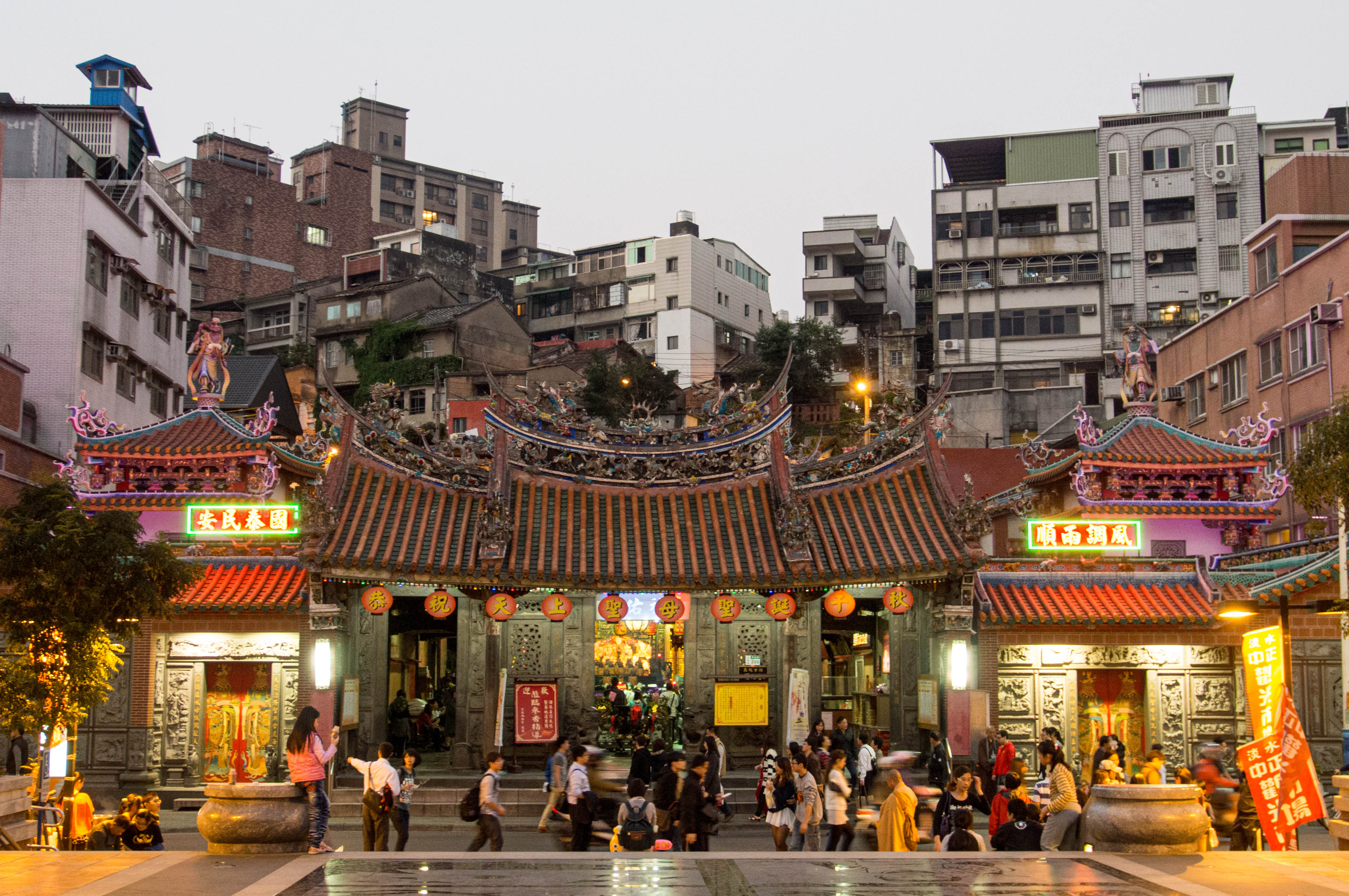
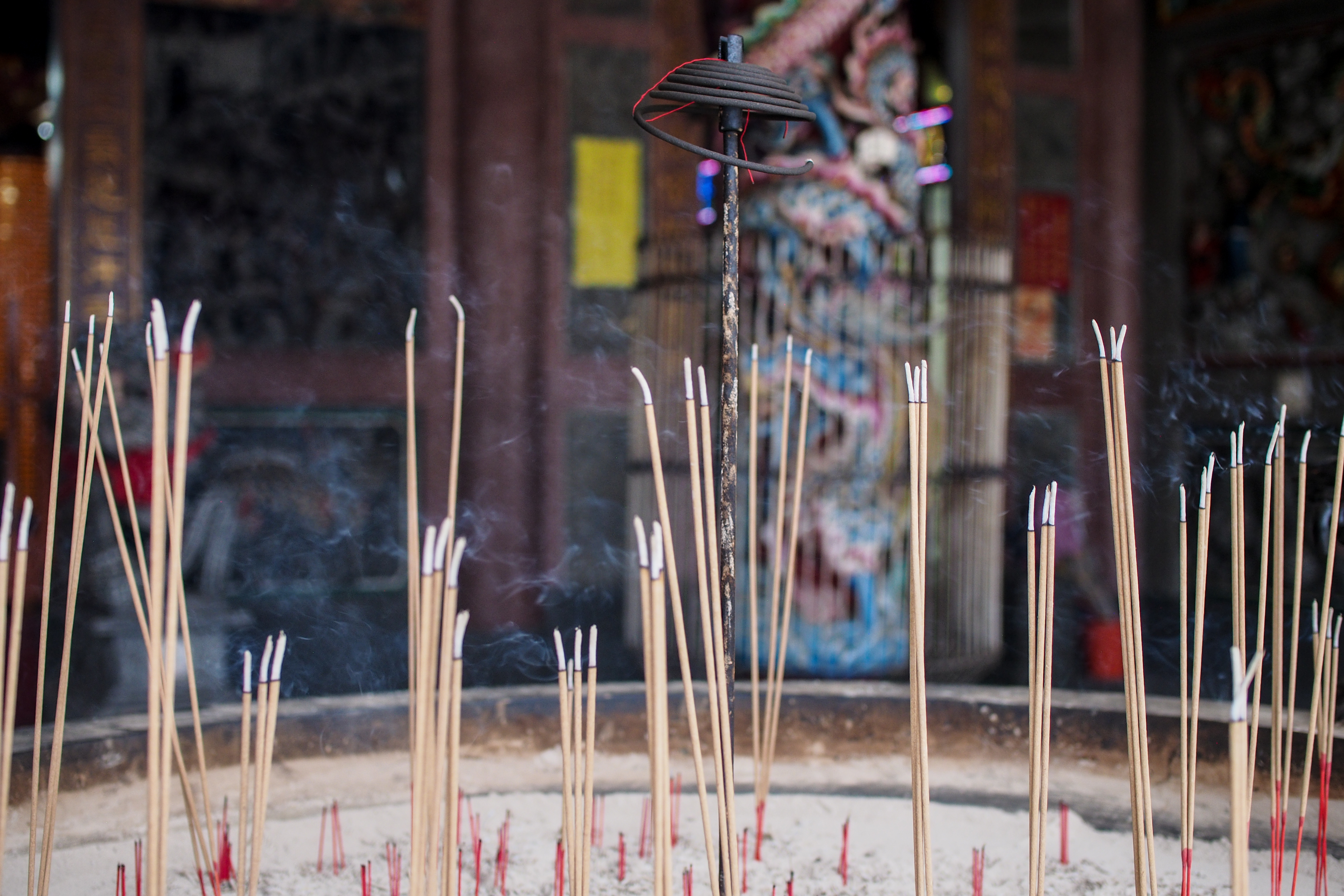
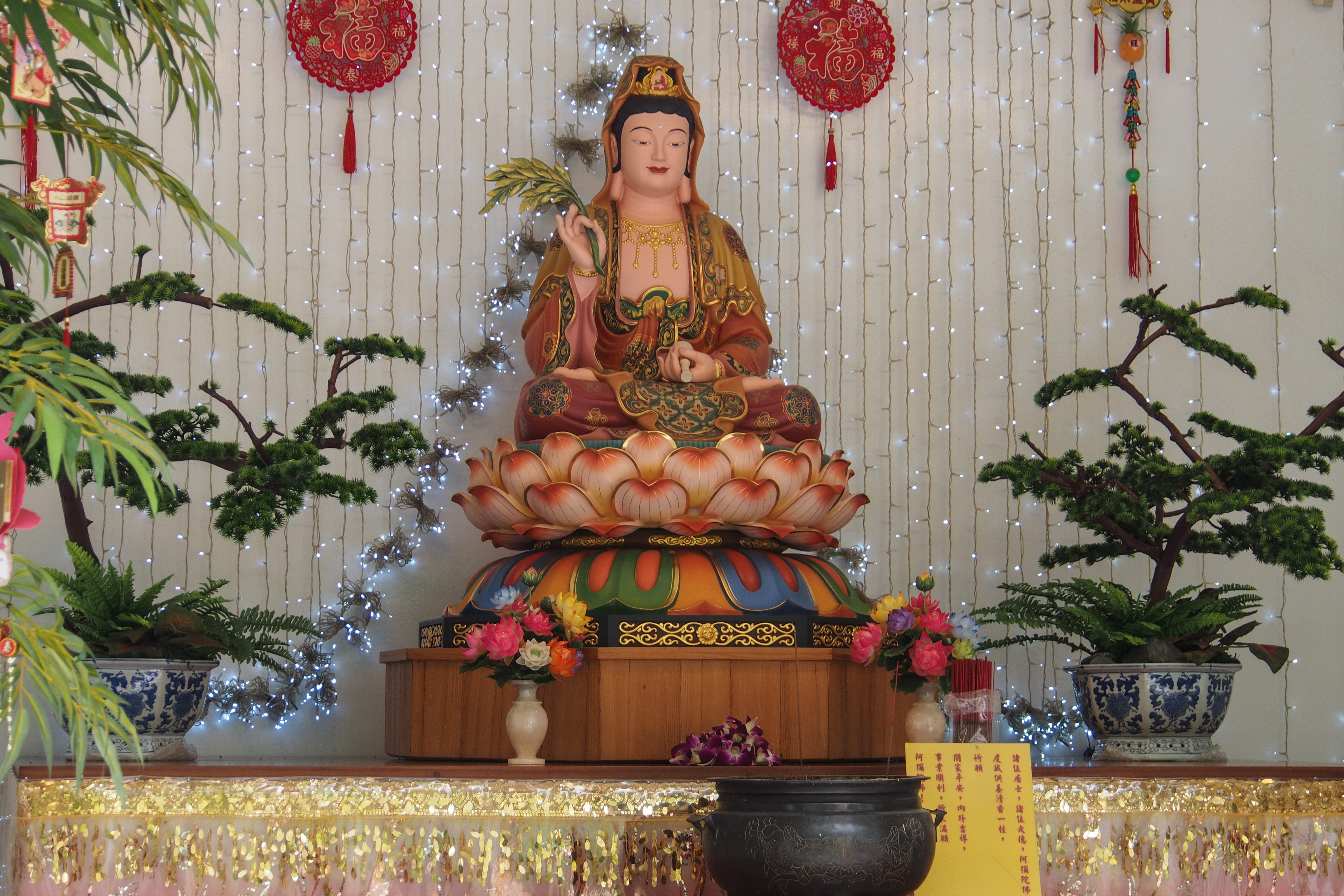
Taiwan has deep roots with traditional Chinese values. It is a free and open society. The country has countless temples, almost in every neighborhood, and they are used as places of worship and not tourist sites.

The food scene in Taiwan is spectacular. With so much outside influence in Taiwanese cuisine (Japanese, Korean, Mainland China, the West), much of the food is a really interesting fusion.

Finally, Taiwan is a beautiful and diverse place, from the bustling cities to surfing in the far south. There is a great deal of outdoor activities to enjoy.

Hualien

So, go to Taiwan. You won’t regret it. And the book will help you navigate the intricacies of life in Taiwan.

Taiwan: Getting out of the city—Emerald Valley

OLYMPUS DIGITAL CAMERA

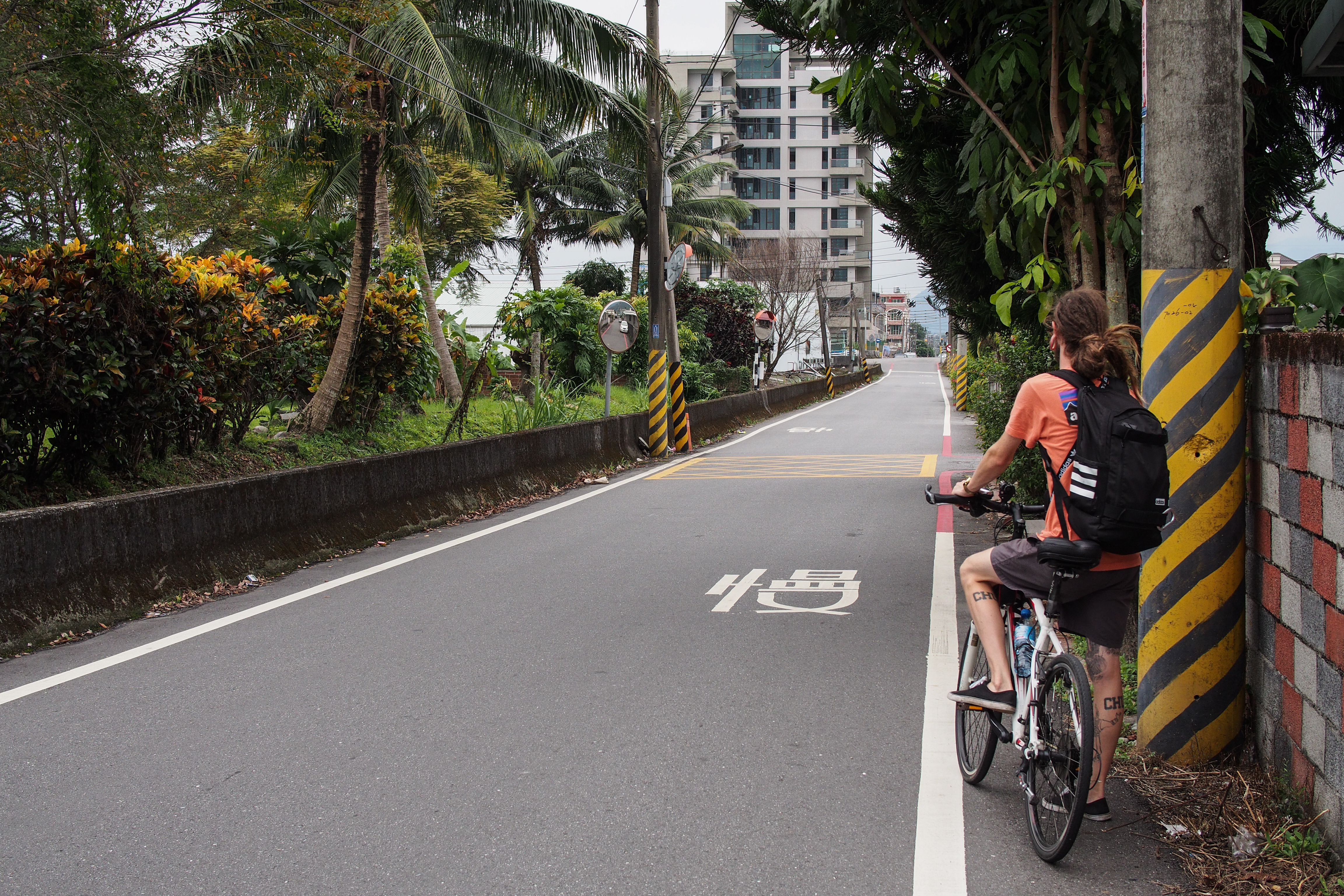
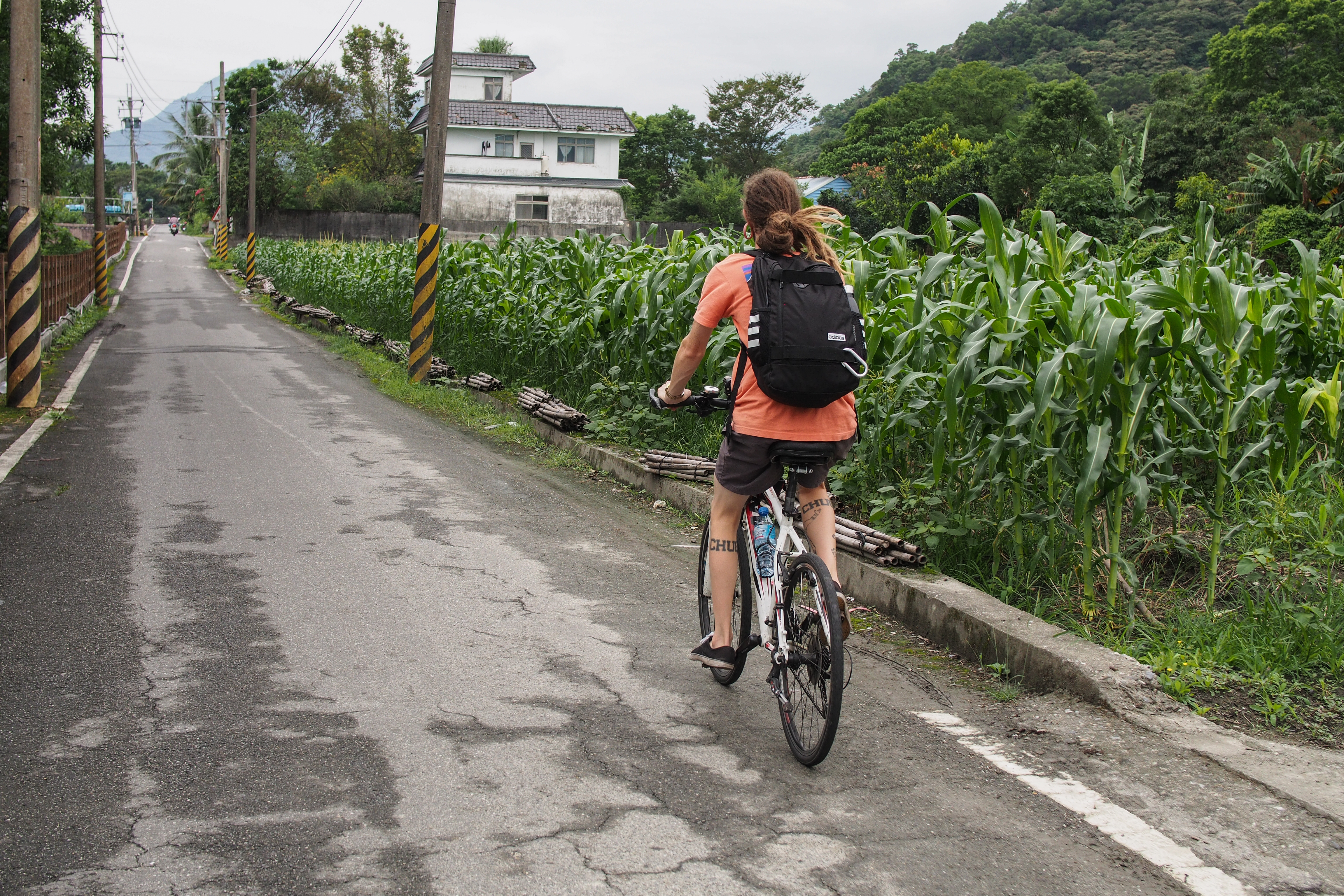
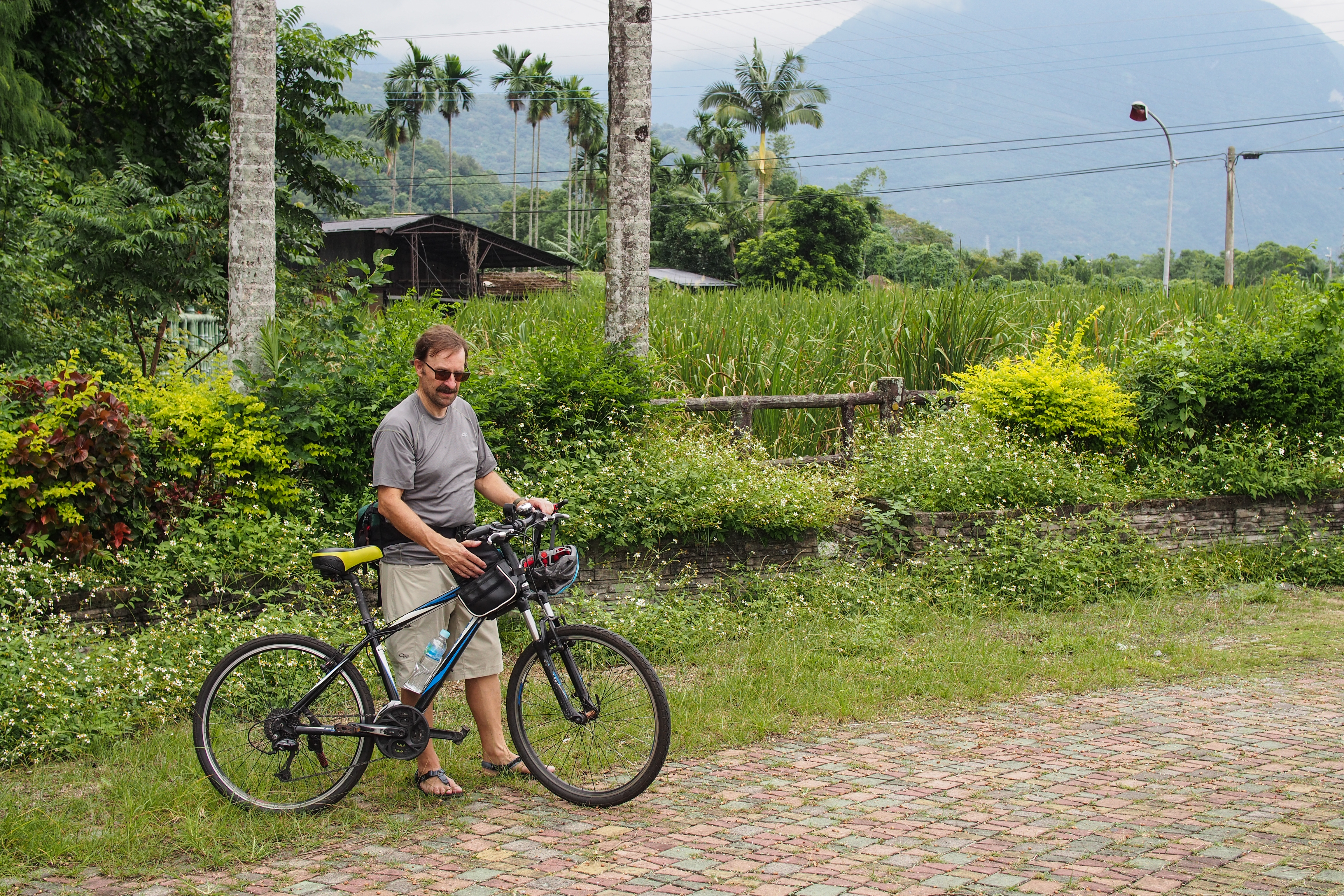
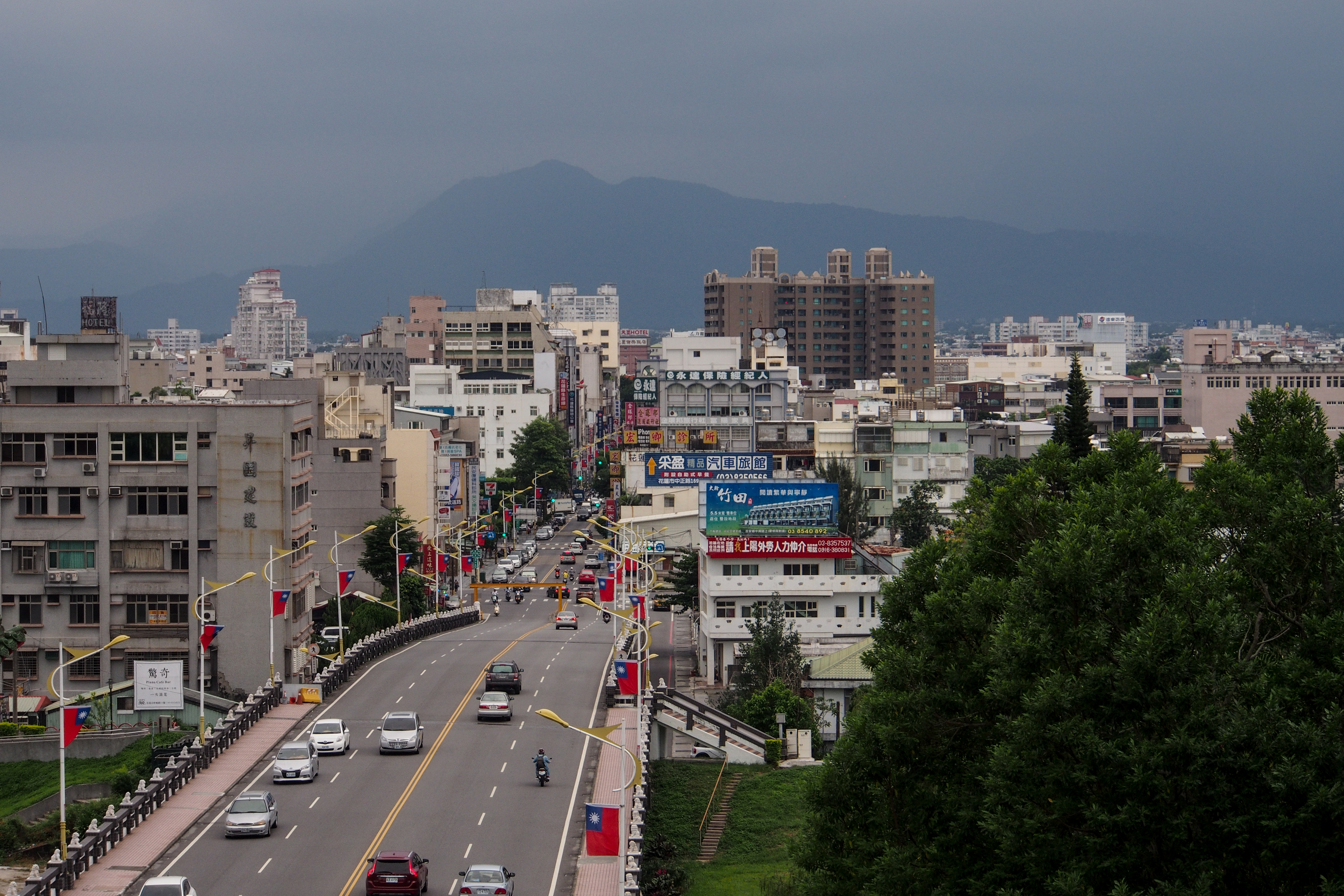
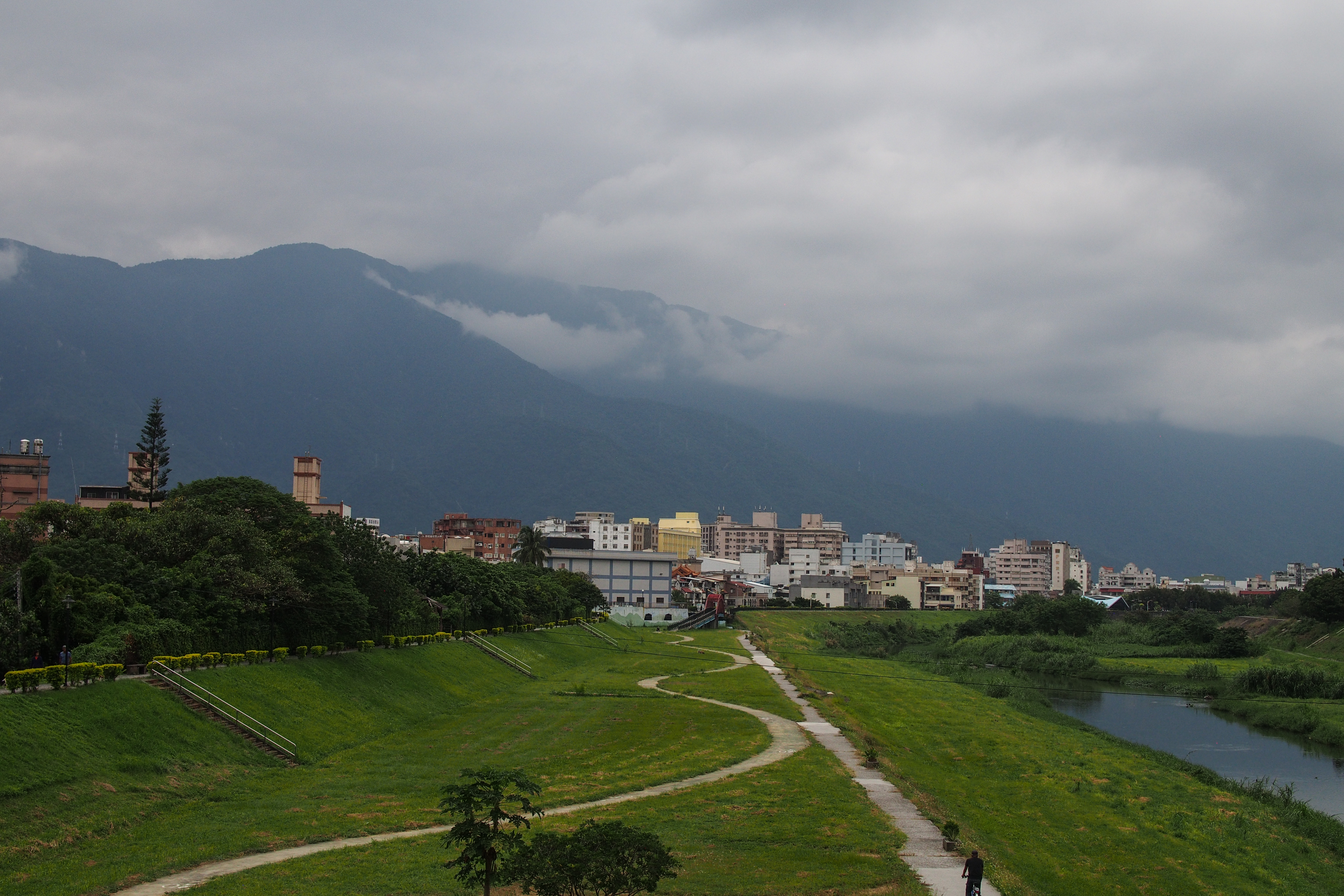
Another day in Hualien, we rented bikes and went for a nice ride out of the city up to Emerald Valley or 翡翠谷 fěicùigǔ, about 15 kilometers southwest of Hualien. We wound around the somewhat busy streets of Hualien for a couple miles before leaving the city and passing through the outskirts. We stopped along the way at a 7-11 to get some breakfast and snacks.

OLYMPUS DIGITAL CAMERA

OLYMPUS DIGITAL CAMERA

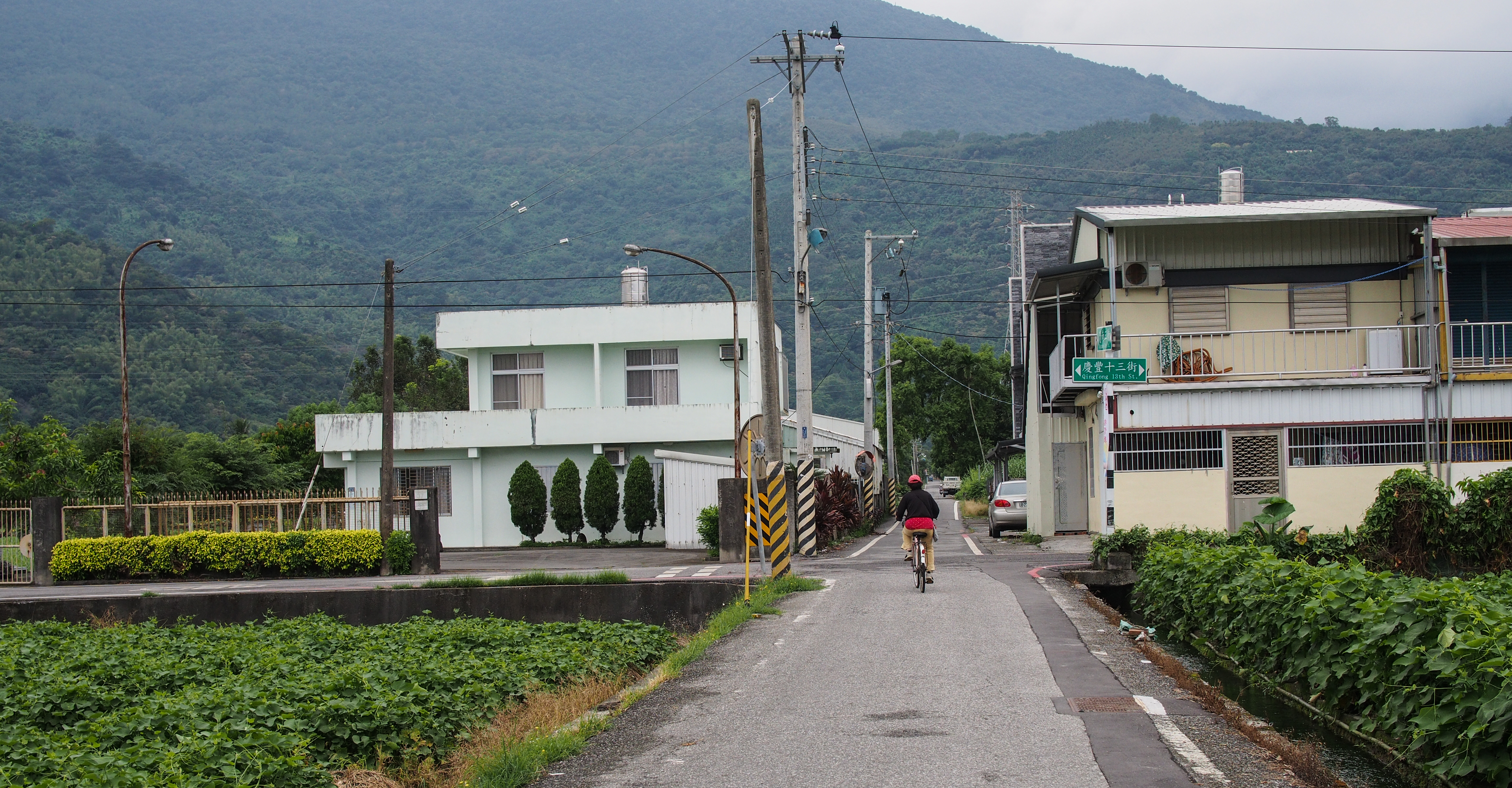
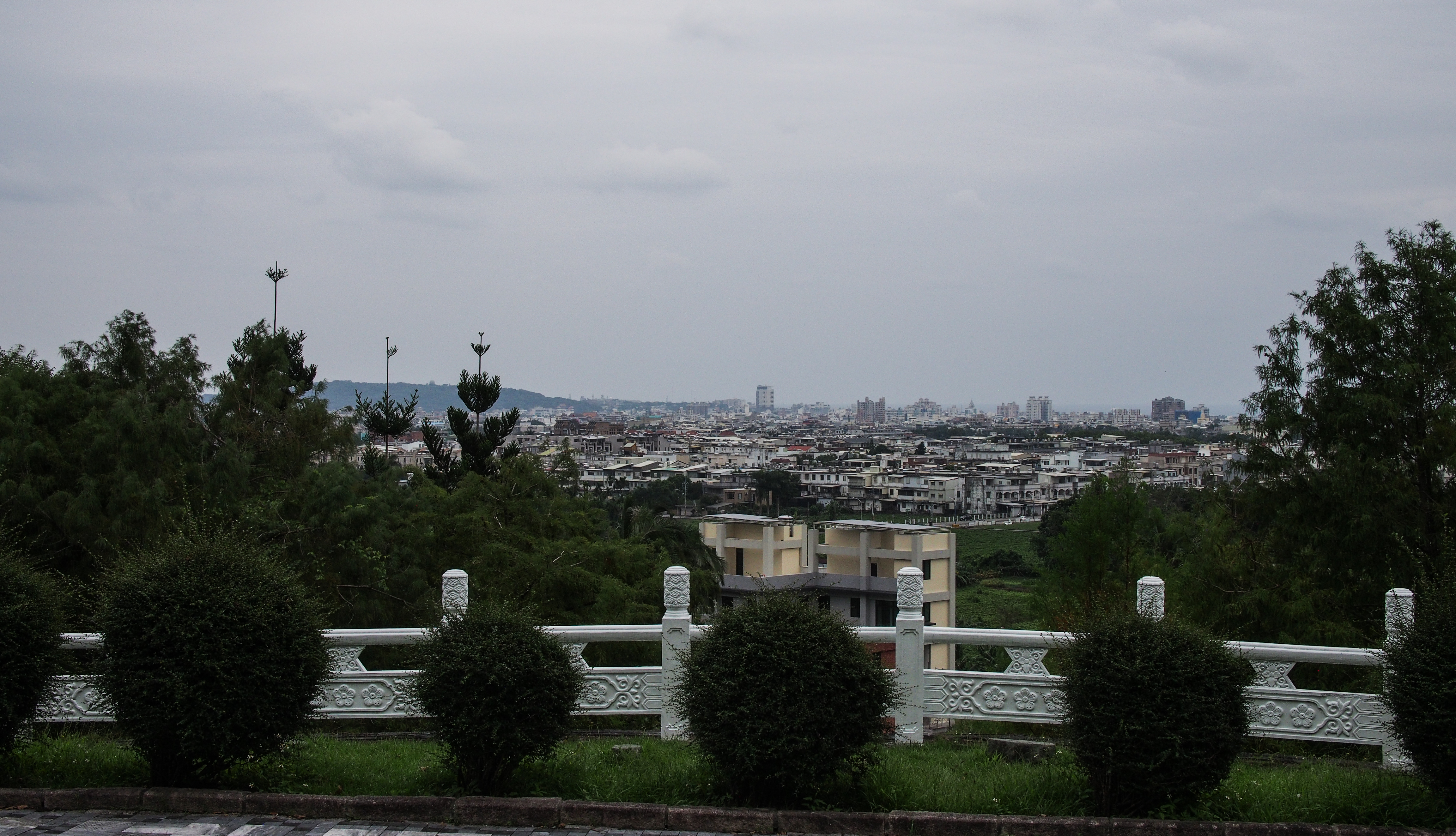
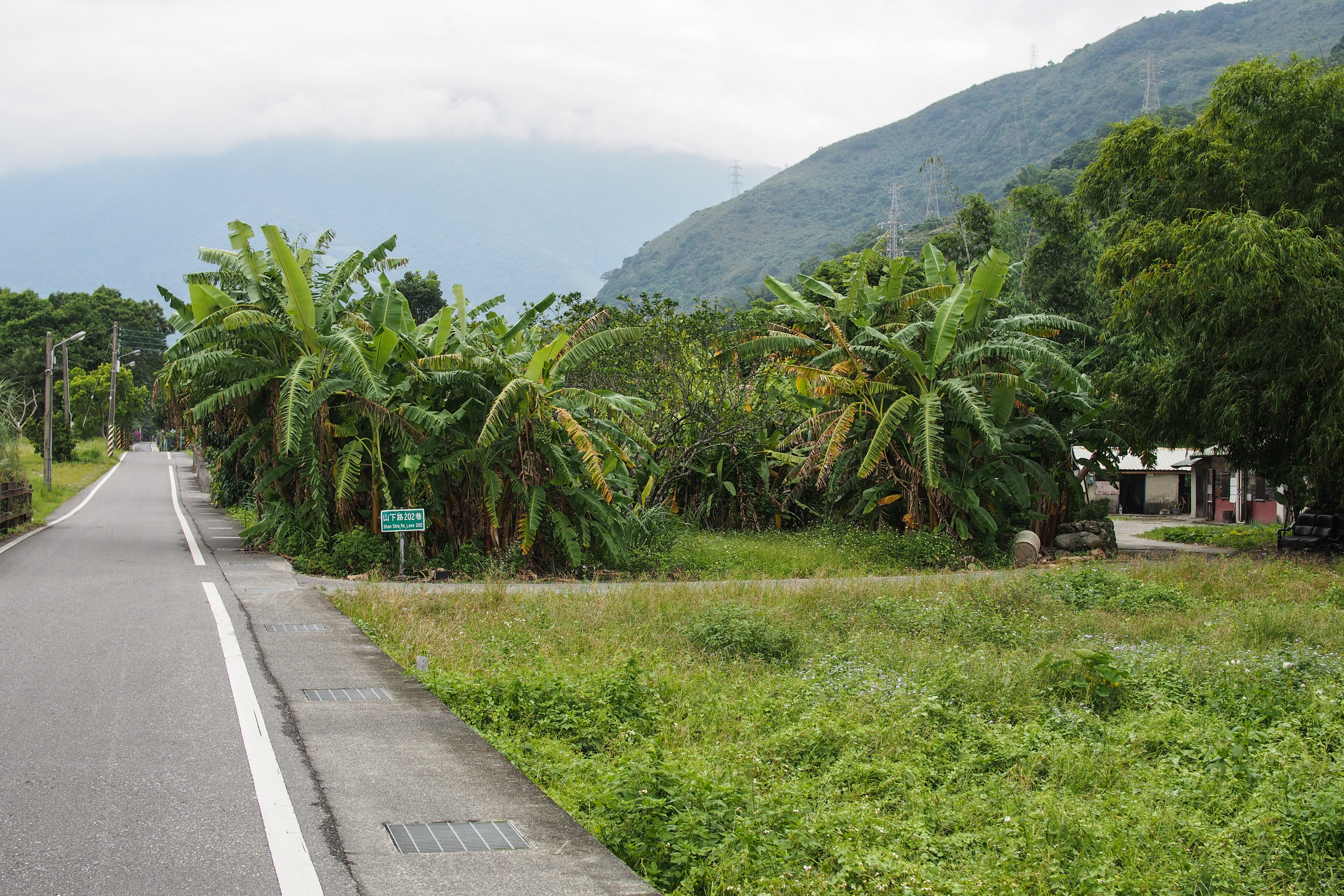
Once we left the city, the riding was pleasant through quite roads and farmland. We didn’t plot a definite route, instead opting to just wander through the countryside heading in the general direction of the valley, which we could see from a pretty far distance. Along the way we encountered a memorial for Taiwanese soldiers. It was built on a steep hillside and provided a nice view of Hualien in the distance.
OLYMPUS DIGITAL CAMERA

OLYMPUS DIGITAL CAMERA

OLYMPUS DIGITAL CAMERA

OLYMPUS DIGITAL CAMERA

OLYMPUS DIGITAL CAMERA

OLYMPUS DIGITAL CAMERA

OLYMPUS DIGITAL CAMERA

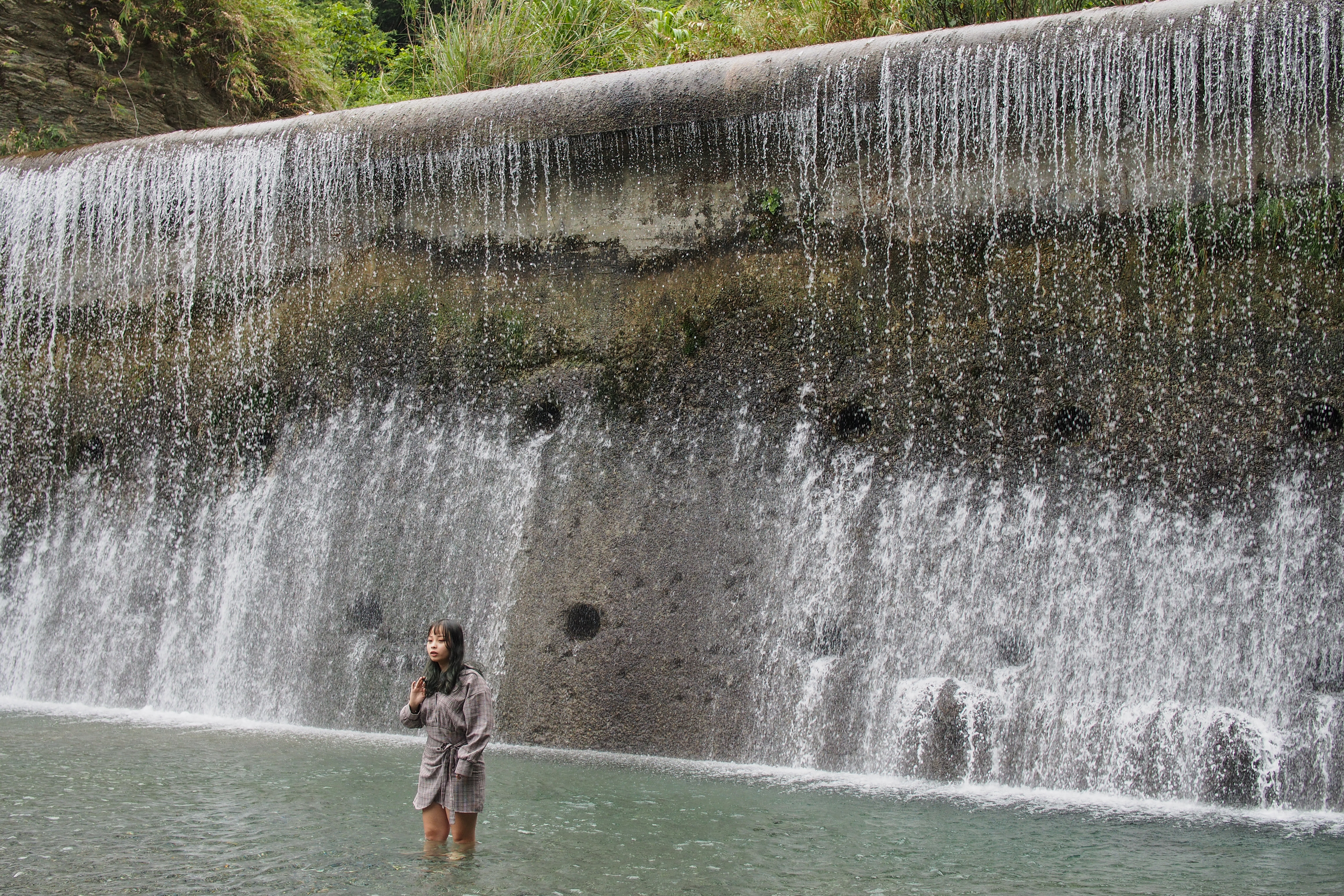
After a couple hours riding and exploring, we began the mellow ascent up the valley following along a large river. The trailhead was easy to find, and we locked up our bikes, grabbed our day packs, and headed down the trail. Within  a couple hundred yards there is an old WWII era tunnel to pass through. It is quite dark in the middle, but with our phones it was no problem navigating our way. Once the trail opens up at the junction of Feicui Creek and the main river, there is a manmade waterfall. Here we encountered quite a few Chinese tourists, wading and taking pictures. Not the place for us.
OLYMPUS DIGITAL CAMERA

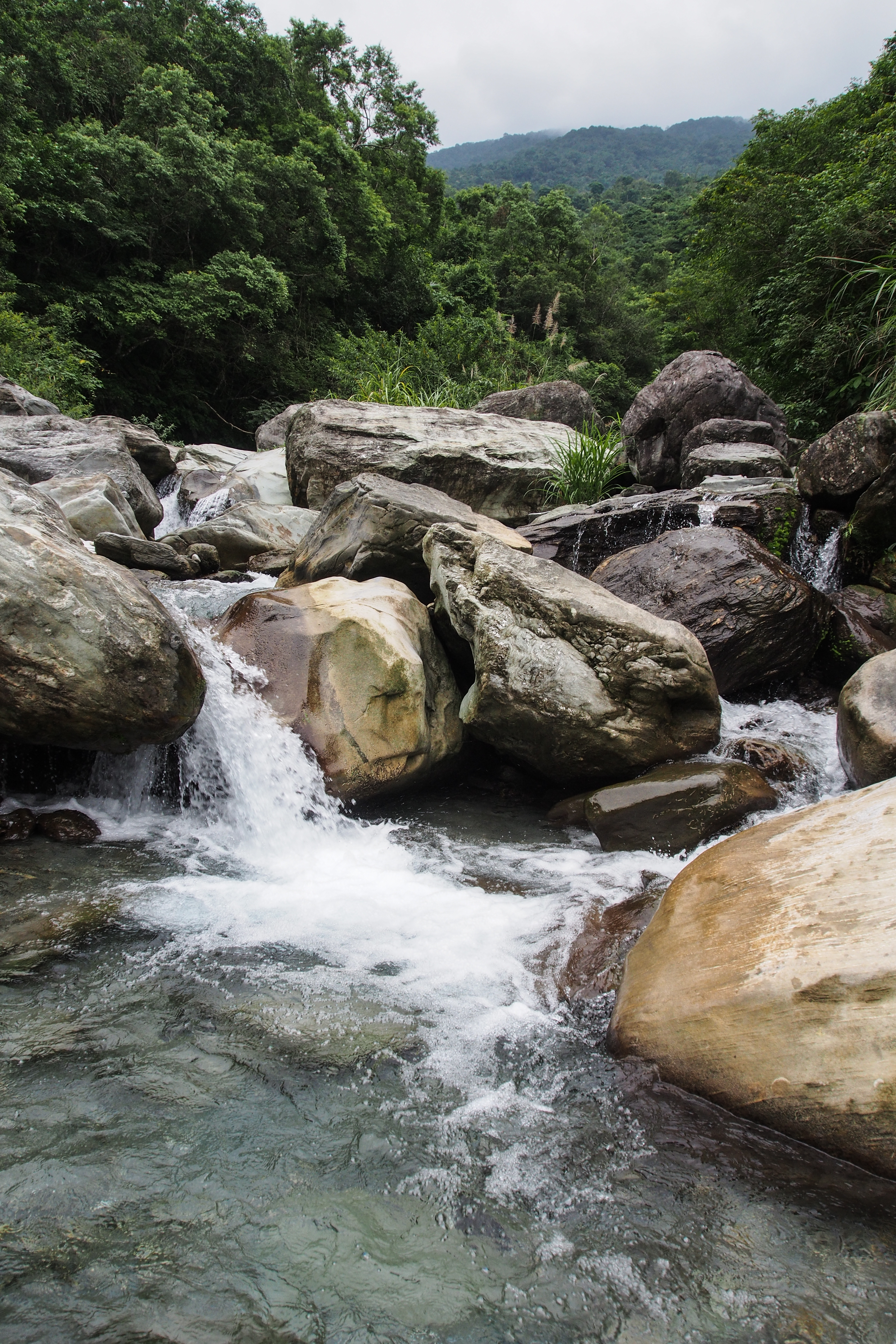
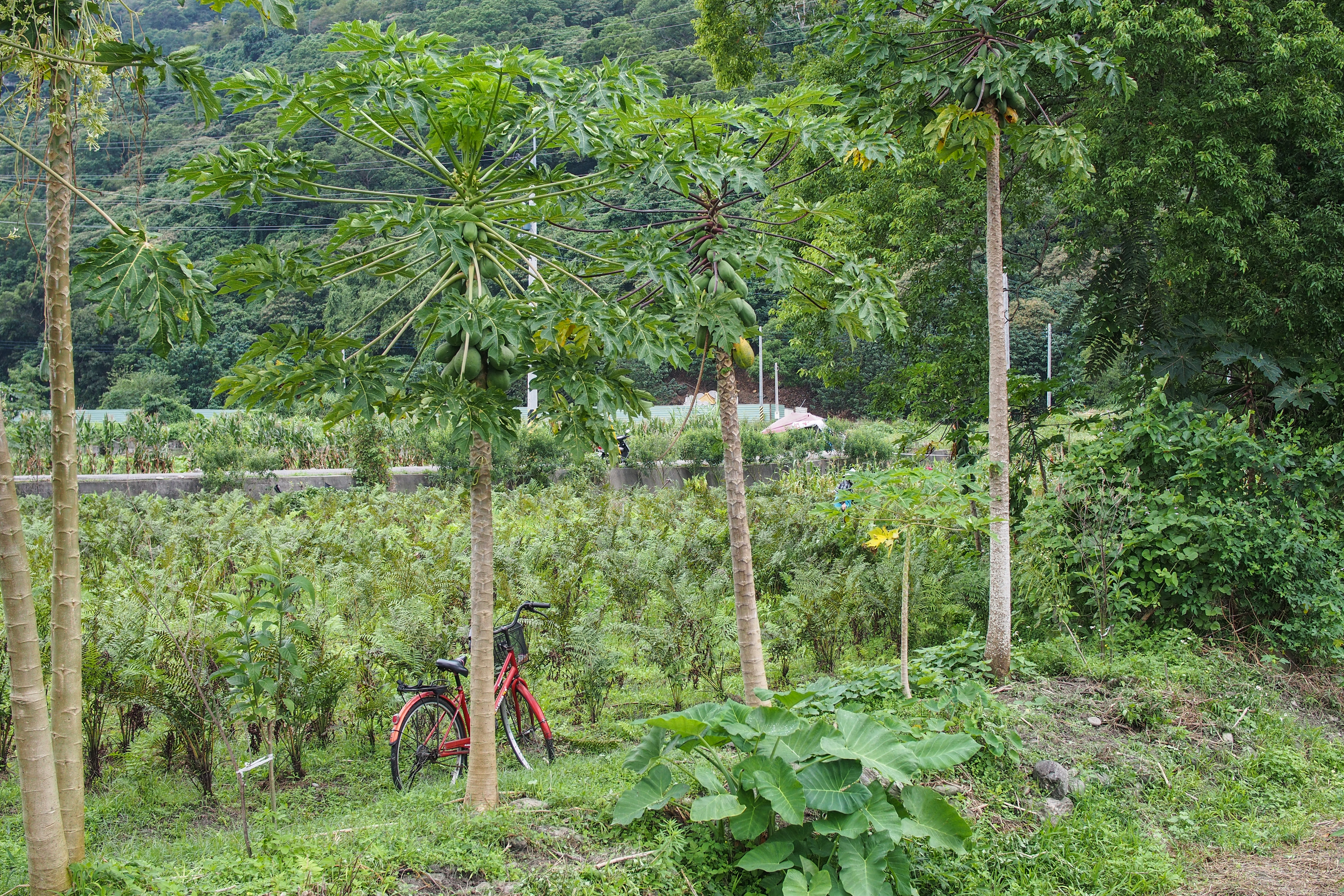
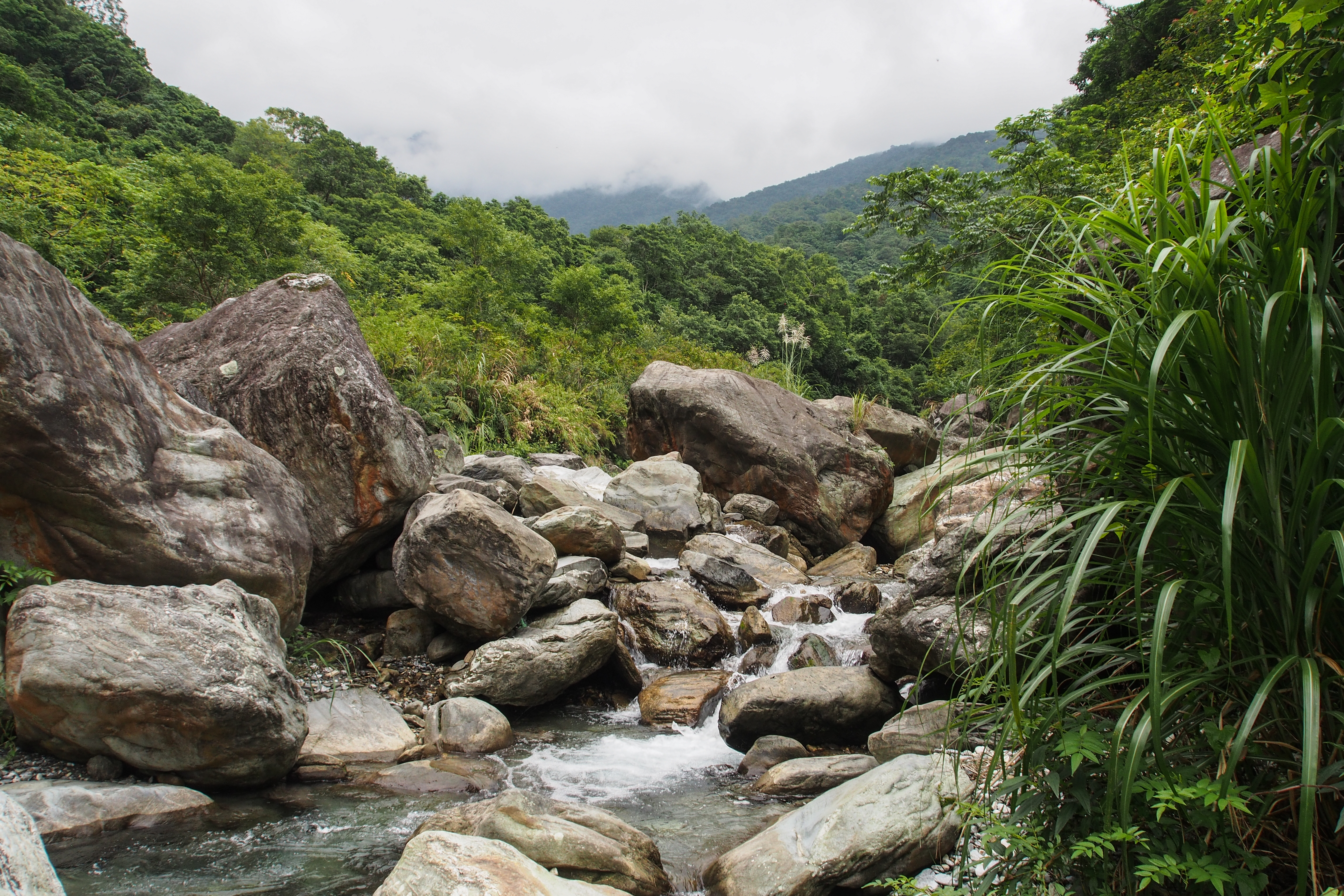
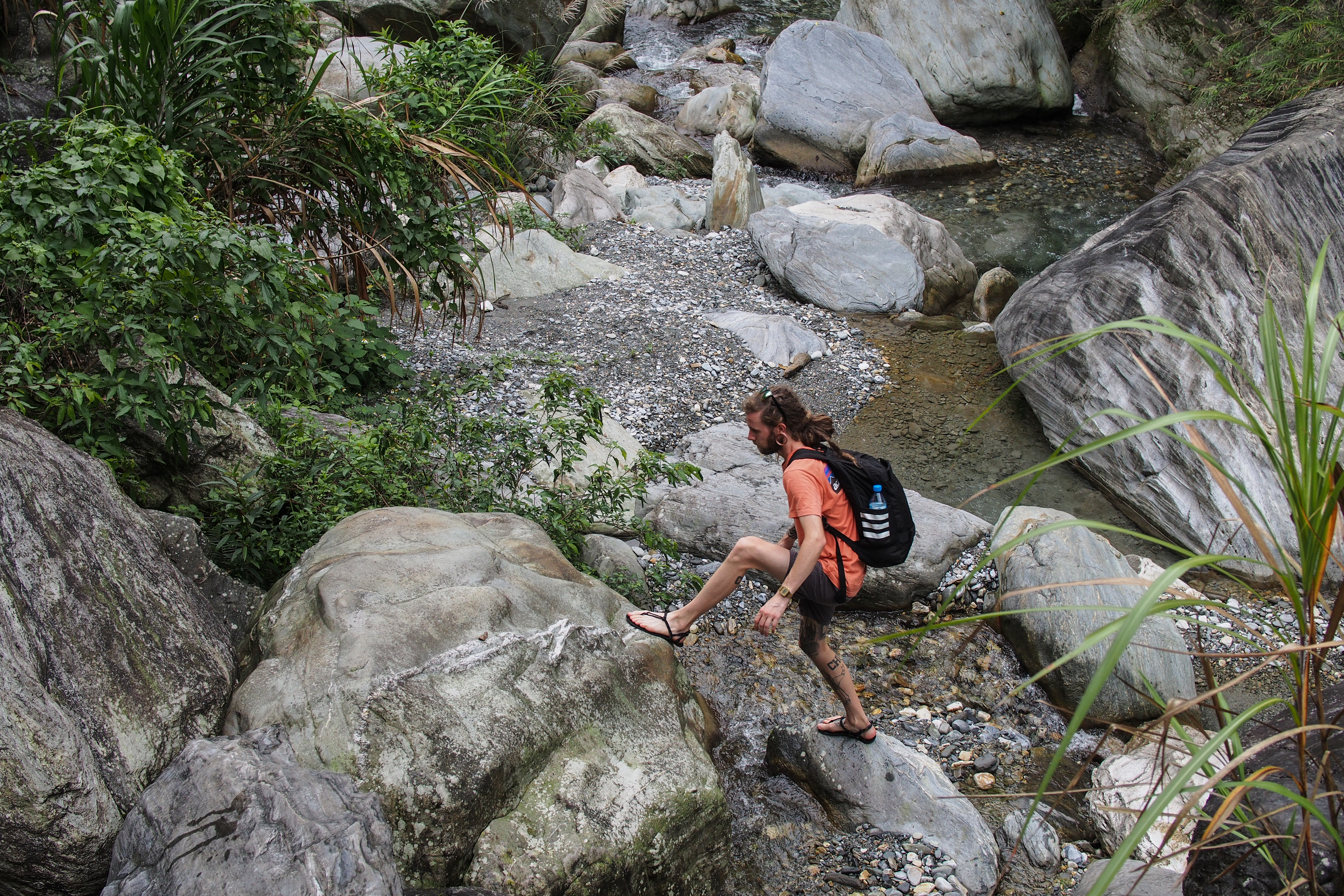
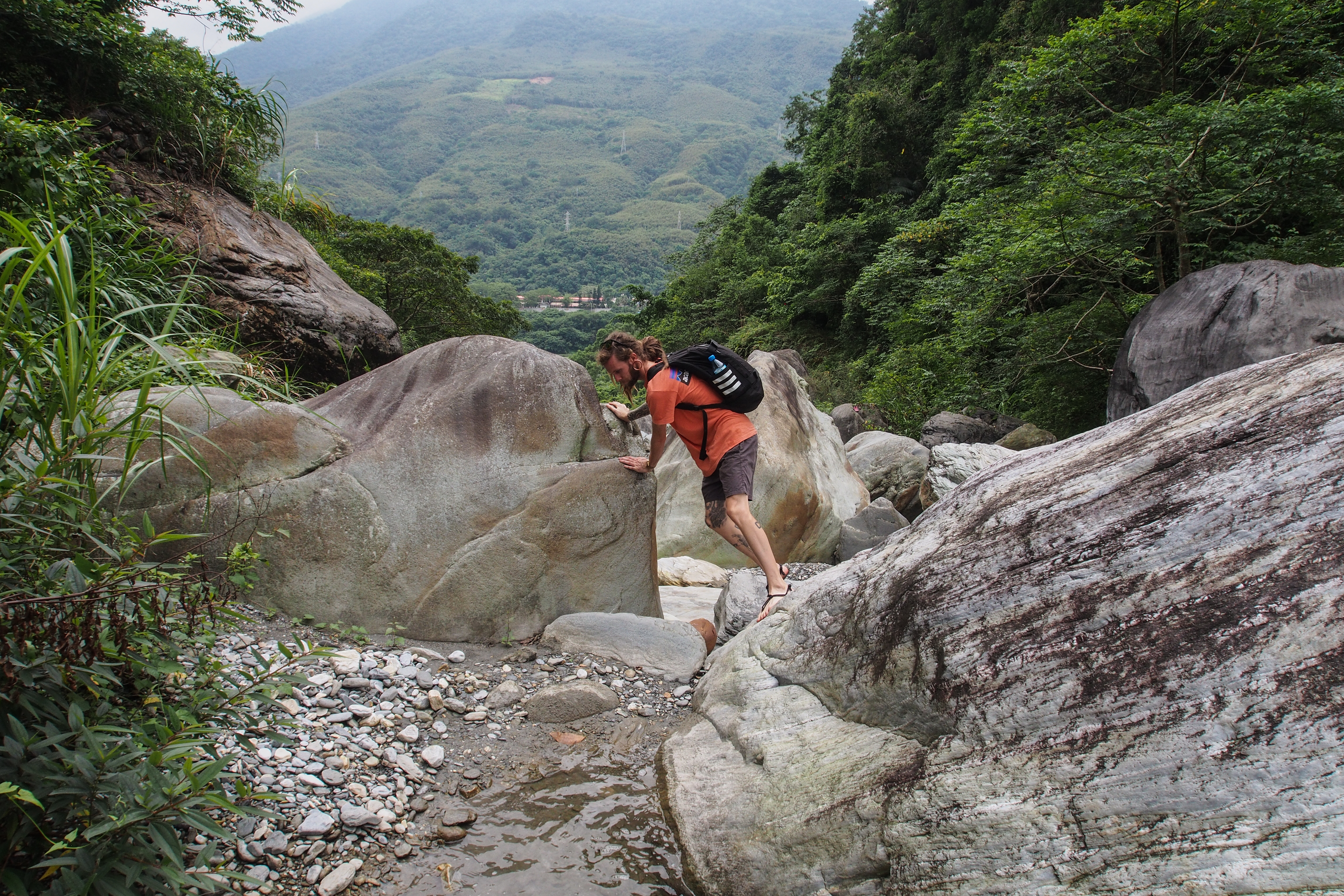
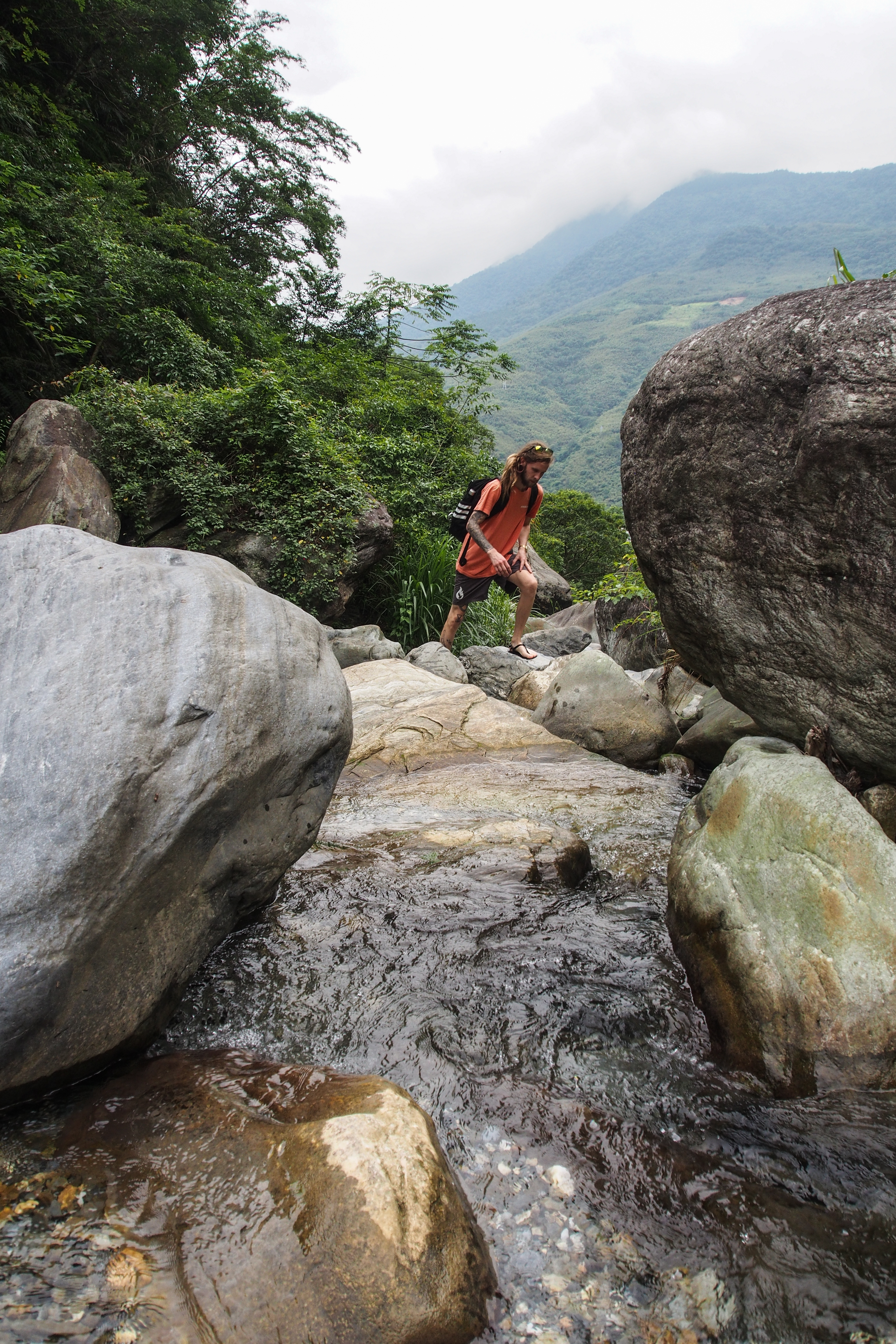
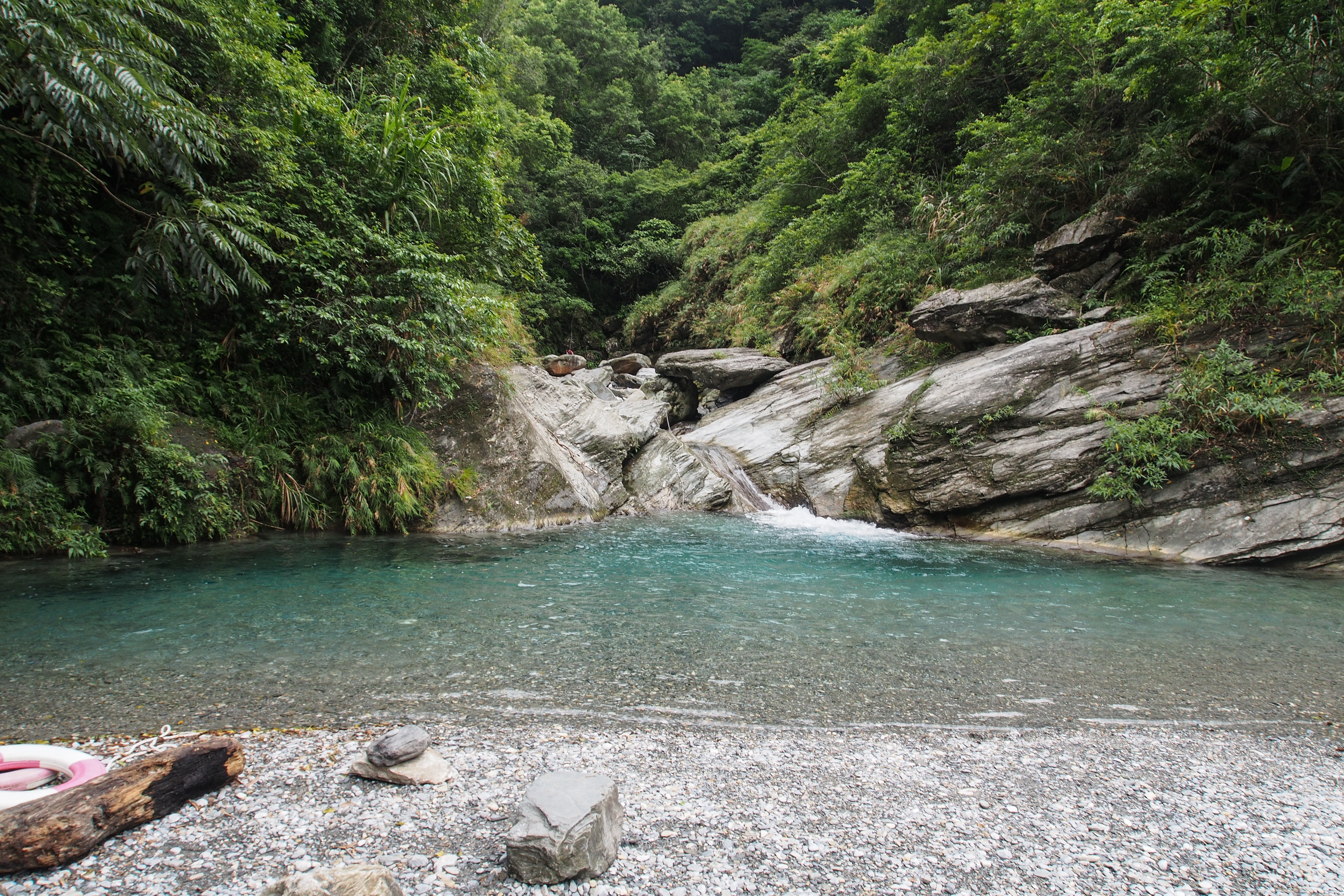
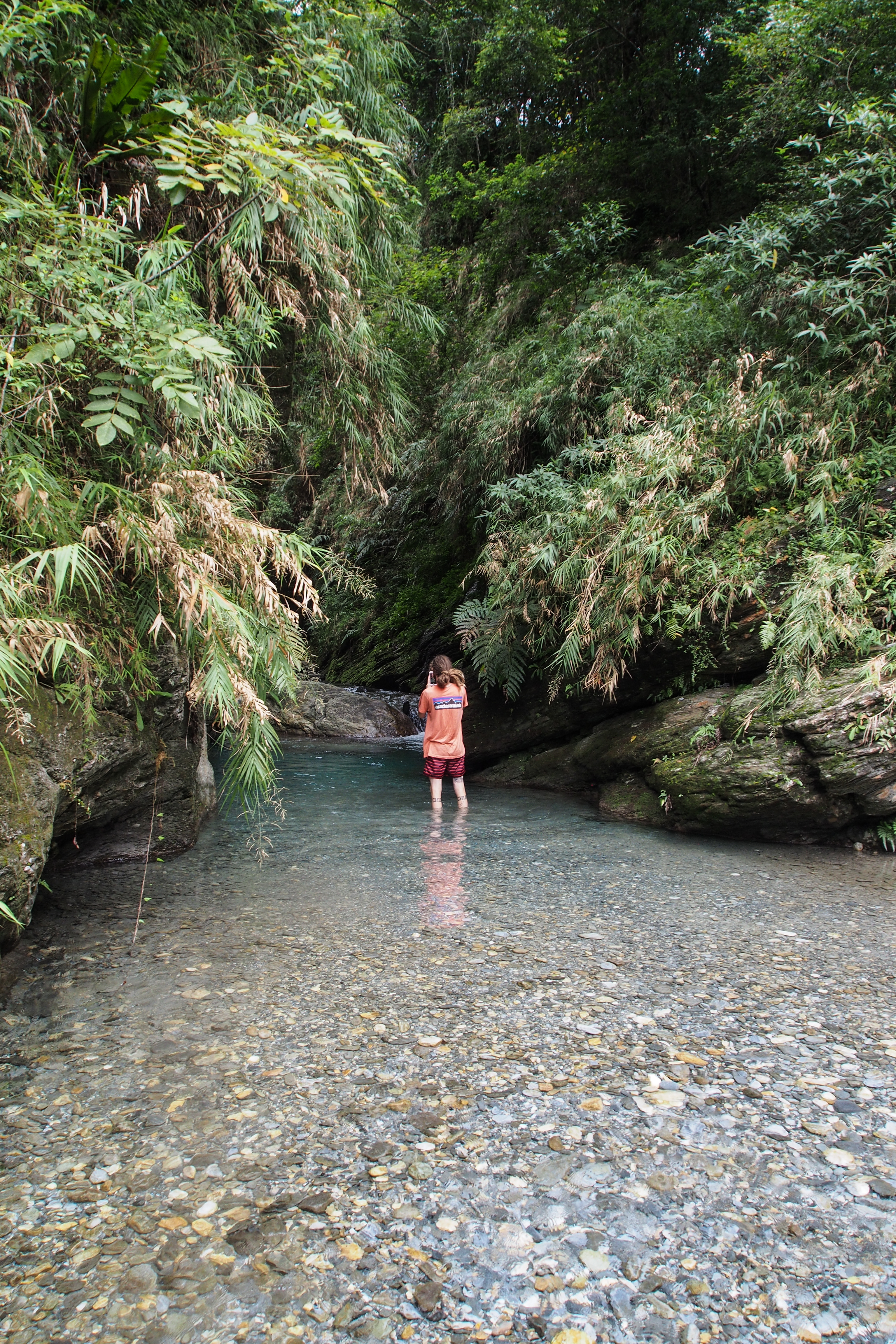
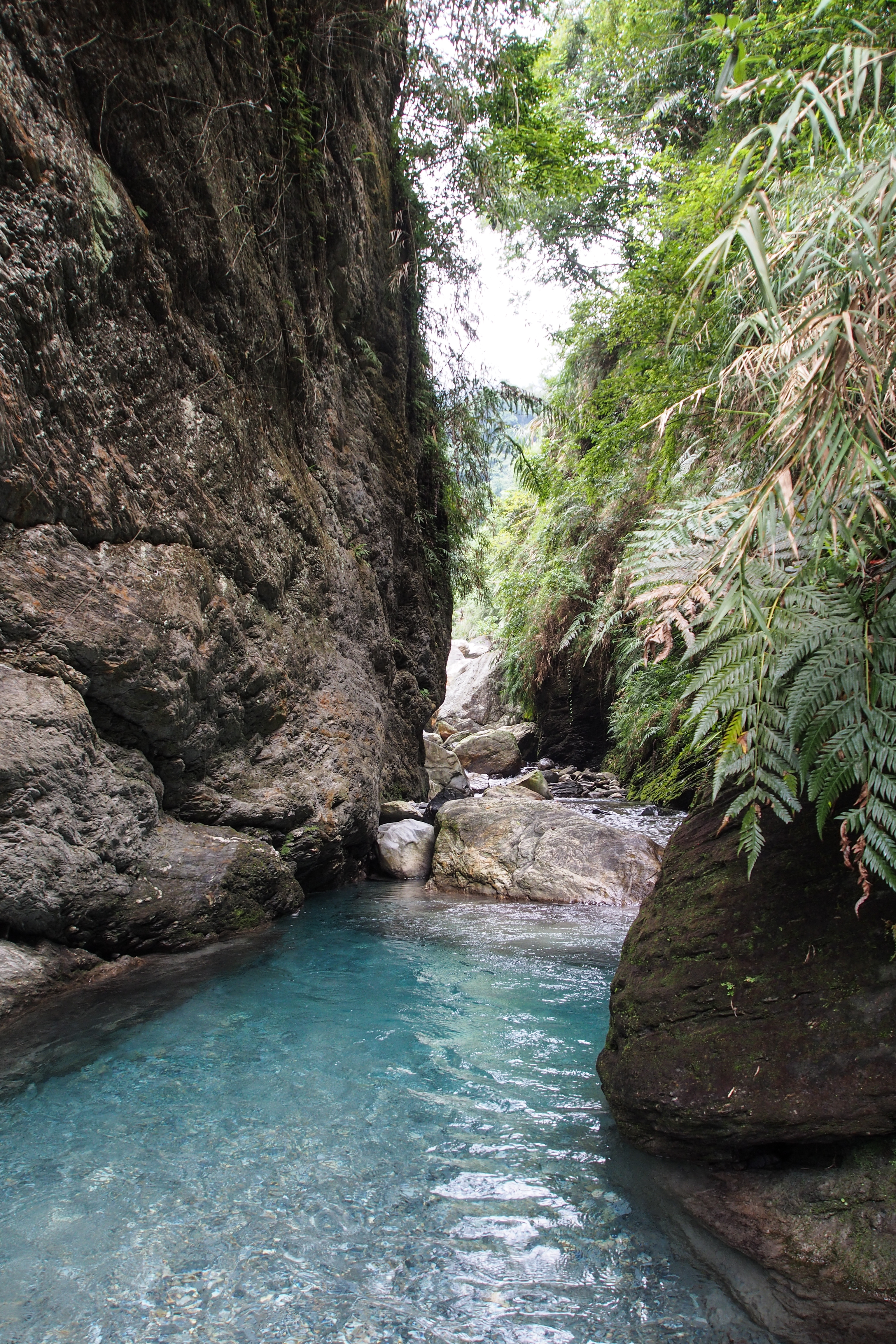
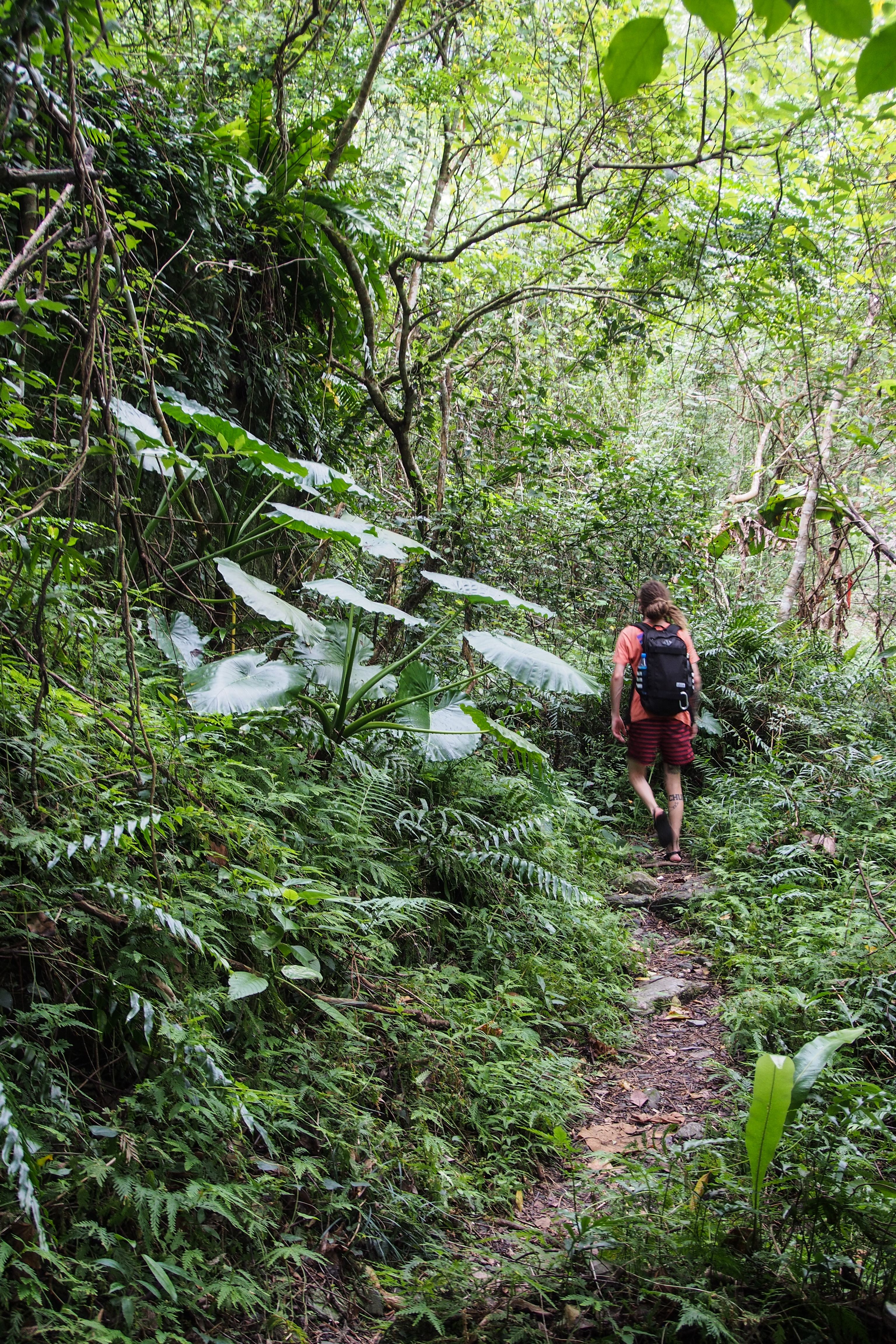
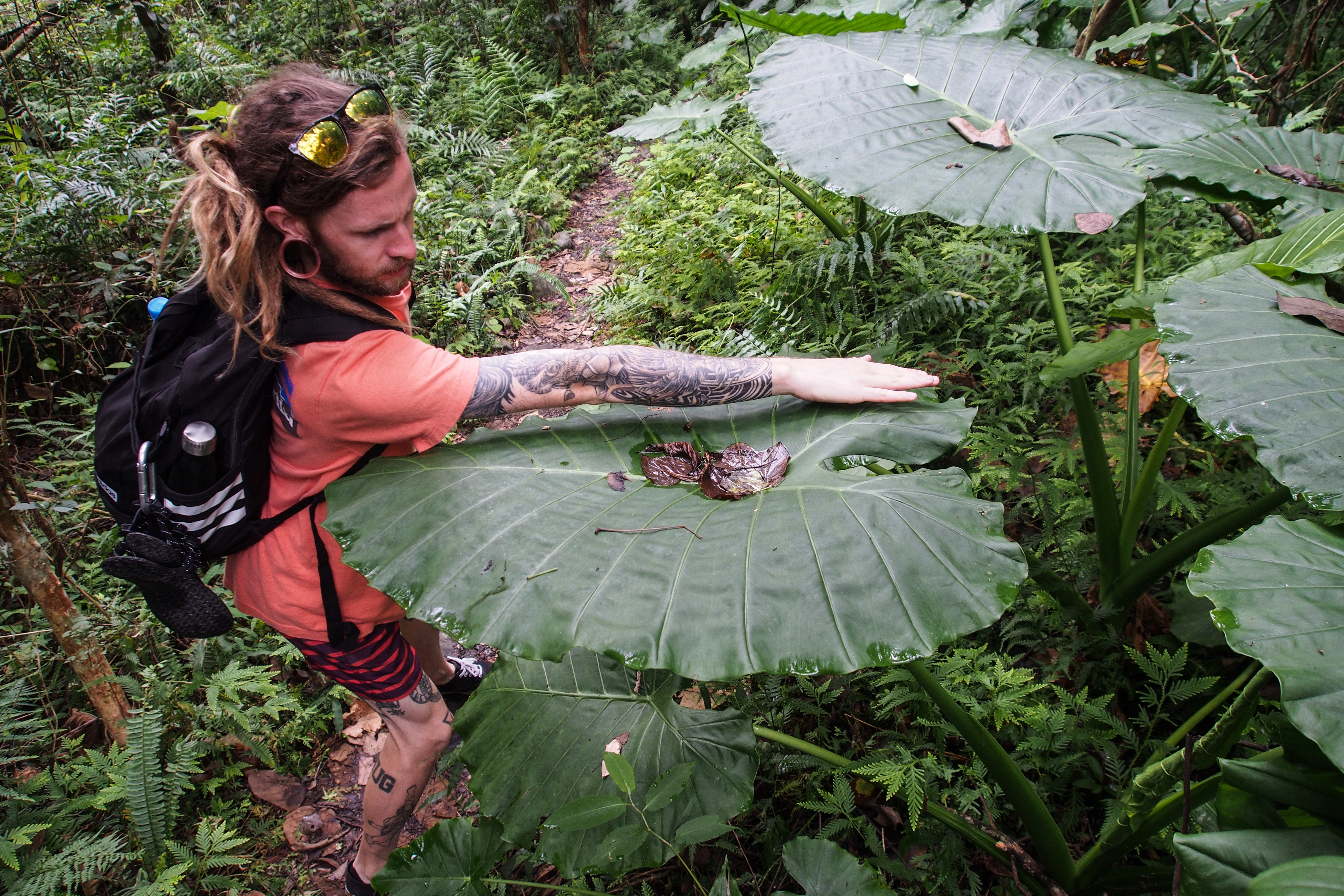
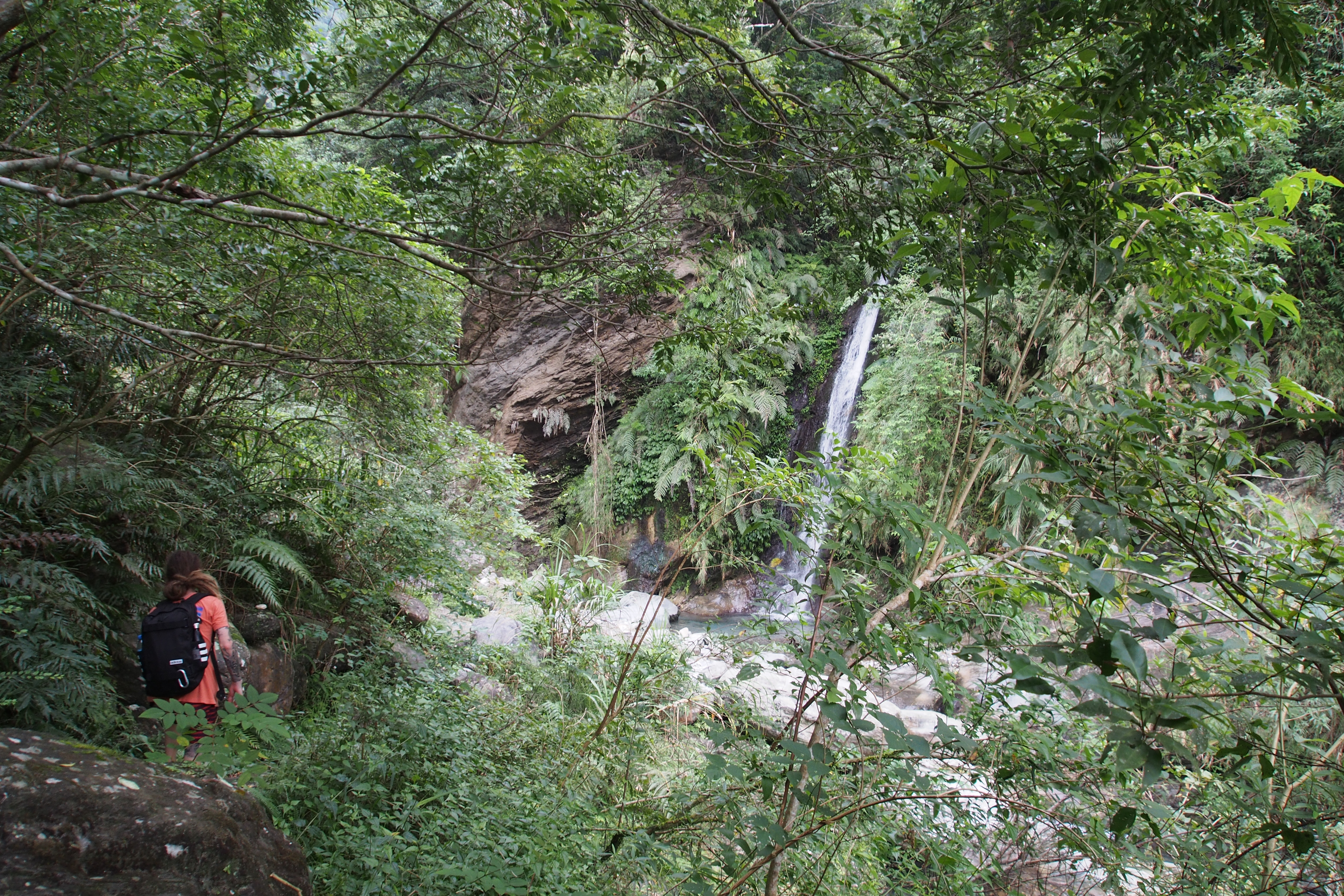
We continued up a steep trail that paralleled the creek, until we finally dropped down into the creek bed and began boulder hopping up the creek. The water was crystal clear and cold, jumbled full of boulders, with thick jungle on each side. After a short scramble we arrived at a small waterfall and swimming hole. The water was quite low compared to photos we had seen (my daughter and son-in-law had visited there a few months prior). We decided to continue on. We skirted around the rocks past the waterfall and on up the creek. After awhile we came to another deep swimming hole and small waterfall. We took a break there, ate some lunch, a swam a bit. We ran into a young woman from Canada here and chatted with her a bit. She was just traveling around Taiwan solo. We didn’t see anyone else the whole day after we left the tourists at the man-made waterfall.

OLYMPUS DIGITAL CAMERA

OLYMPUS DIGITAL CAMERA

OLYMPUS DIGITAL CAMERA

OLYMPUS DIGITAL CAMERA

OLYMPUS DIGITAL CAMERA

OLYMPUS DIGITAL CAMERA

OLYMPUS DIGITAL CAMERA

Doesn’t look very deep, but this was a nice swimming hole, about 5′ deep

At this point it was rather dicey following the stream up, so we scouted around and found a trail that went up and around the waterfall. We followed this trail through beautiful jungle until it finally spit us out back at the stream at the base of Zimu Falls, 子母瀑布 zǐmǔ pùbù.  We had the place to ourselves and it was a great finale to our hike. It was an overcast, slightly cool day. Not the best for swimming in cold water, but great for a nice hike and bike ride.

OLYMPUS DIGITAL CAMERA

OLYMPUS DIGITAL CAMERA

OLYMPUS DIGITAL CAMERA

OLYMPUS DIGITAL CAMERA

OLYMPUS DIGITAL CAMERA

OLYMPUS DIGITAL CAMERA

OLYMPUS DIGITAL CAMERA


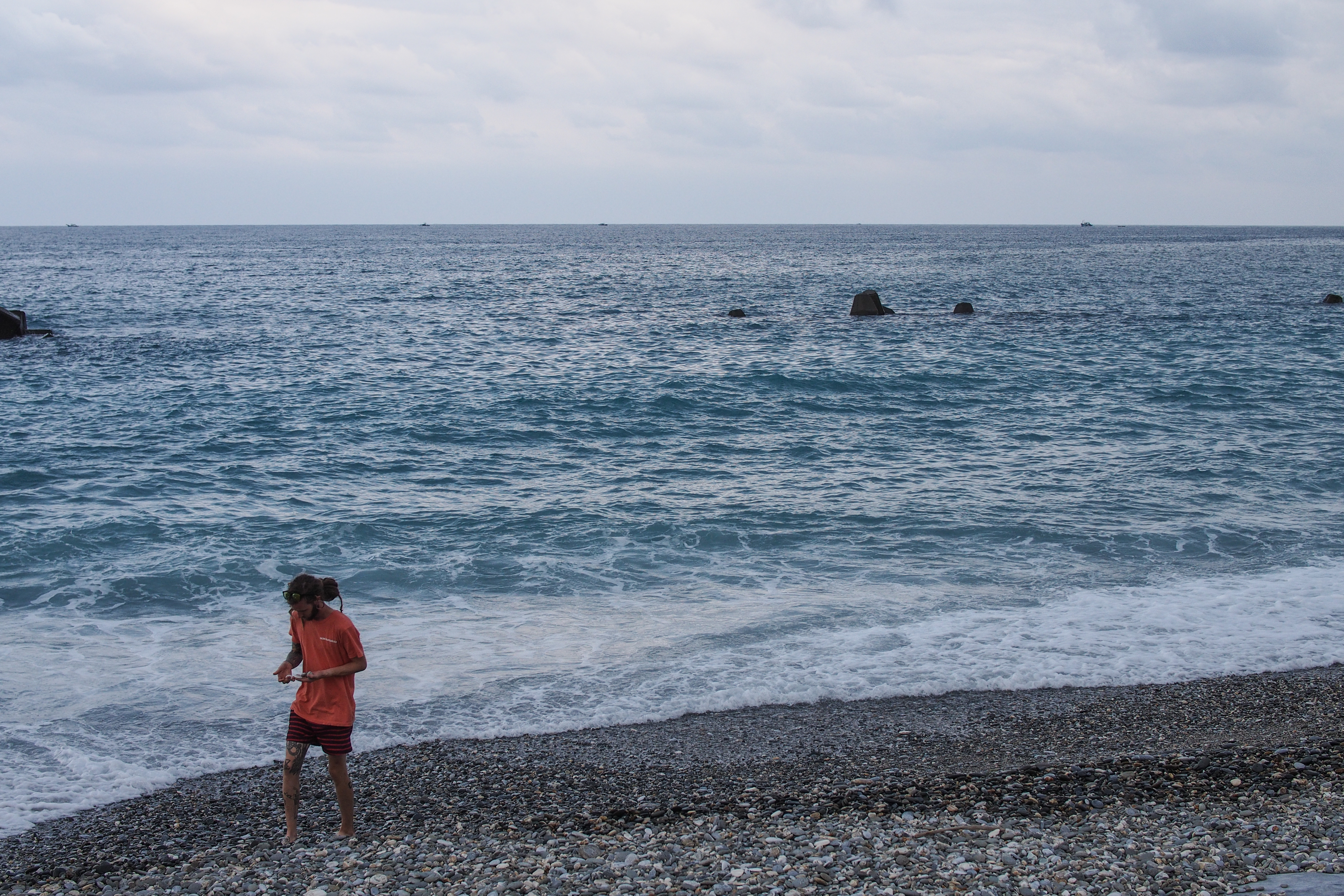
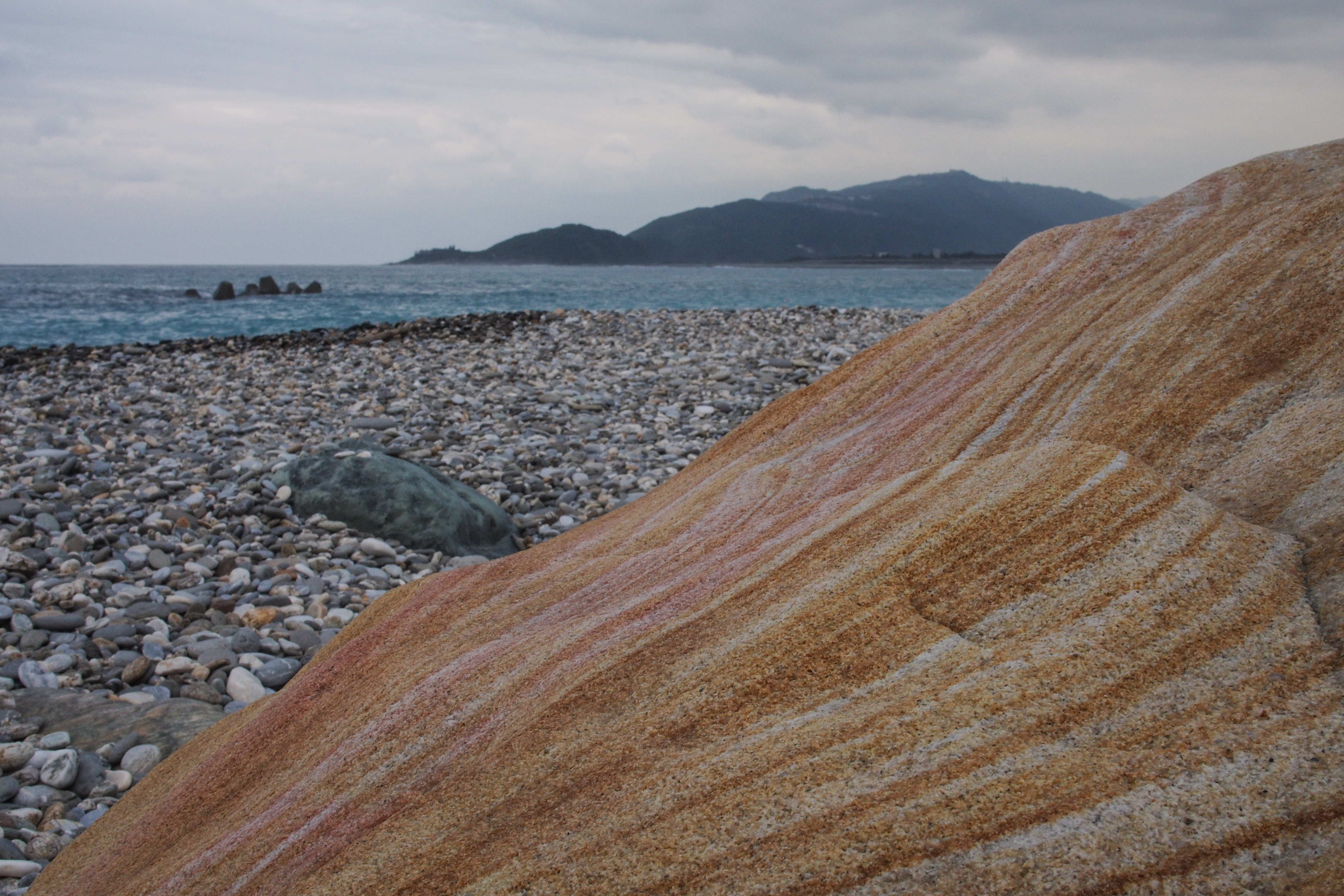
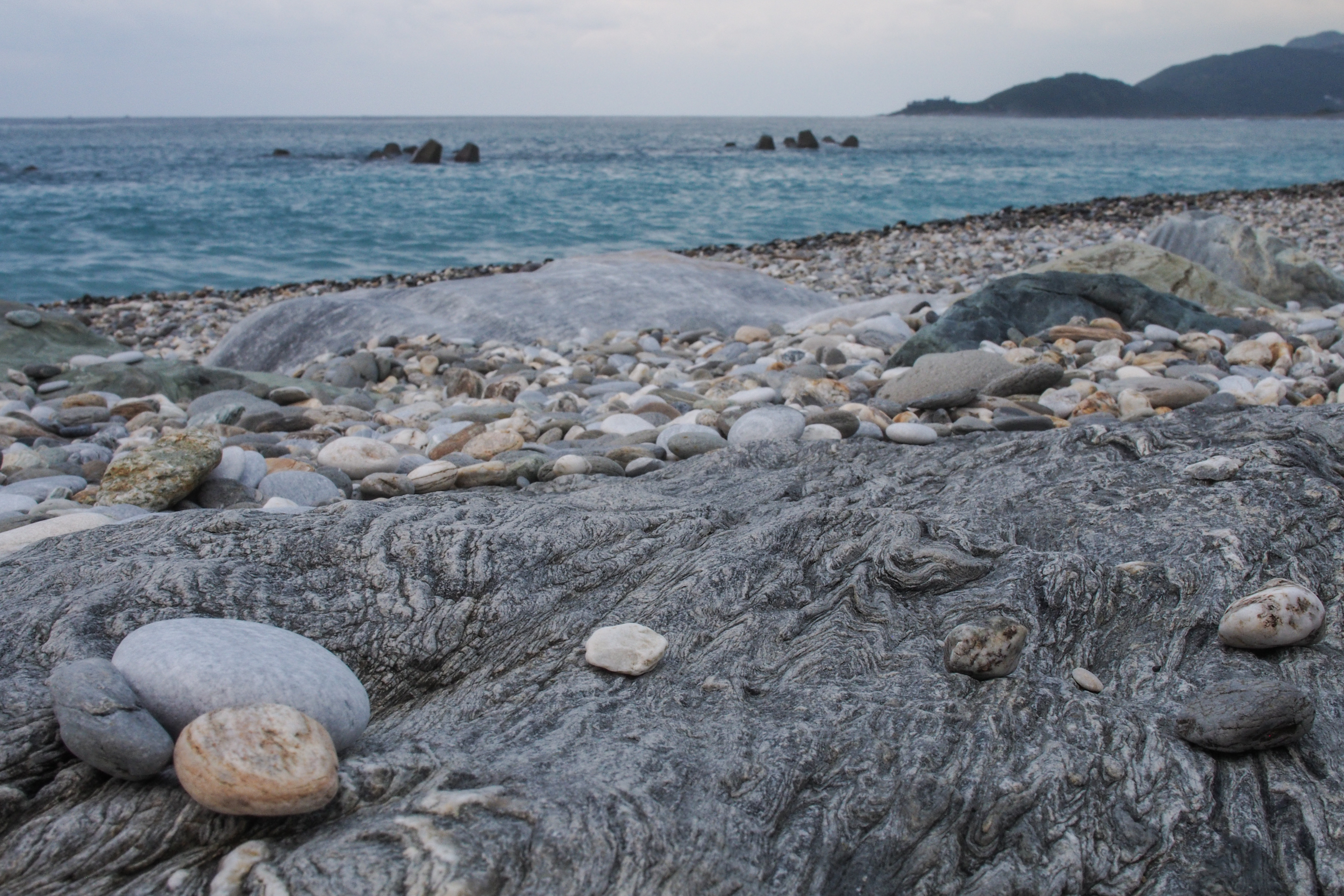
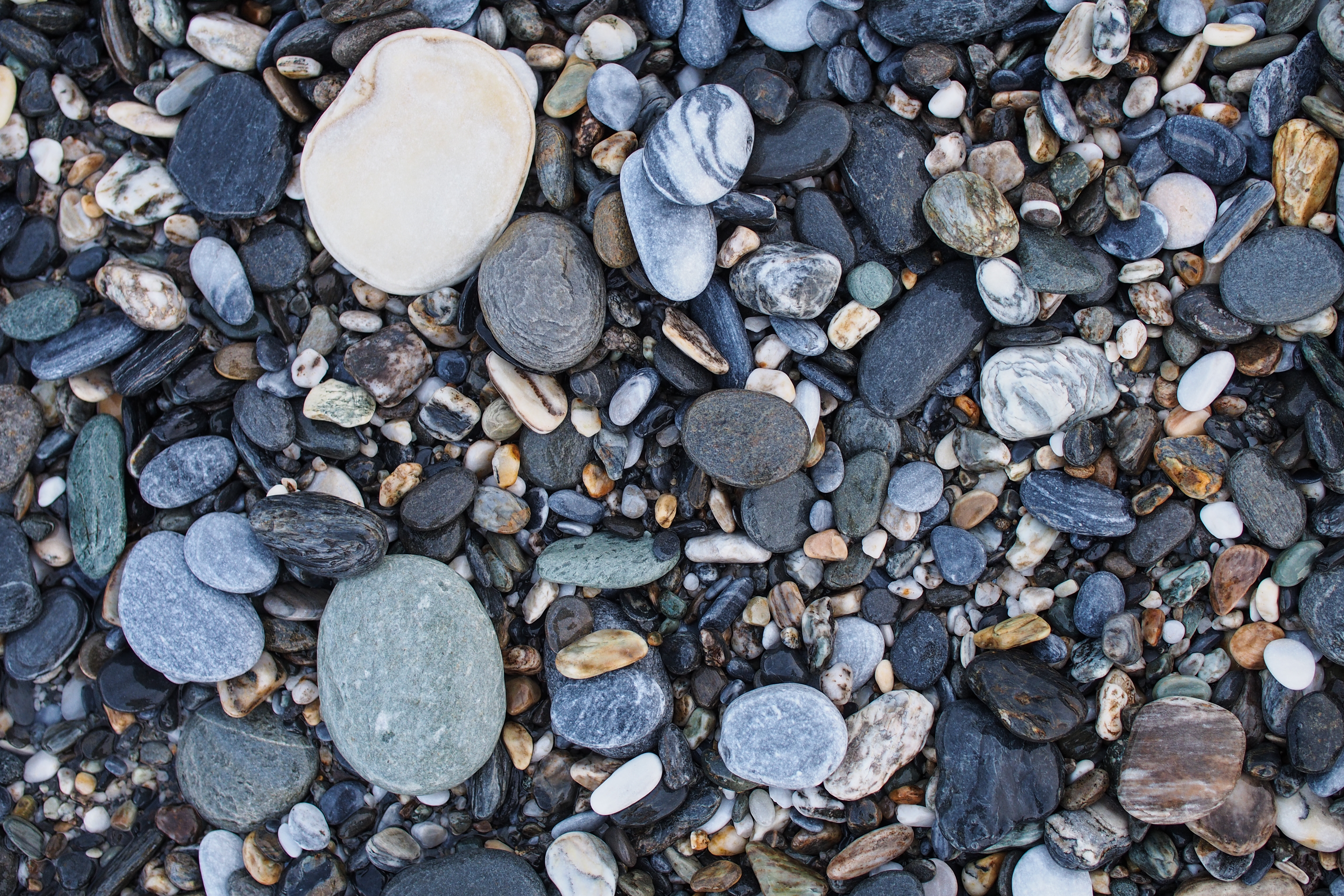
We hiked back down the valley, sometimes on a trail and other times through the stream bed. Once back on our bikes we decided to ride out to the beach in Hualien. We stopped at a Family Mart to get some food and liquids on the way. The convenience stores in Taiwan, particularly Family Mart and 7-11 have surprisingly good food and services (another post will address that). We then rode down to Nanbin Park along the coast on the south side of Hualien. We had a nice time walking around, and just relaxing at the beach. This was not your typical sandy beach. Instead it was covered with small multicolored stones. They were really beautiful, but knocked about your feet and ankles in the surf.

OLYMPUS DIGITAL CAMERA

OLYMPUS DIGITAL CAMERA

OLYMPUS DIGITAL CAMERA

OLYMPUS DIGITAL CAMERA

OLYMPUS DIGITAL CAMERA

As the day was closing we rode all the way back to the bike shop near the train station to return the bikes. It was a long and enjoyable day. In all we rode about 25 miles. Hualien is a really nice place and we really enjoyed our time there. I would like to take a bike trip down the coast to Taidong and beyond.


Taiwan: getting out of the city—Taroko Gorge

OLYMPUS DIGITAL CAMERA

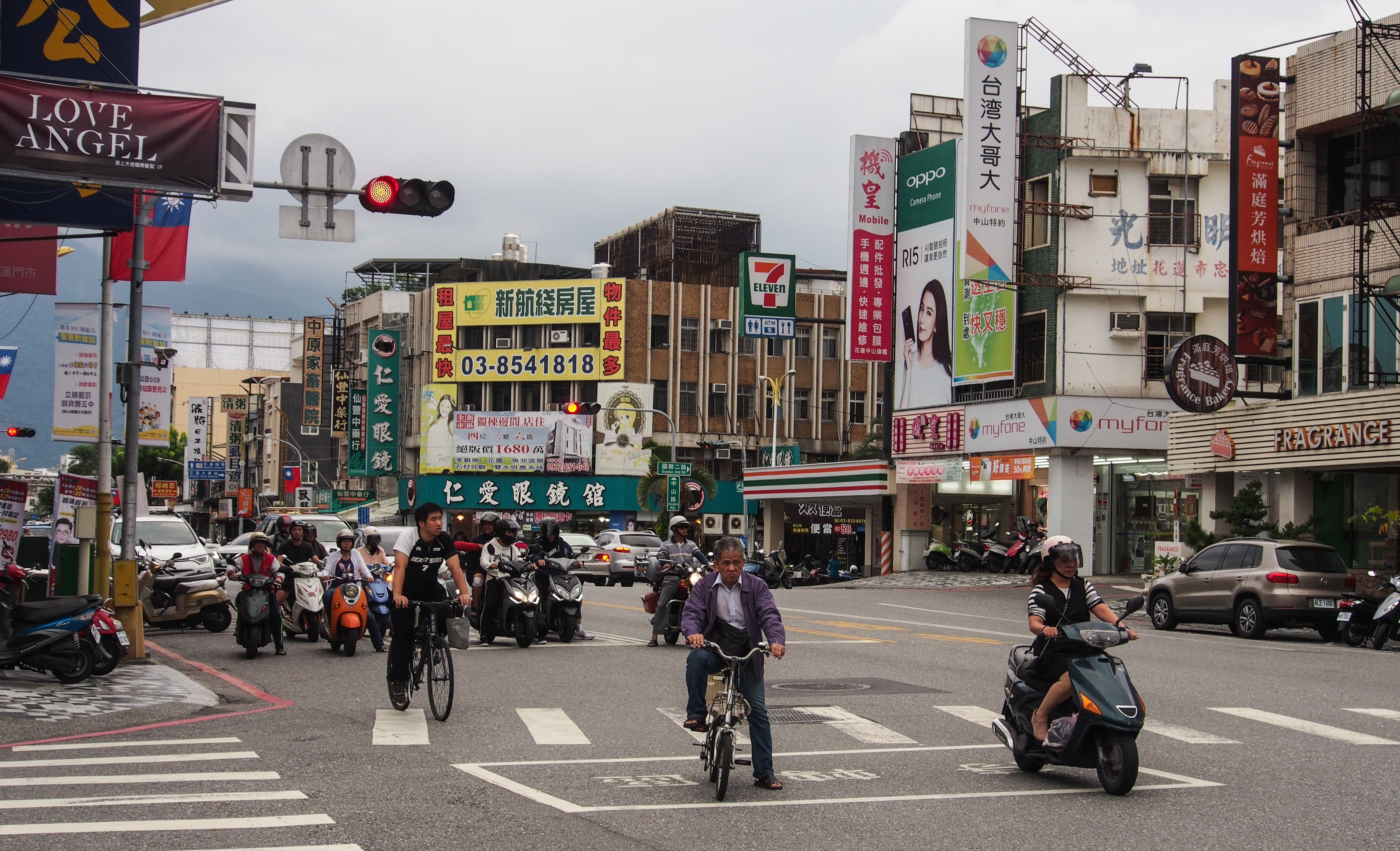
Hualien is the largest city on Taiwan’s east coast with a population of about 110,000. That’s pretty small for Taiwan, especially when you consider Taiwan’s big cities have millions of residents. It has a relaxed, less rushed feel than other parts of Taiwan, and it’s a gateway to many beautiful scenic areas on Taiwan’s east coast.

OLYMPUS DIGITAL CAMERA

OLYMPUS DIGITAL CAMERA

OLYMPUS DIGITAL CAMERA

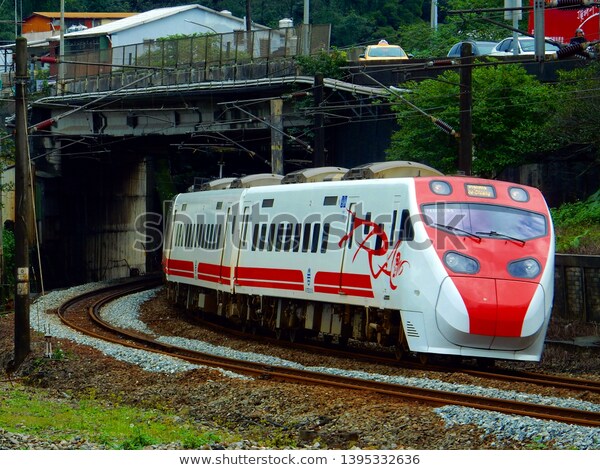
Last Fall my son and I spent a few days playing in and around Hualien. We booked seats on the Puyuma Express (普悠瑪號 púyōumǎhào) train from Taipei Station for the two hour ride. These trains are very nice and comfortable. It is a special class of tilting train that goes as fast as 150 km per hour (93 mph) that runs exclusively between Taipei and Hualien.

taipei-taiwan-january-21-2018-600w-1395332636

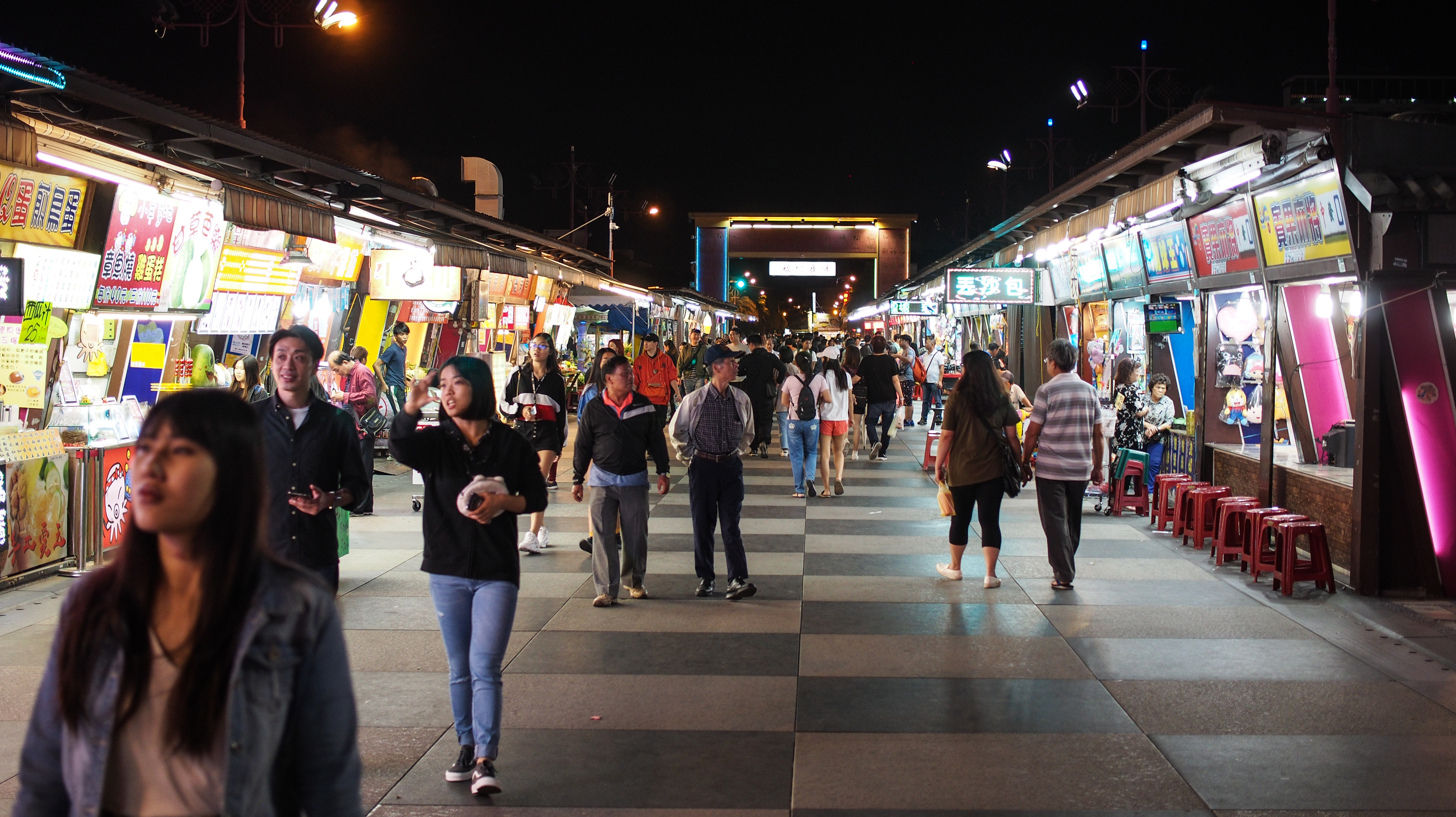
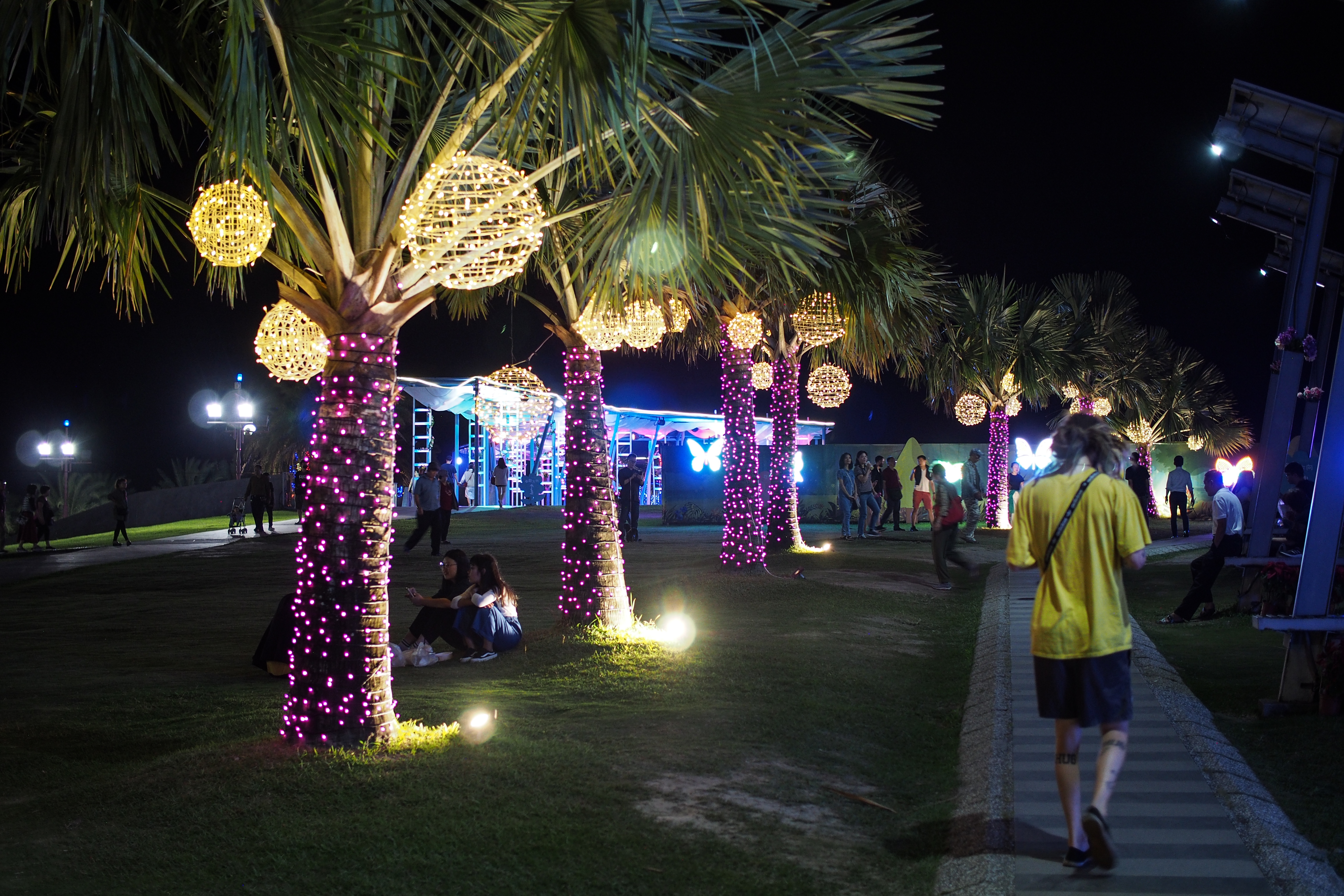
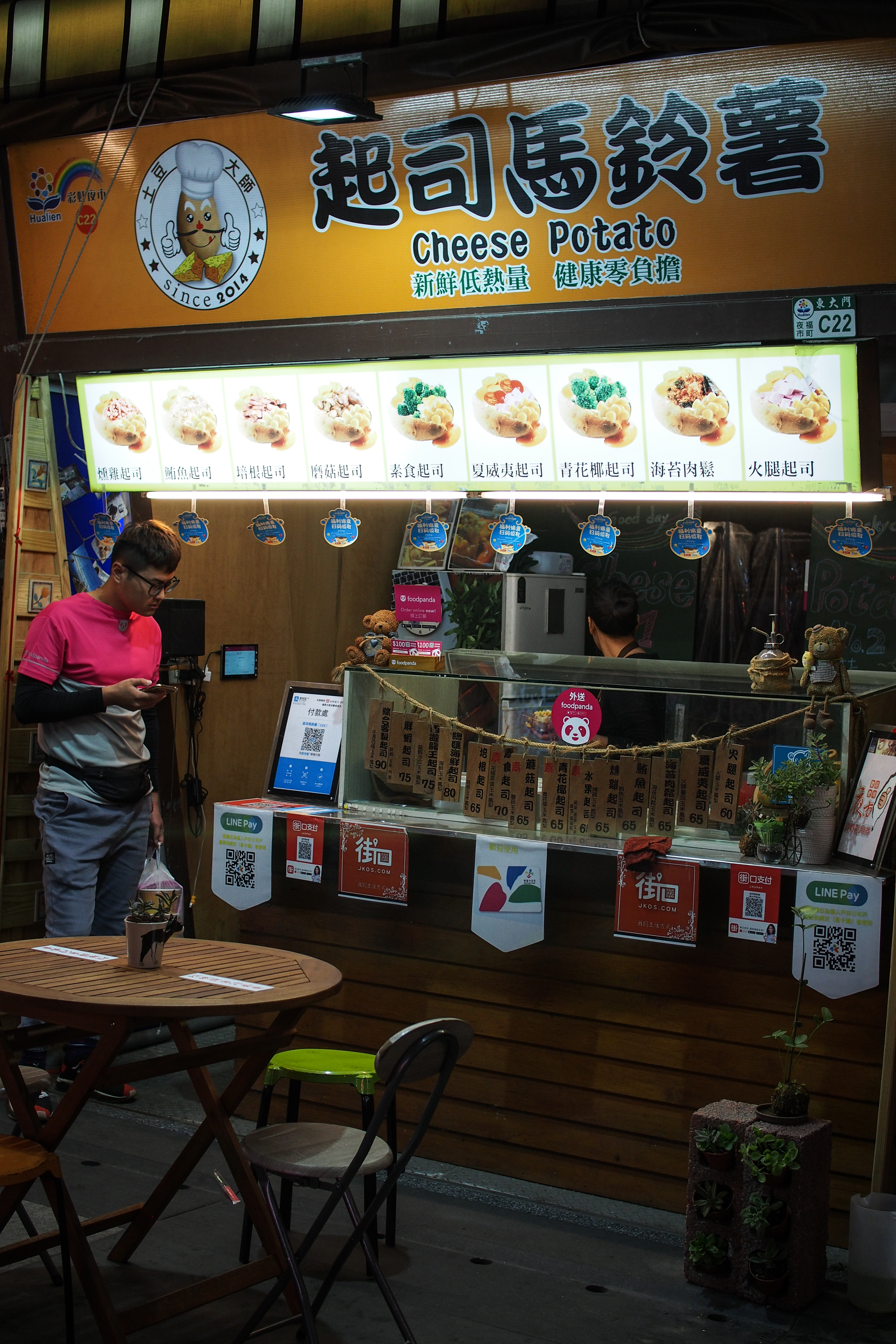
The night market in Hualien may disappoint a bit because it is rather small, with limited options, but it did have some nice things that I haven’t seen in other markets. But hey, it’s a night market with delicious food, and you don’t find those here in the U.S.

OLYMPUS DIGITAL CAMERA

OLYMPUS DIGITAL CAMERA

OLYMPUS DIGITAL CAMERA

OLYMPUS DIGITAL CAMERA

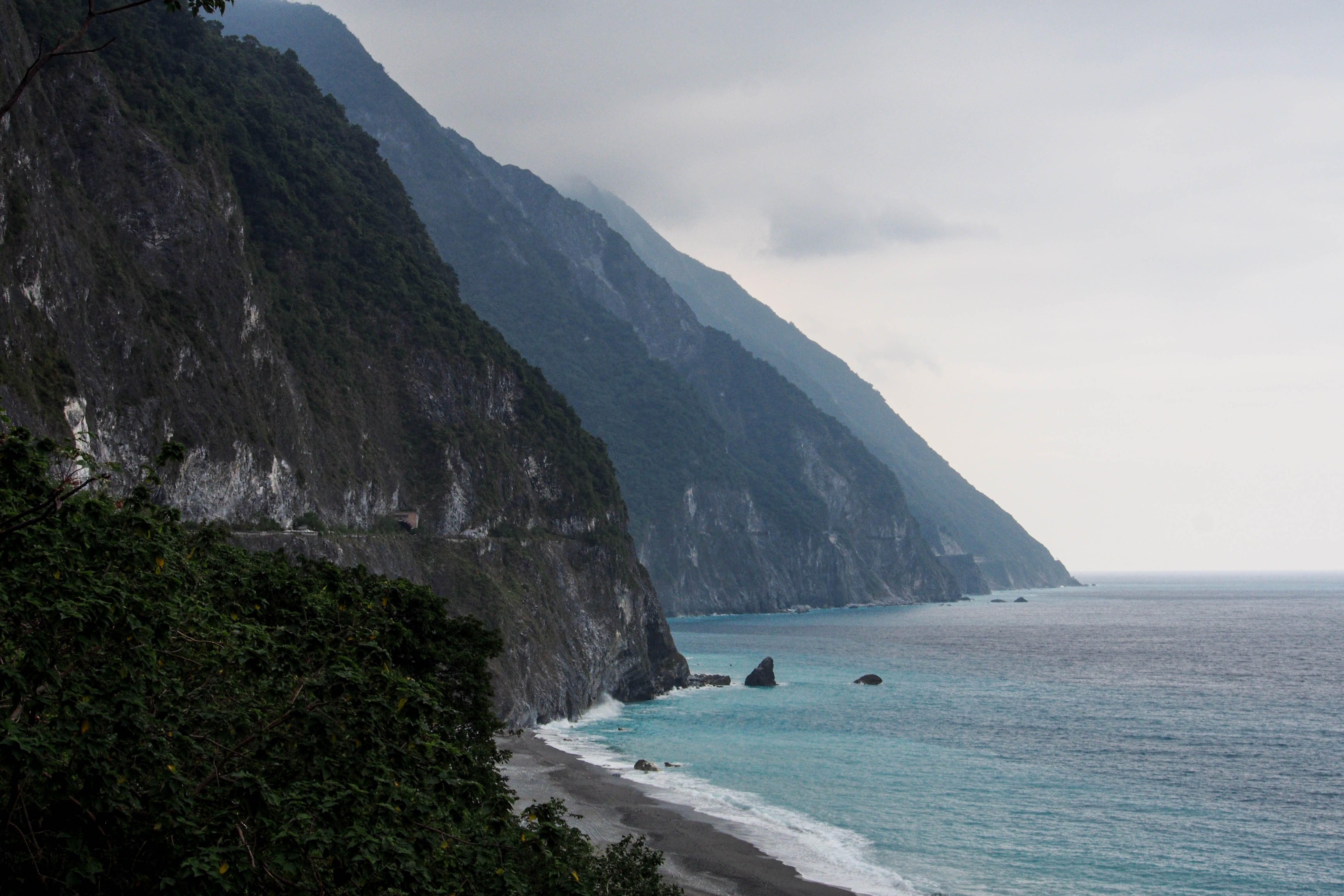
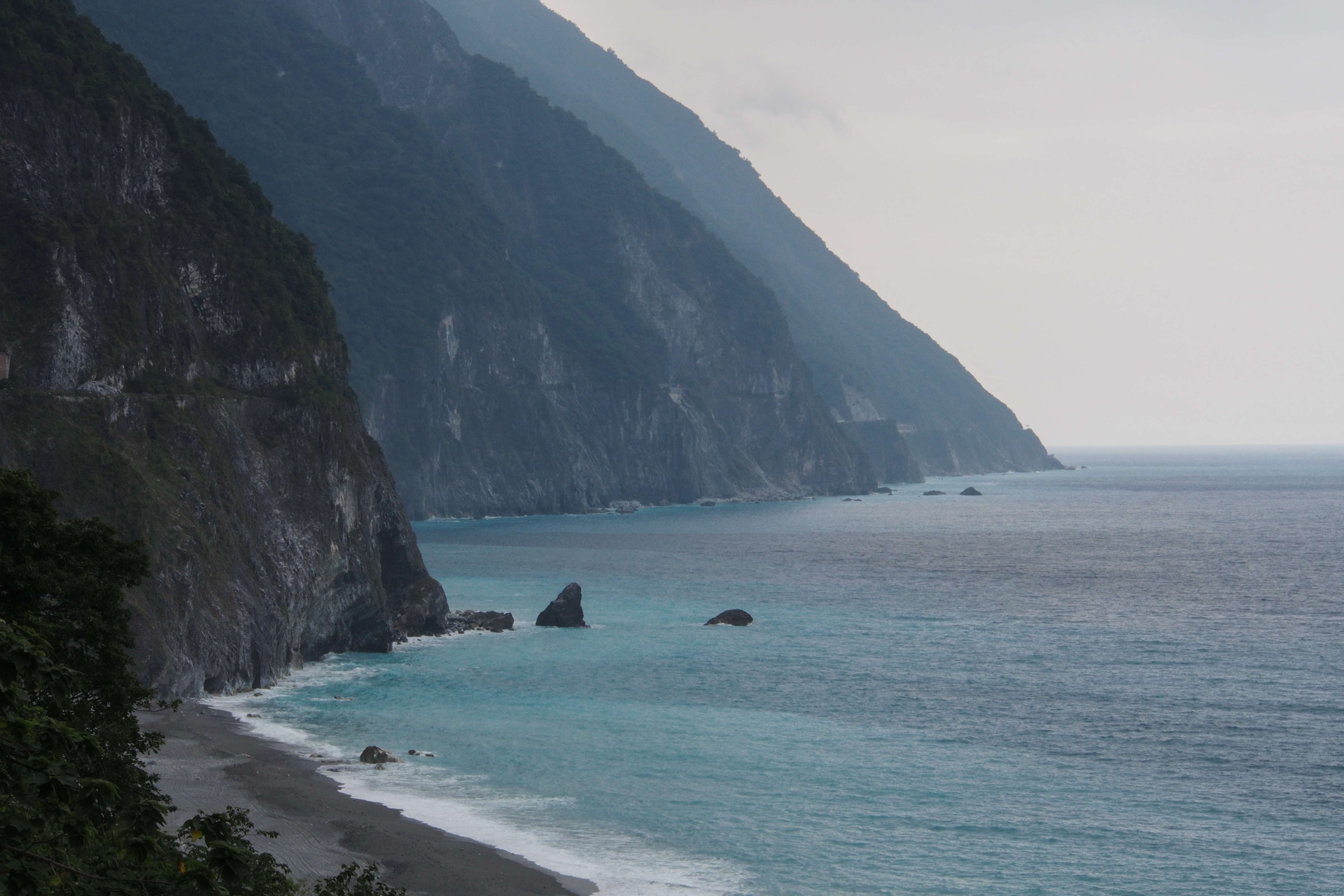
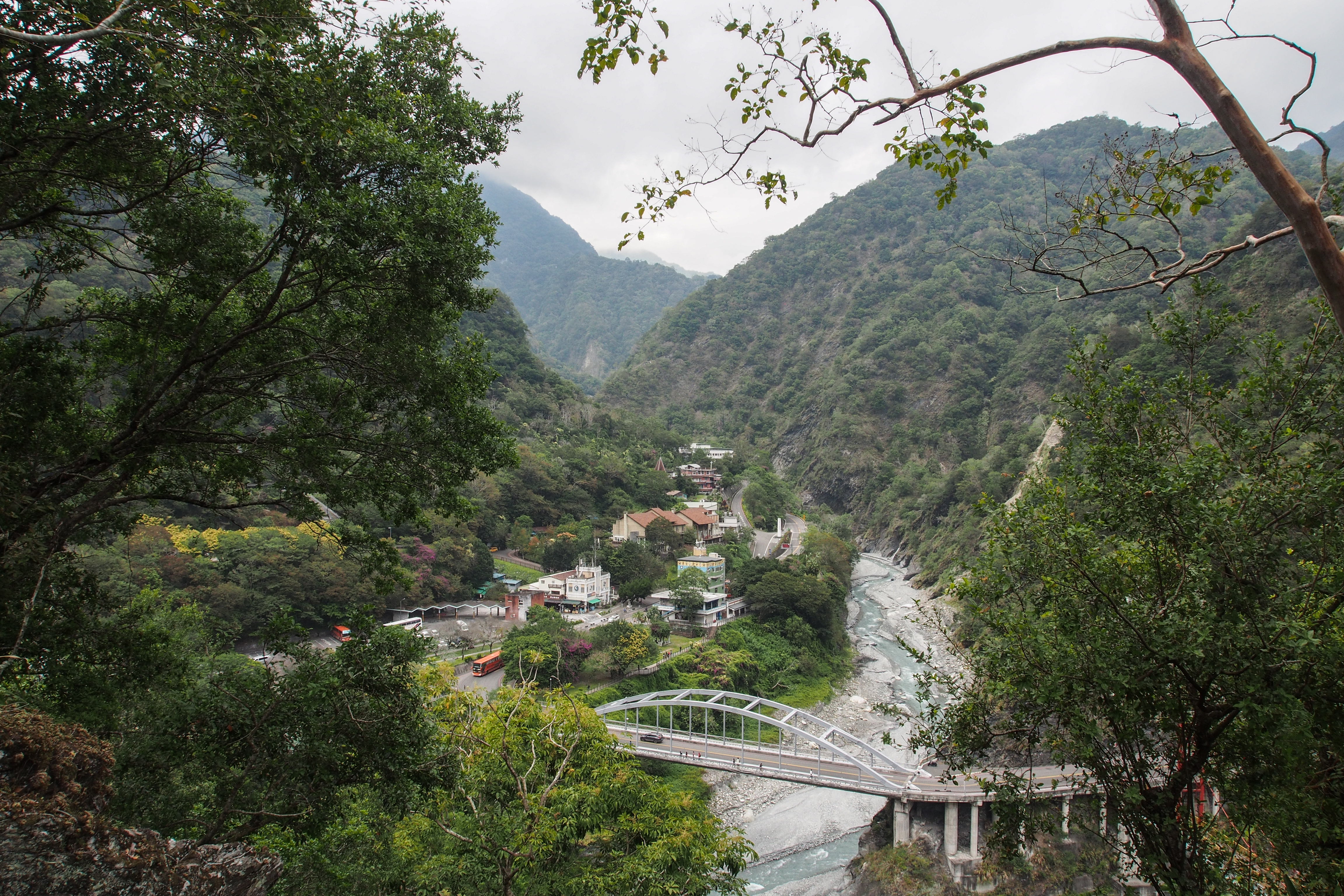
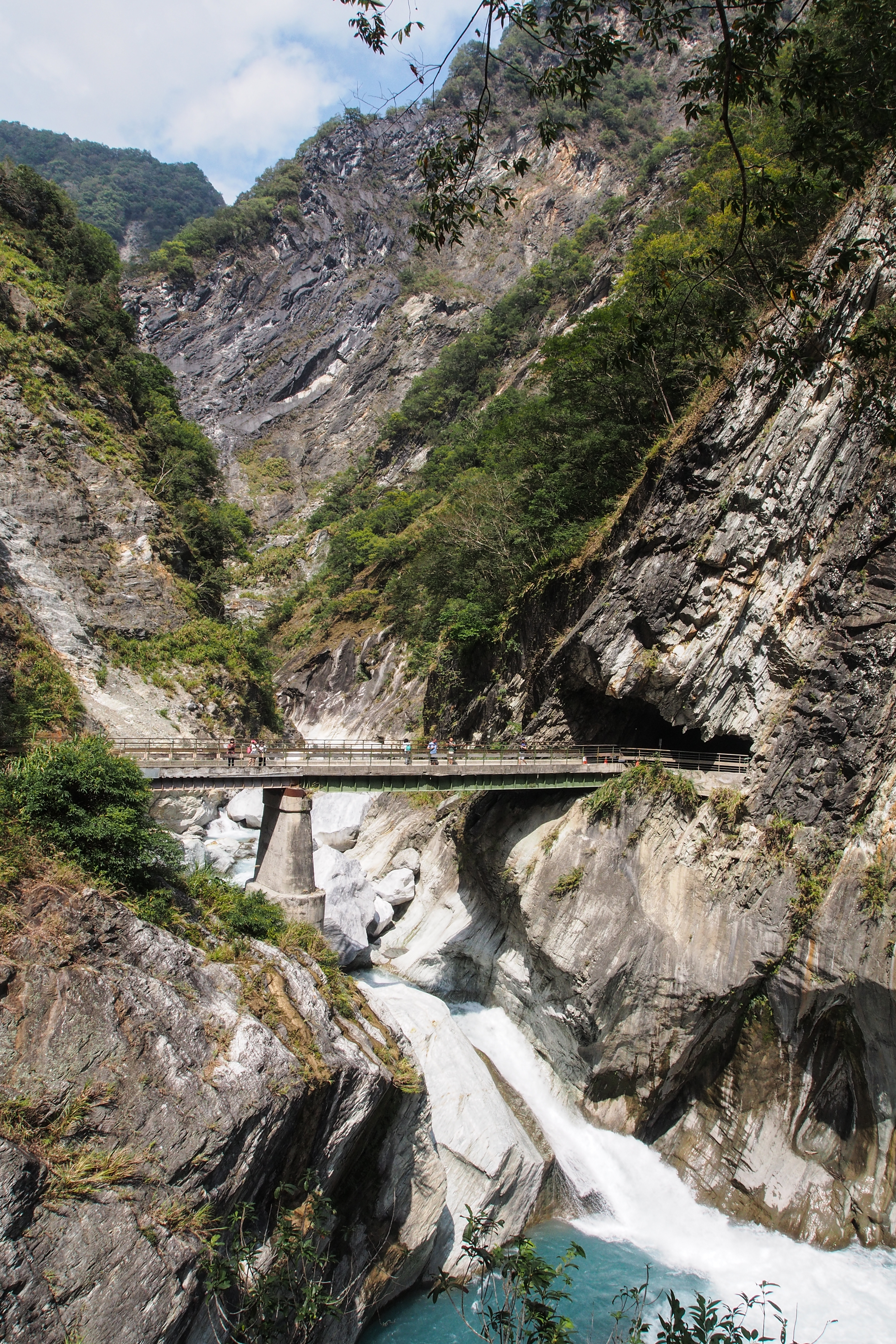
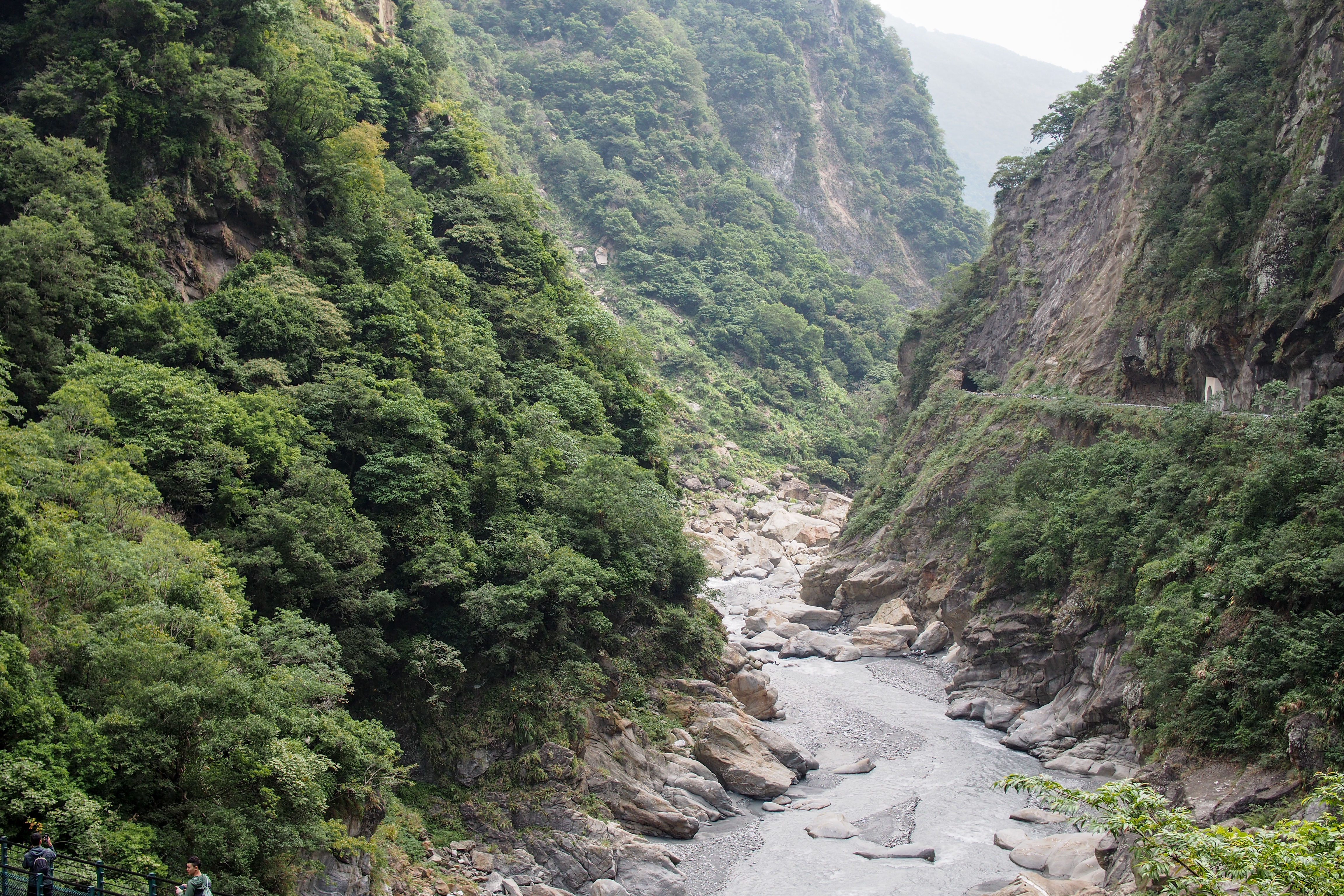
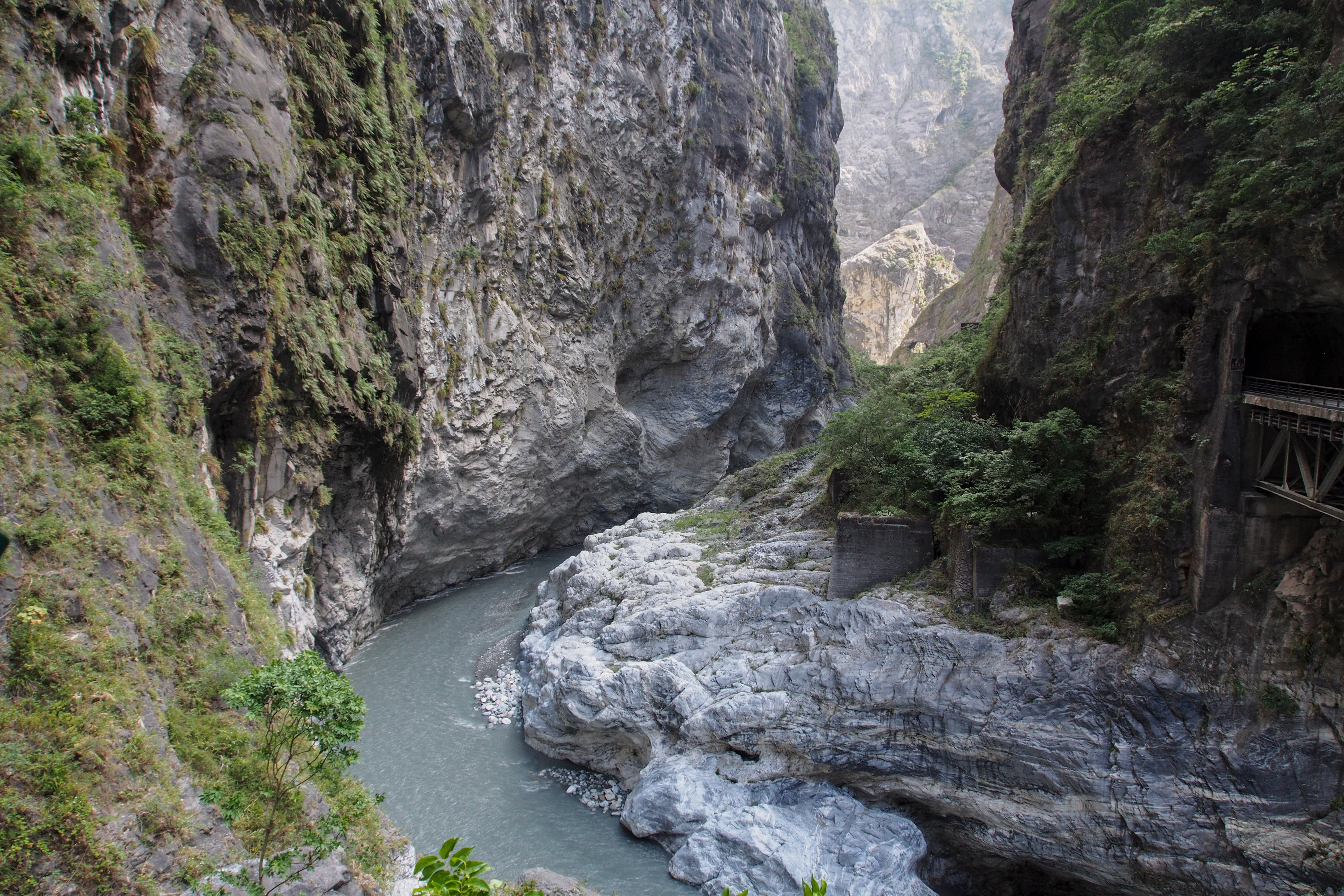
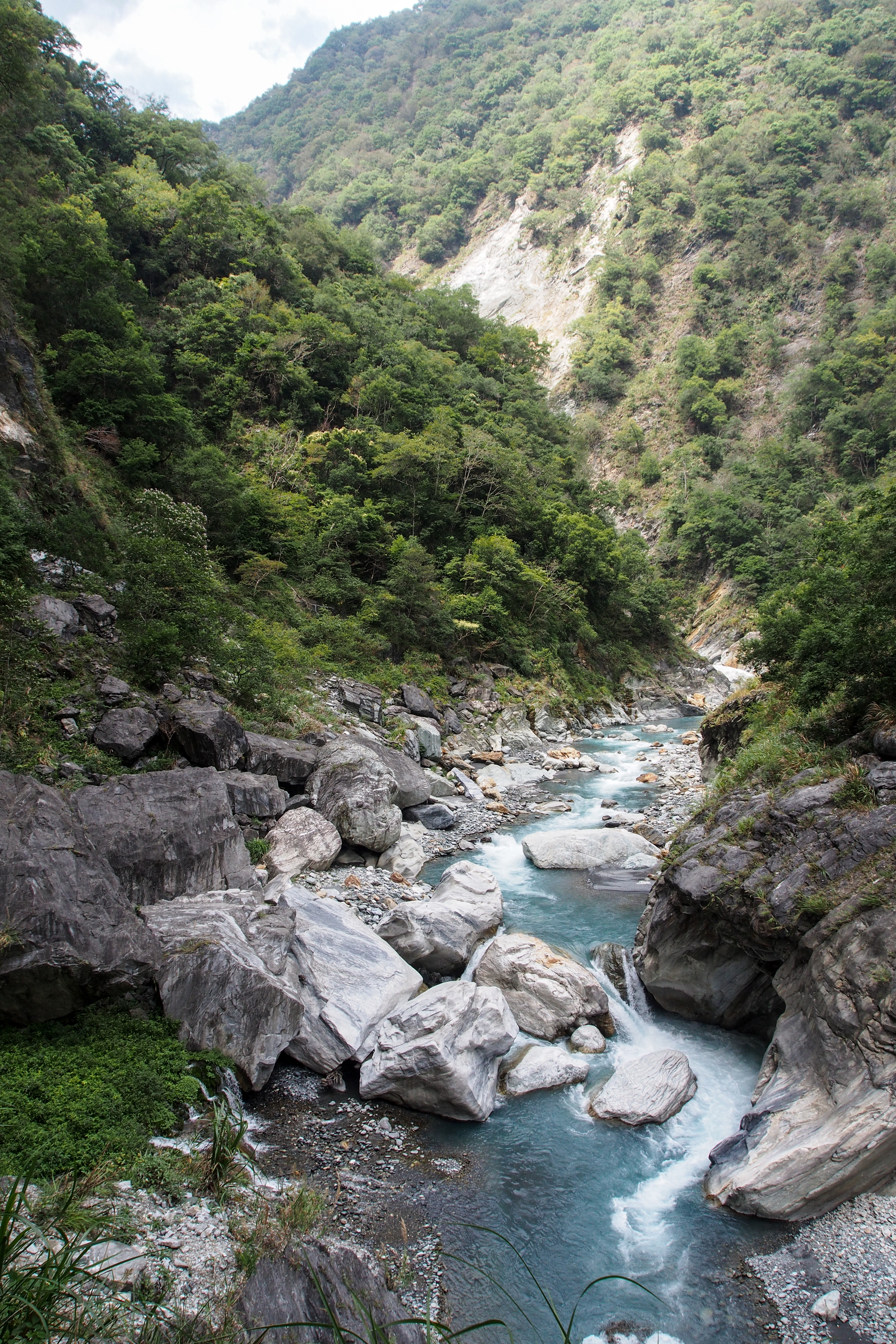
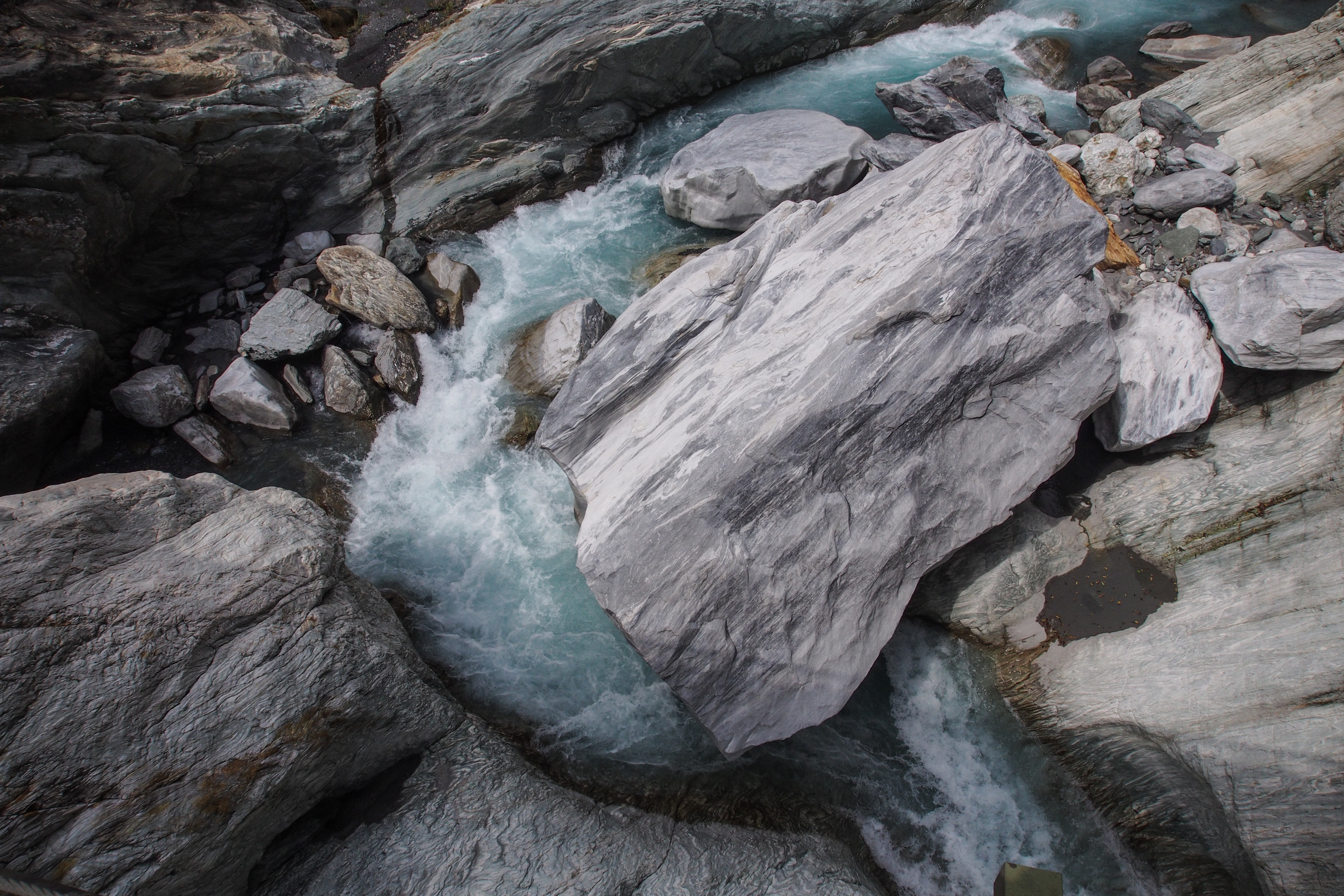
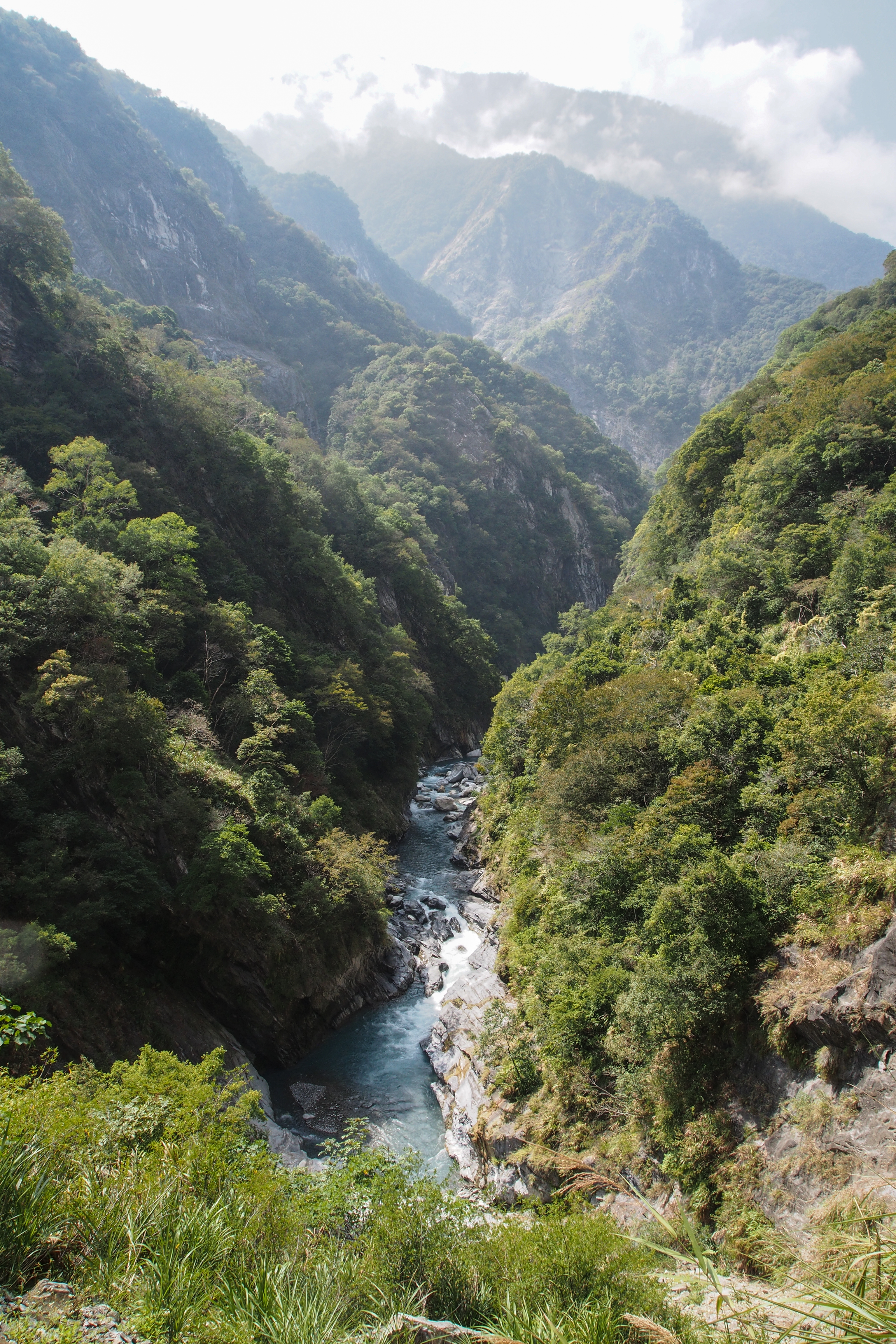
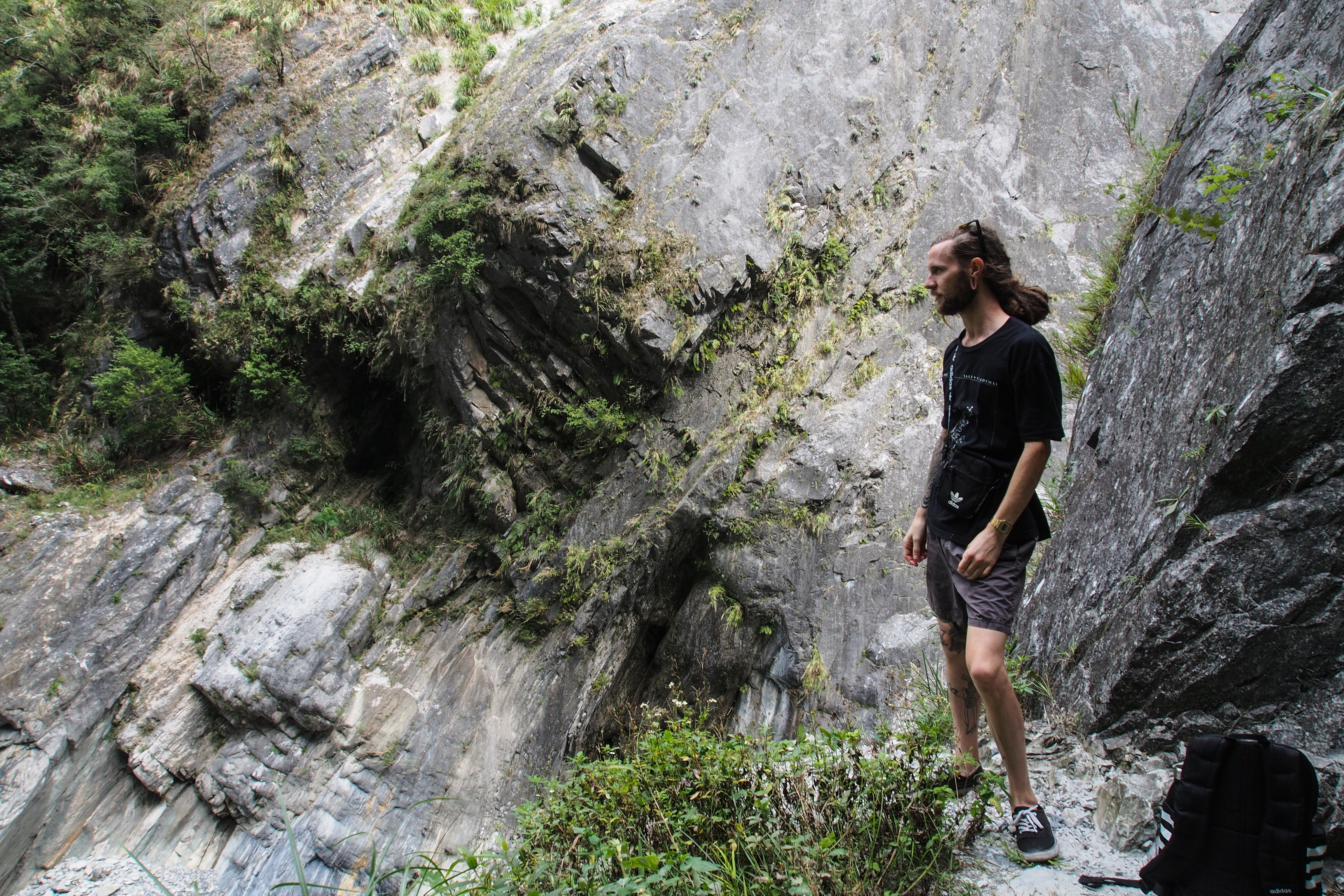
We spent a day in Taroko Gorge National Park (太魯閣國家公園 tàilǔgě guójiāgōngyuǎn) and another day at an area called Emerald Valley (翡翠谷 fěicùigǔ).  We rented a scooter at one of the many shops near the train station and rode about an hour along a highway with nice wide bike/scooter paths along the side to the mouth of the Gorge. It was an enjoyable ride up the Gorge. We pulled off the road multiple times to check out the outstanding views of the river and gorge. One of the interesting things about Taroko Gorge is that the cliffs and rocks along the rivers are marble, as in beautiful white and gray polished marble, not too unlike the marble you’d see on a kitchen counter top. There is a lot to see in Taroko Gorge and we could have easily spent a couple days up there, but we only had a day, so besides riding around, we stopped at two places, the Tianxiang area (天祥 tiānxiáng) and the Baiyang Waterfall Trail (白楊步道 báiyáng bùdào).

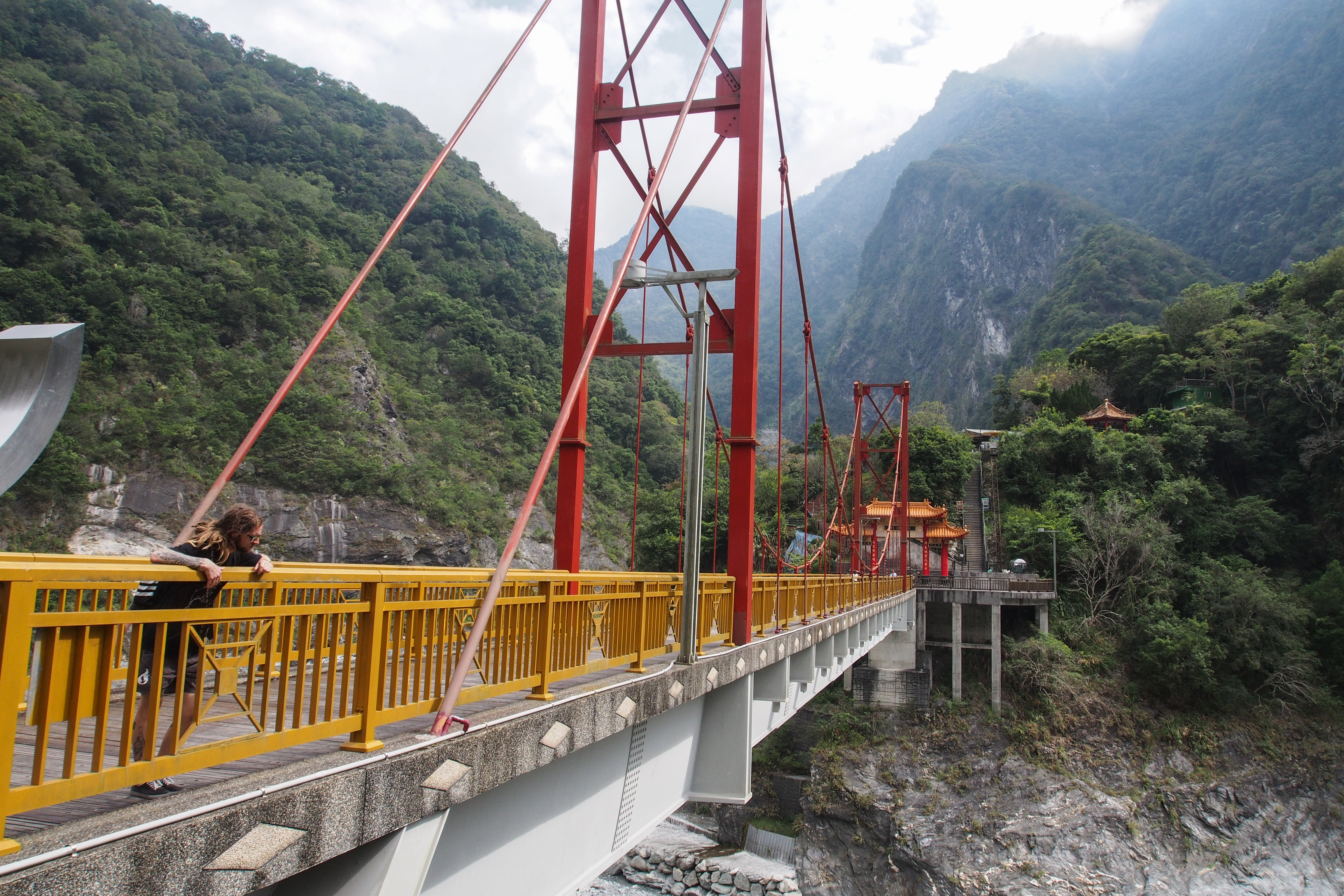
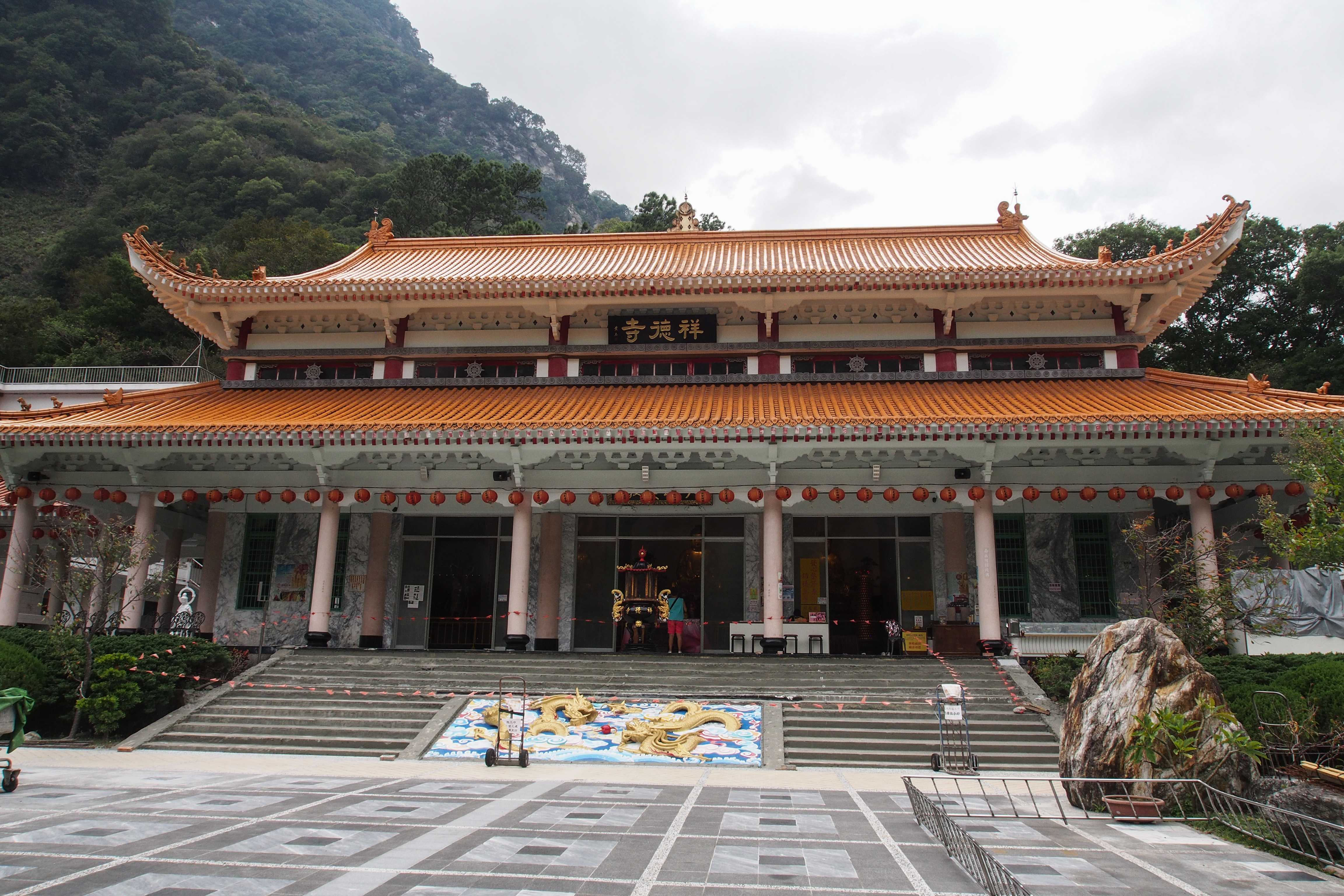
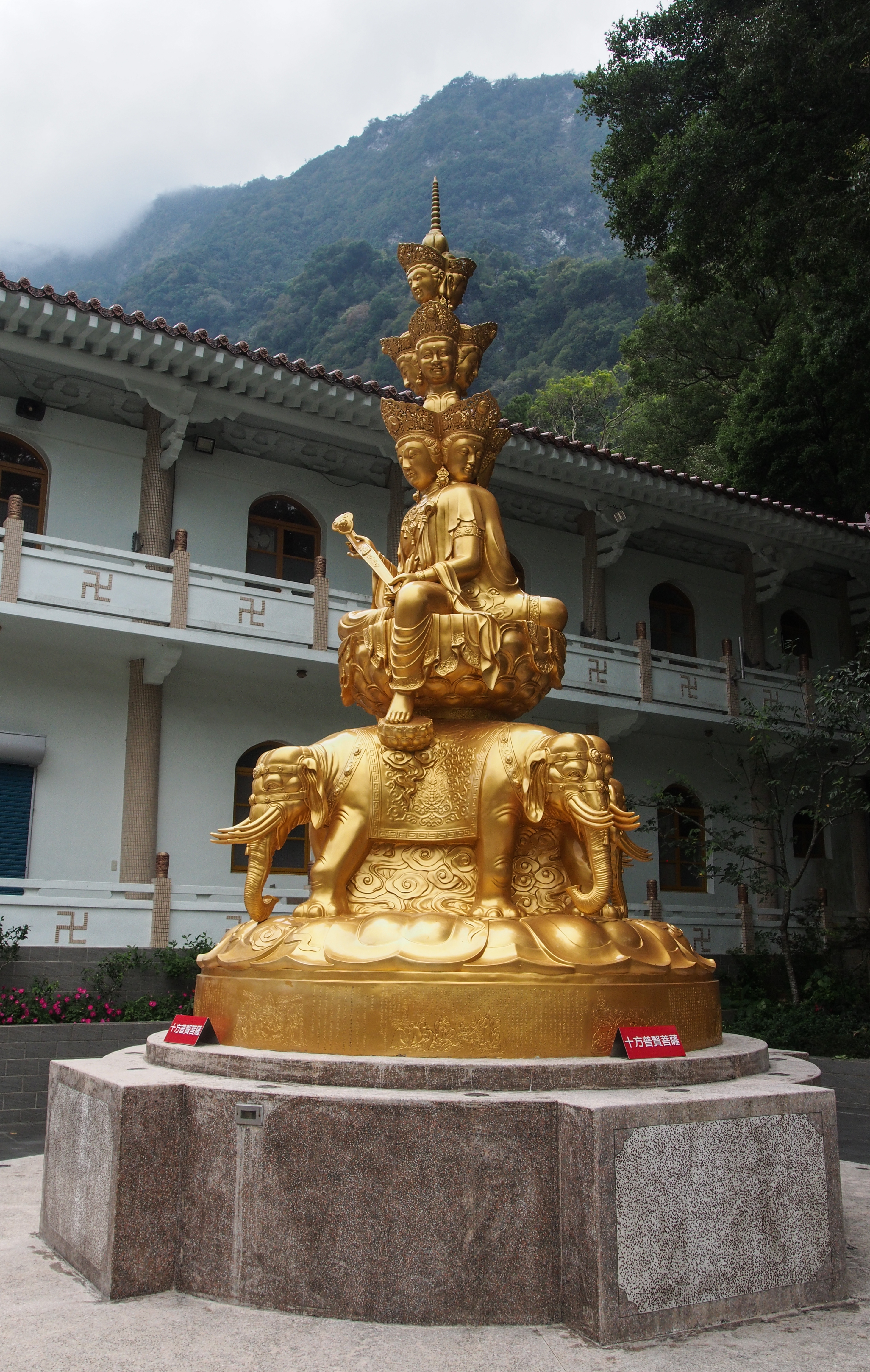
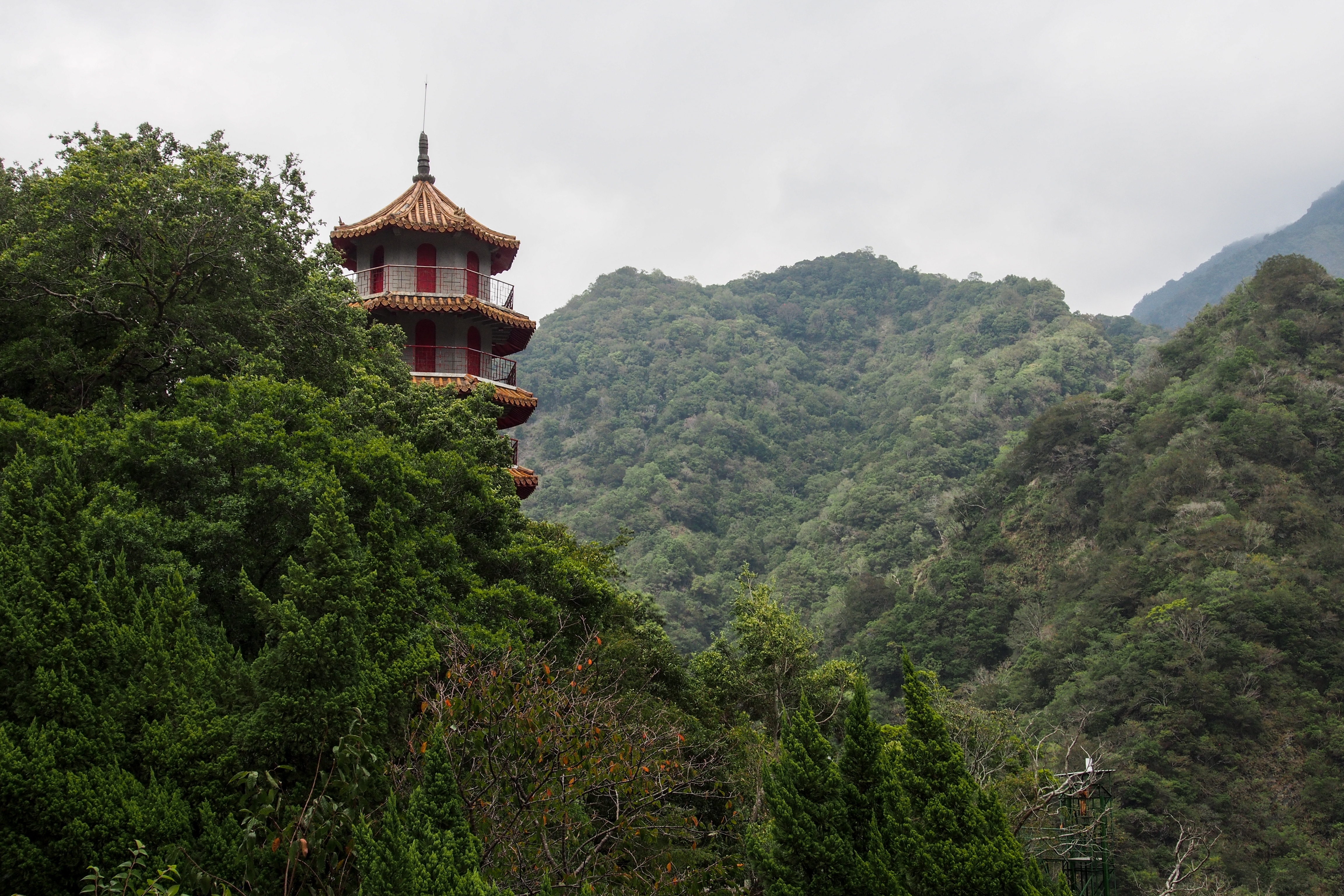
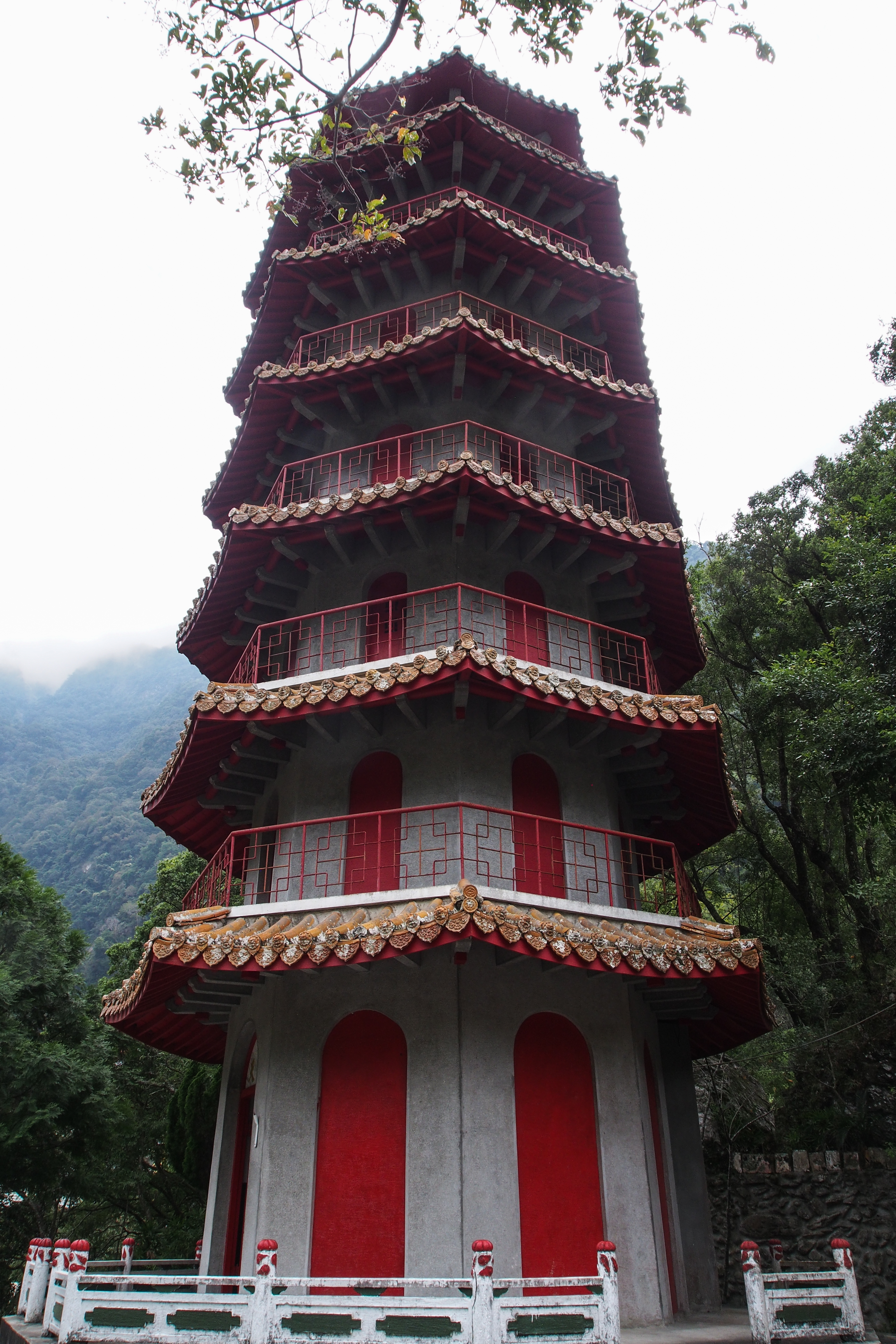
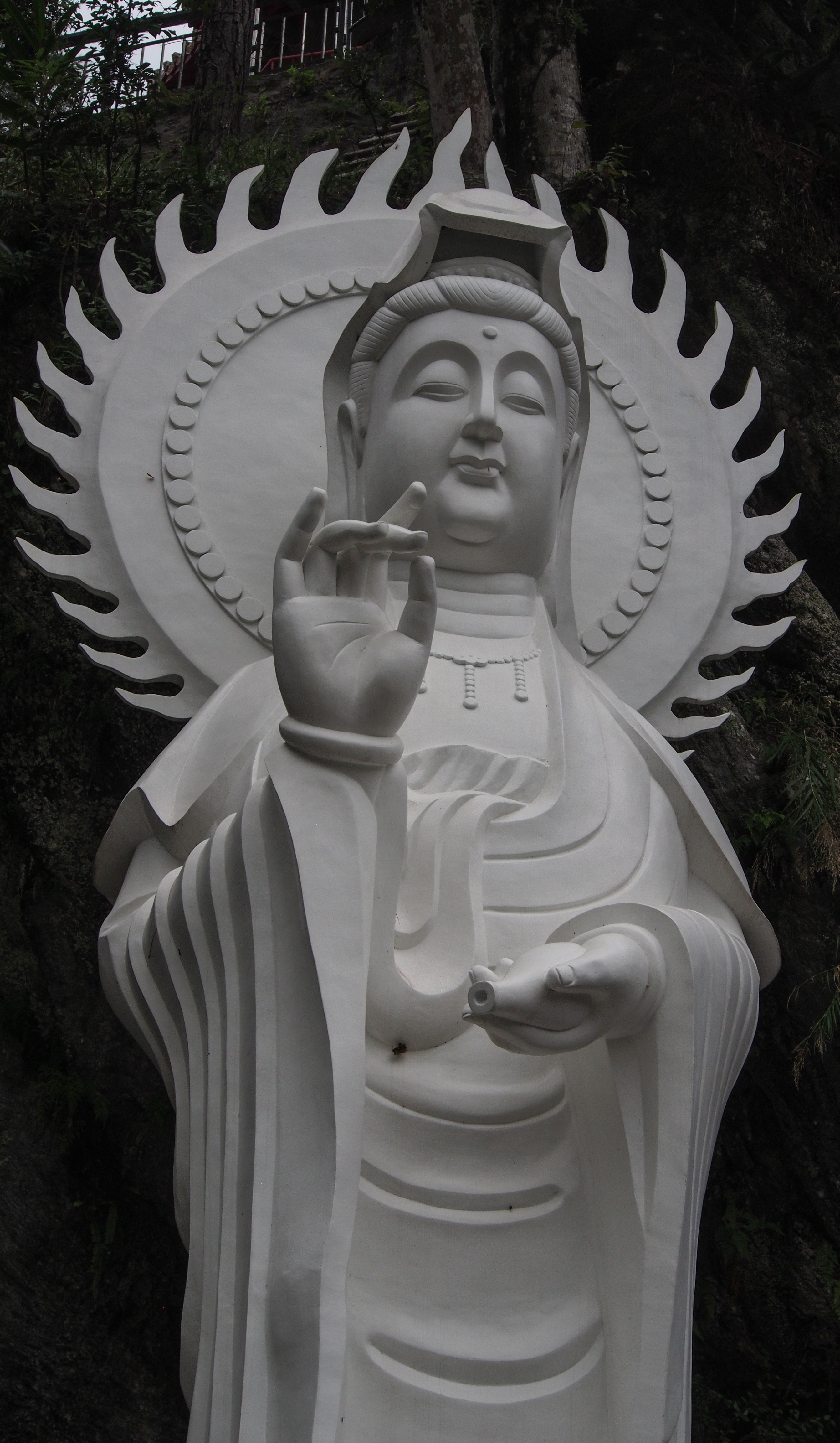
The Tianxiang scenic area is accessed by a bridge crossing the river and consists of the Xiangde Temple (祥德寺 xiángdé sì) and Tianfeng Pagoda (天峰塔 tiānfēng tǎ), as well a numerous paths through garden areas.

OLYMPUS DIGITAL CAMERA


OLYMPUS DIGITAL CAMERA

OLYMPUS DIGITAL CAMERA

OLYMPUS DIGITAL CAMERA

OLYMPUS DIGITAL CAMERA

OLYMPUS DIGITAL CAMERA

OLYMPUS DIGITAL CAMERA

OLYMPUS DIGITAL CAMERA

OLYMPUS DIGITAL CAMERA

The most entertaining part of this visit was when a giant hornet started buzzing around my son while he was filming. It was pretty hilarious watching him jump and dance around. Probably wouldn’t have been that funny if it was chasing me. We also enjoyed the views up and down the gorge and just relaxing at a peaceful, beautiful area.

OLYMPUS DIGITAL CAMERA

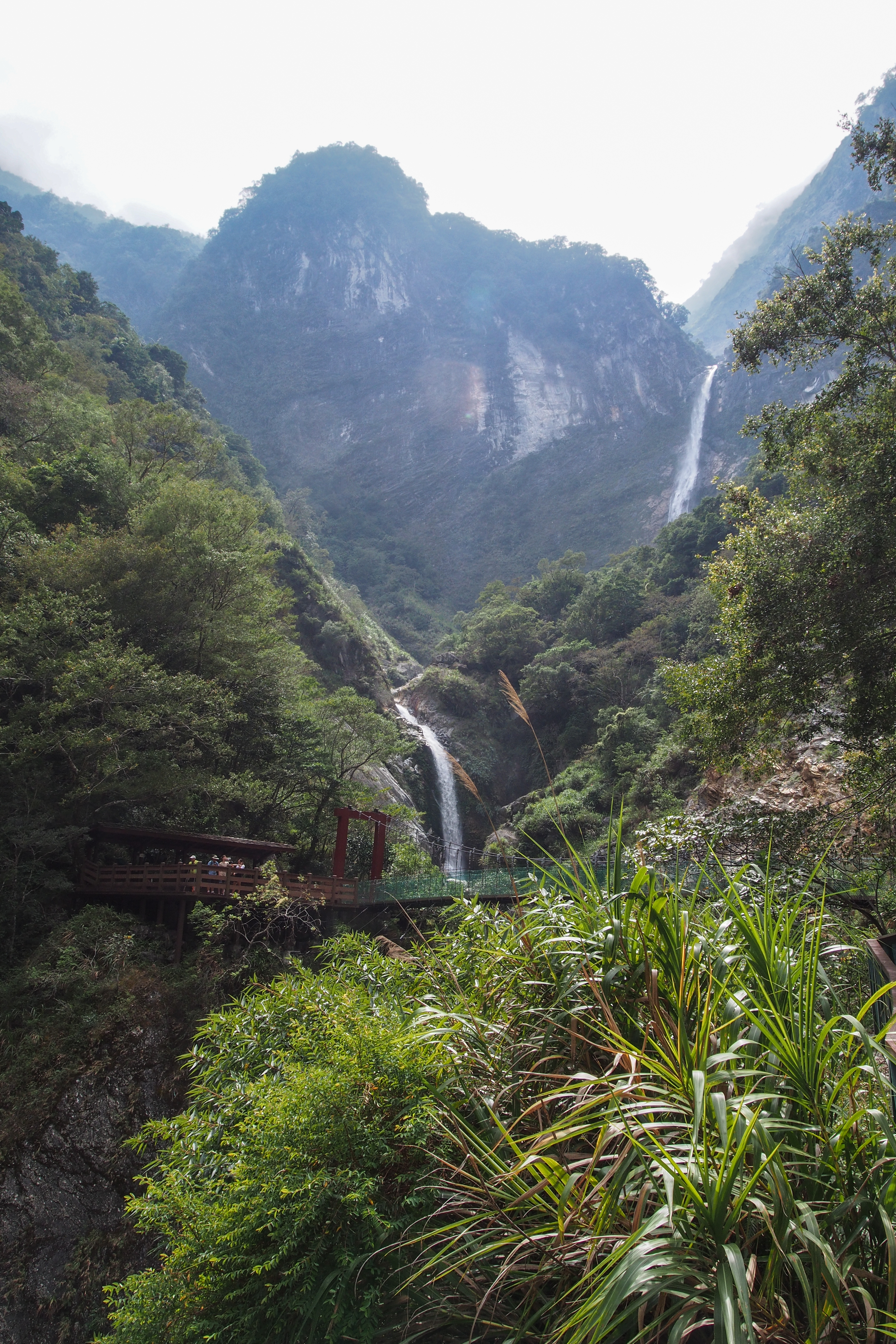
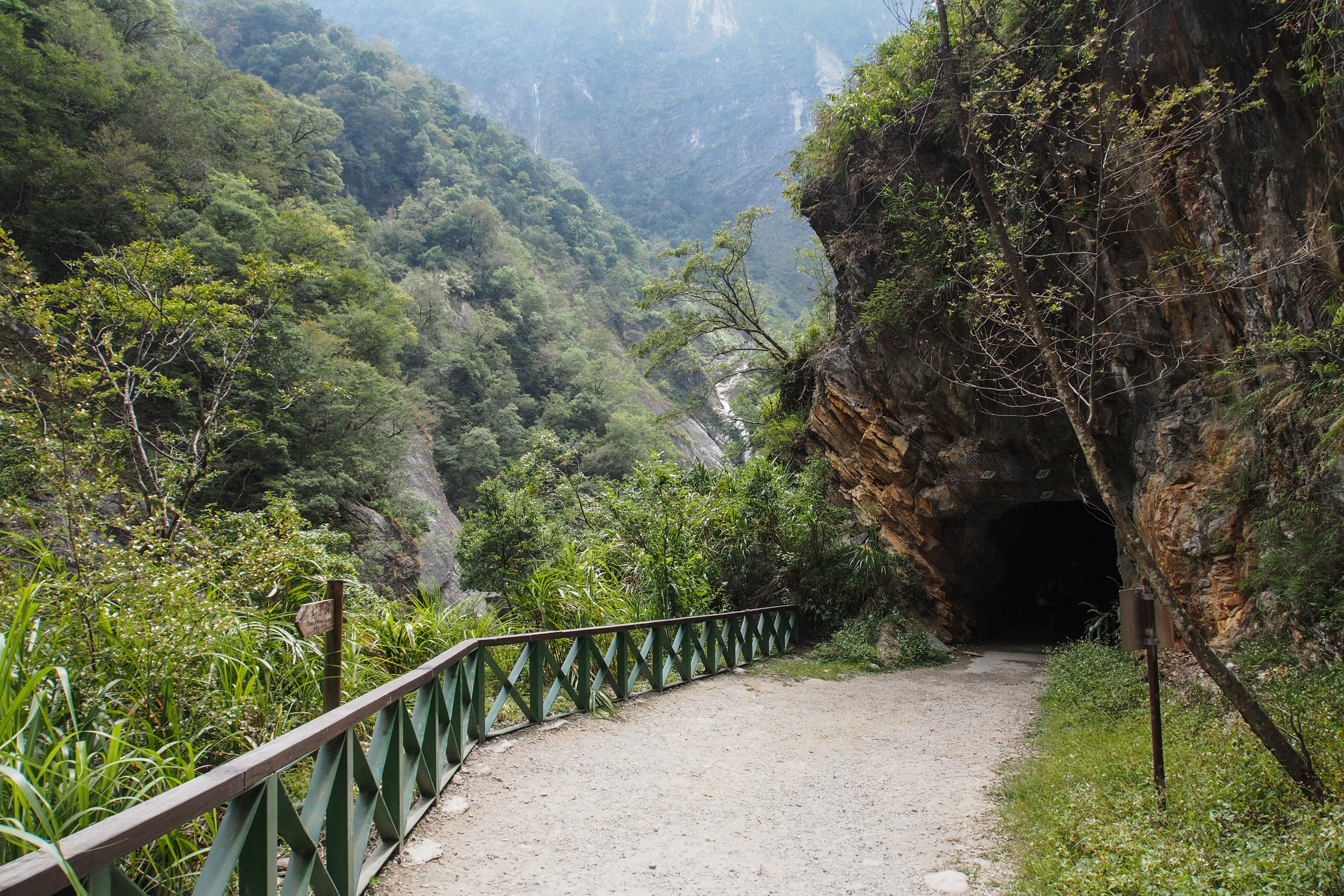
We then headed up to the Baiyang Waterfall Trail (白楊步道 báiyáng bùdào) which ends at the impressive Water Curtain Cave (水簾洞 shuǐliándòng). The trail is accessed across the road and within a tunnel, just a short distance from a parking area. Near the beginning of the trail you can cross a suspension bridge to a nice lookout of the two falls. As far as I know, that’s about as close as you can get to the actual falls, at least legally (without crossing barriers that tell you not to cross). It looks like it would be steep and dangerous to get up there anyway.

OLYMPUS DIGITAL CAMERA

OLYMPUS DIGITAL CAMERA

Trial on the upper right

OLYMPUS DIGITAL CAMERA

OLYMPUS DIGITAL CAMERA

OLYMPUS DIGITAL CAMERA

OLYMPUS DIGITAL CAMERA


The trail is pretty mellow, passes through a few tunnels, and follows along a couple rivers. It was a very pleasant outing. When we got to the end of the trail you can enter the Water Curtain Cave. Everyone coming out or going in had all kinds of rain gear on and some people offered to loan us theirs, since we didn’t have rain jackets with us. But since it was a nice day, and we aren’t opposed to getting a little wet, we declined. There are cracks in the ceiling of this short cave where water is pouring down in wide sheets. We clung to the wall, got a bit wet, and emerged on the other side. We hiked a bit further to a nice lookout of the river valley beyond. We had a little picnic, met a couple from Switzerland, and hung out for awhile, before heading back down the trail. It was a nice hike and so refreshing to be out of the noise and chaos of the cities.
OLYMPUS DIGITAL CAMERA

OLYMPUS DIGITAL CAMERA


Taiwan: Getting out of the city—Alishan


OLYMPUS DIGITAL CAMERA

Taiwan is not all dense cities. In fact, the topography is quite varied, from jungle to mountain peaks over 12,000′ (3000 m) high. Once you get out of the city, small towns and villages dot the countryside. Access to natural areas is not difficult and Taiwan has her share of National Parks and other popular outdoor getaways, such as Taroko Gorge, Kenting National Park, Alishan National Scenic Area, Sun Moon Lake, and the Penghu Islands. There are countless other beautiful natural areas to explore as well.

Last Autumn I was in Taiwan for about ten days and wanted to get out of the city for a change. When I say city, I really mean Taipei (and the surrounding metropolises), or one of the other big cities like Taichung, Tainan, and Kaohsiung. My son and I (who was traveling with me) and a couple colleagues had the chance to play around for a day at Alishan, then later my son and I spent a few days in Hualien. It’s really nice to get out into the countryside where things are quieter and slower.

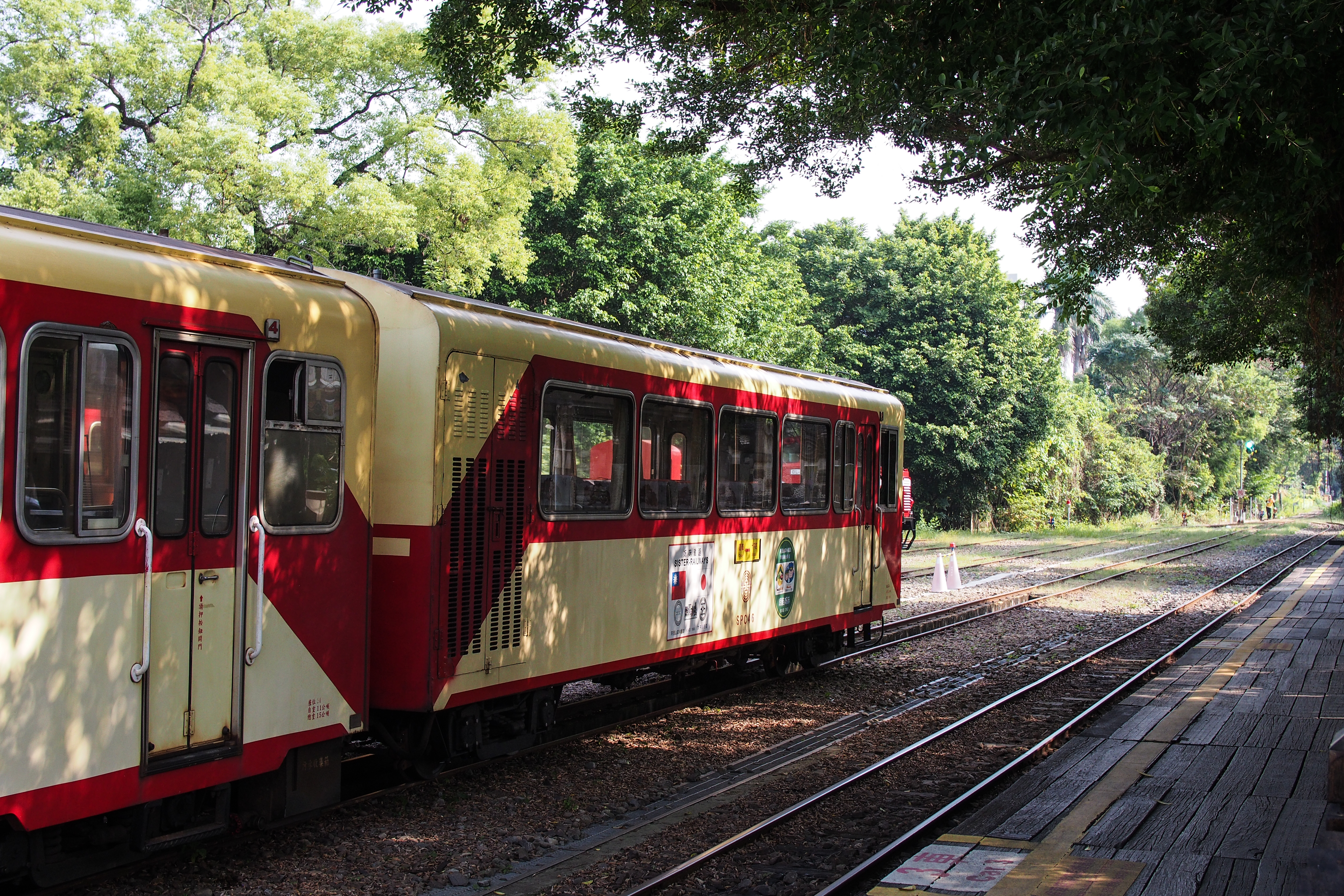
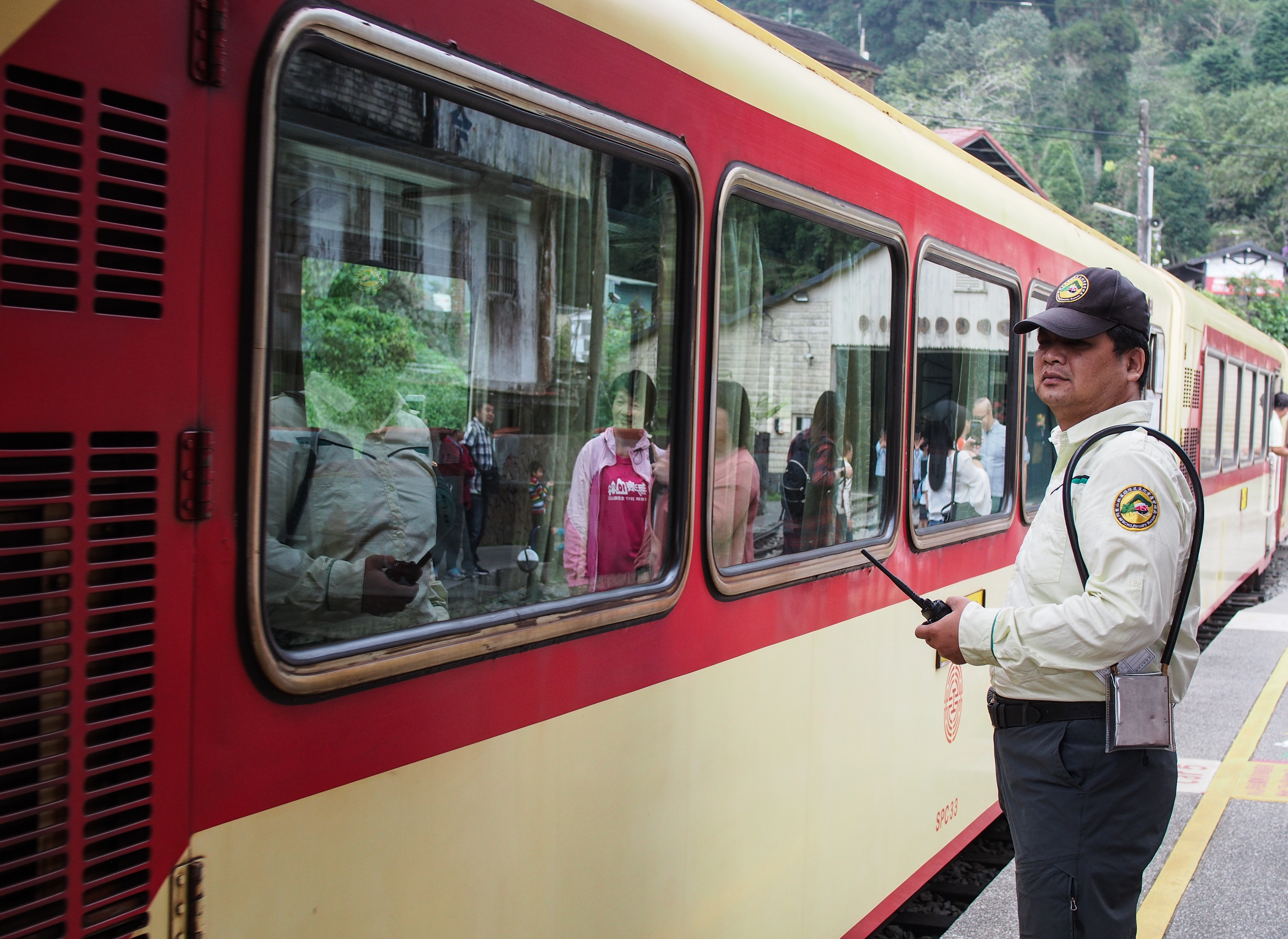
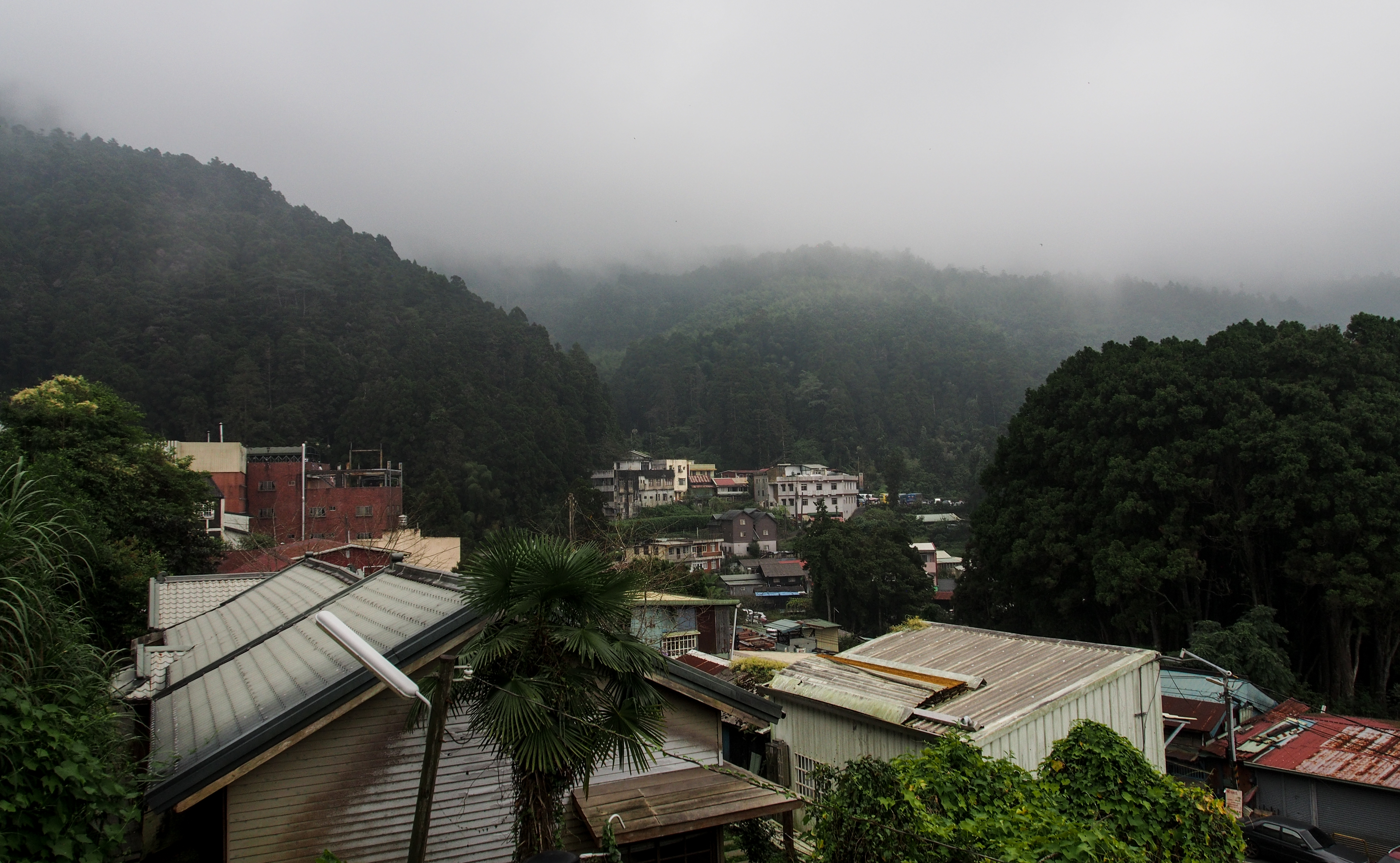
We took the narrow gauge railway in Chiayi up into Alishan National Scenic Area to the small town of Fenchihu part way up the mountain.

OLYMPUS DIGITAL CAMERA

OLYMPUS DIGITAL CAMERA

OLYMPUS DIGITAL CAMERA

OLYMPUS DIGITAL CAMERA

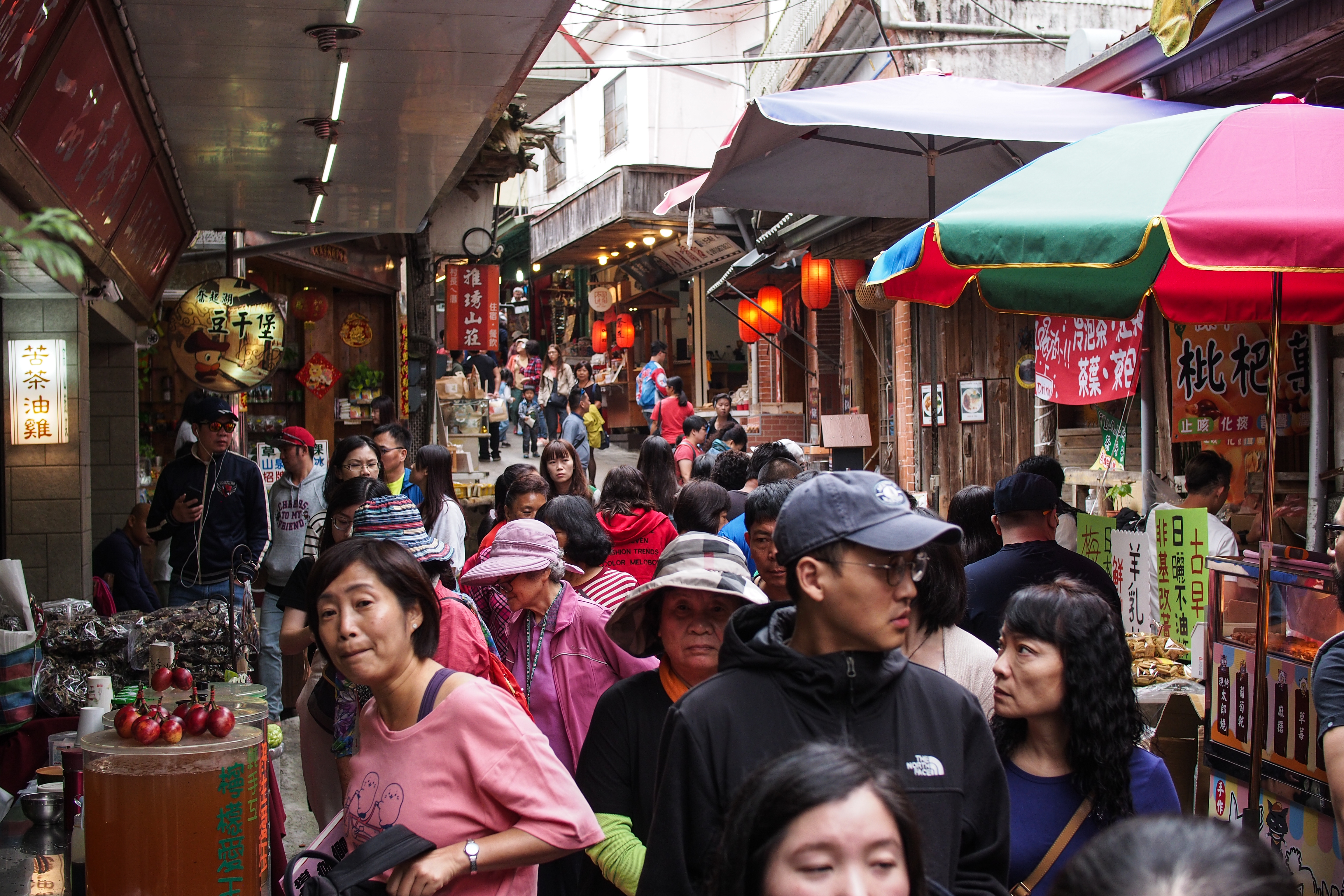
We wandered around the market for awhile, then headed to a delightful little farm to table organic restaurant about a half hour walk from the train station.

OLYMPUS DIGITAL CAMERA


OLYMPUS DIGITAL CAMERA

OLYMPUS DIGITAL CAMERA

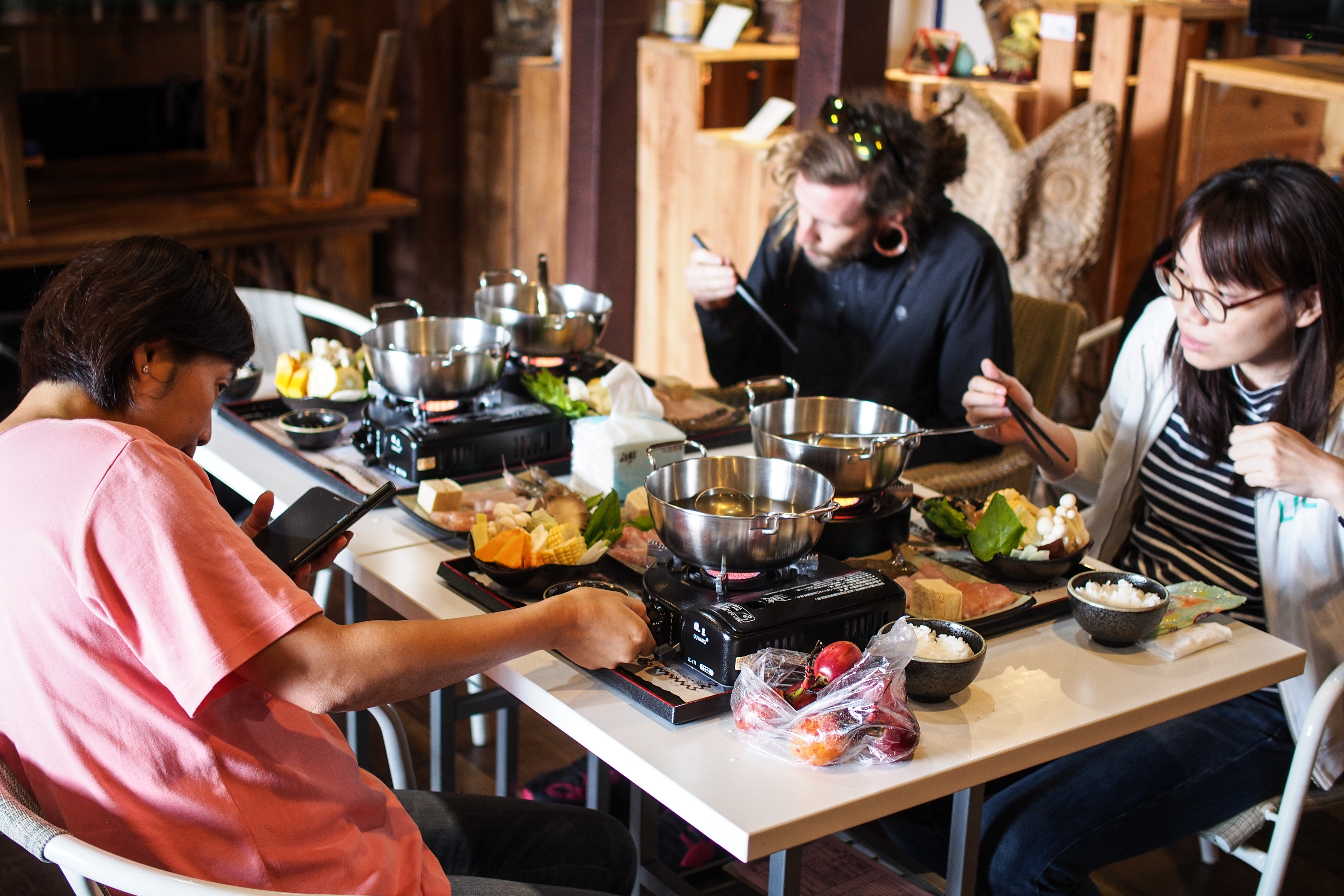
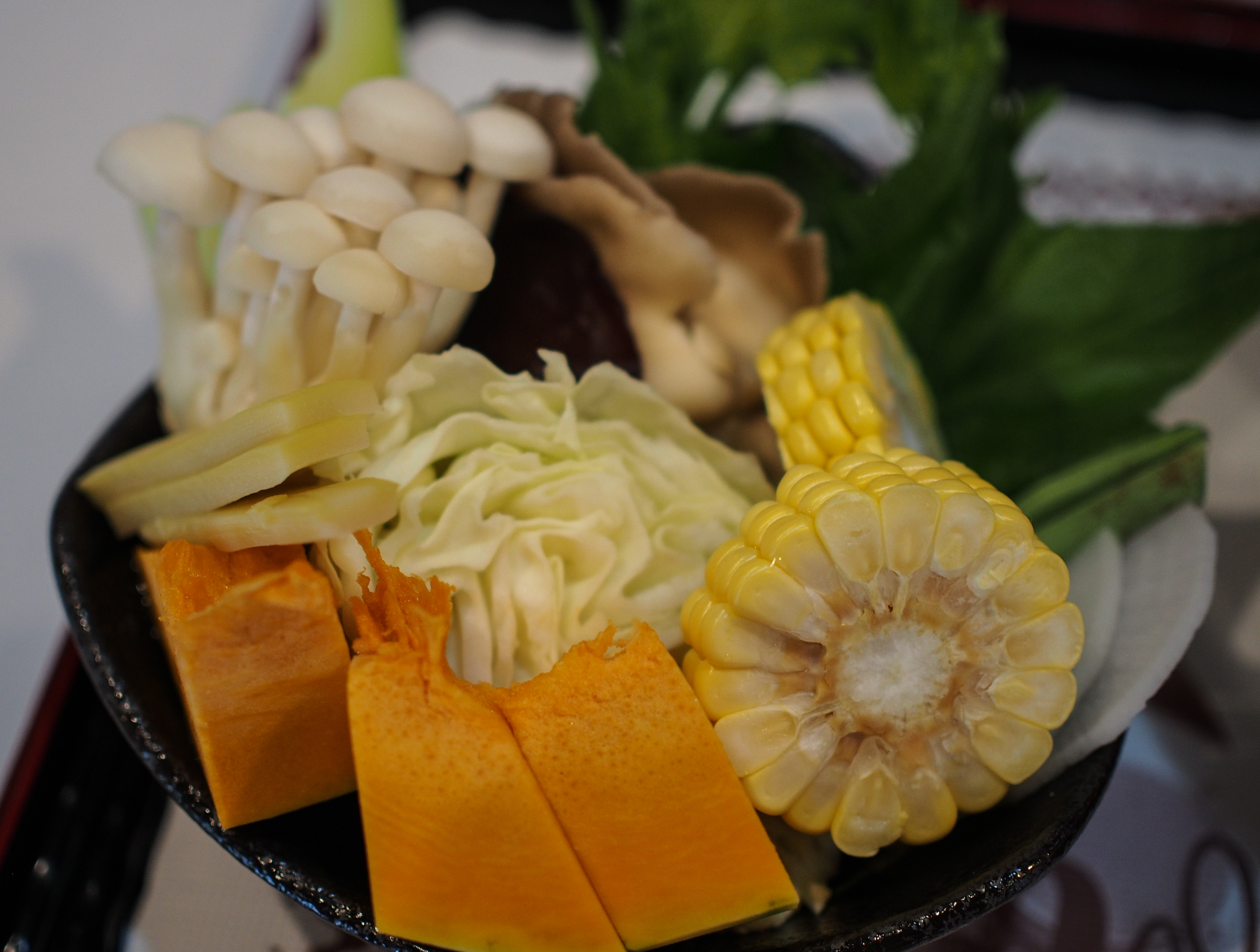
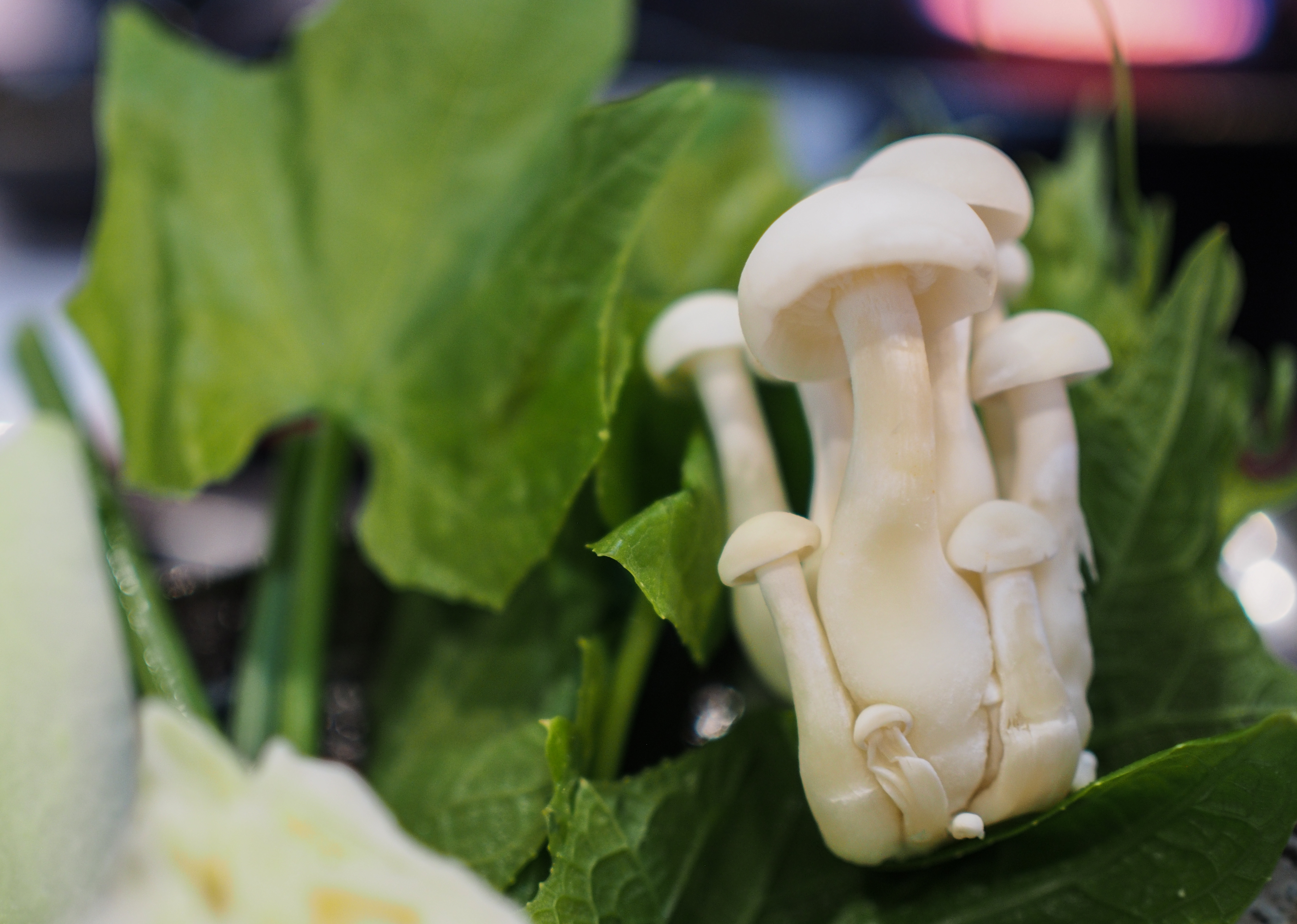
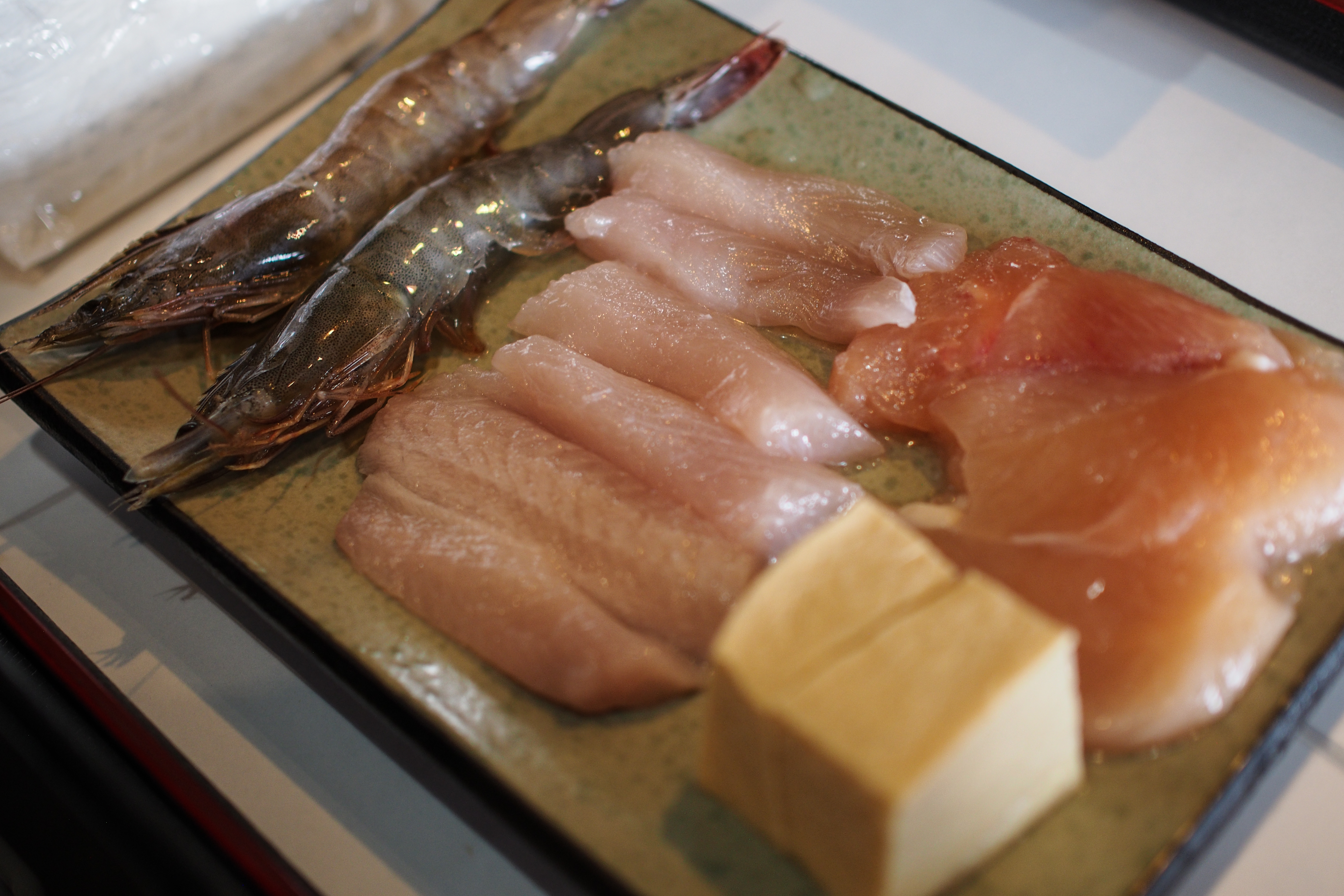
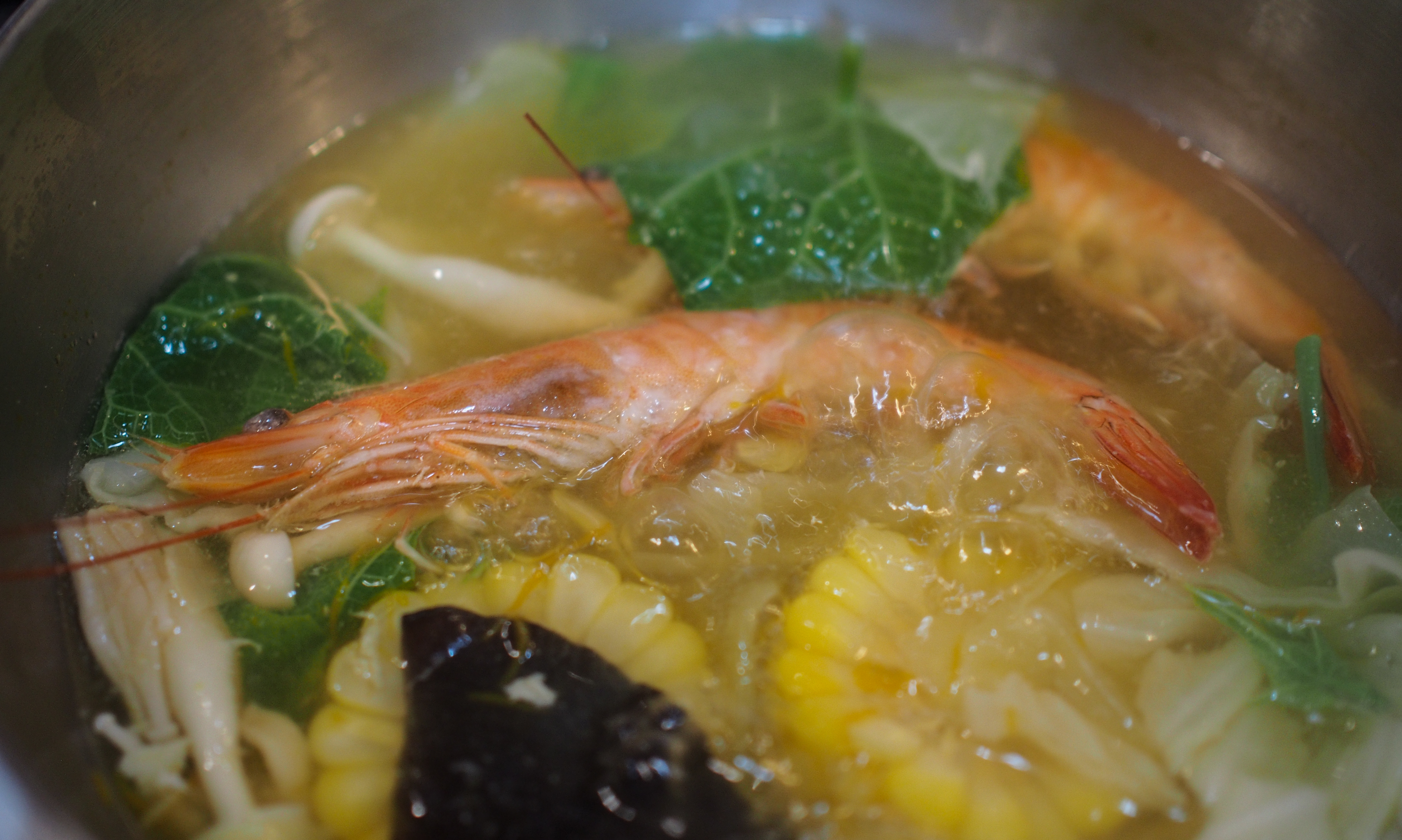
My friend and colleague, Henrietta, had a colleague from National Zhongzheng University in Chiayi that found the place for us. Xinhui was very gracious in showing us around Chiayi and satisfying our foodie inclinations by finding excellent restaurants. The mountain farm-to-table place was fabulous. We had individual hotpots, all the produce came from the farm right outside the door. The meal was fresh, light, and wonderful. The restaurant was really a farm house with no more than seven or eight tables between two rooms.

OLYMPUS DIGITAL CAMERA

OLYMPUS DIGITAL CAMERA

OLYMPUS DIGITAL CAMERA

OLYMPUS DIGITAL CAMERA

OLYMPUS DIGITAL CAMERA

OLYMPUS DIGITAL CAMERA

OLYMPUS DIGITAL CAMERA

OLYMPUS DIGITAL CAMERA

OLYMPUS DIGITAL CAMERA

OLYMPUS DIGITAL CAMERA

OLYMPUS DIGITAL CAMERA

It was a nice quiet, relaxed day with good food, good company, and beautiful surroundings. I’m always recharged when I leave the city and spend some time in a quiet, beautiful place. Sometimes even a city park can satisfy that need. Admittedly, I have not spent a great deal of time in Taiwan, at least compared to Mainland China, but each time I return, I find new things, new places, new food, and new resolve to return again and again.


Taiwan, finally!

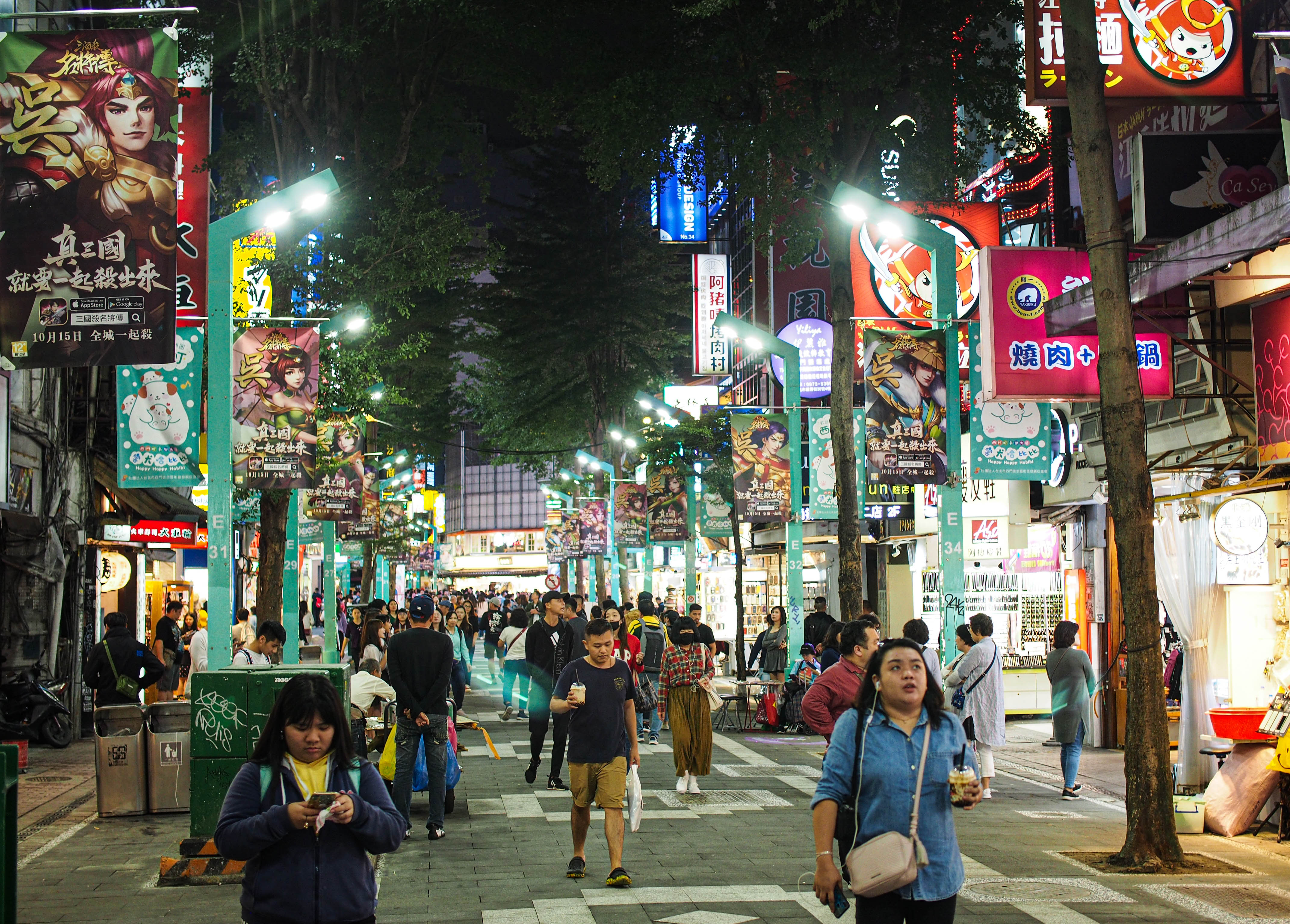
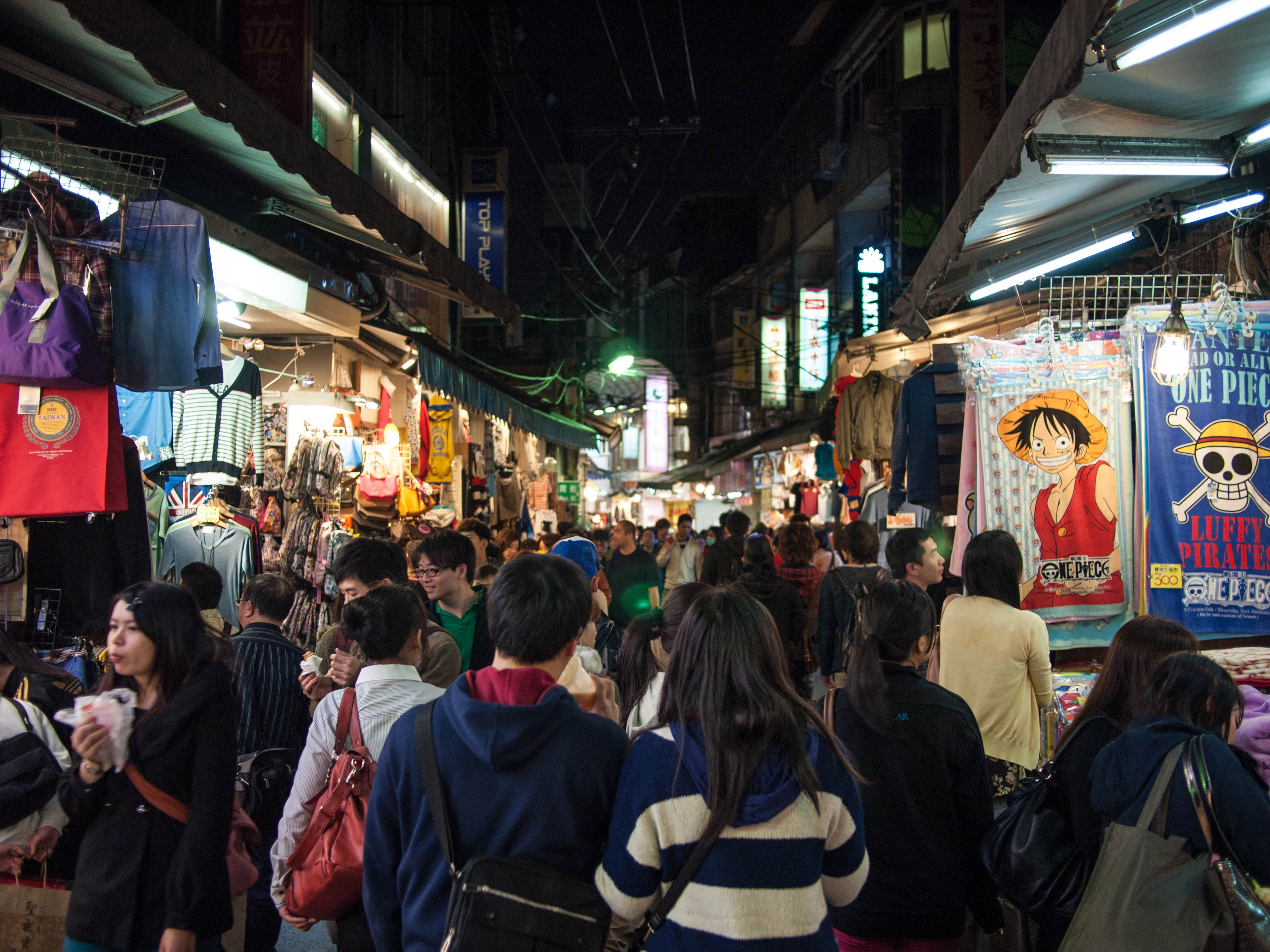
Typical night market in Taiwan

Typical night market in Taiwan

I have been traveling to Mainland China since 1984. I spent time there as a student, have led several study abroad groups as a professor, have attended academic conferences, and so on. I’ve traveled all over the Mainland, from North to South, and East to West. I lived in Hong Kong in the early 80’s and have traveled to Macau. But in all these years, I had never been to Taiwan. I have friends and colleagues from Taiwan, and many of my students have spent time there, but I guess I never felt overly compelled to go there. Maybe I didn’t believe all the hype about how great Taiwan was. A year and a half ago my daughter moved to Taiwan. Suddenly I had a great deal more interest in Taiwan.

Earlier this month I finally made it to Taiwan. I am working on a new book on Chinese culinary culture (basically a foodie’s guide to China), and practically everyone that I talked to told me that I couldn’t possibly do a book on Chinese food without including at least a section on Taiwan, especially Taiwan’s famous snack food. So, after spending a couple weeks in Guangzhou and surrounding areas researching Cantonese food, I stopped in Taiwan for six days to check out the culinary scene. And I was not disappointed.

In addition to meeting up with some former colleagues and a friend or two, I spent most of my time eating. I know, it’s a tough job, but somebody has to do it, as the saying goes.

Here are some of my initial observations about Taiwan, mostly compared with the Mainland.

1. Taiwan is really clean, neat, and orderly. Even the traffic is well behaved and I didn’t feel like I was going to get run over. In fact, I had bus drivers actually wait for me while I crossed the road. That’s pretty rare in the Mainland.

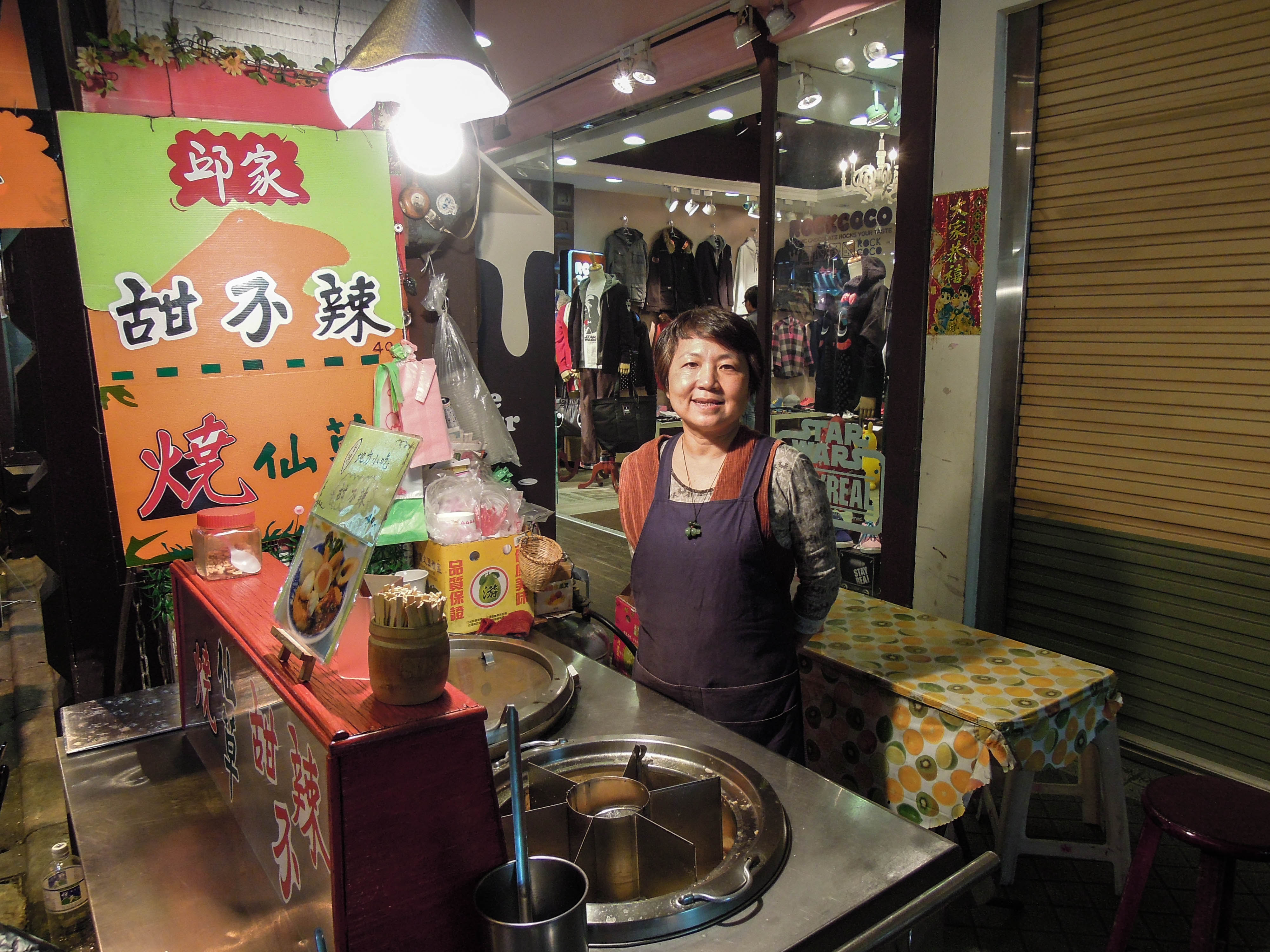
2. Taiwan people are generally friendly, polite, and eager to chat with a foreigner. Coming from China, and a socialist attitude toward customer service (i.e. non-existent), this was really surprising to me. At one night market I sat down at a tiny table to eat some delicious 甜不辣 tiánbúlà and since it was a bit quiet, the lady running the stall sat down with me and we chatted for a half hour or so. She kept giving me more food to try, on the house.

3. Taiwan is very Westernized. I guess this was not too surprising. There are lots of foreigners in Taiwan. I saw them all over (at least in Taibei). It is evident that Taiwan is heavily influenced by Western ideas, fashion, food, etc. There is also a very noticeable Japanese influence as well.

Overall, I had a very nice time in Taiwan and will definitely be back. I originally planned on going down to Tainan to try some of the famous snack food down there, but I ran out of time. I spent time in Zhongli, Taibei, and an evening up in Danshui.

Below are just a few of the delicious dishes I sampled at some of the night markets. I spent time in the Shilin Night Market, The Shida Night Market, and the Danshui night market.

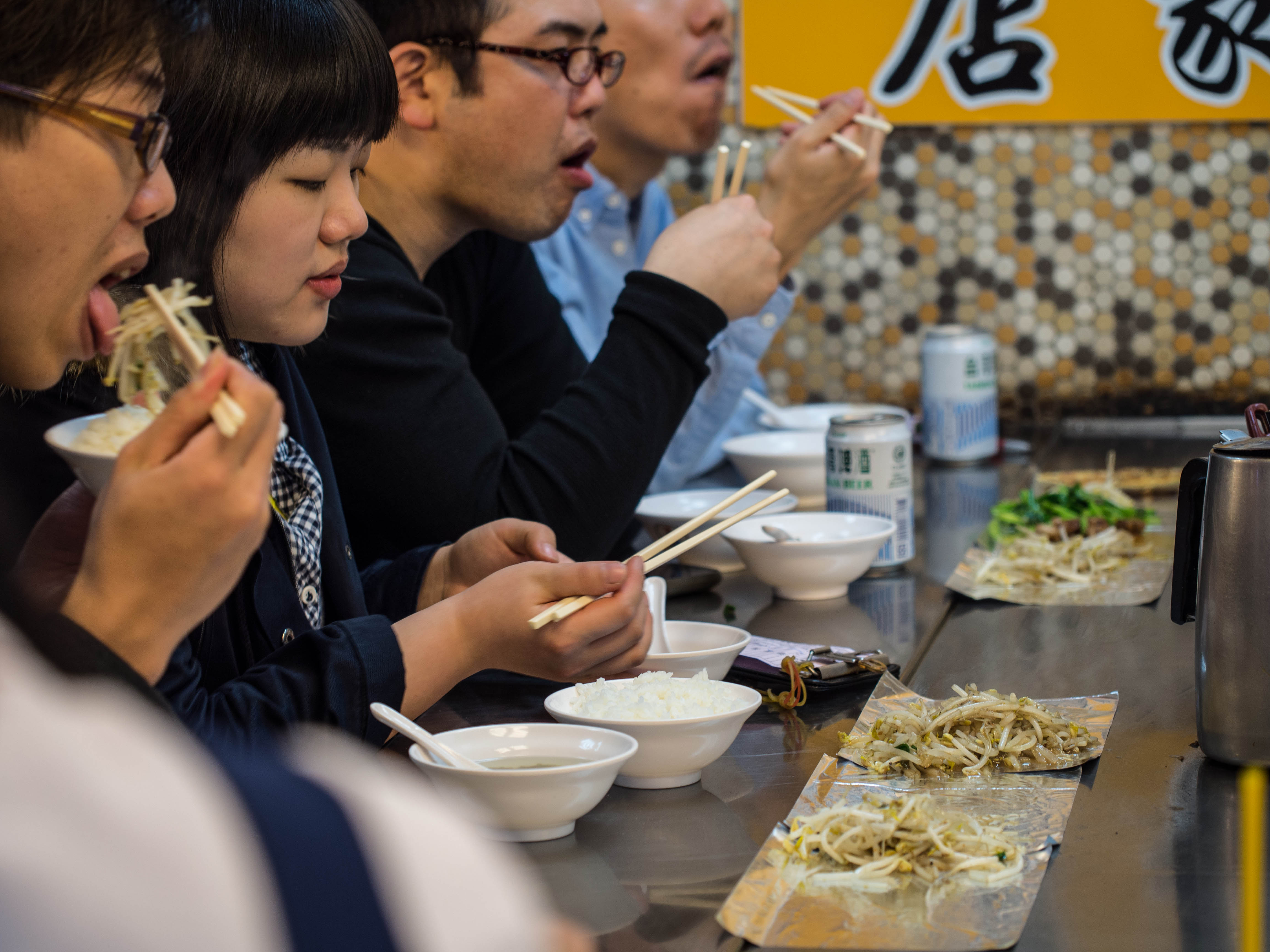
Night market 'restaurant'

Night market ‘restaurant’

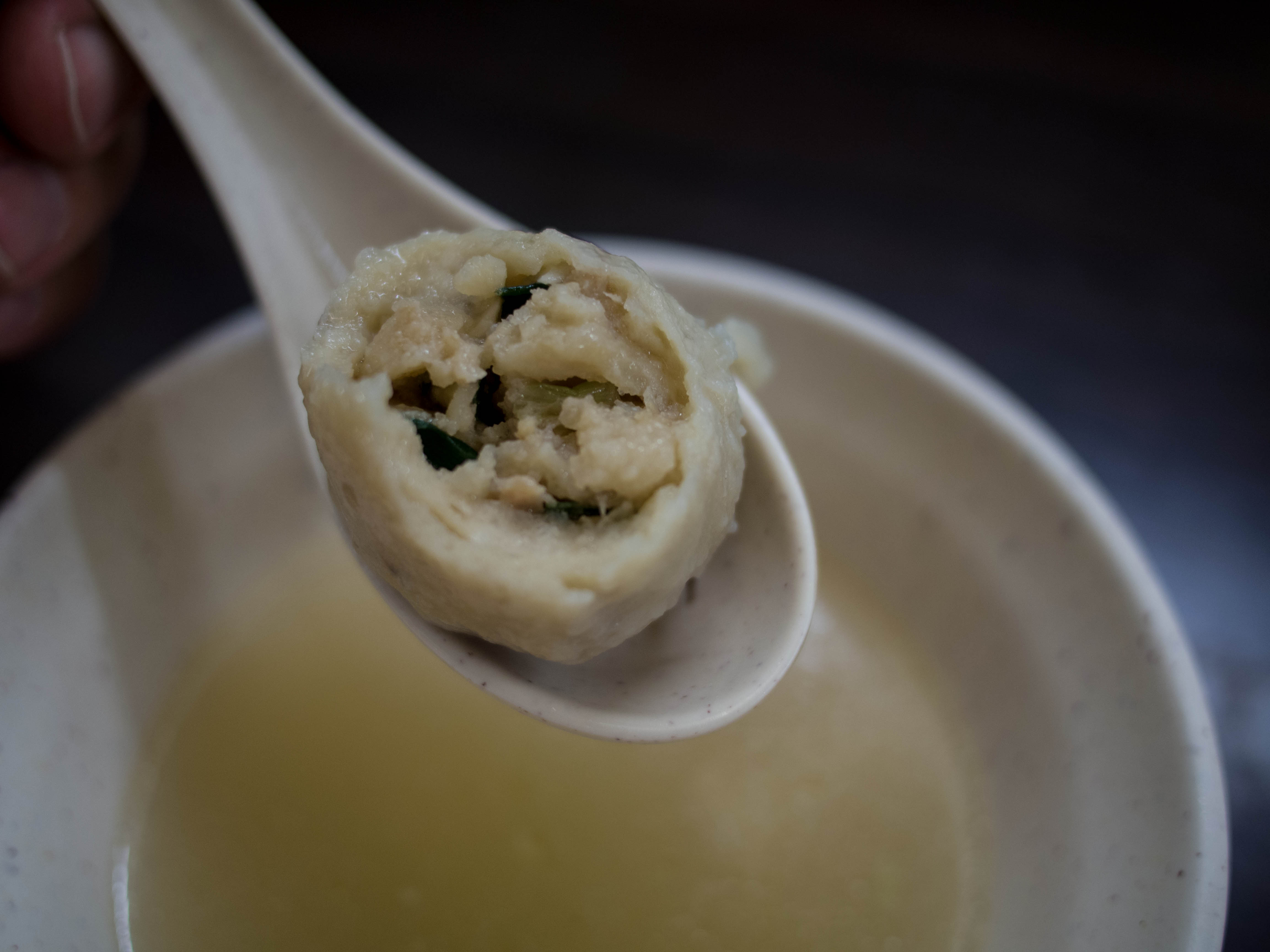
魚丸湯 yǔwán tāng; Fish ball soup

魚丸湯 yǔwán tāng; Fish ball soup

蚵仔煎 ézǎi jiān; Fresh oyster omelet

蚵仔煎 ézǎi jiān; Fresh oyster omelet

甜不辣 tiánbúlà; hard to translate—it is fish paste formed into various shapes, then boiled in a broth and topped with a miso gravy.

甜不辣 tiánbúlà; transliteration of the Japanese tempura—it is fish paste formed into various shapes, then boiled in a broth and topped with a miso gravy.

This is the nice lady running the tiánbúlà place

This is the nice lady running the tiánbúlà place

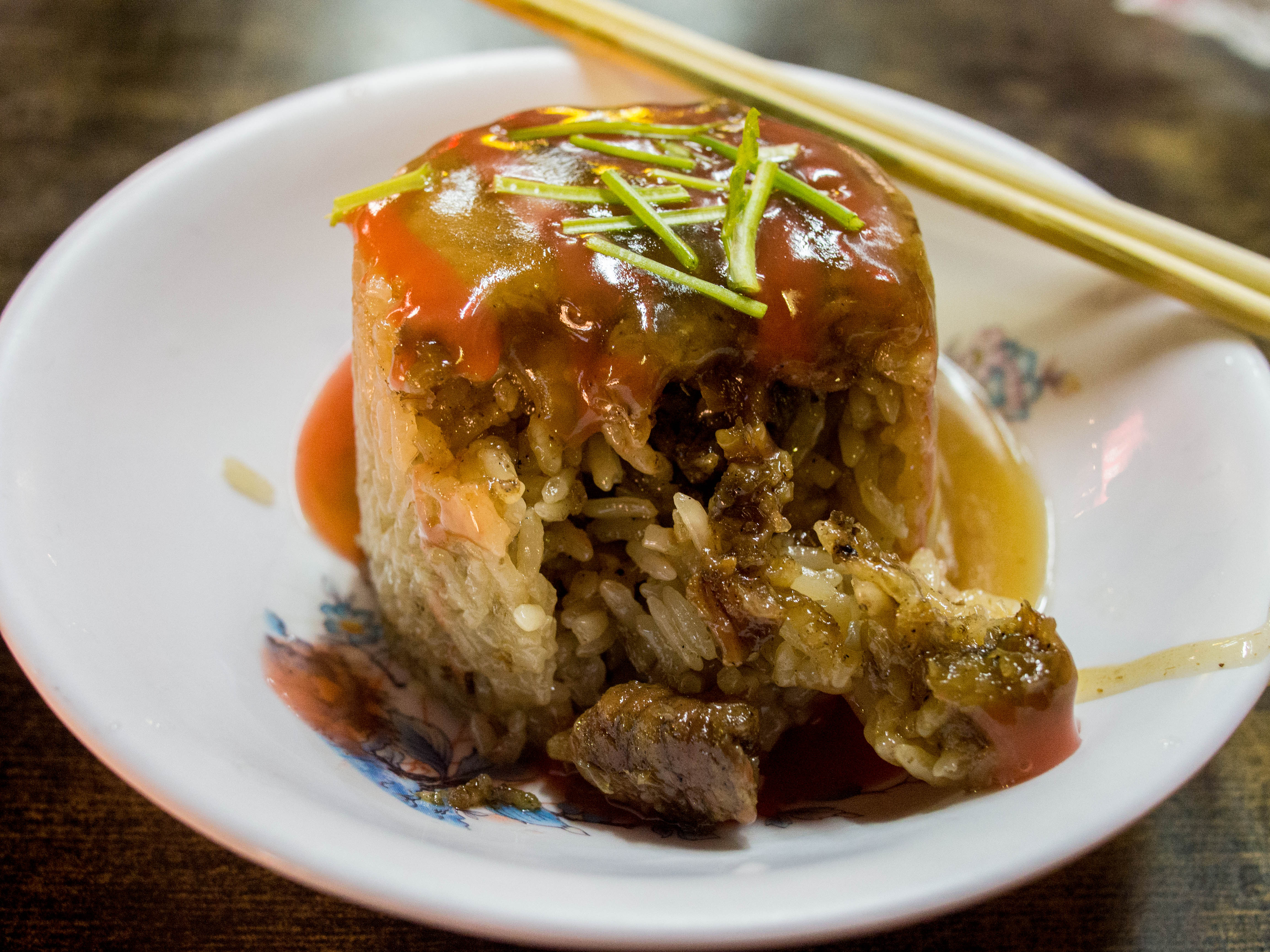
筒仔米糕 tǒngzǎi mǐgāo; tube rice pudding (with pork and mushrooms)

筒仔米糕 tǒngzǎi mǐgāo; tube rice pudding (with pork and mushrooms)

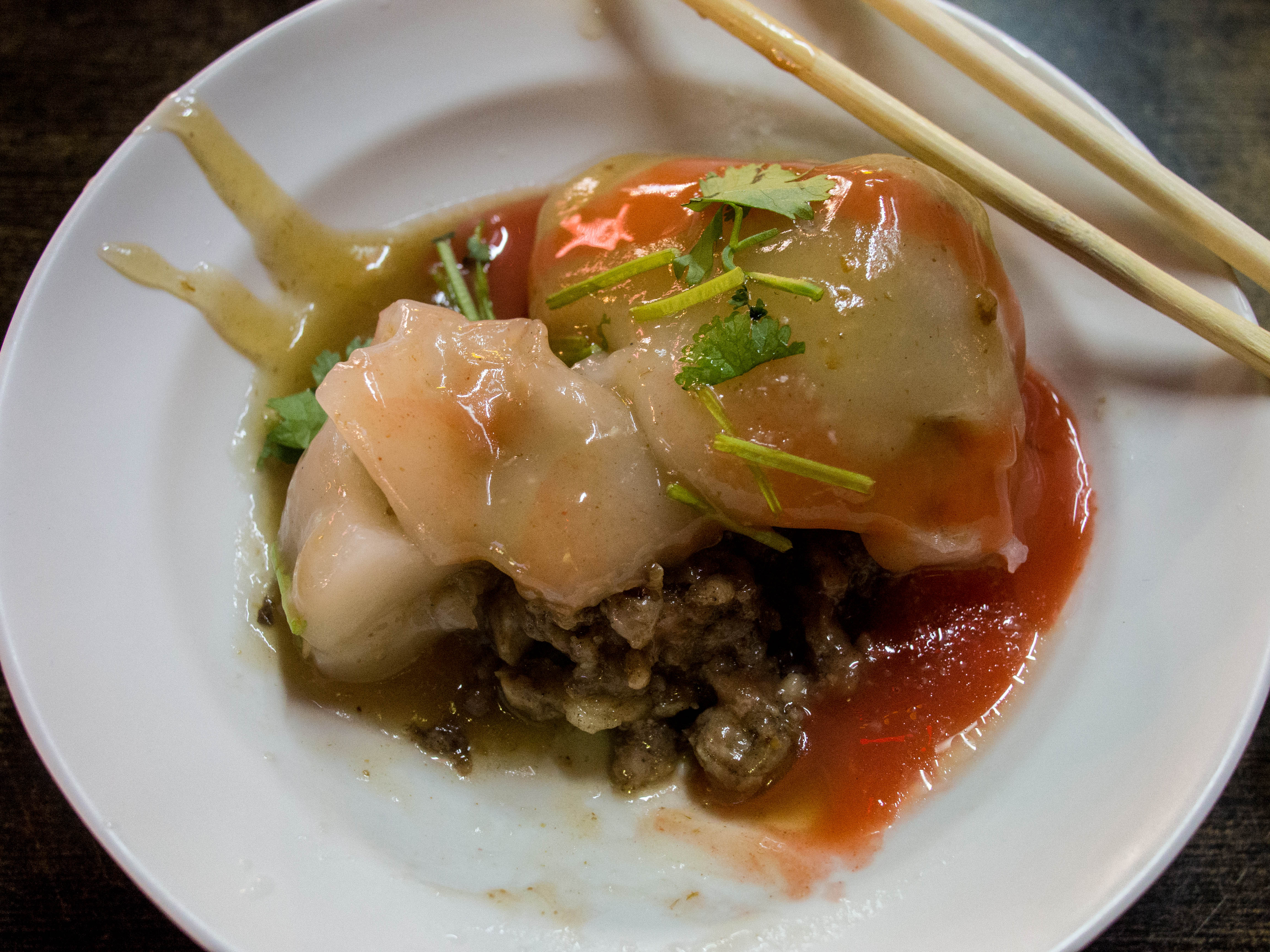
肉圓 ròuyuán, but more commonly called ba wan from the Taiwanese. It is a large rice flour dumpling.

肉圓 ròuyuán, but more commonly called ba wan from the Taiwanese. It is a large rice flour dumpling.

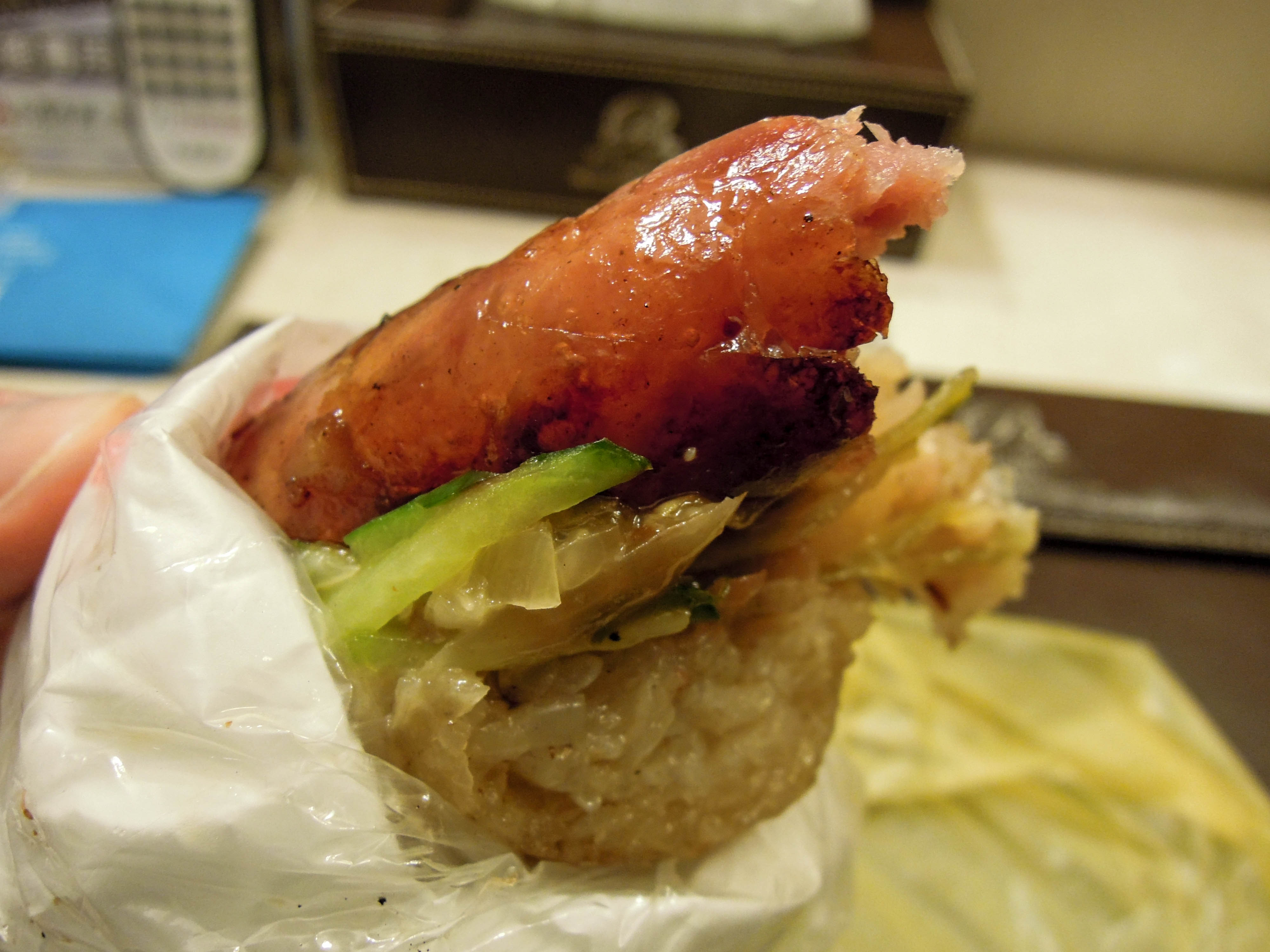
大腸包小腸 dàcháng bāo xiǎocháng ;Small sausage wrapped in a large sausage; the big sausage, which acts as a bun is actually sticky rice in a sausage casing.

大腸包小腸 dàcháng bāo xiǎocháng ; Small sausage wrapped in a large sausage; the big sausage, which acts as a bun is actually sticky rice in a sausage casing.

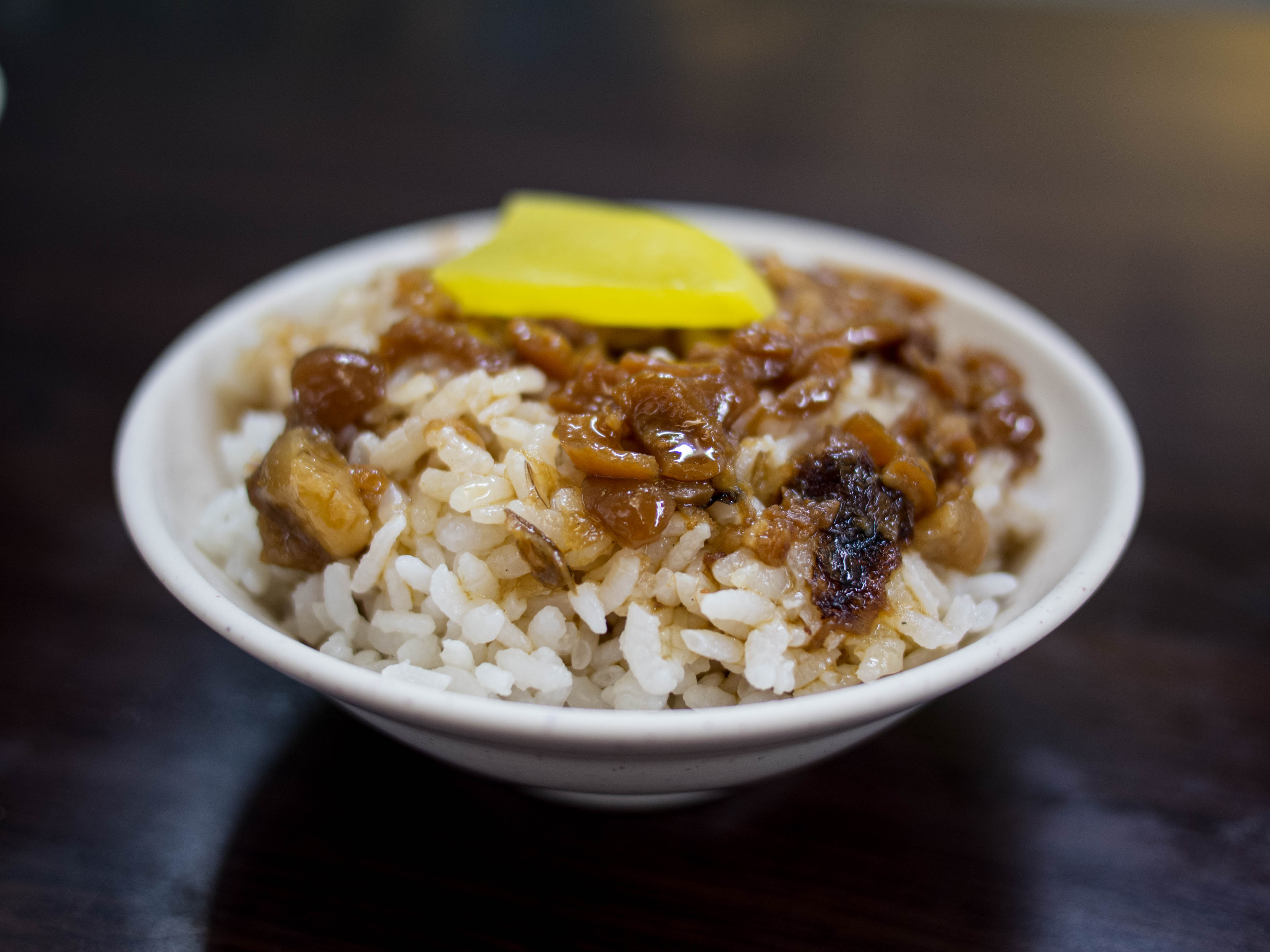
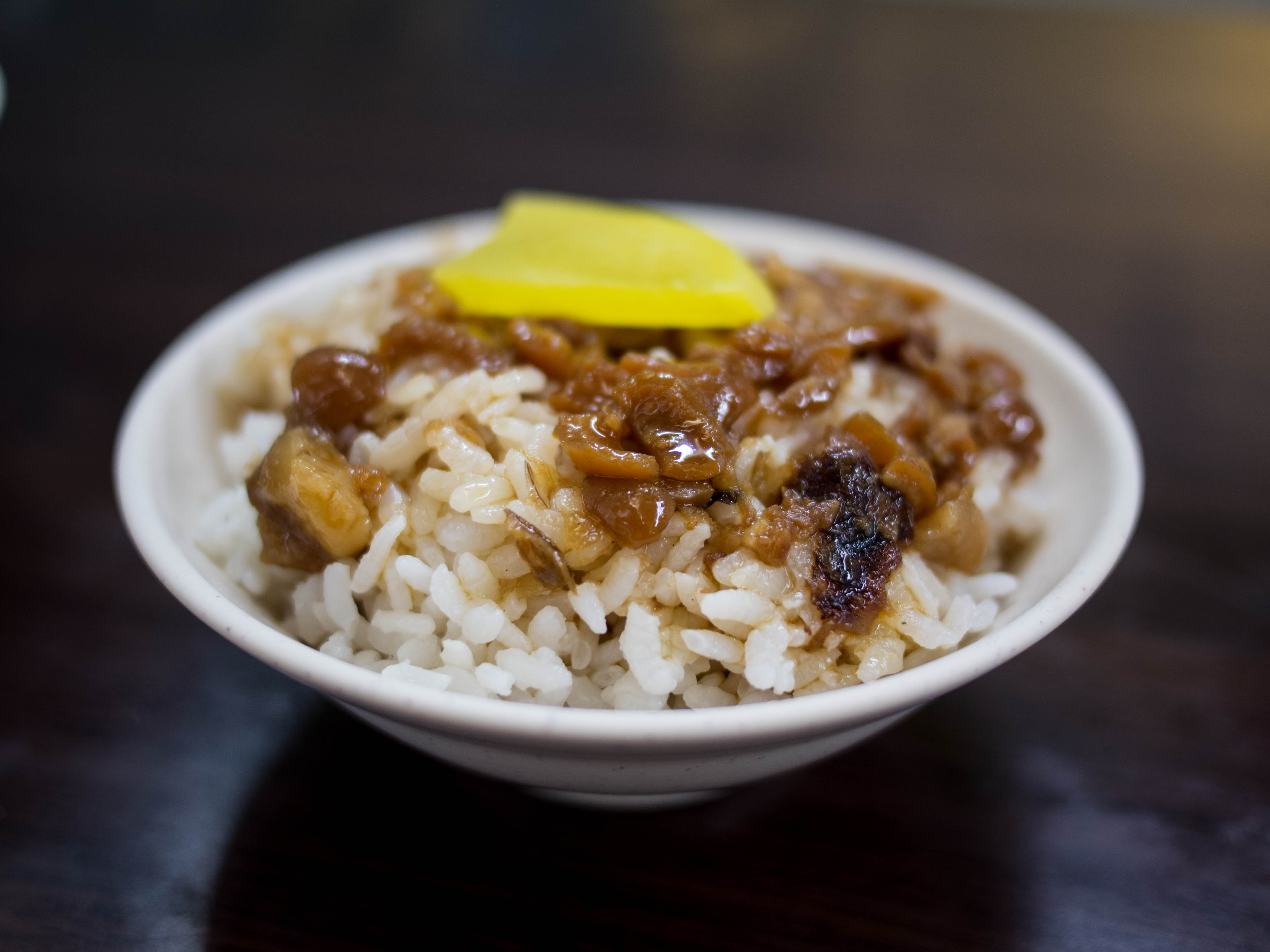
滷肉飯 lǔròu fàn; fatty seasoned pork on rice

滷肉飯 lǔròu fàn; fatty seasoned pork on rice

蔥抓餅 cōngzhuā bǐng; flaky scallion pancake w/egg

蔥抓餅 cōngzhuā bǐng; flaky scallion pancake w/egg

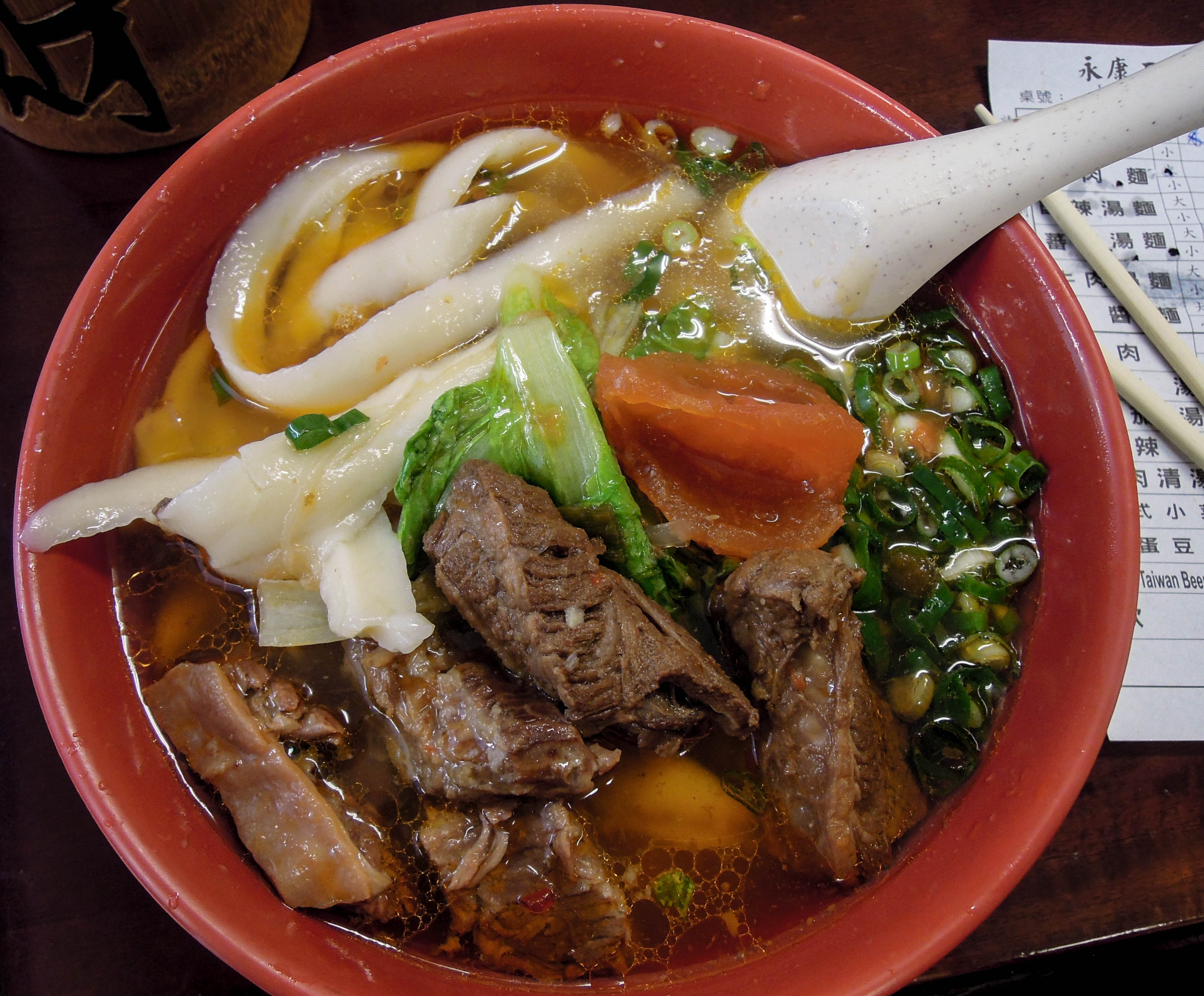
牛肉麵 niǔròu miàn; beef noodles

牛肉麵 niǔròu miàn; beef noodles

I went to Taiwan with a list of about 40 or so things I wanted to try. In the end, after 6 days I was able to try about 22 items on my list. The food was fresh, delicious, and quick. Next time I really need to get down to Tainan as I have heard the food there is pretty amazing as well.