Dimsum Highlights

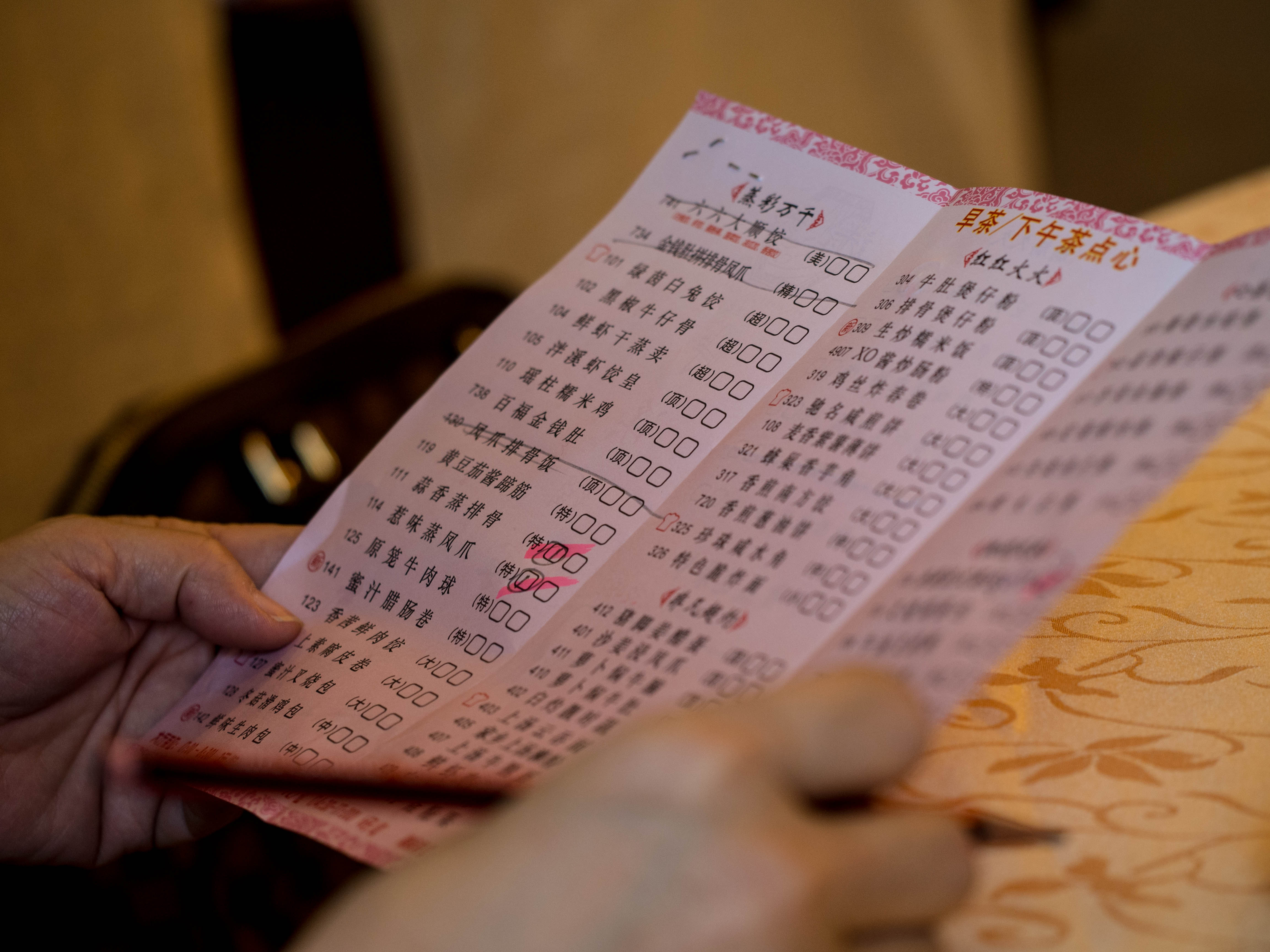
Typical dimsum menu

Typical dimsum menu

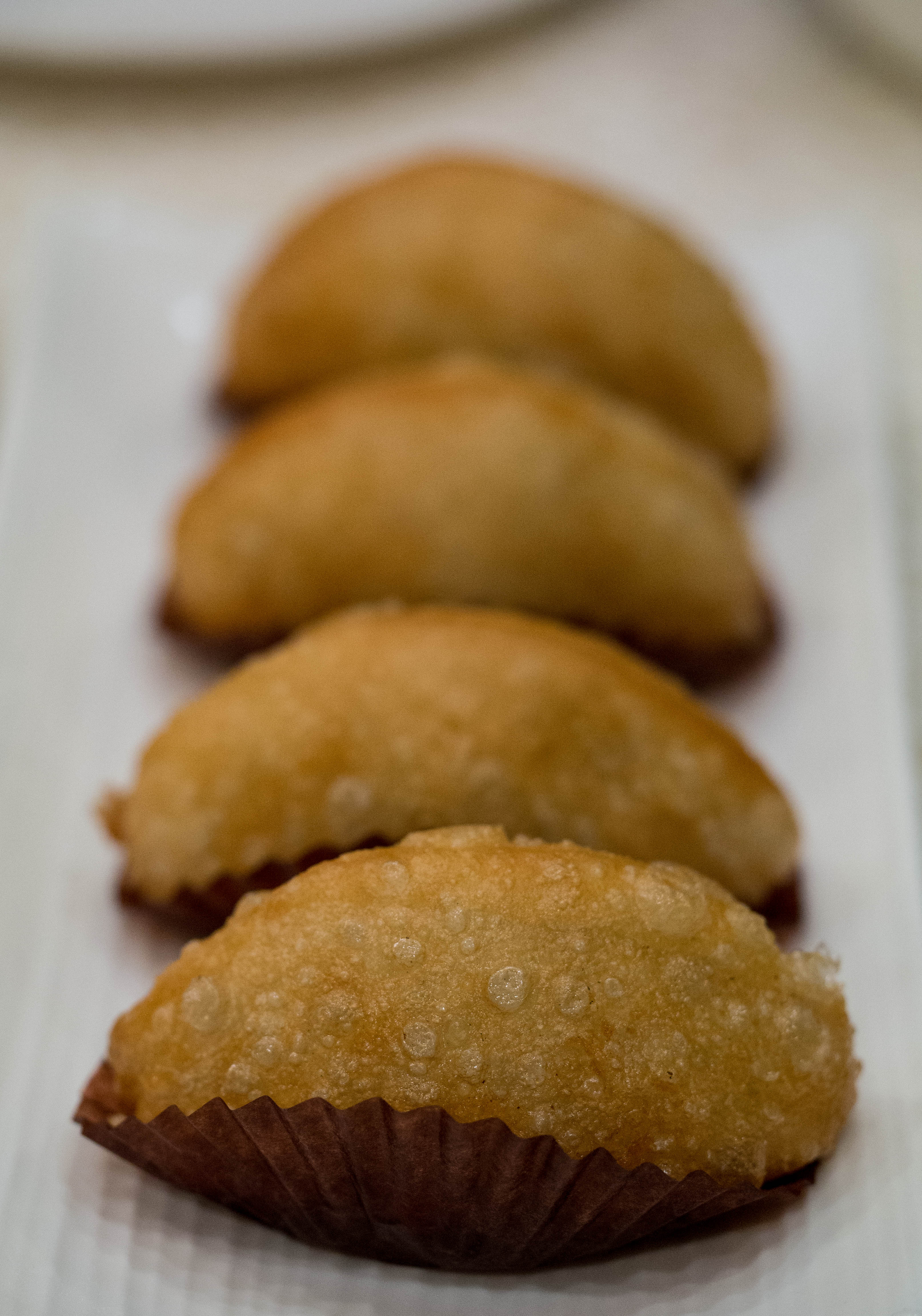
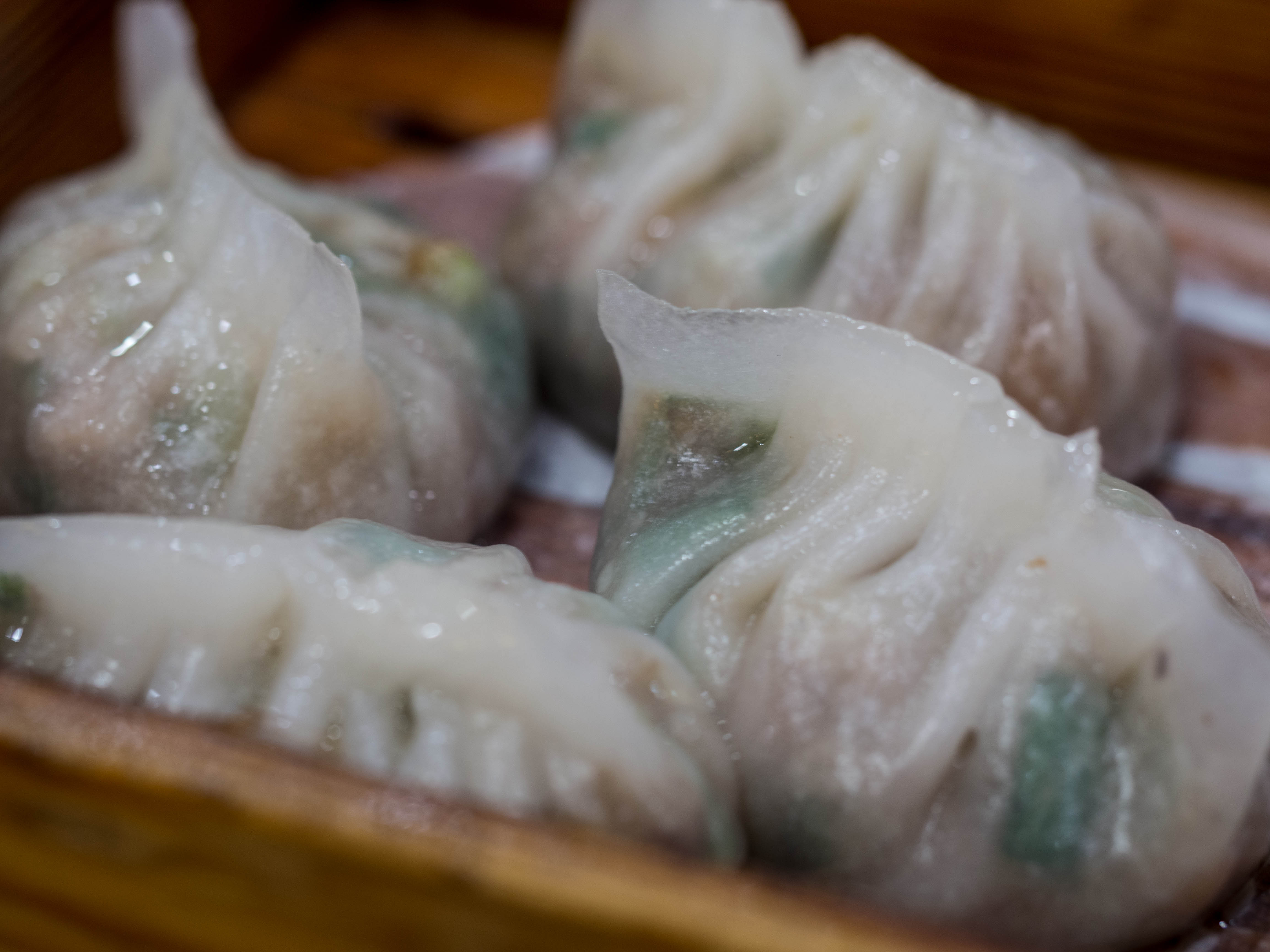
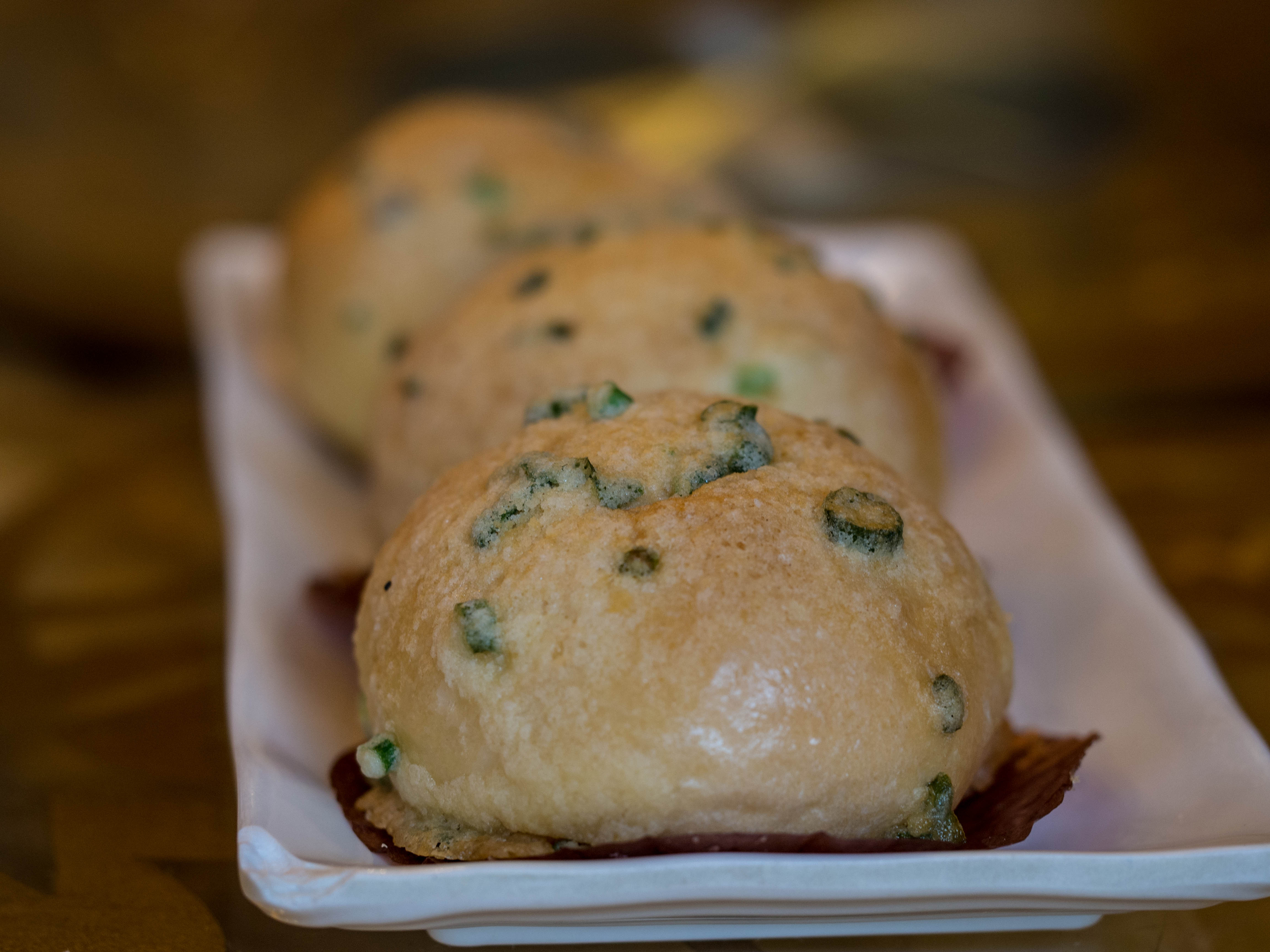
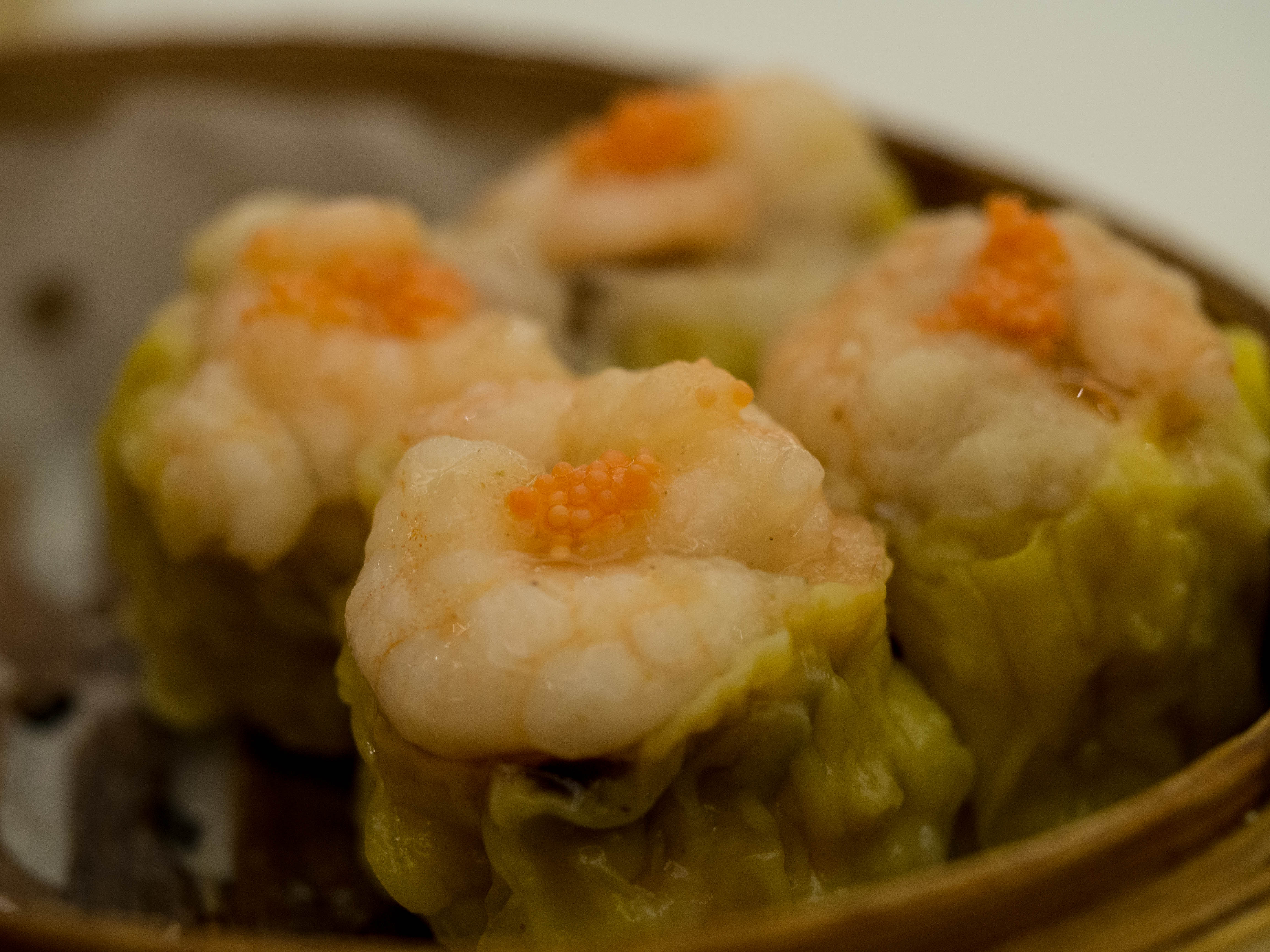
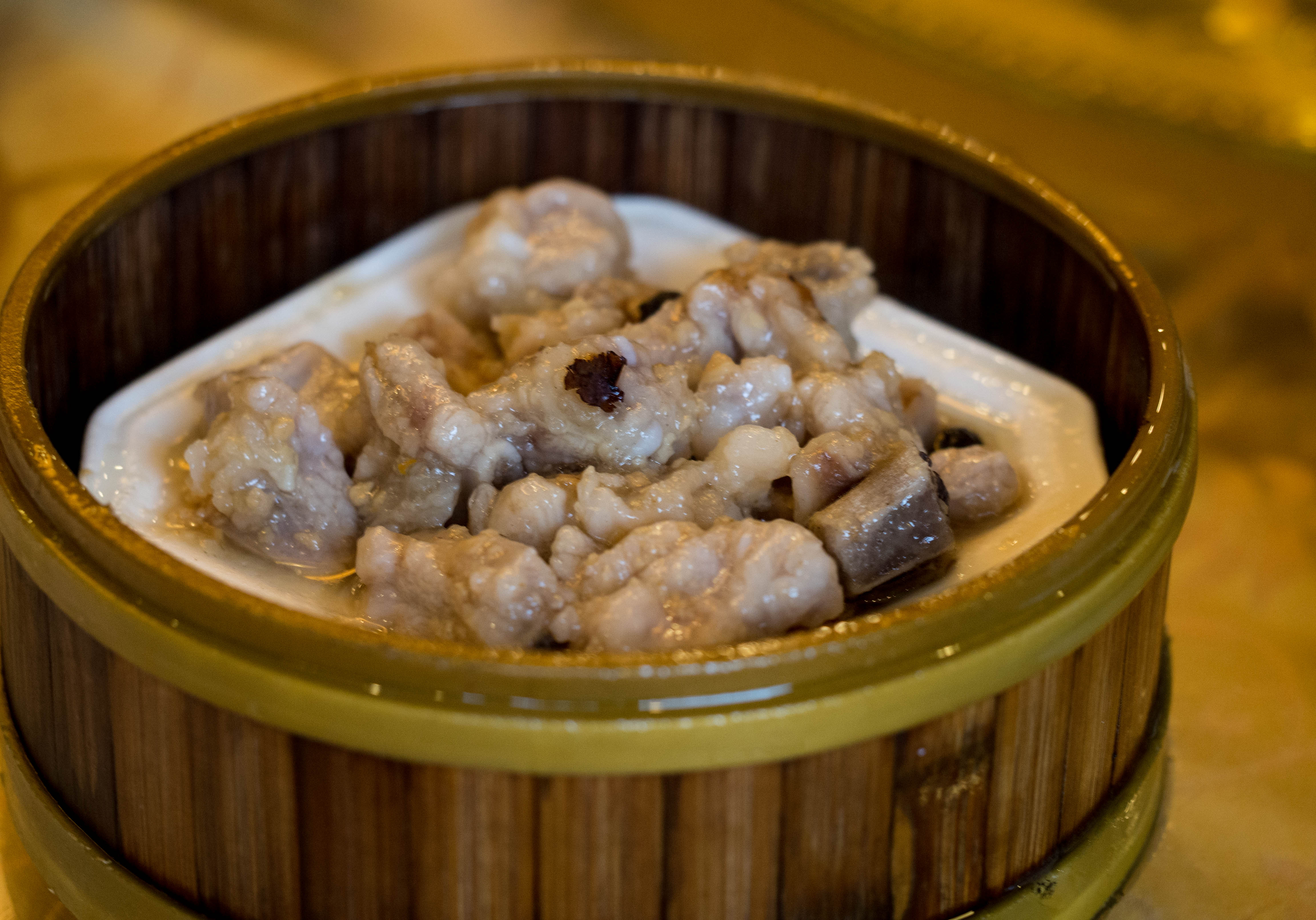
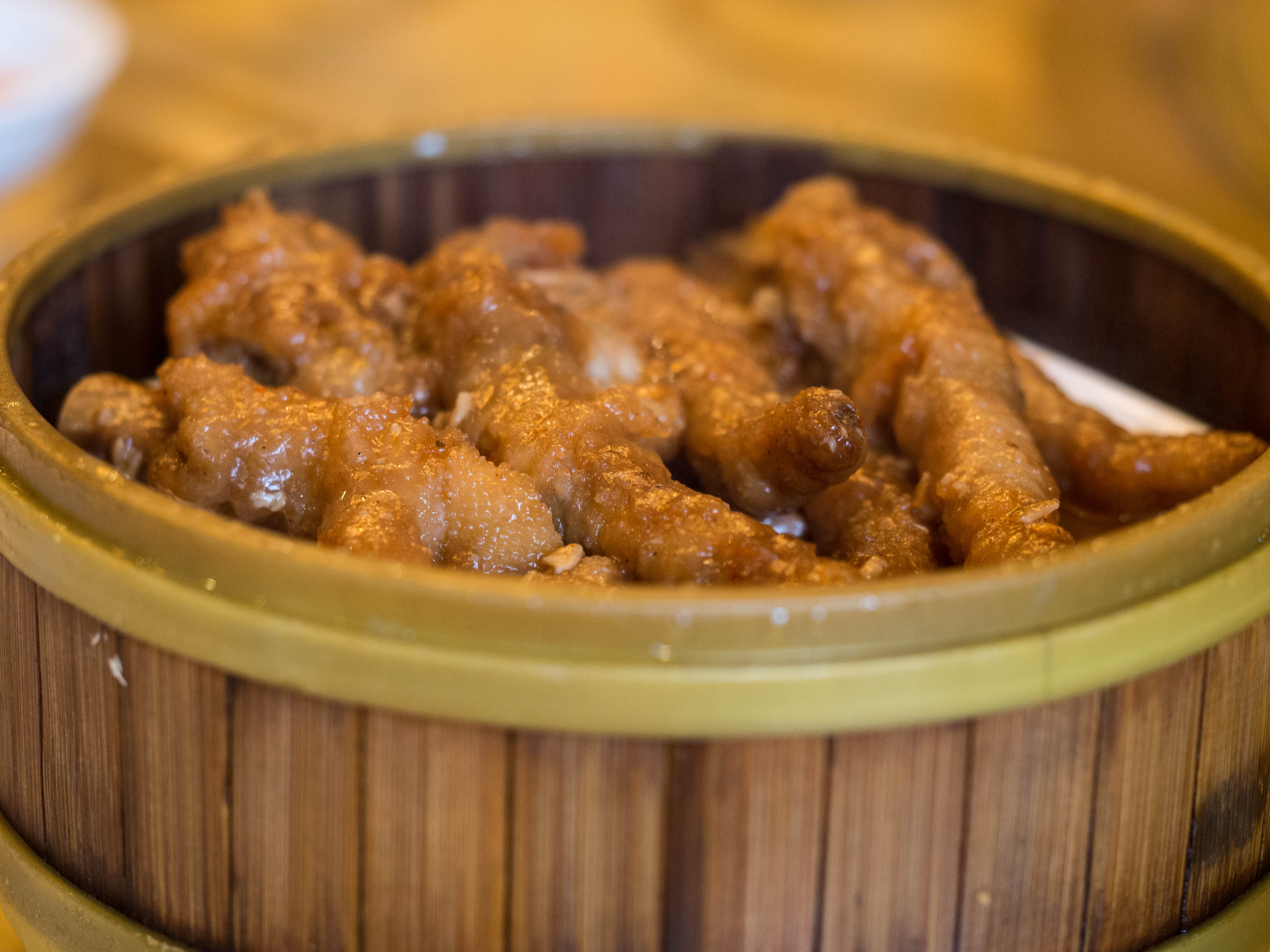
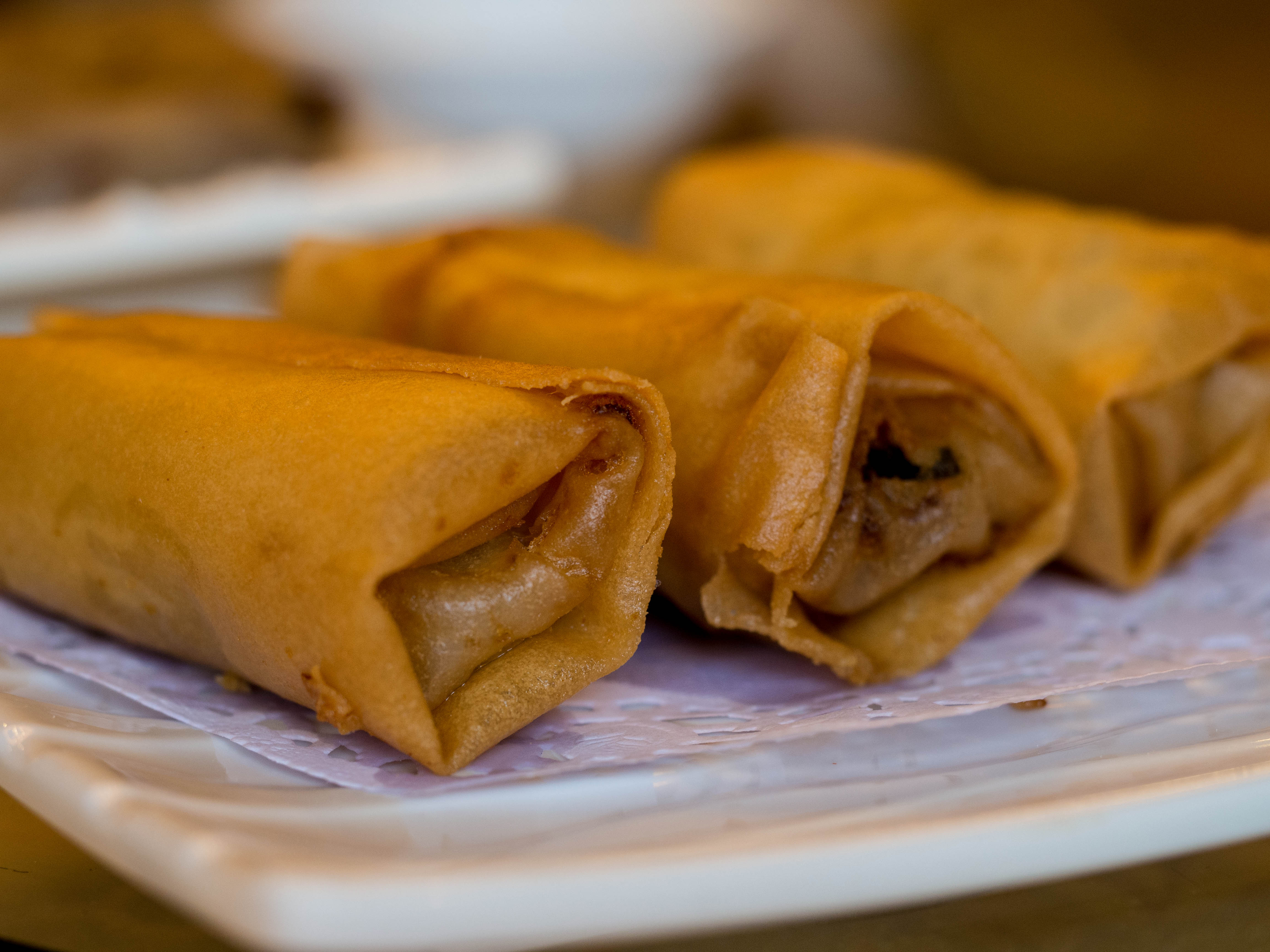
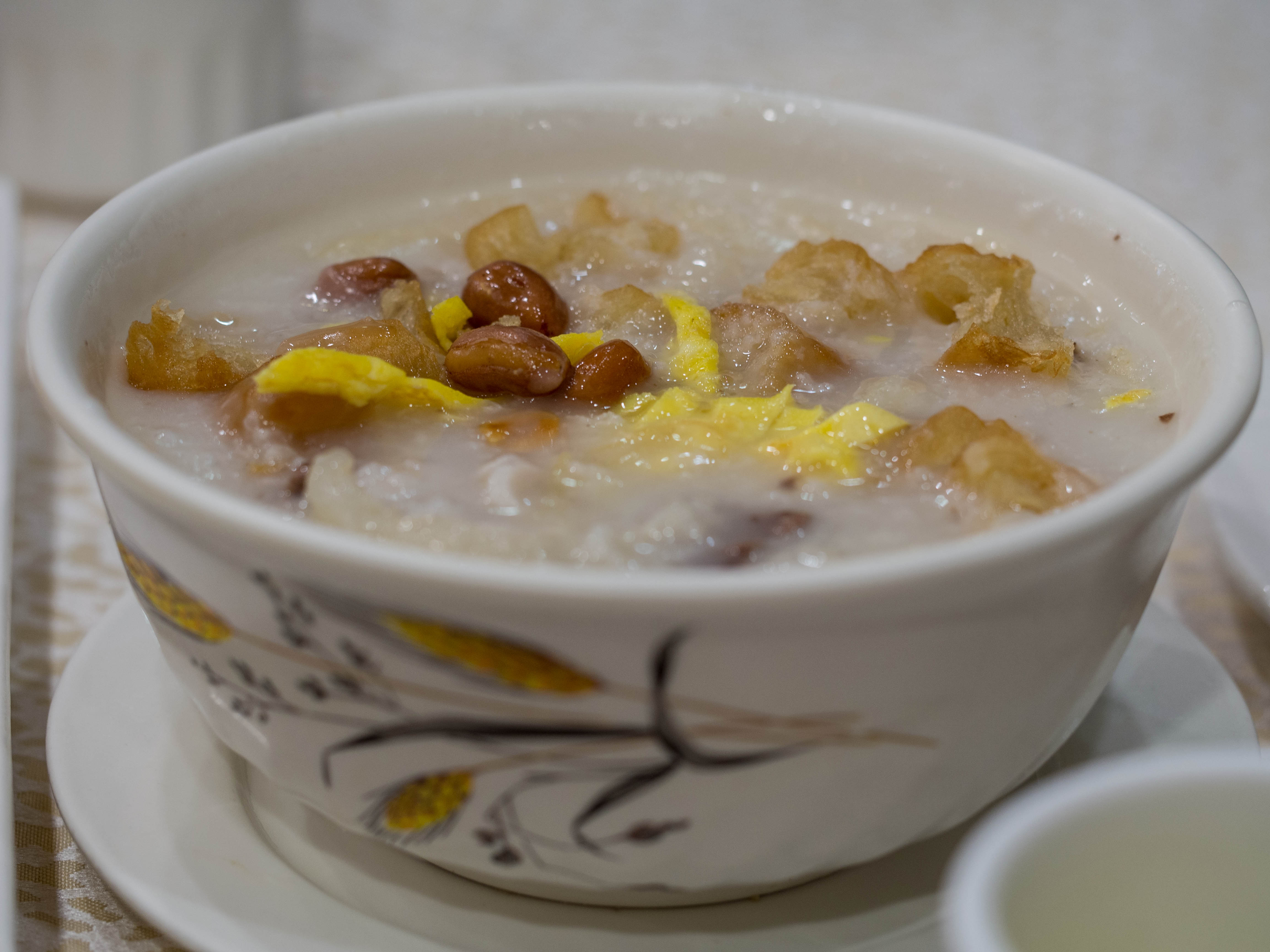
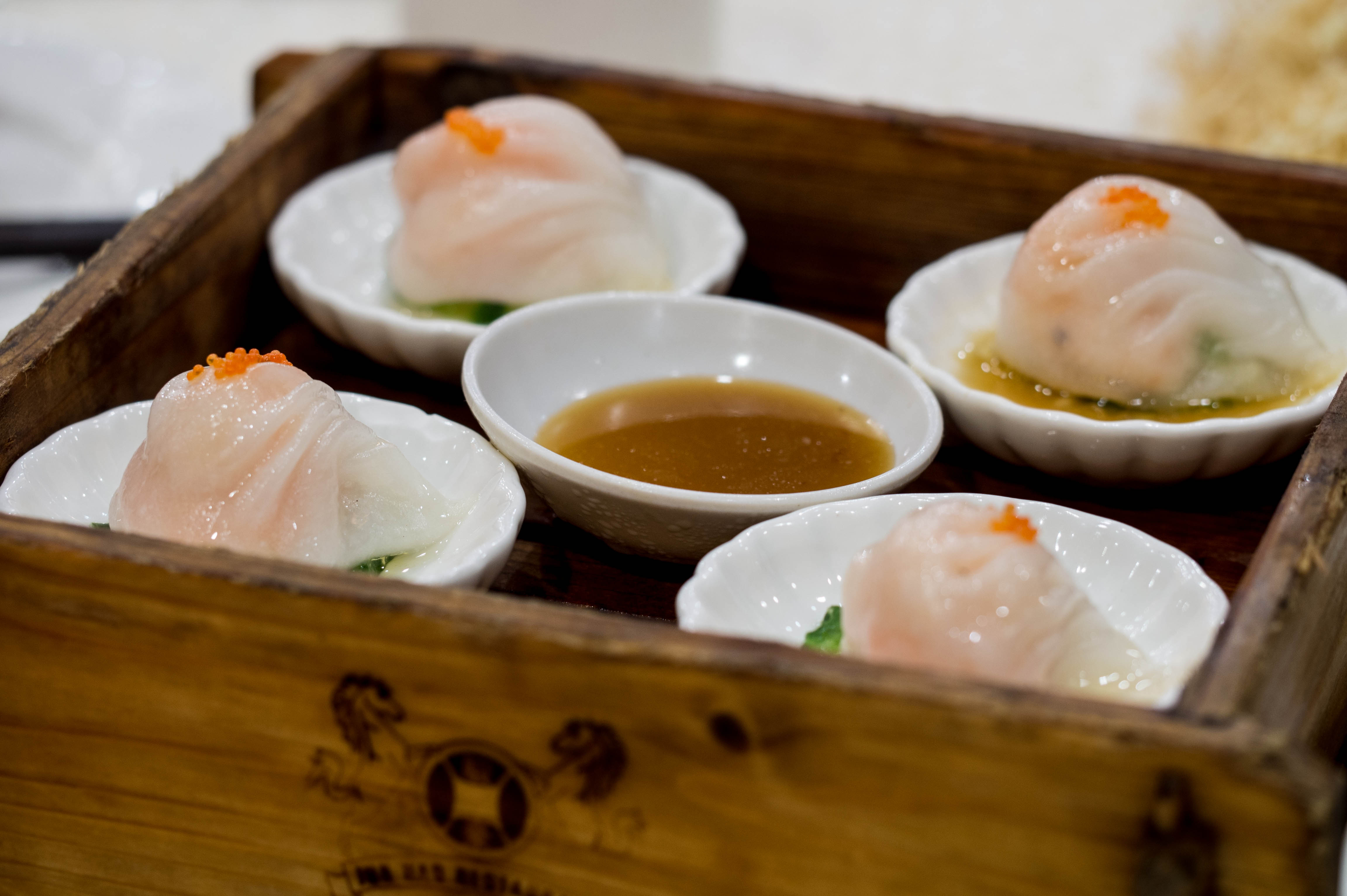
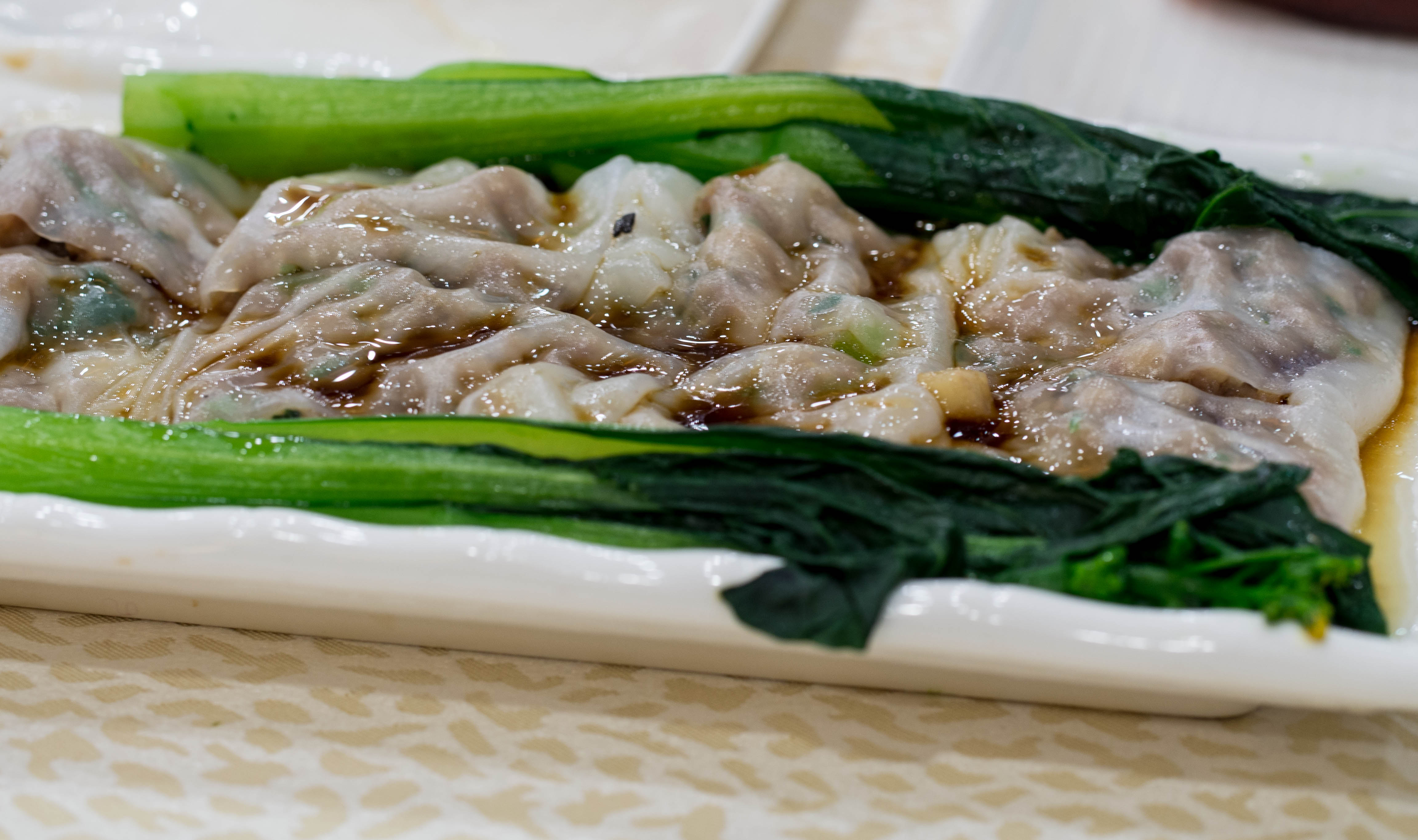
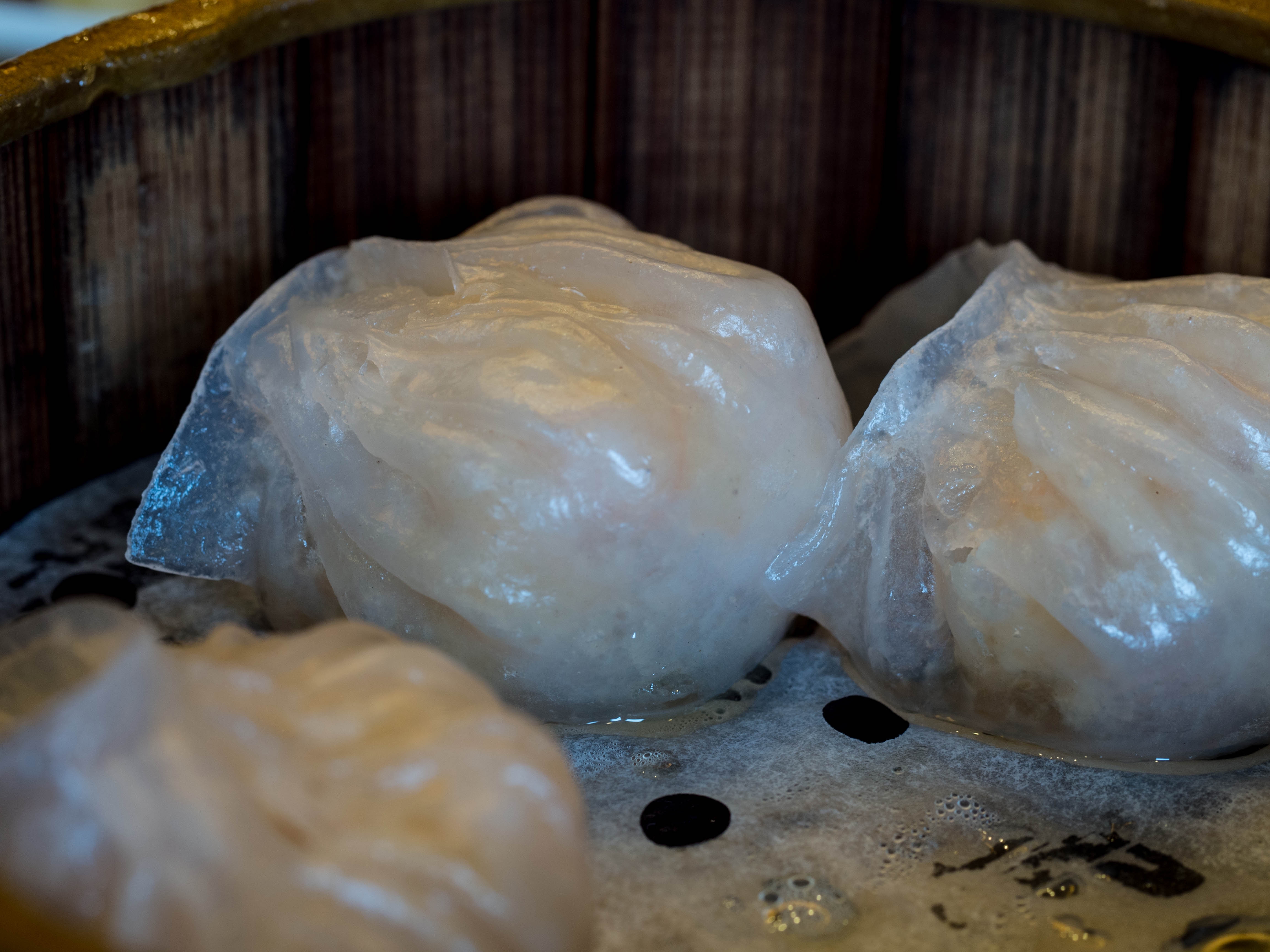
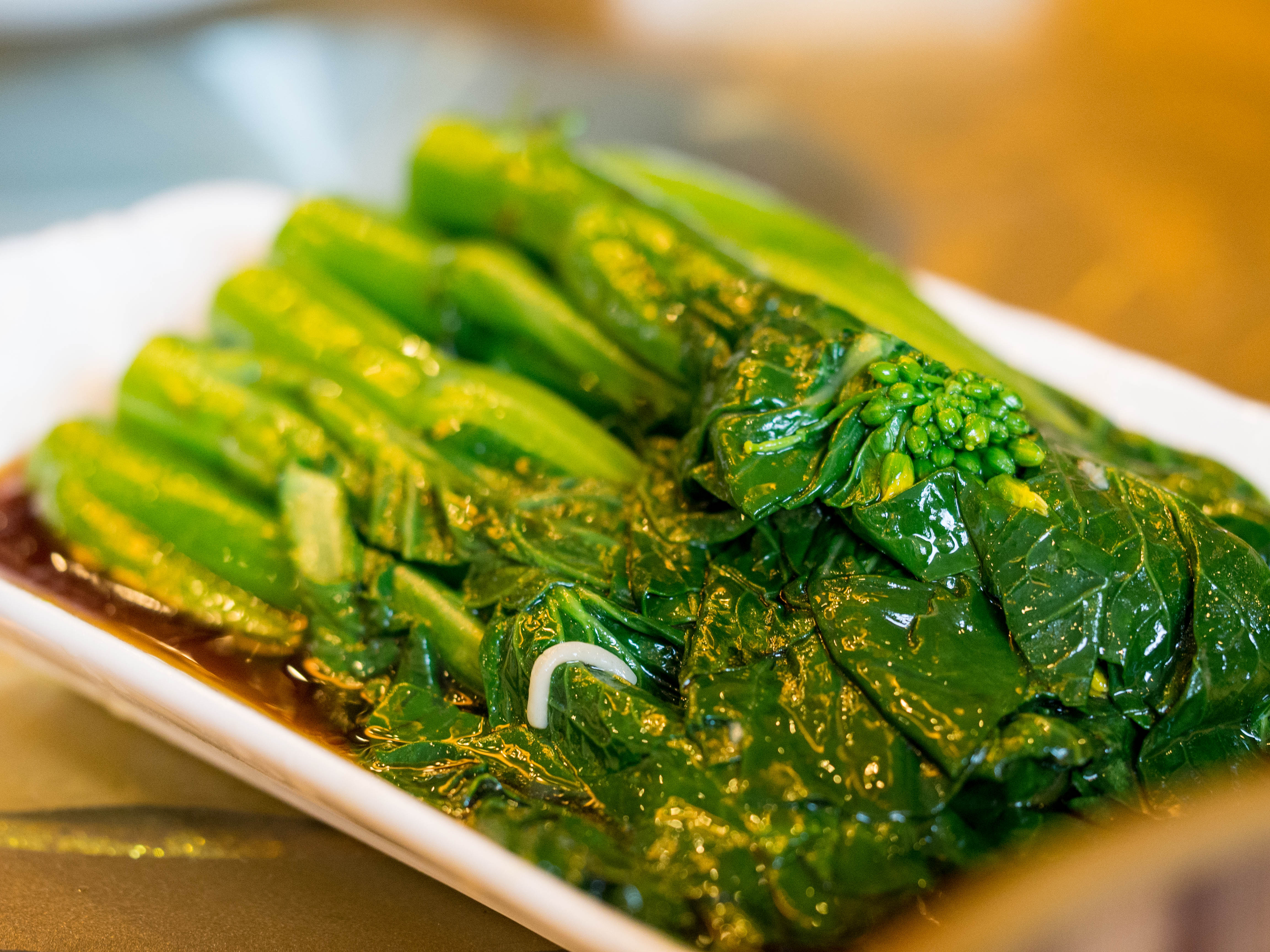
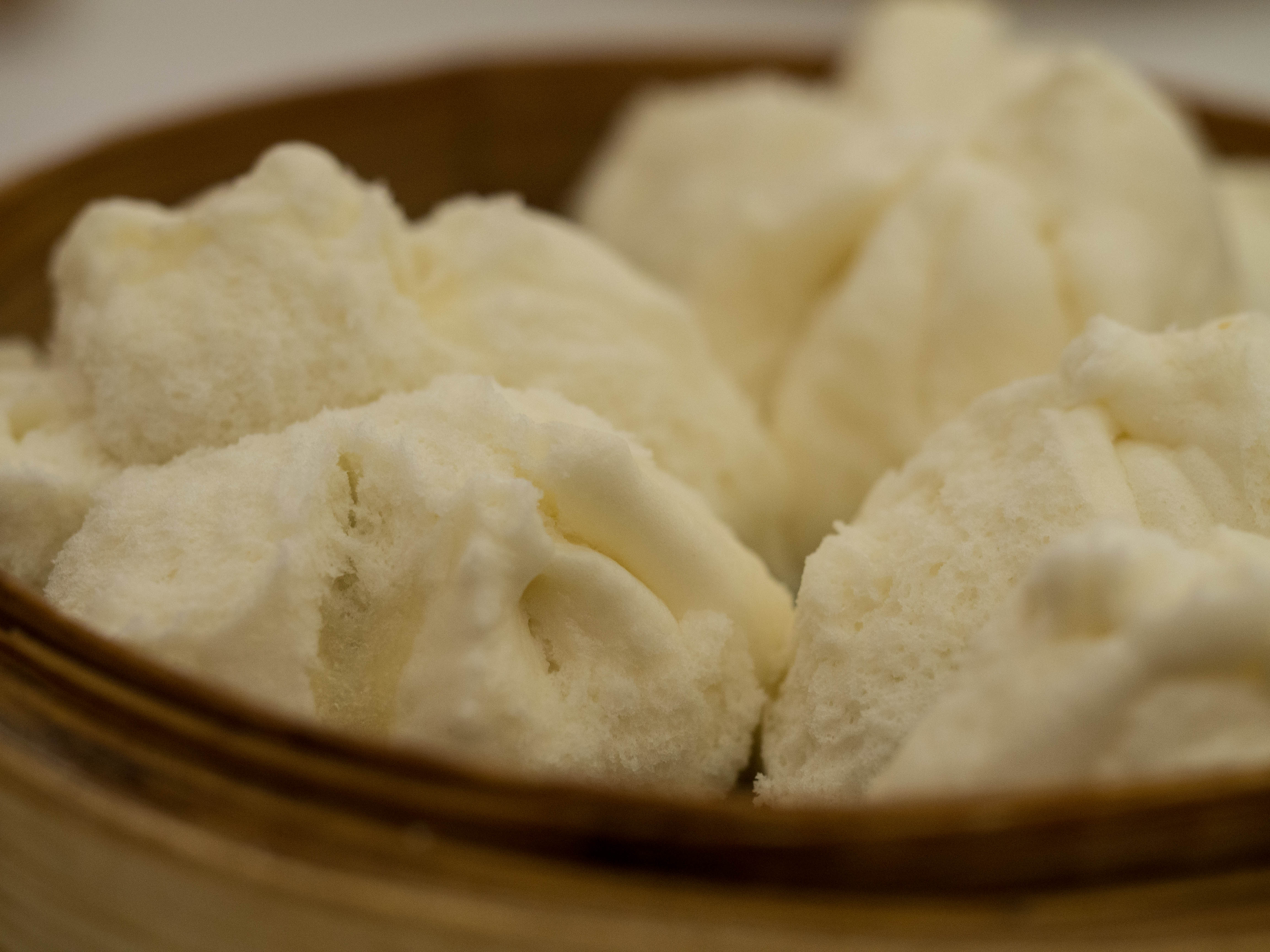
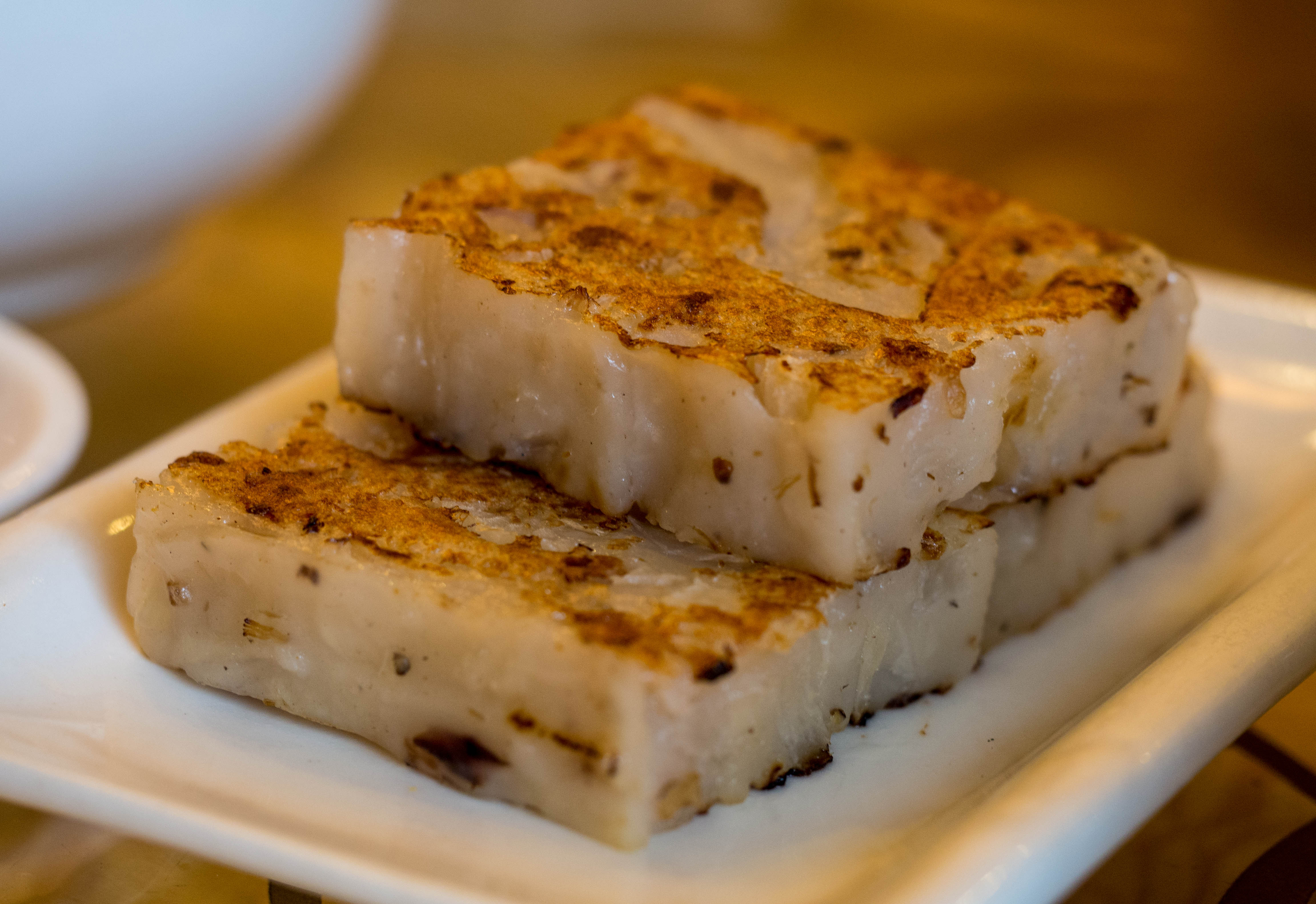
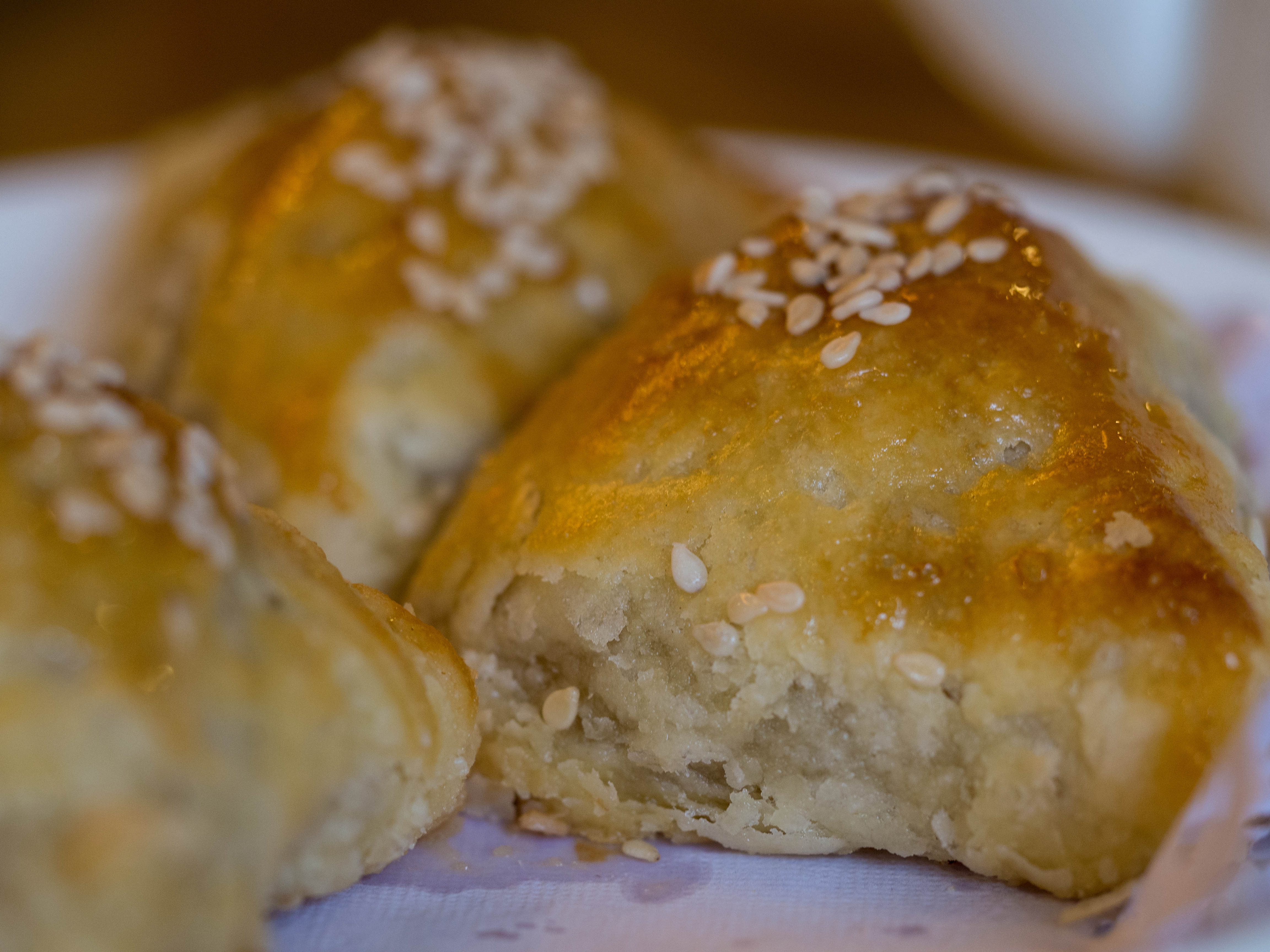
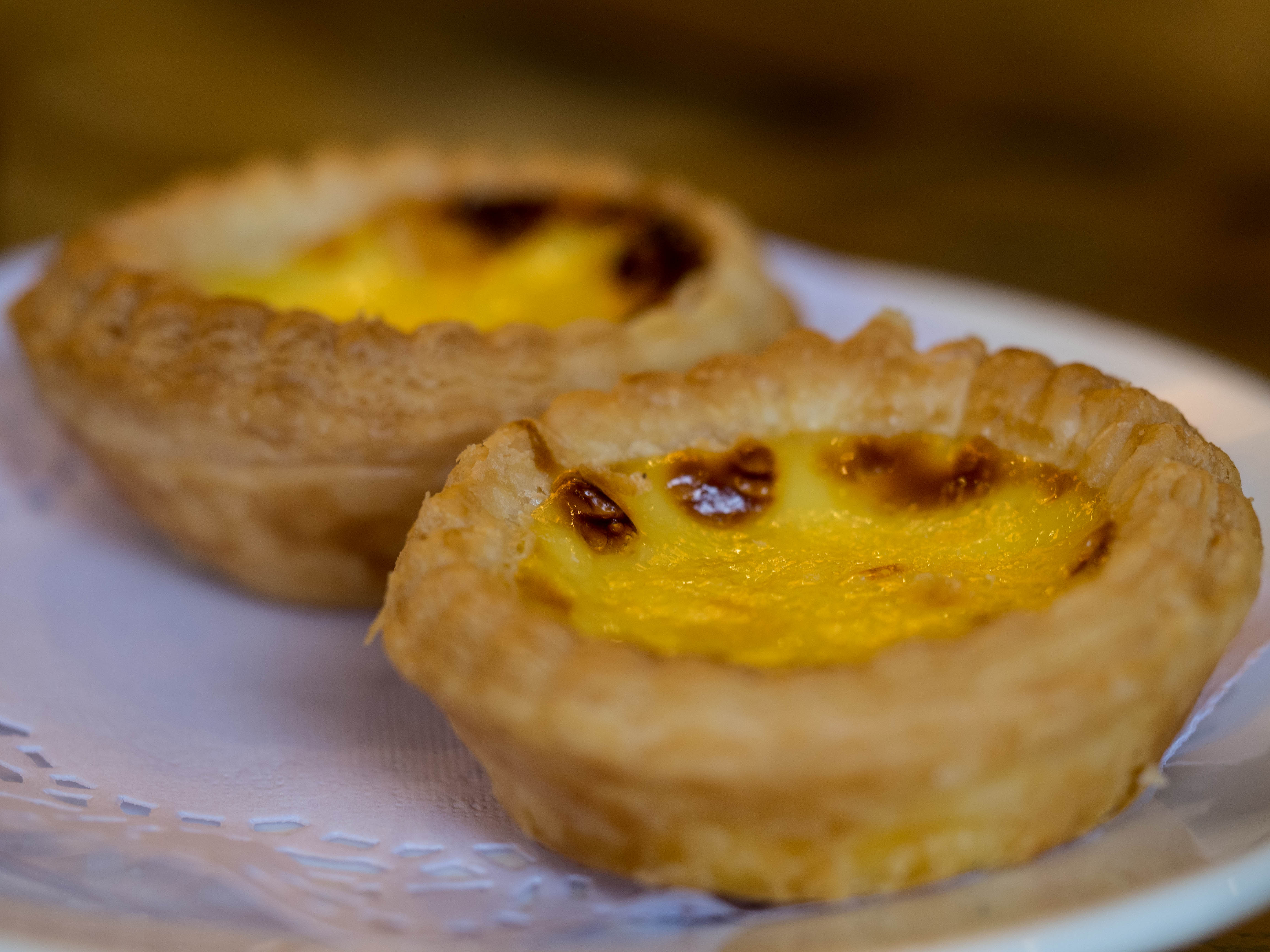
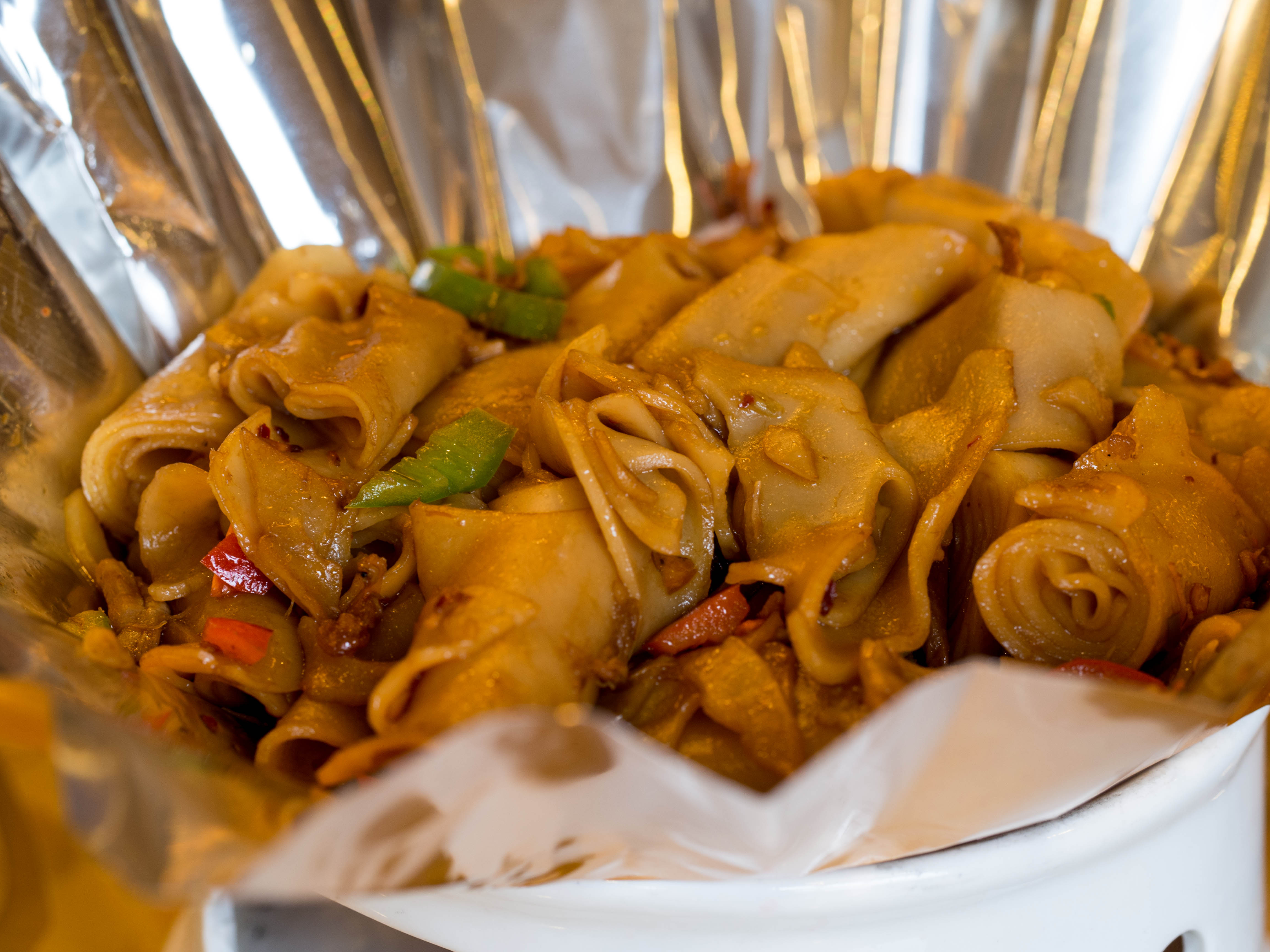
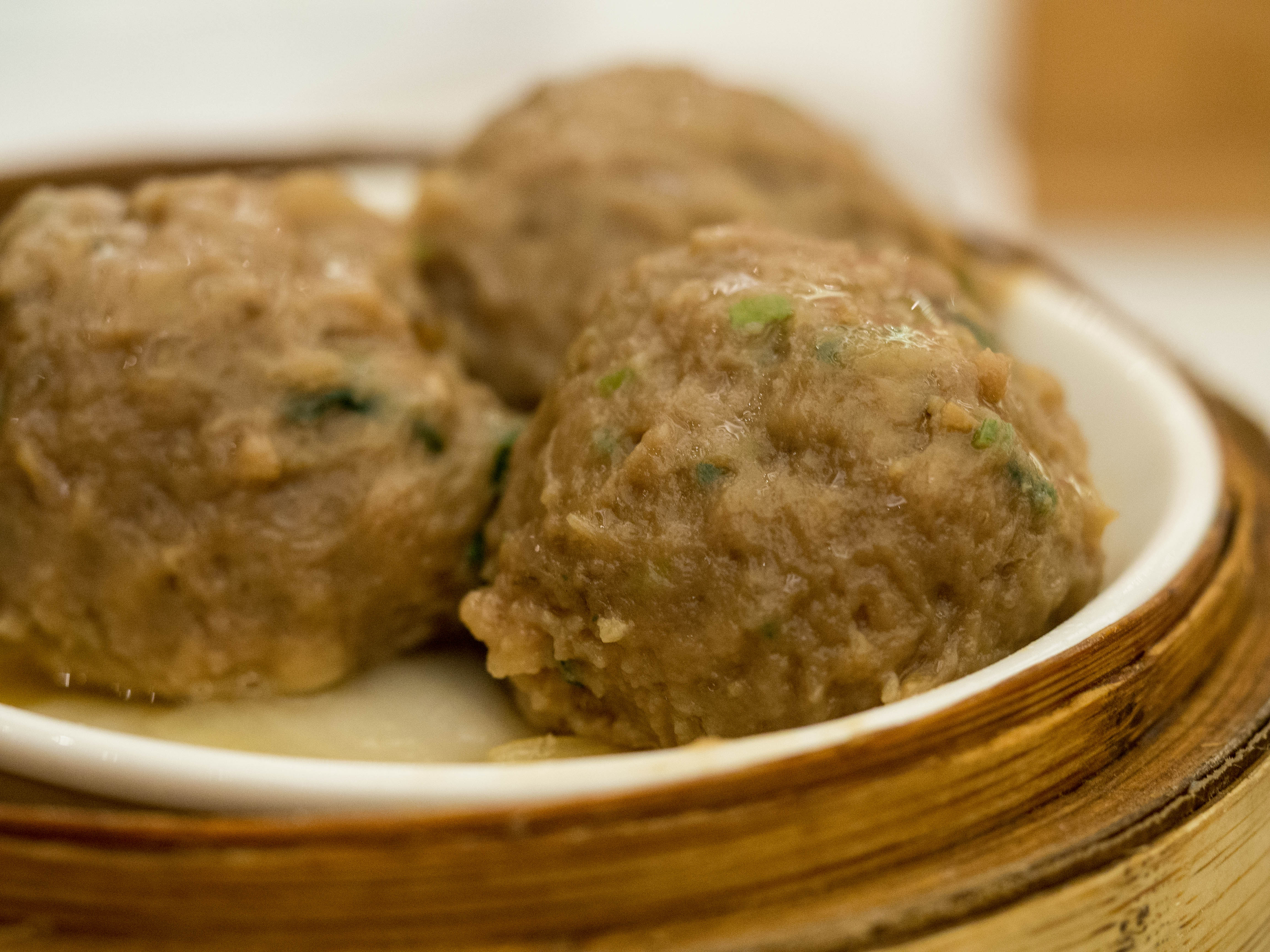
Guangzhou is a wonderful place for excellent dimsum. For nearly two weeks I was able to sample some of the best dimsum the city has to offer. Below are a few highlights in no particular order. This represents several dimsum meals.  Later I’ll do another post and discuss the world of eating dimsum in more detail.

OLYMPUS DIGITAL CAMERA OLYMPUS DIGITAL CAMERA OLYMPUS DIGITAL CAMERA OLYMPUS DIGITAL CAMERA OLYMPUS DIGITAL CAMERA OLYMPUS DIGITAL CAMERA OLYMPUS DIGITAL CAMERA OLYMPUS DIGITAL CAMERA OLYMPUS DIGITAL CAMERA OLYMPUS DIGITAL CAMERA OLYMPUS DIGITAL CAMERA OLYMPUS DIGITAL CAMERA OLYMPUS DIGITAL CAMERA OLYMPUS DIGITAL CAMERA OLYMPUS DIGITAL CAMERA OLYMPUS DIGITAL CAMERA OLYMPUS DIGITAL CAMERA OLYMPUS DIGITAL CAMERA

The Cantonese Really Know How to Eat!

Sunrise over the Pearl River, Guangzhou, China

Sunrise over the Pearl River, Guangzhou, China

I’ve been in southern China, specifically Guangdong Province, for the past couple weeks and was reminded of how seriously the Cantonese take their food and eating. Back in the early 80’s I lived in Hong Kong and learned first hand how much the Cantonese love to eat. Food was everywhere and people ate all day long it seemed, and late into the night. I remember once in the early 90’s I was in Guangzhou for a couple weeks working on a Cantonese language project. One night my Cantonese colleagues and I finished up our work at about 11:00 pm. I had a flight out the next morning at 7 am and figured I’d head back to my hotel and go to bed. But they had other plans. They suggested we go out and get something to eat. Why not? A little snack would be good. Boy, was I wrong. We found a small restaurant with tables spilling out onto the sidewalk. The dishes kept coming and coming. We ended up with 12 different dishes and ate until 2:00 am.

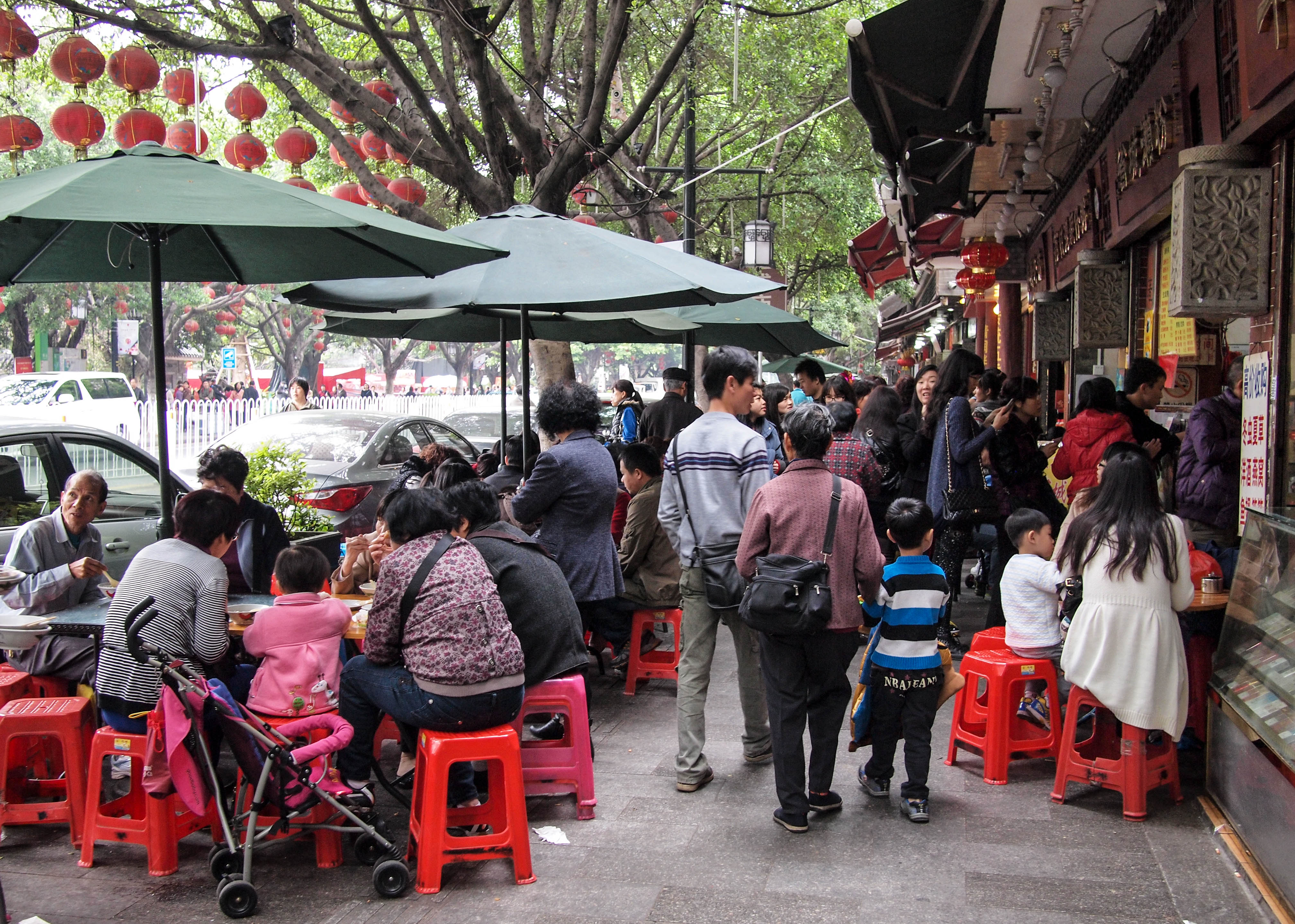
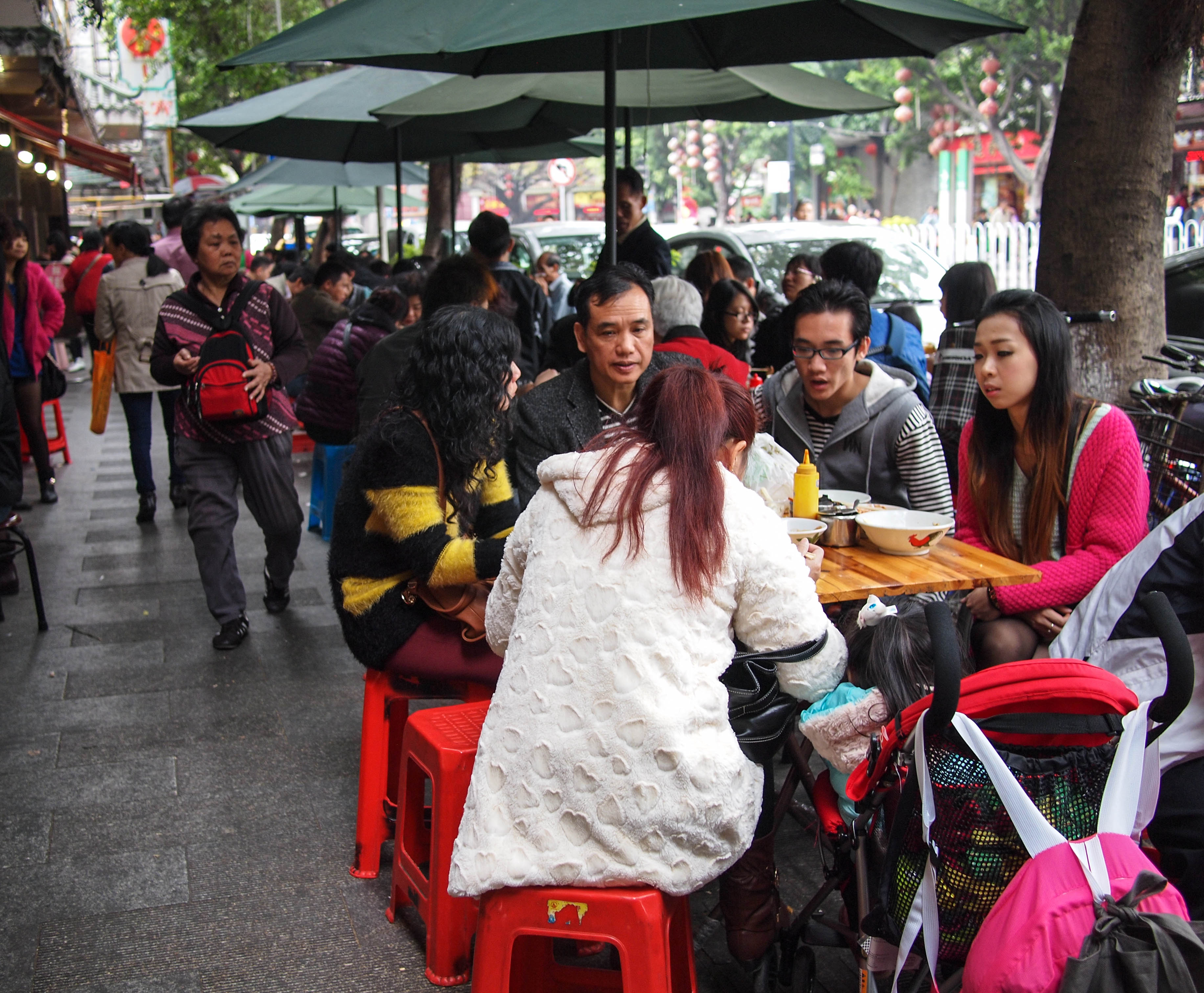
One the first things the foodie may notice in Guangzhou is that there is food and eating everywhere. It is common for small restaurants to set up tables along the sidewalk and at the best places people will be lined up waiting for a table.

People eating and lining up to eat.

People eating and lining up to eat.

Eating is THE social activity in Guangzhou

Eating is THE social activity in Guangzhou

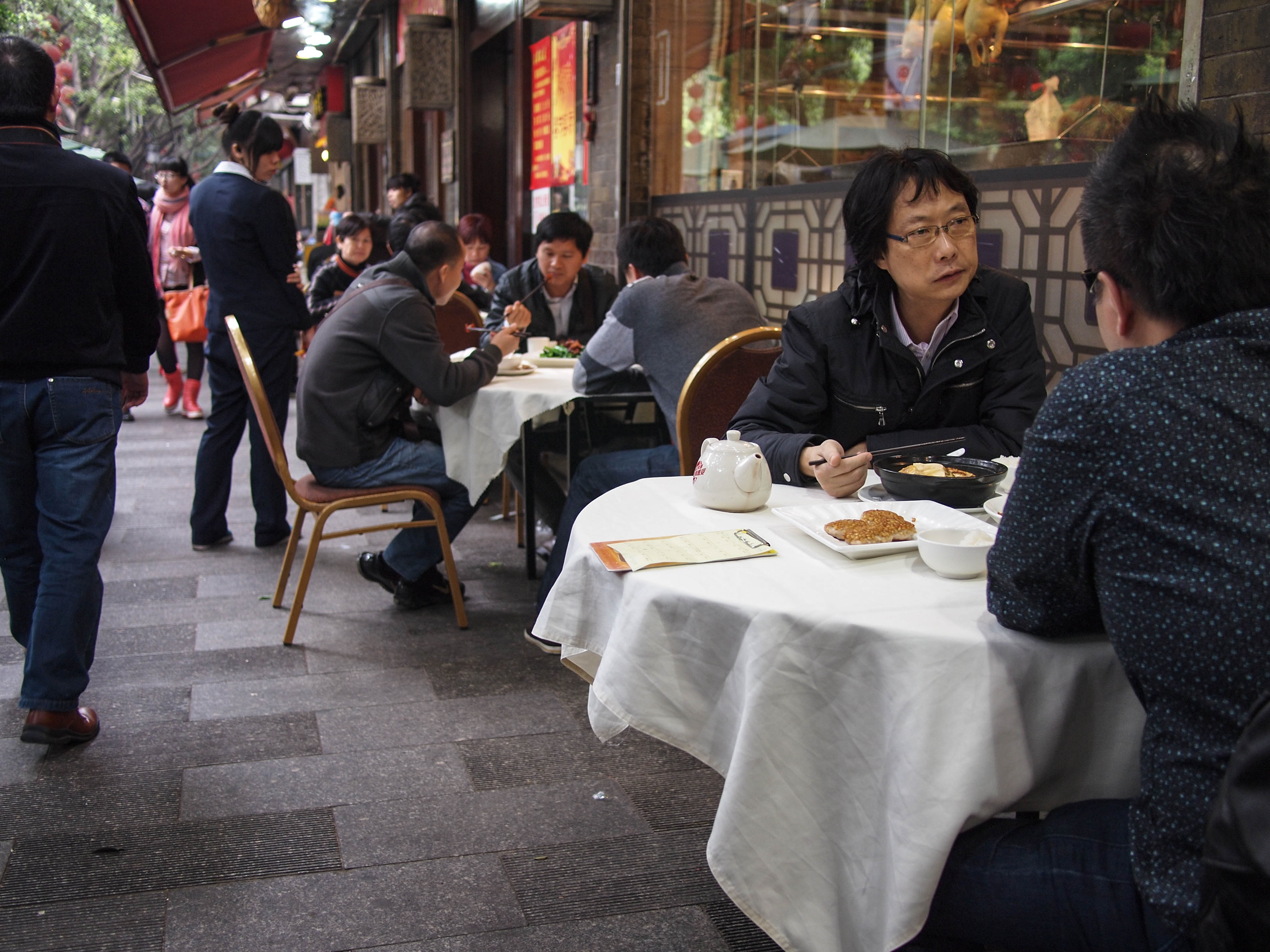
Even white tablecloths at some places.

Even white tablecloths at some places.

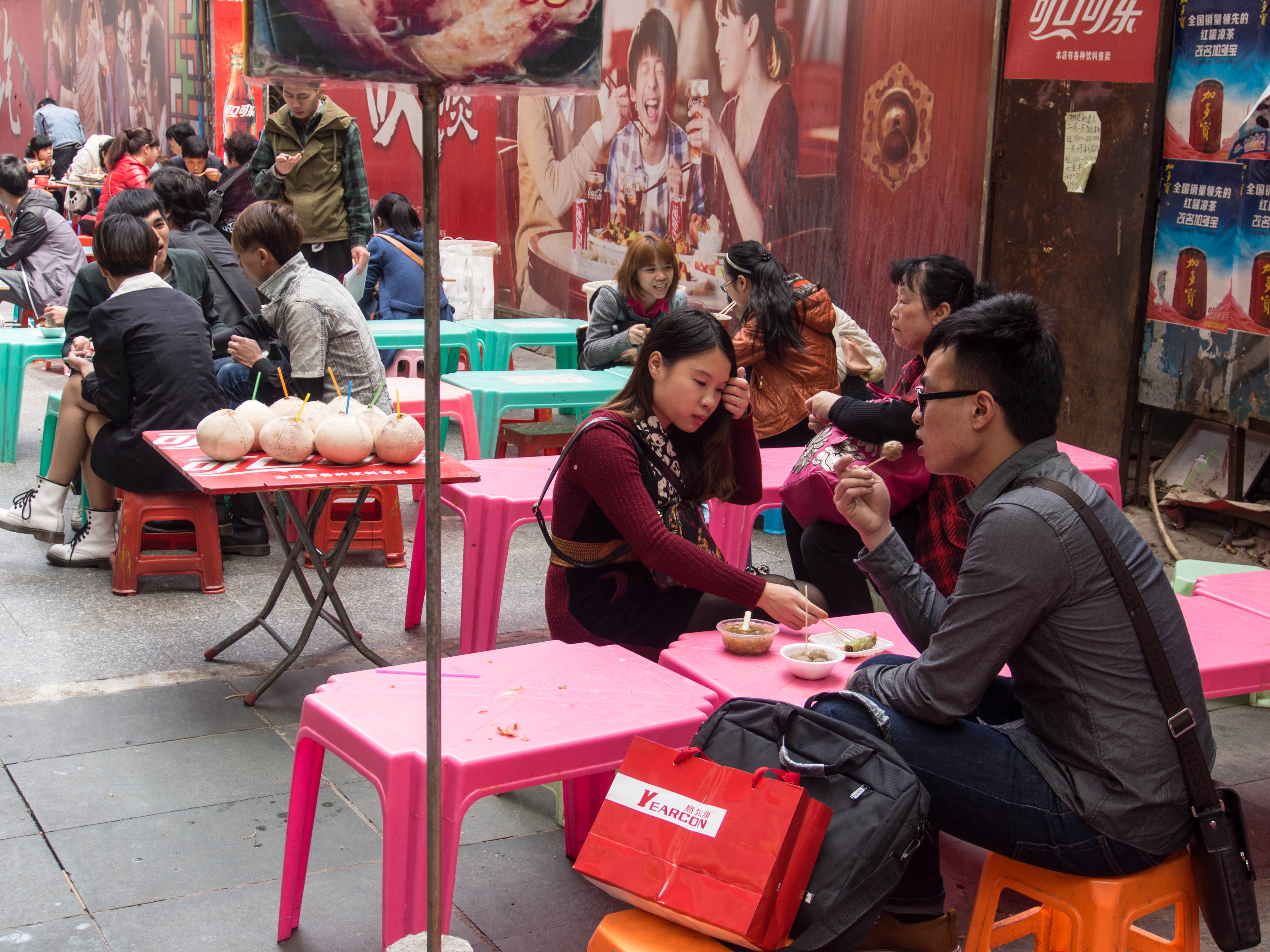
The number of restaurants in Guangzhou is staggering. Street food is also pretty serious business in Guangzhou as well. Busy pedestrian malls, night markets, near bus and train stations, and shopping areas are packed with vendors selling snacks from their carts. The streets are lined with countless small shops selling everything from milk tea to ice cream. And everyone is eating.

Snack food in Guangzhou

Snack food in Guangzhou

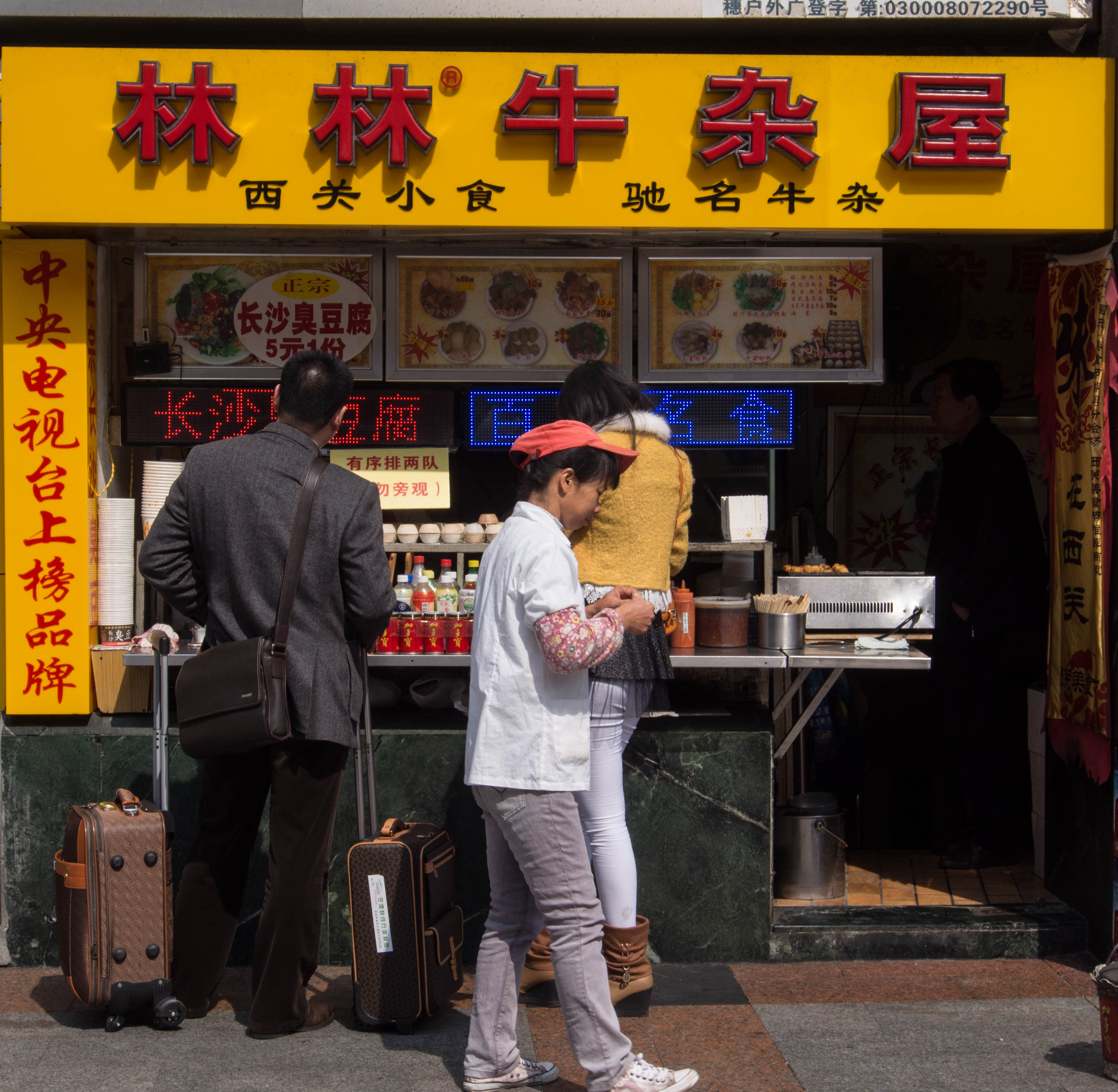
This shop sells 牛杂 niǔzá, literally 'misc. beef' but really means beef innards like tripe

This shop sells 牛杂 niǔzá, literally ‘misc. beef’ but really means beef innards like tripe

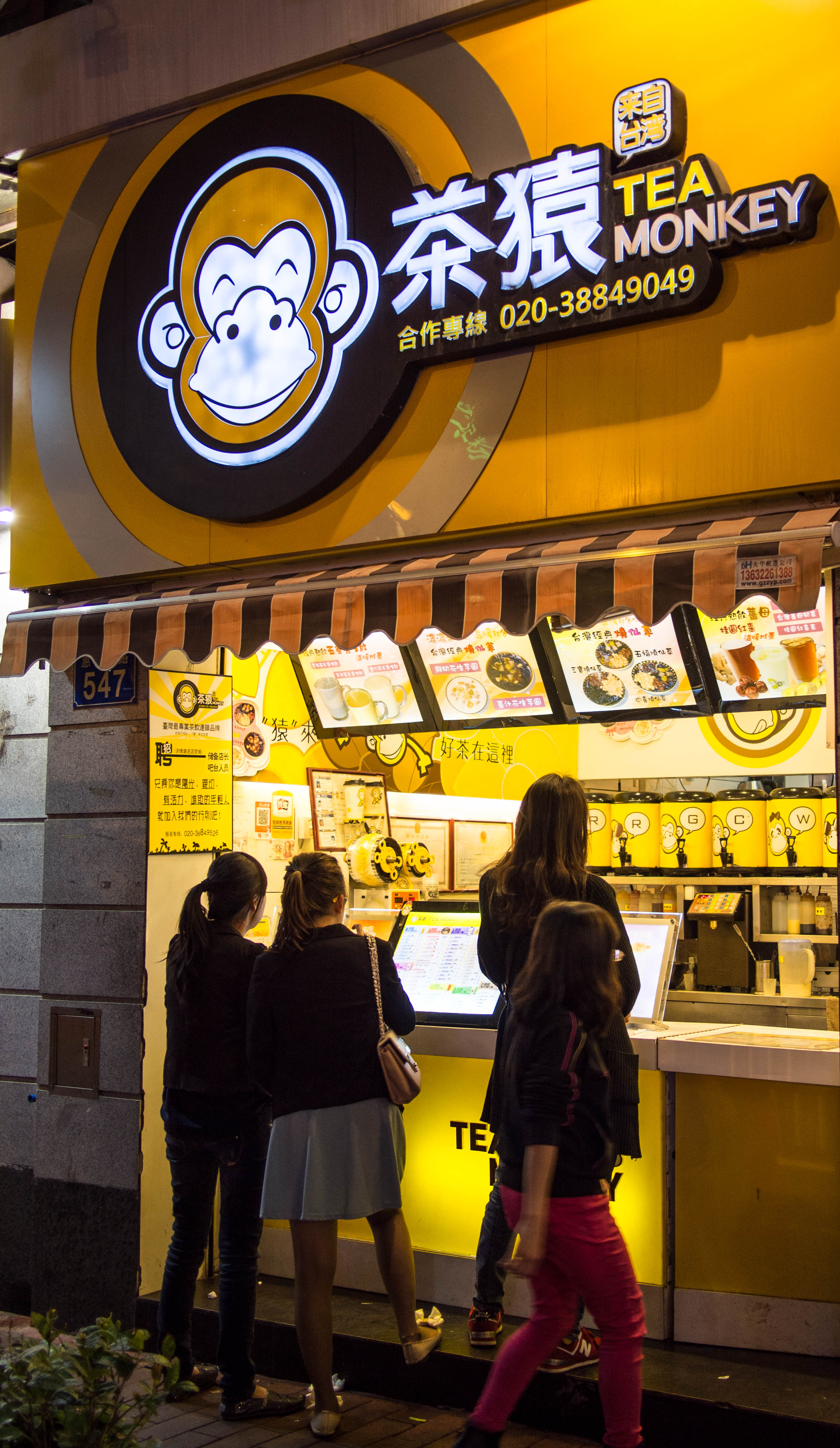
Milk an bubble teas are very popular.

Milk an bubble teas are very popular.

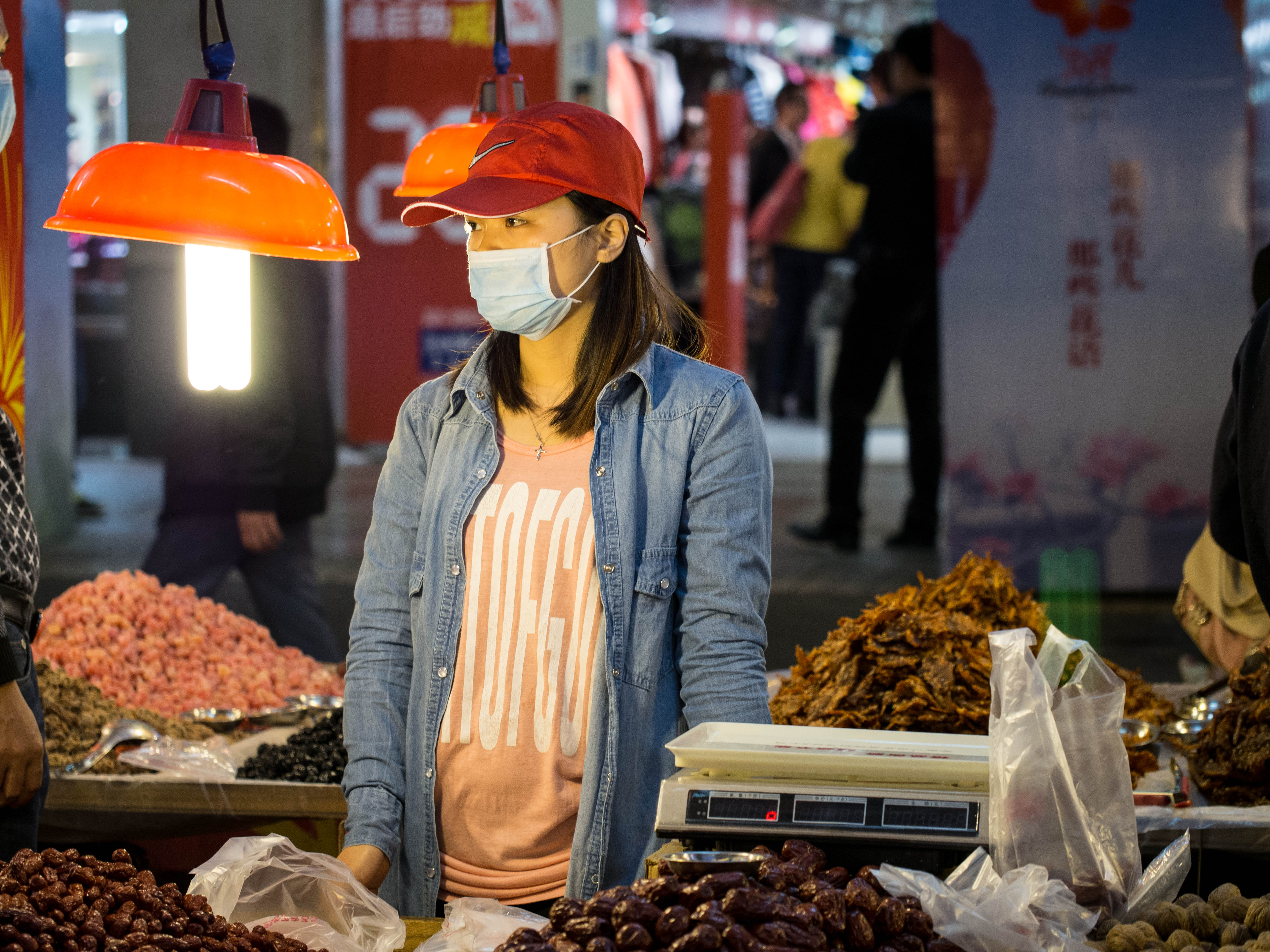
Dried seafood is a very popular snack in Guangzhou, especially squid.

Dried seafood is a very popular snack in Guangzhou, especially squid.

Of course Cantonese food is probably most notable for its dimsum and the dimsum in Guangzhou is spectacular. I will be doing several more posts on the eating scene in Guangzhou as it is one of the major cuisines of China.

Also watch for an upcoming posts on eating in Chaozhou and Taiwan.


Eating Seafood in Tianjin

Seafood lunch in Tianjin

Seafood lunch in Tianjin

Last year I had the opportunity to go to Tianjin for the first time. I have to admit that previously I had not had a great desire to go to Tianjin. I always imagined it as a big, dirty, industrial city. But I guess things have changed over the years. I had a couple days in Beijing where I met some friends so we decided to take the new bullet train out to Tianjin. It only took 28 minutes.

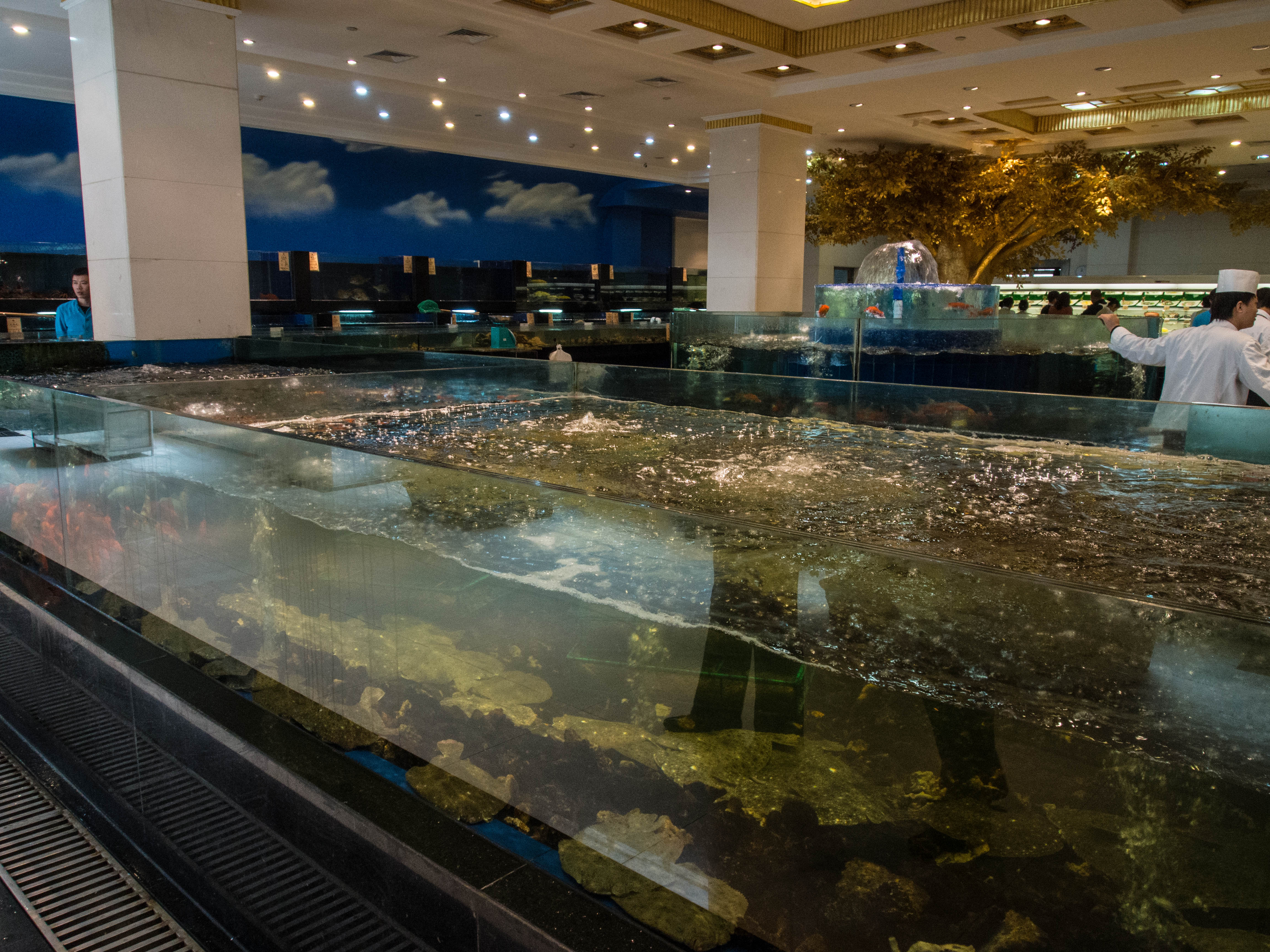
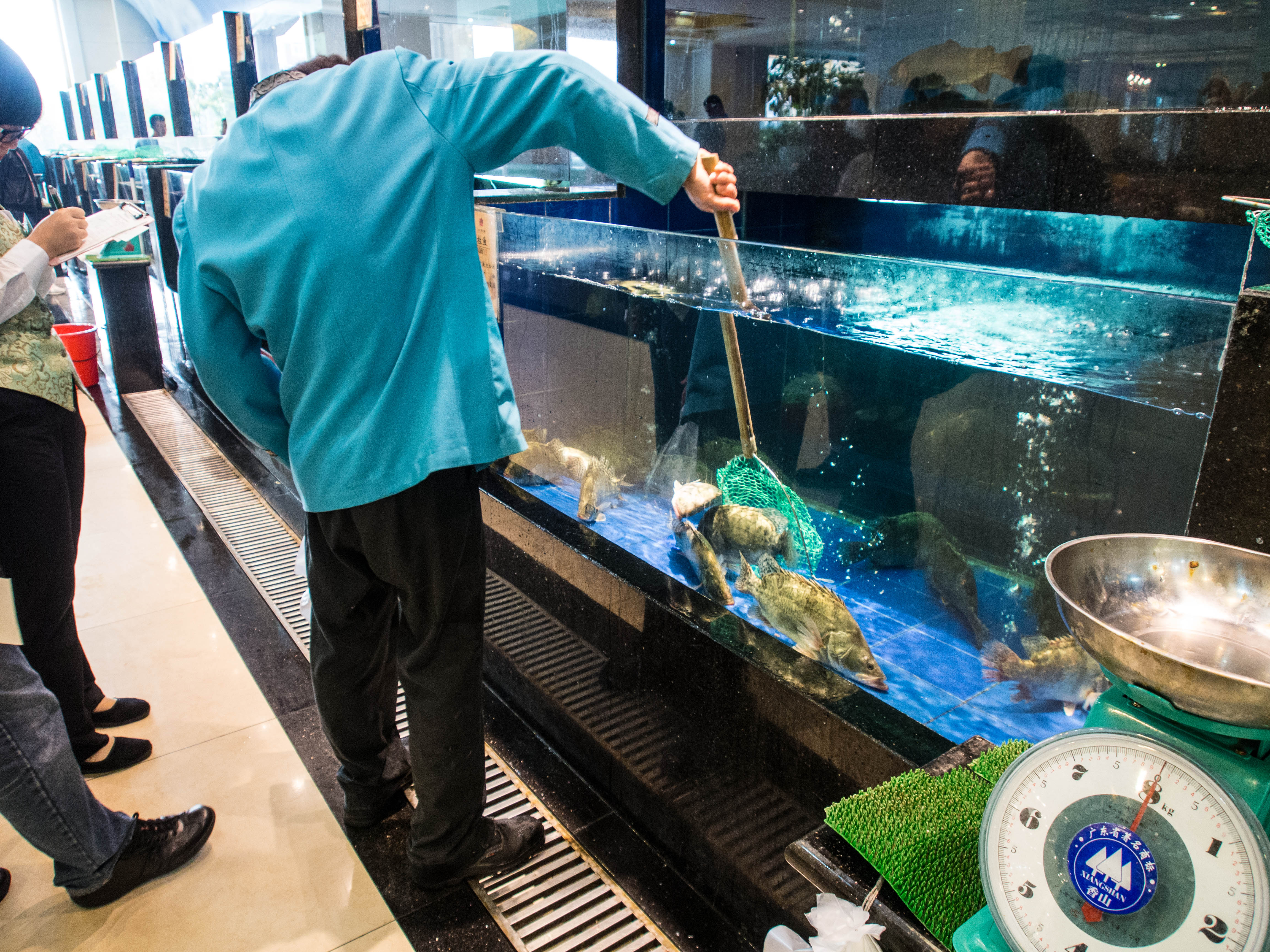
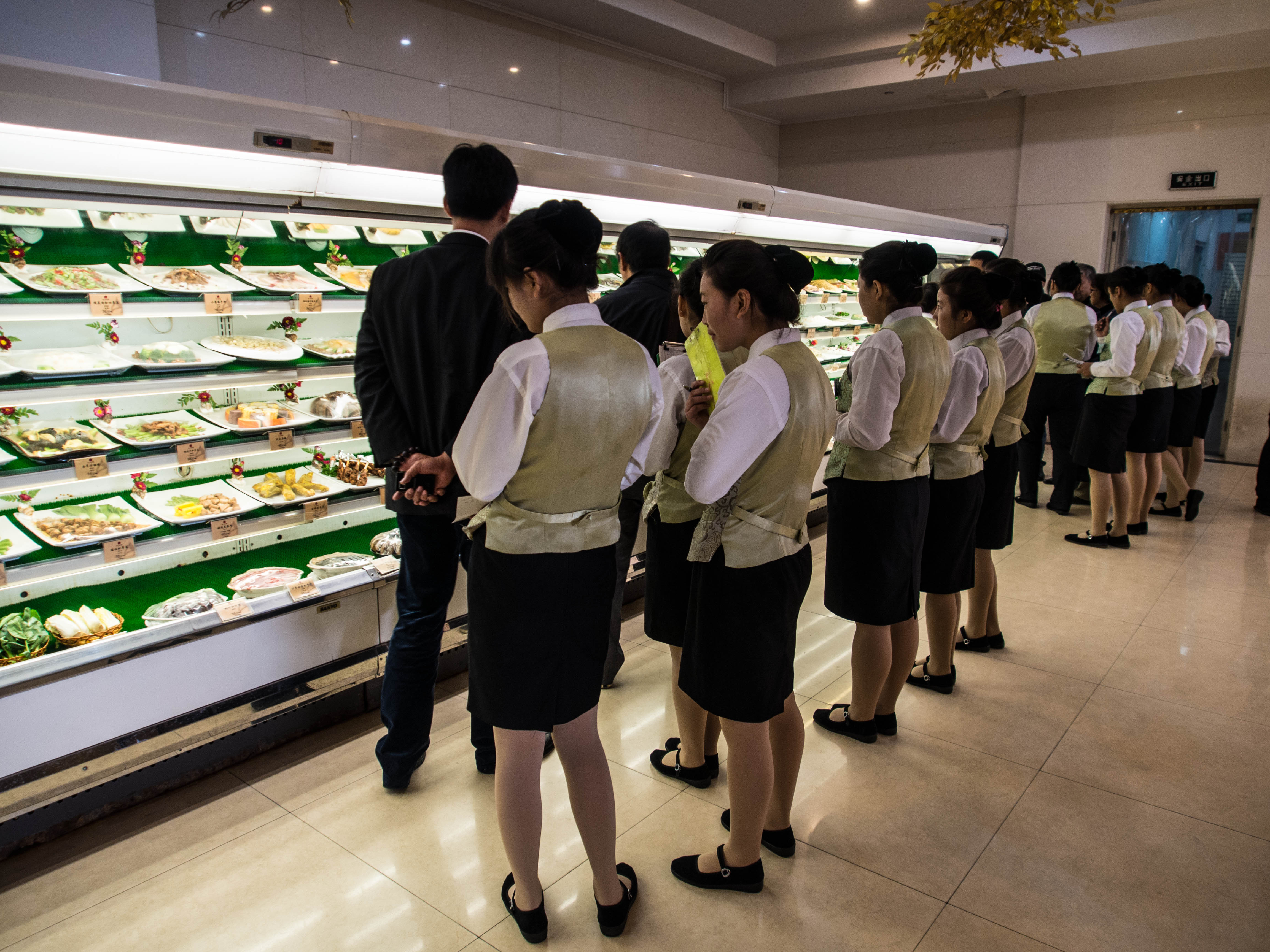
I had a former graduate student who was from Tianjin. Her parents were kind enough to pick us up at the train station, show us around the city, and feed us well. For lunch they took us to a fabulous seafood restaurant called 鹏天阁酒楼 péngtiāngé jiǔlóu. It was a large, well decorated restaurant. On the ground floor were dozen of large fish tanks full of turtles, lobster, shrimp, all kinds of fish, and so on. There was also many varieties of fish and other seafood on ice. There were also refrigerated cases full of side dishes. The way these kinds of restaurants work is you walk around, followed by a hostess, and you tell her what you want. You even select the specific fish you would like to eat. They write everything down, and in some cases, net the seafood right there on the spot for you.

Tanks full of live seafood

Tanks full of live seafood

Netting our selected fish

Netting our selected fish

Selecting other dishes

Selecting other dishes

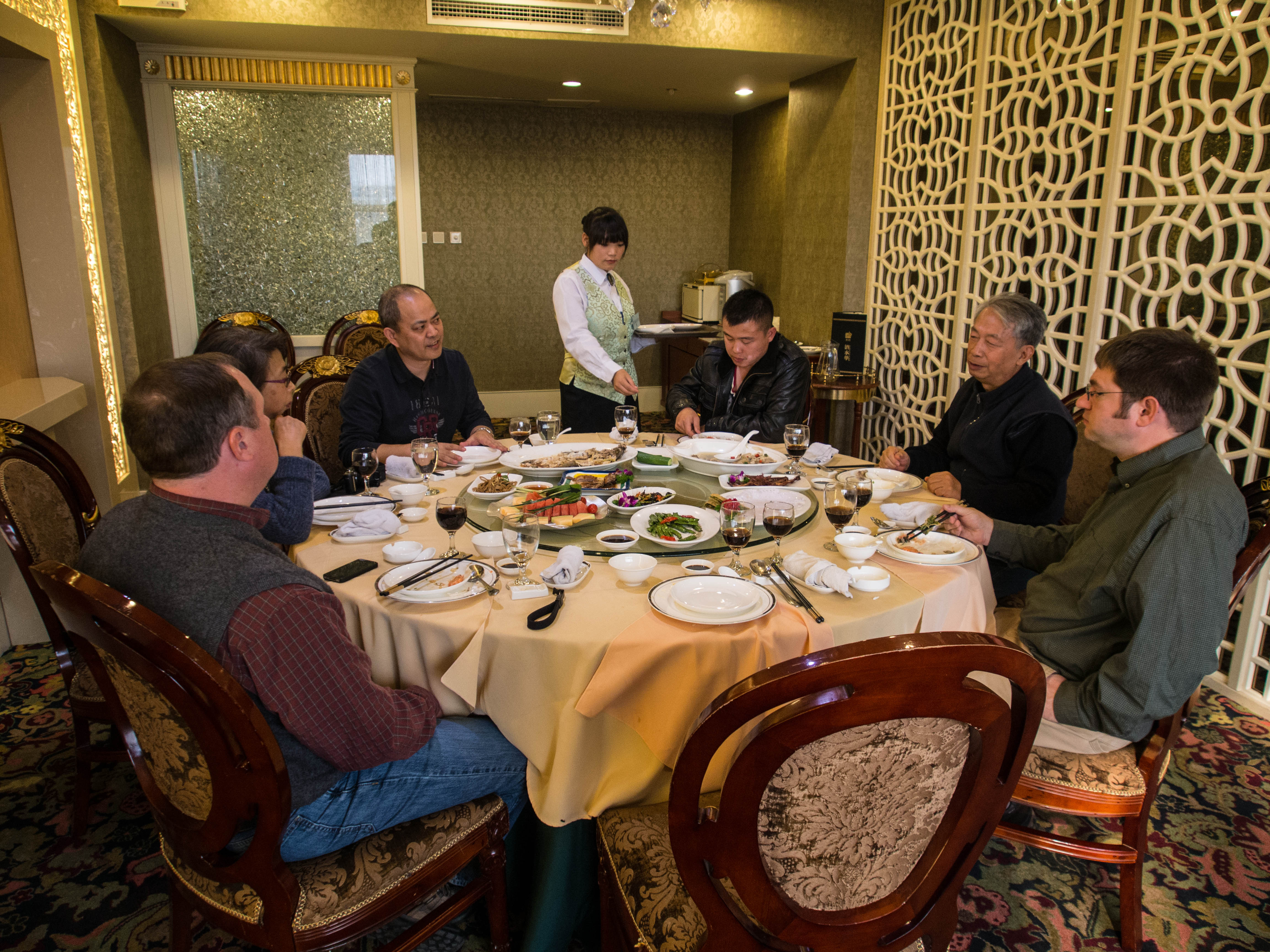
After we selected our dishes we were ushered upstairs to a private dinning room. At most nicer restaurants it is common for larger private parties to have your own private dinning room. You will usually have a waitress assigned specifically to your room.

A typical private dinning room

A typical private dinning room

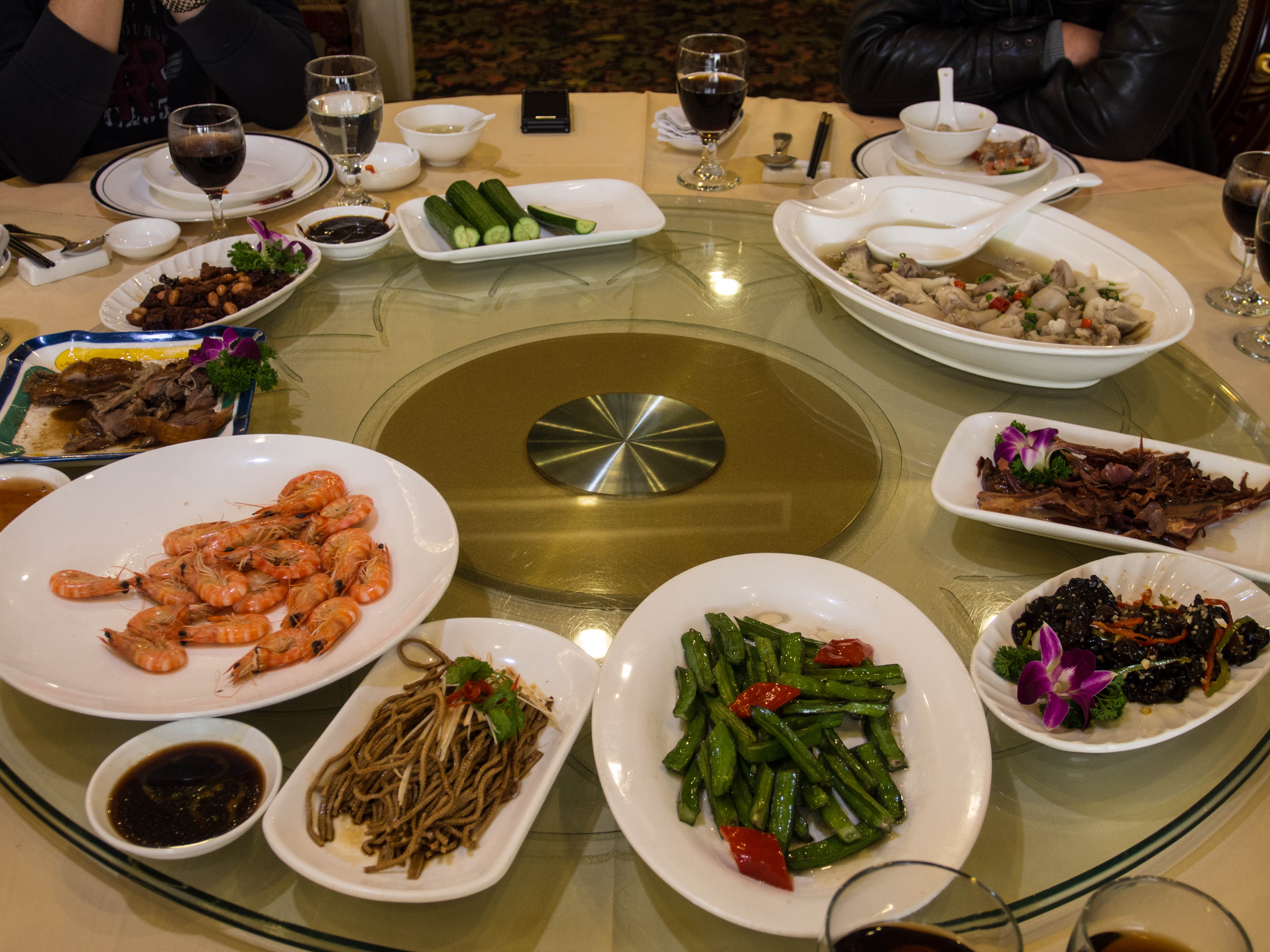
The Chinese are gracious hosts. I had worked with this graduate student for several years, had hired her, wrote letters of recommendation for her, and so on. Her parents were probably feeling somewhat indebted to me, so this their way of saying ‘thank you.’ As is usual in this kind of situation, they ordered way more food than we could eat. This is also the Chinese way of showing respect for a guest. In total they ordered 11 dishes. Some of those dishes are below. Chinese restaurant food have notoriously creative names and they are difficult to translate. I have provided more literal translations to these dishes and sometimes have avoided the more difficult to translate phrases.

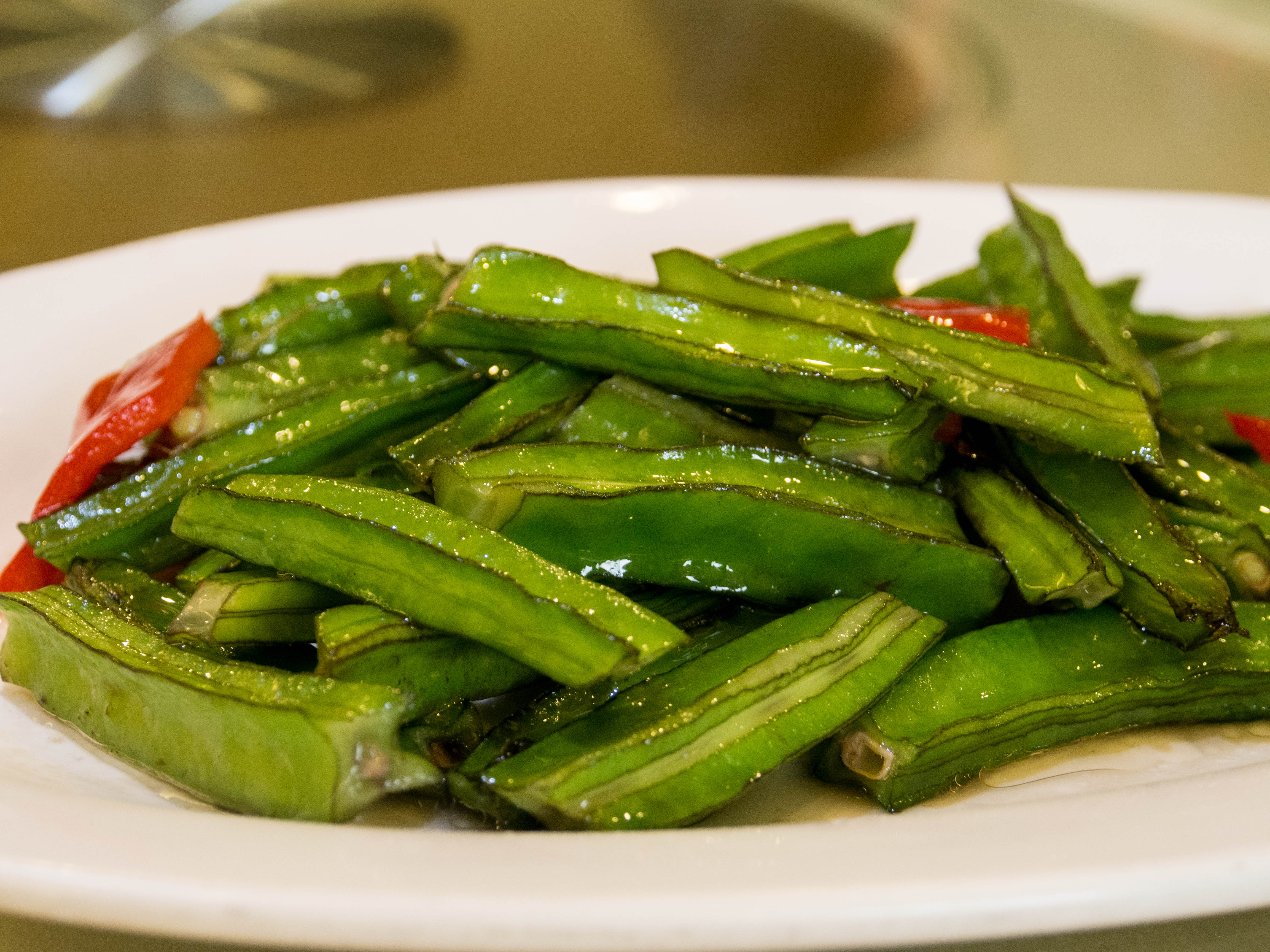
清炒四角豆 qīngchǎo sìjiǎodòu (fresh stir-fried  four-sided beans)

清炒四角豆 qīngchǎo sìjiǎodòu (fresh stir-fried four-sided beans)

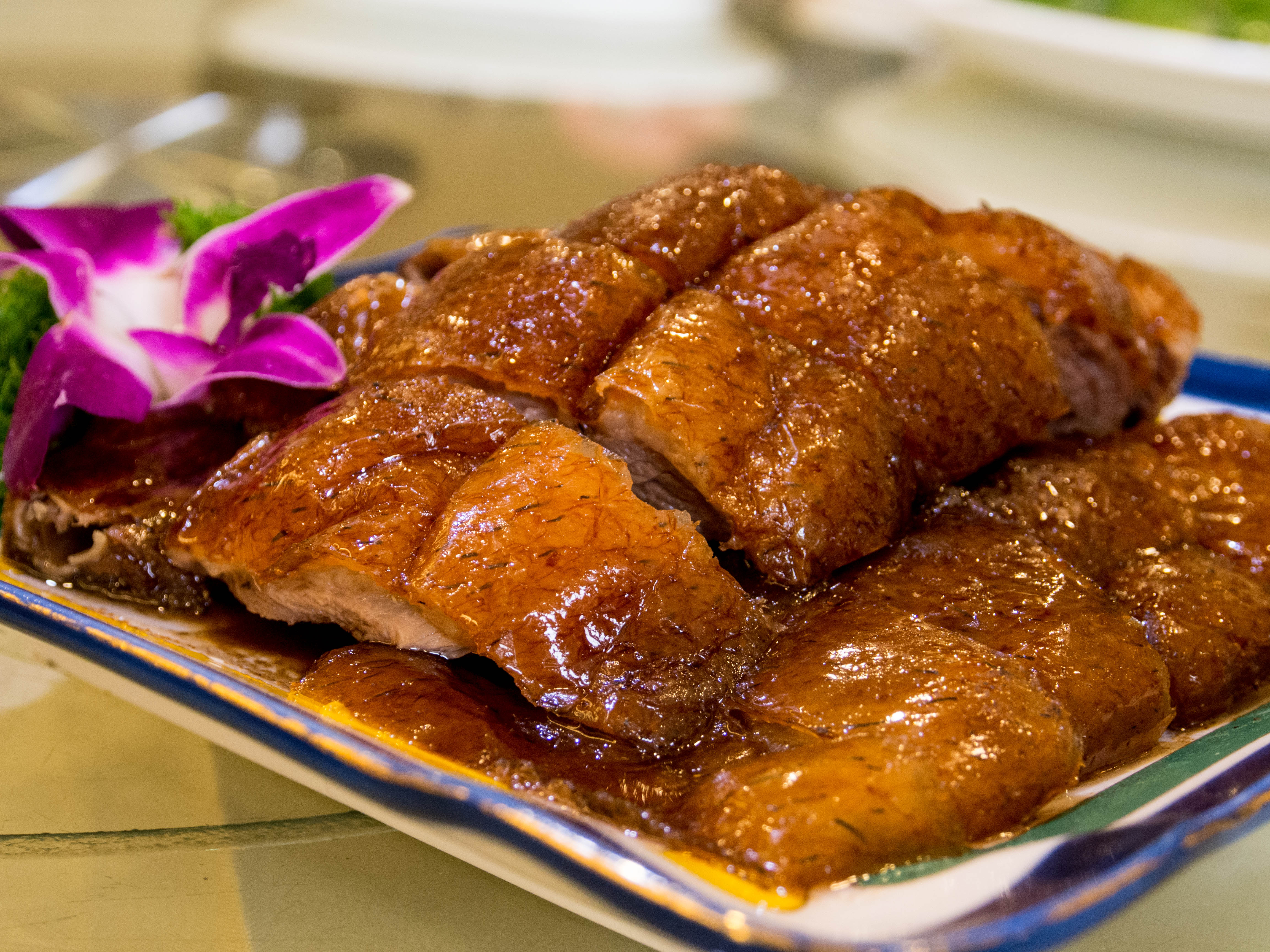
世纪深井烤鹅 shìjì shēnjǐng kǎo é (Century deep well roasted goose)

世纪深井烤鹅 shìjì shēnjǐng kǎo é (Century deep well roasted goose)

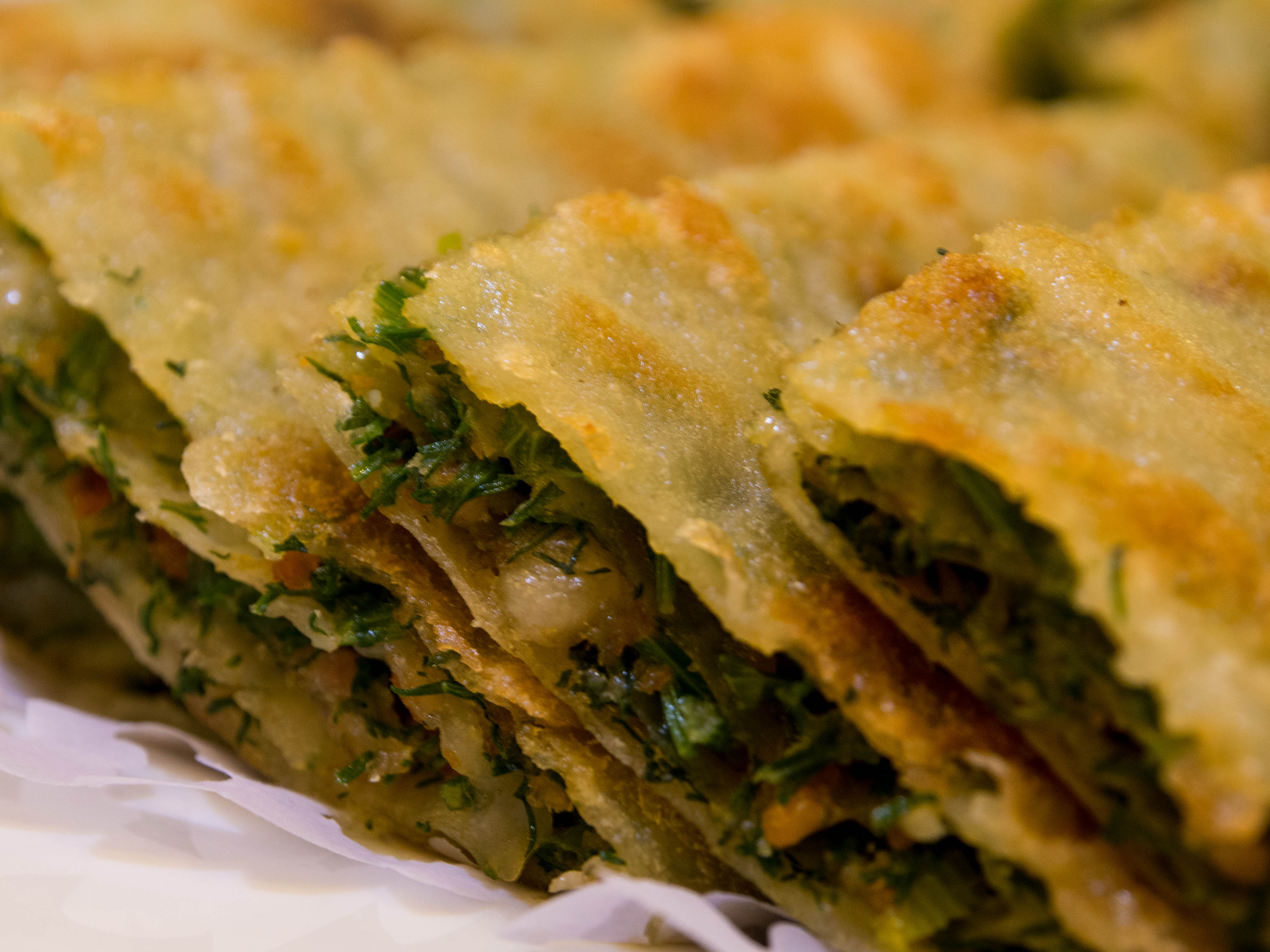
胞椒茴香卷 bāojiāo huíxiāng juǎn (Fennel roles)

胞椒茴香卷 bāojiāo huíxiāng juǎn (Fennel rolls)

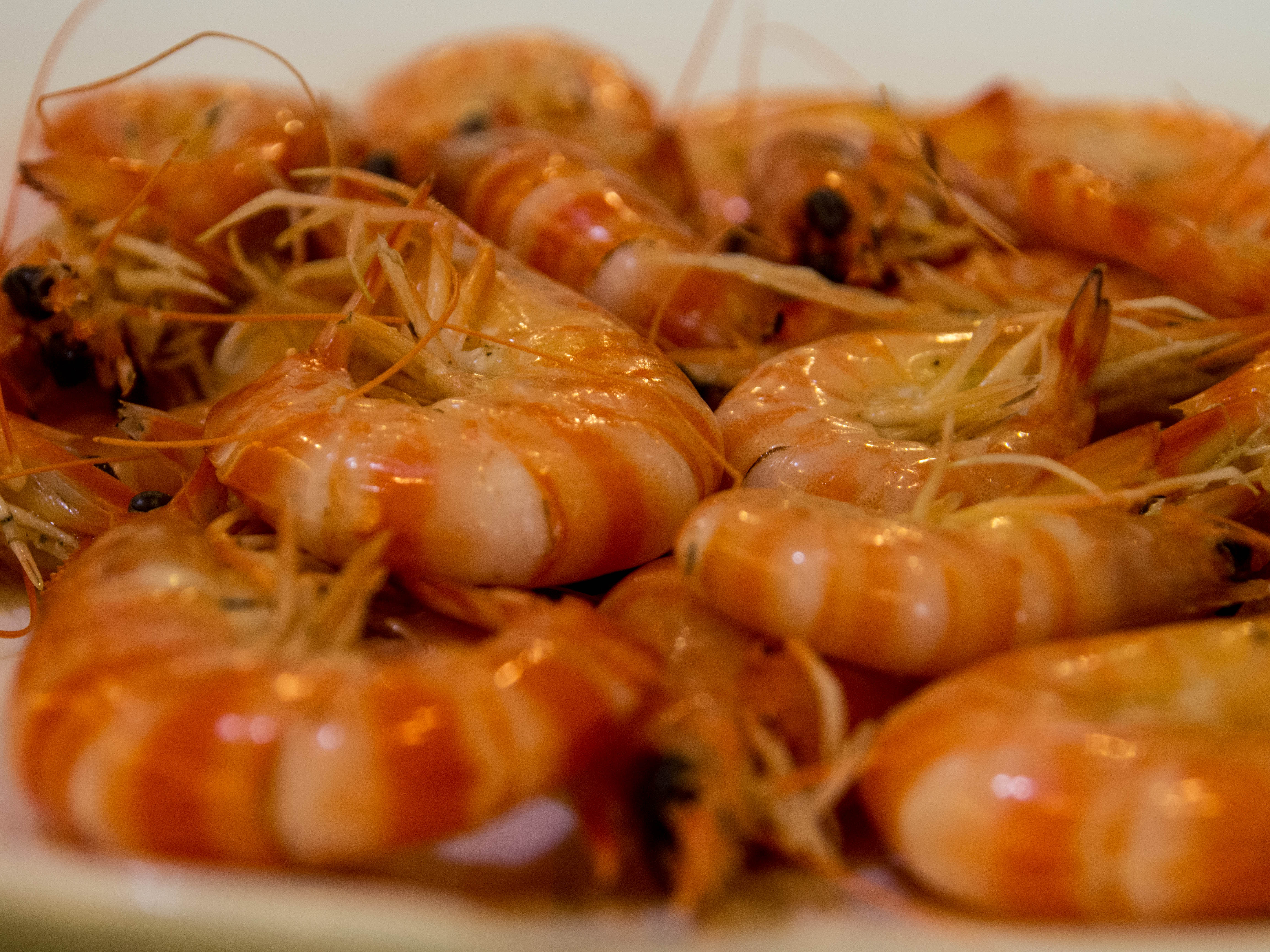
白灼甚围虾 báizhuó shénwěi xià (Boiled shrimp)

白灼甚围虾 báizhuó shénwěi xià (Boiled shrimp)

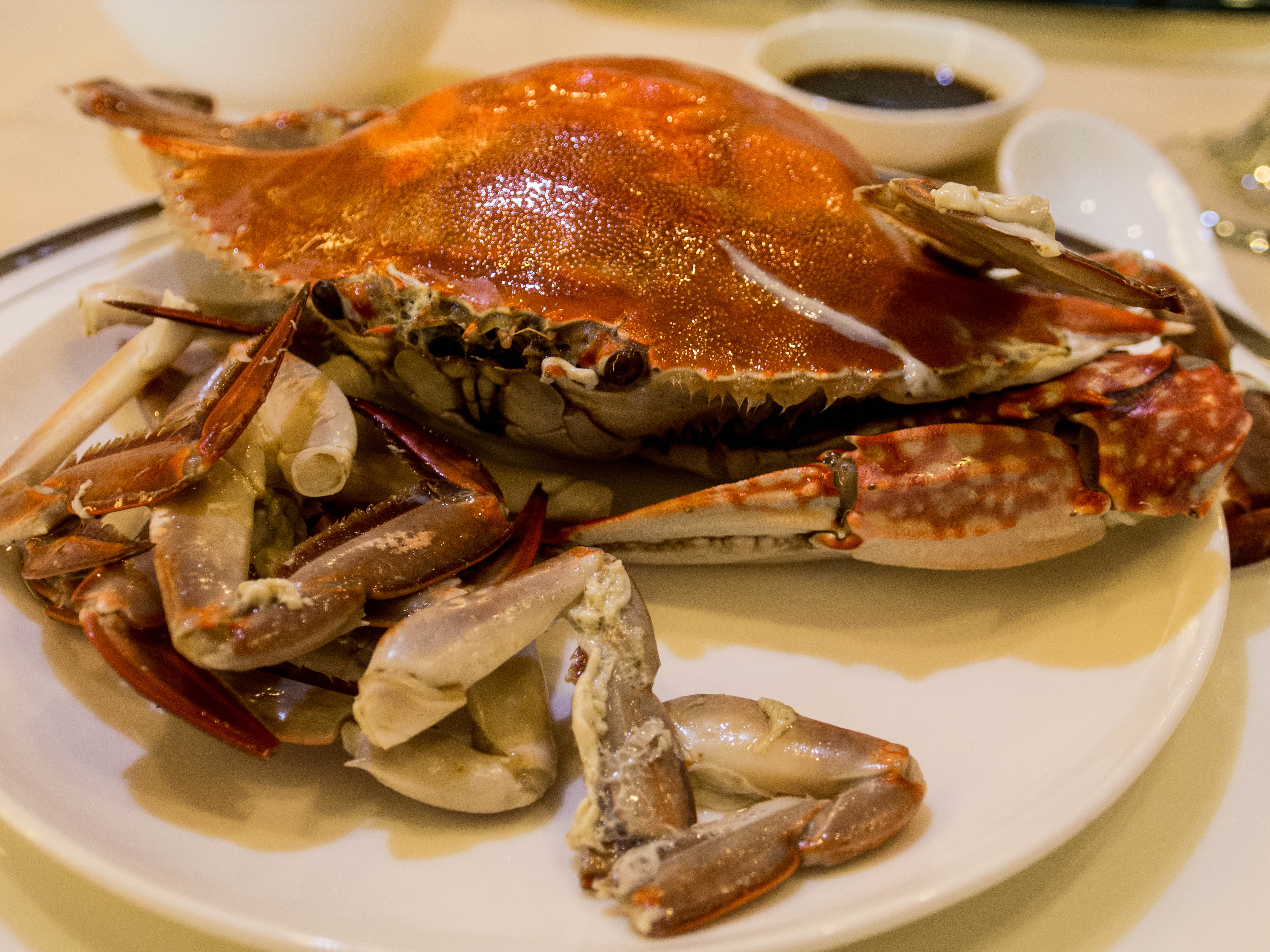
清蒸海蟹 qīngzhēng hǎixiè(Fresh steamed ocean crab)

清蒸海蟹 qīngzhēng hǎixiè
(Fresh steamed ocean crab)

清蒸桂鱼 qīngzhēng guìyǔ(Fresh steamed Mandarin fish)

清蒸桂鱼 qīngzhēng guìyǔ
(Fresh steamed Mandarin fish)

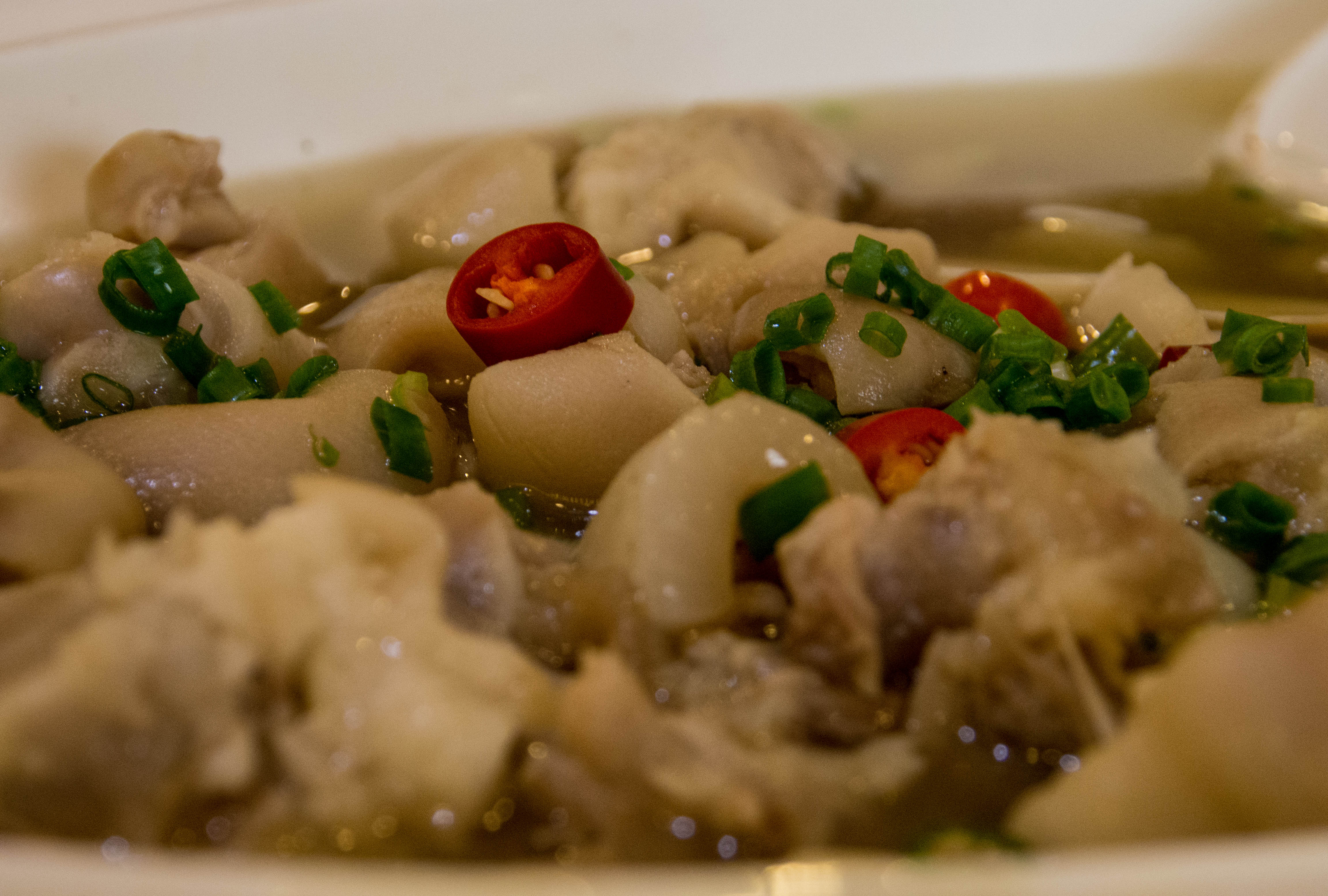
鲜椒美容蹄 xiān jiāo měiróng tí (Pig trotters with fresh pepper)

鲜椒美容蹄 xiān jiāo měiróng tí (Pig trotters with fresh pepper)

It was a really memorable meal. Chinese dining is a group experience with all dishes placed in the center of the table on a lazy Susan. Everyone then serves themselves from these dishes. Everything is communal. It is great to eat wonderful food with good company.

And I quite liked the city of Tianjin.

Breakfast in Beijing

I love Chinese breakfast food, especially what you get on the streets, such as 煎饼 jiānbing. A few months ago I was in Beijing with some good friends and they took me to a simple little restaurant for breakfast. Nothing special, but nonetheless delicious. This is pretty typical fare for breakfast in the North of China.

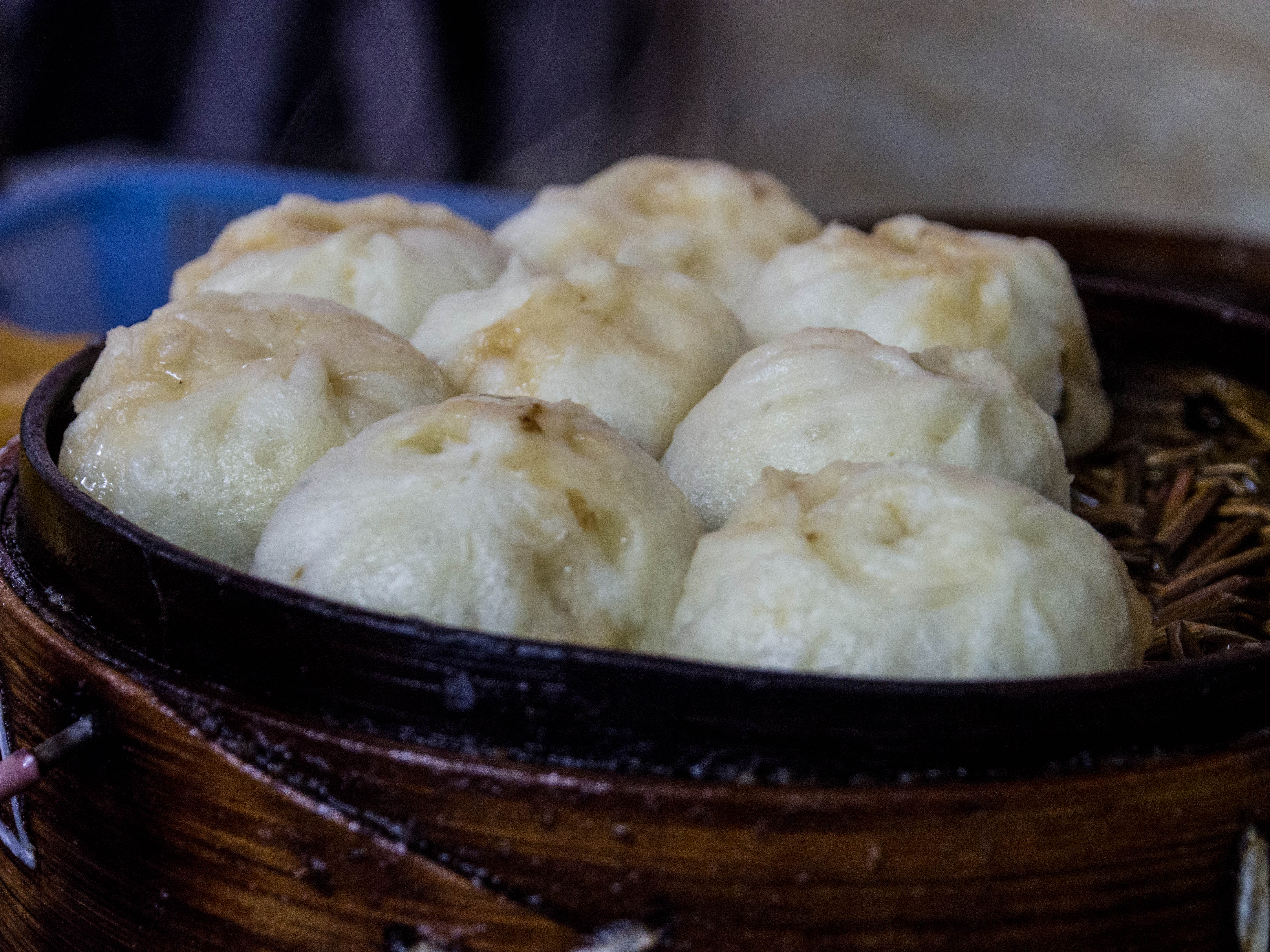
That morning we had 素包子 sù bāozi (vegetarian teamed dumplings), 油条 yóutiáo (fried bread sticks), 蒸饺 zhēngjiǎo (steamed meat dumplings), and hot 豆浆 dòujiāng (soybean milk).

素包子 Vegetarian steamed dumpling

素包子 Vegetarian steamed dumpling

包子 bāozi is a generic term for steamed bread. They can be simply steamed bread with no filling or they can come with a variety of fillings. Vegetarian ones usually have spinach, mushrooms, and a number of other kinds of vegetables. Meat fillings are usually pork and seasoned with ginger, garlic, and will often have scallions, or mushrooms. They differ by region as well.

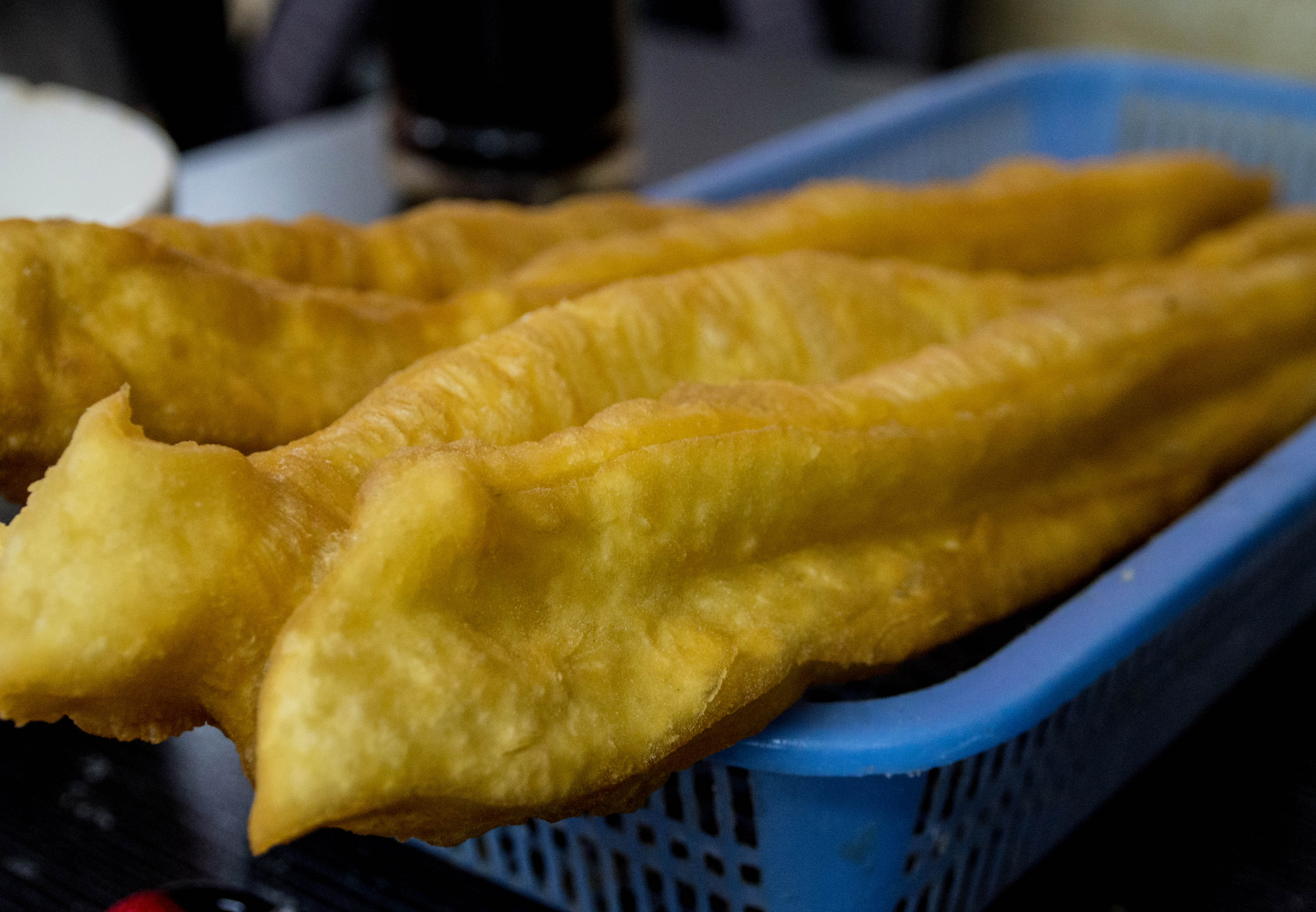
油条 fried break sticks

油条 fried break sticks

You can find 油条 yóutiáo all over China. They are commonly eaten for breakfast, either alone, or as part of another dish. For example, 煎饼 jiānbing will often have a 油条 inside. It is often eaten with 粥 zhōu in the south. Sometimes it is cut up into chunks and tossed into the 粥 zhōu sort of like croutons.

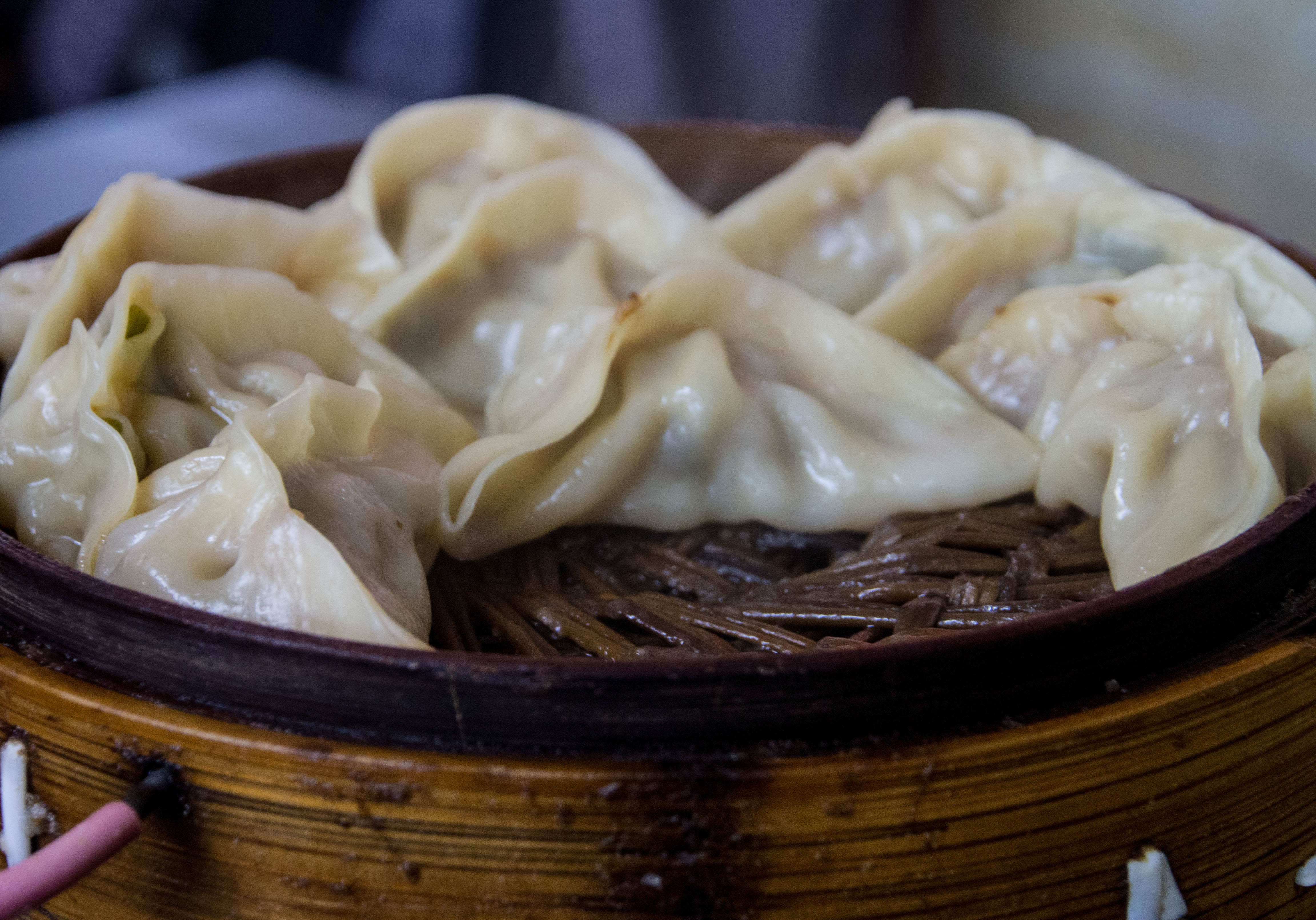
蒸饺 steamed dumplings

蒸饺 steamed dumplings

蒸饺 zhēngjiǎo are a variety of 饺子 jiǎozi that are steamed instead of boiled or fried. They usually have a meat filling. These also vary by region but are all pretty similar. are a variety of 饺子 that are steamed instead of boiled or fried. They usually have a meat filling. These also vary by region but are all pretty similar.

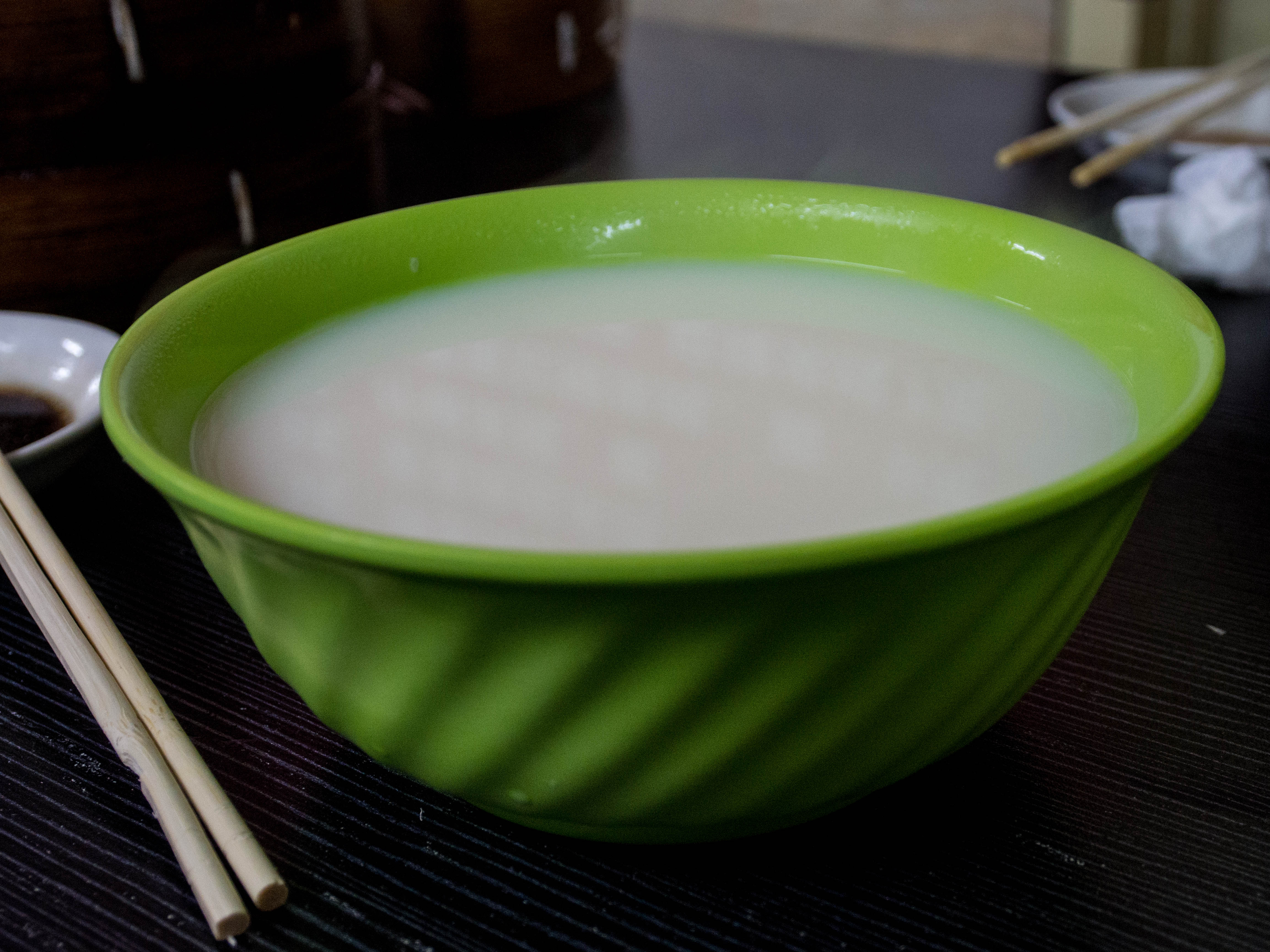
豆浆 soybean milk

豆浆 soybean milk

豆浆 dòujiāng is simply soy milk, but is often very fresh. In the Winter it is usually served hot in a bowl, like in the photo. It is a great way to warm up in the morning.

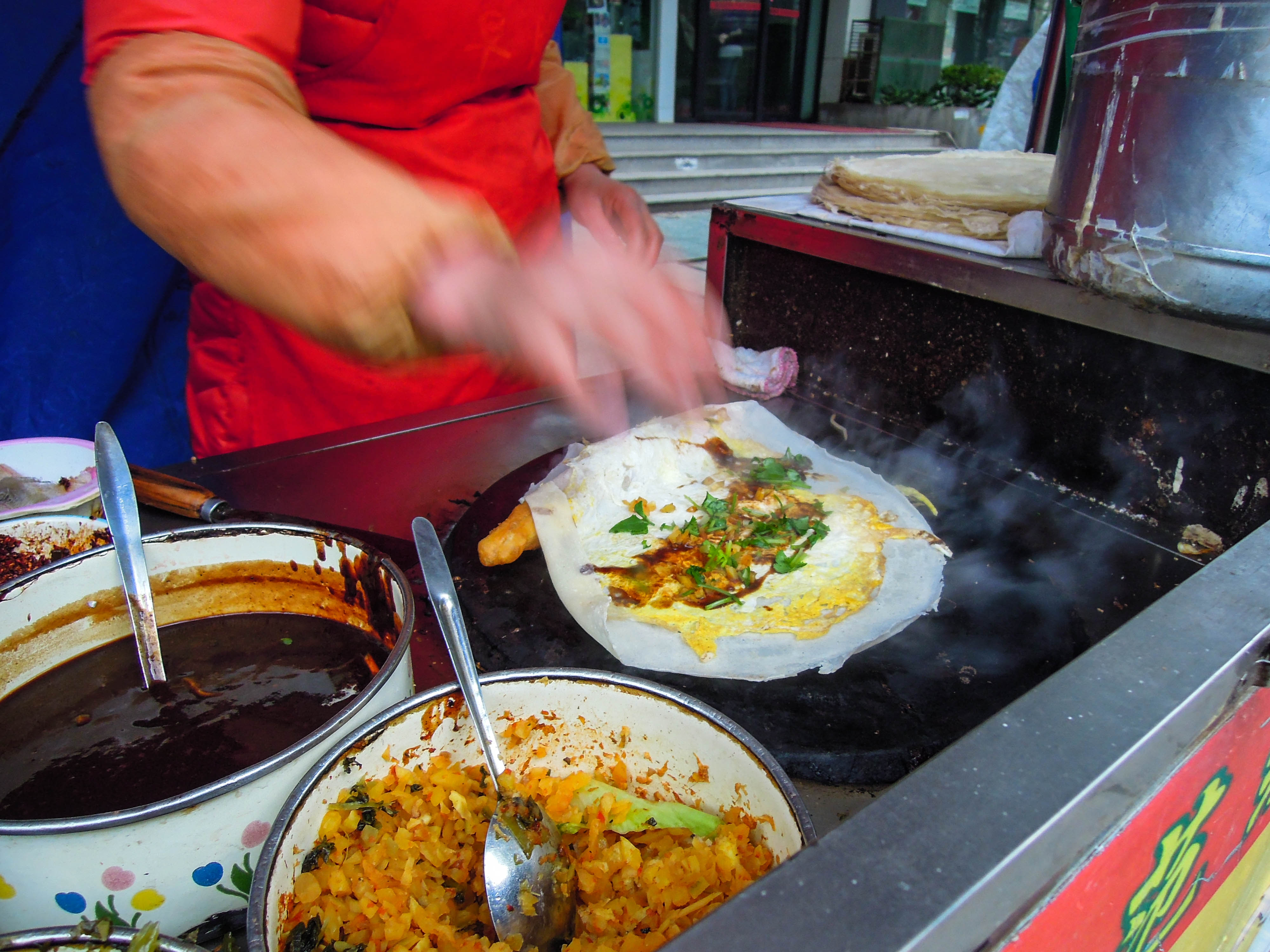
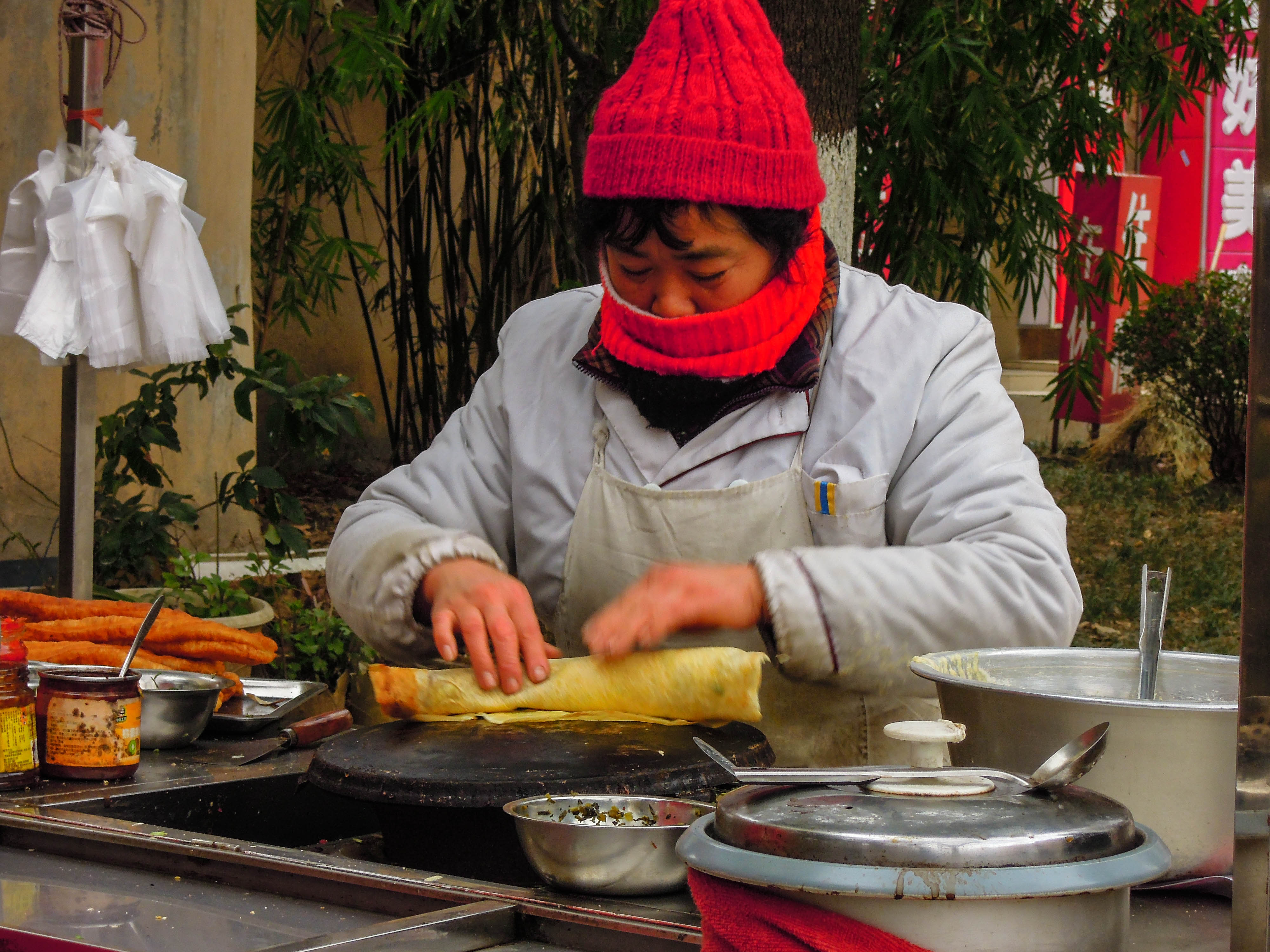
Below are a couple photos of 油条 yóutiáo in 煎饼  jiānbing. In the first photo you can see it just under the 煎饼 and in the second photo it is rolled up in it.

Making 煎饼

Making 煎饼

20120228-DSCN1432

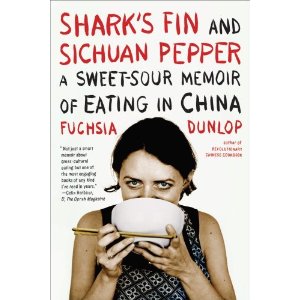
Shark’s Fin and Sichuan Pepper: A Book Review

ref=dp_image_0Dunlop, Fuchsia. 2008. Shark’s Fin and Sichuan Pepper: A Sweet-Sour Memoir of Eating in China. New York & London: W.W. Norton & Company.

First off I should say that I love eating in China. In fact, that is what I most look forward to when I am heading to China. The variety and quality of the various cuisines in China is truly extraordinary. I really related to this book, not only for the eating adventures, but also because I also was once a young student in China trying to figure things out around me. Dunlop was a young girl studying Chinese in Chengdu when she became distracted by the heady smells and tastes that surrounded her. She enrolled in the local cooking school and dove headfirst into the wonderful world of Chinese cuisine, specifically 川菜 chuāncài, or Sichuan cooking, in her case.

What makes this book so readable, and persuasive, is Dunlop’s ability to engage the reader with personal and intimate stories of regular people and homestyle cooking.  As a speaker of Chinese she is able to share experiences with ordinary Chinese that would not be possible without a knowledge of the language. For example, she befriends the cook at the local noodle shop and eventually persuades him to give her the recipe for his famous dandan noodles, which she shares with the reader. I know I have said this before in other book reviews, but knowing Chinese really opens up all kinds of doors and allows one to experience a China that would not be possible if you did not know the language.

She correctly states on page 206, “Food has always been of exceptional importance in Chinese culture. It is not only the currency of medicine, but of religion and sacrifice, love and kinship, business relationships, bribery, and even, on occasion, espionage. ‘To the people, food is heaven,’ goes the oft-repeated saying.” Though the book focusses on Sichuan cuisine, she does give insight into China’s other culinary traditions as well.

The book is engaging, entertaining, and very informative. It is obvious that she has done her homework and knows her stuff. She gets added credibility because she experiences all this first hand while she lived in China and on subsequent trips back after returning to the UK.

The reader comes away from this book fascinated with Chinese food, and really hungry. The food she describes is the real thing. This is a well written memoir and I highly recommend it.

Fuchsia Dunlop is an active food writer and blogger and is the author of at least three Chinese cookbooks Her blog can be found here:

http://www.fuchsiadunlop.com/
China Street Photography 2

This is a series of street photos taken in Nanjing, Yangzhou, and Huai’an (Northern Jiangsu Province) in February of 2012.

Night market

Night market

Breakfast

Cantonese style breakfast

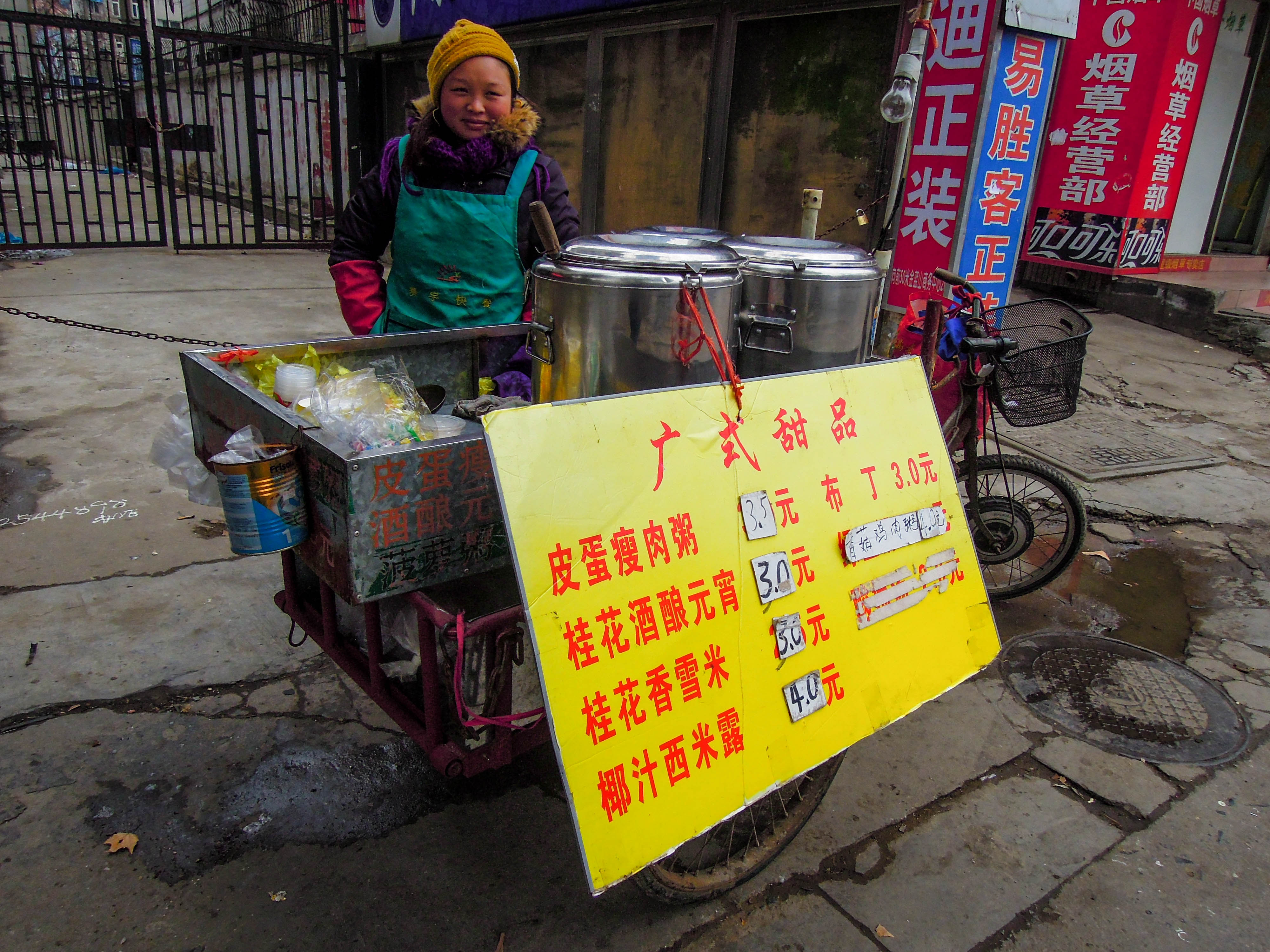
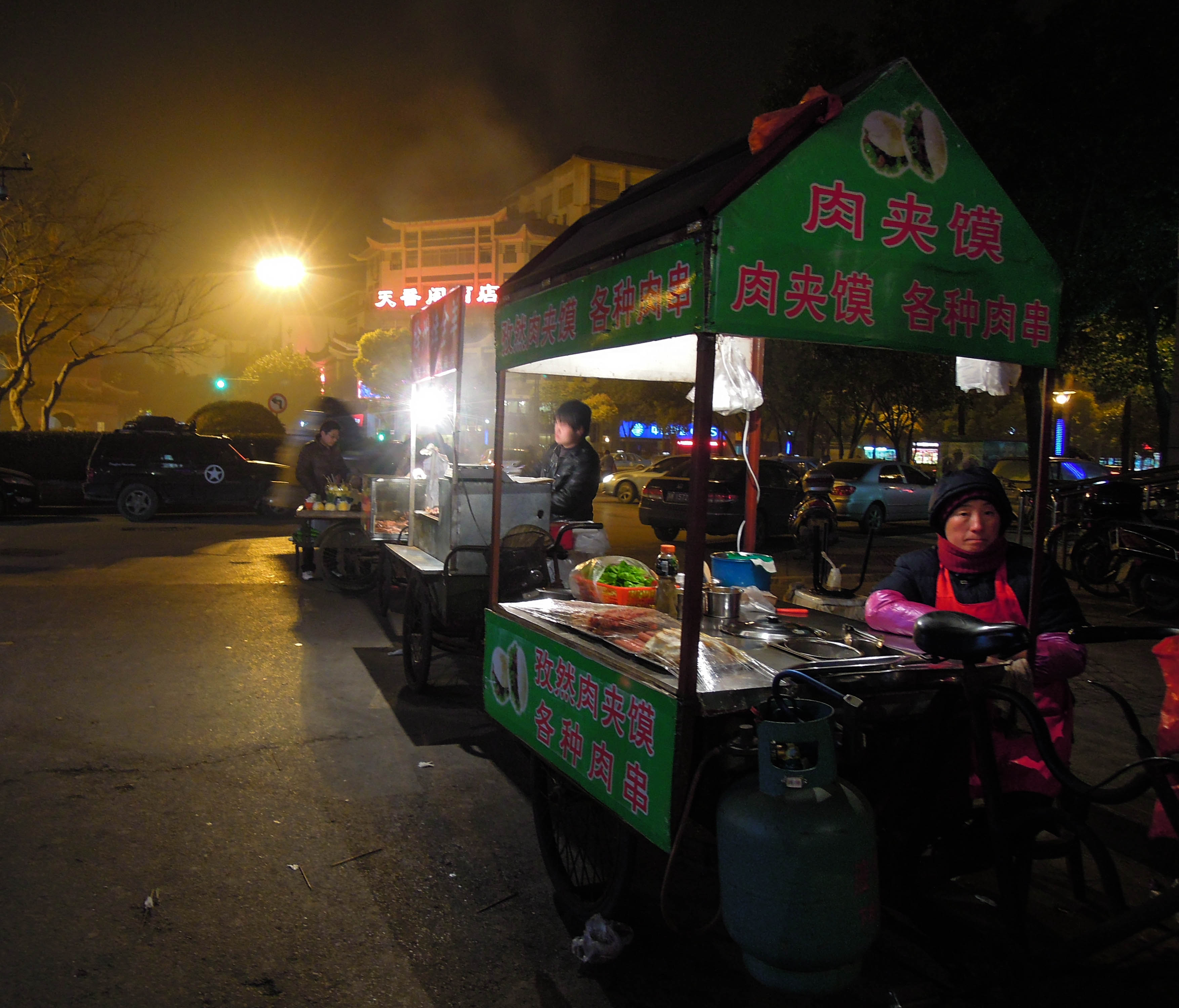
Nighttime snacks

Nighttime snacks

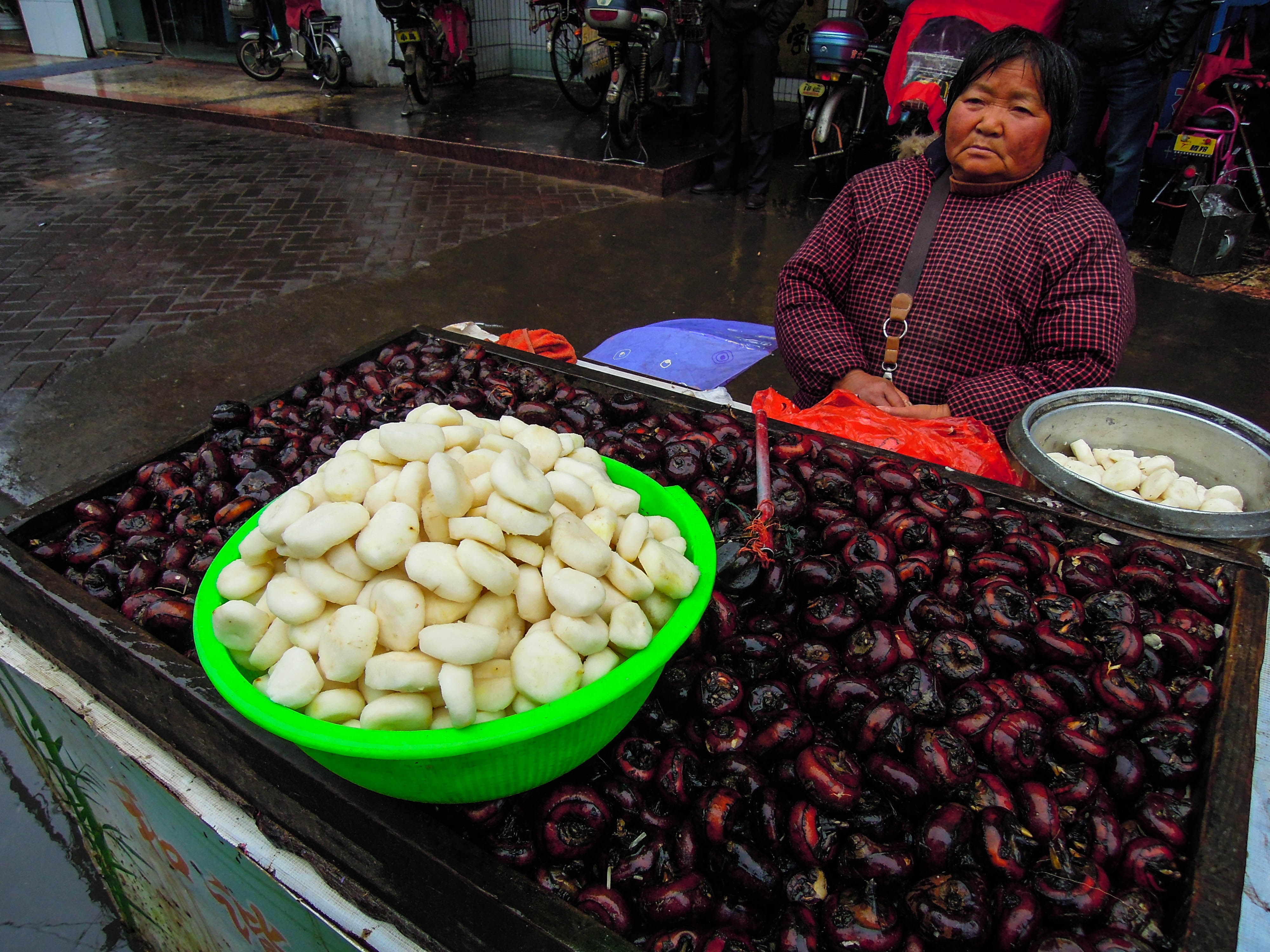
Water chestnuts

Water chestnuts

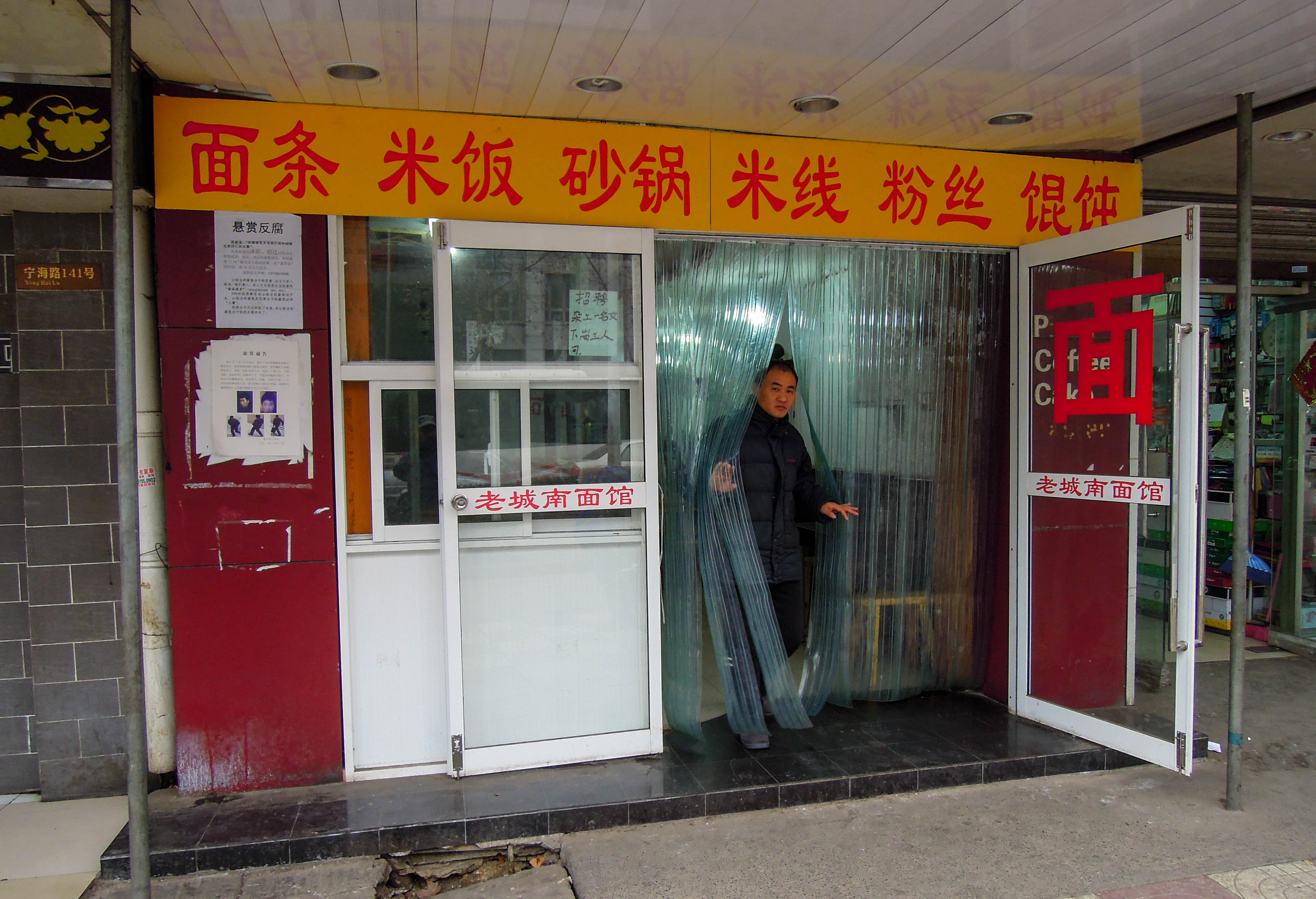
Noodles

Noodles

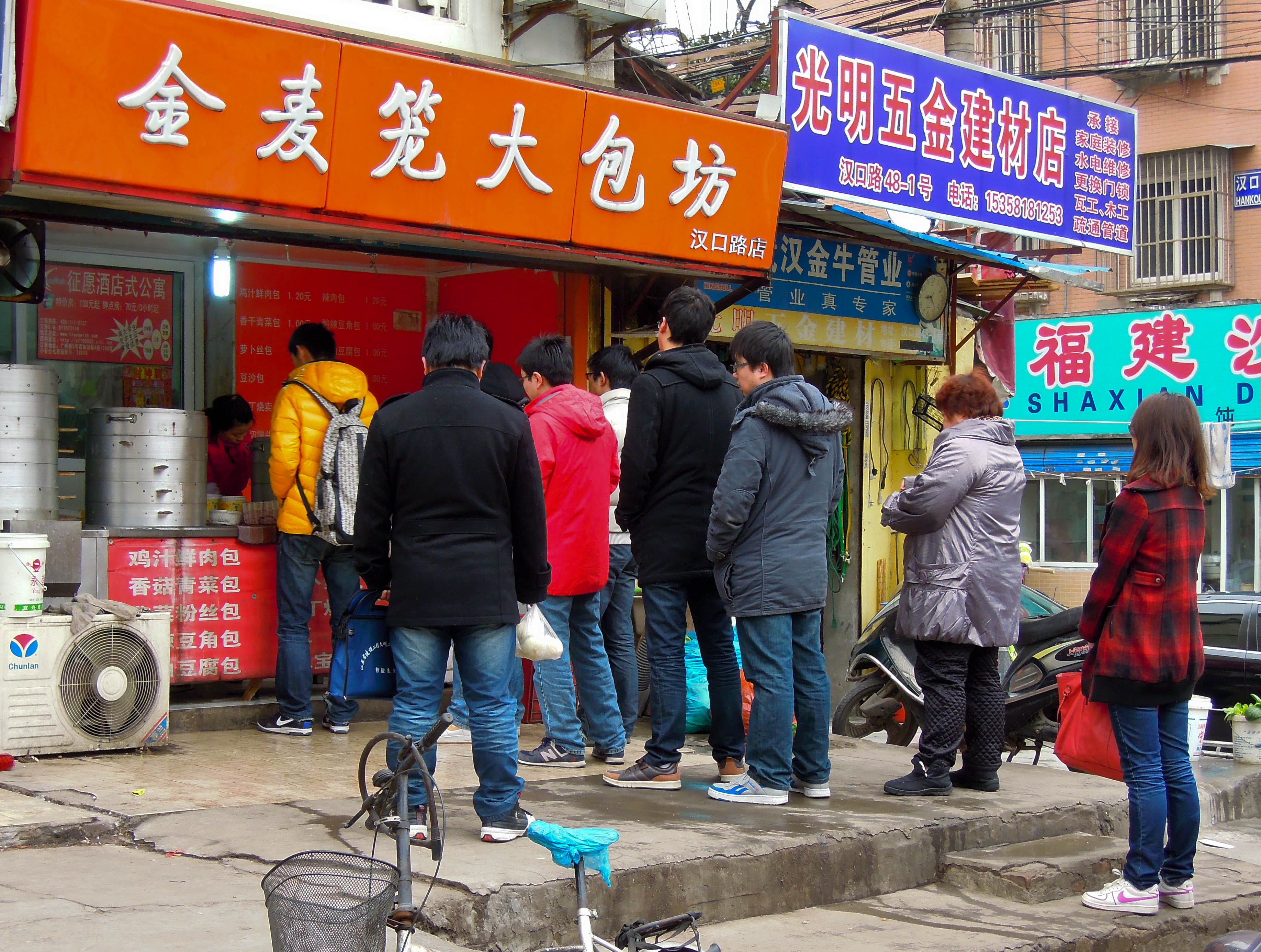
Lining up for breakfast

Lining up for breakfast

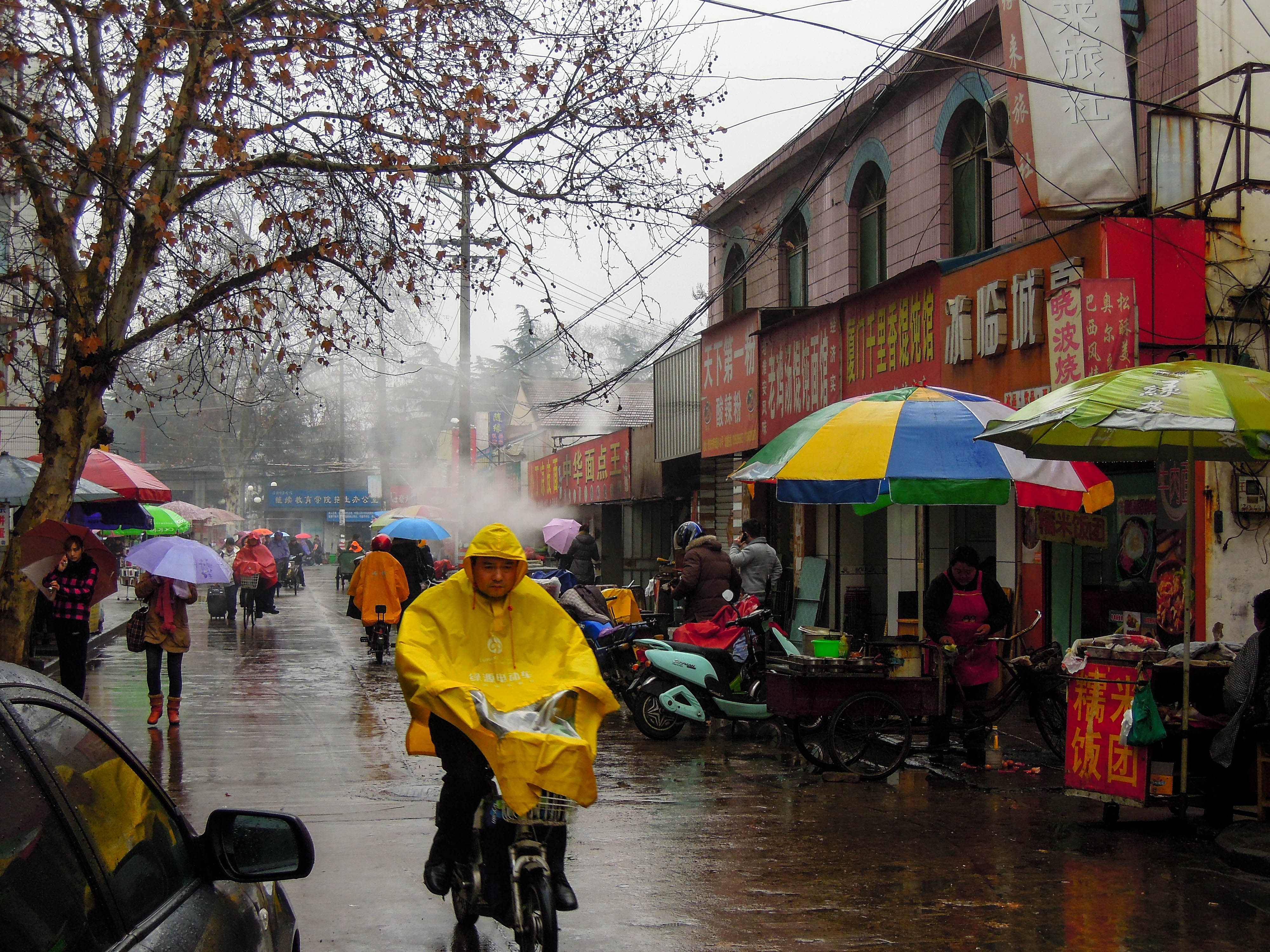
Rainy day in Huai'an

Rainy day in Huai’an

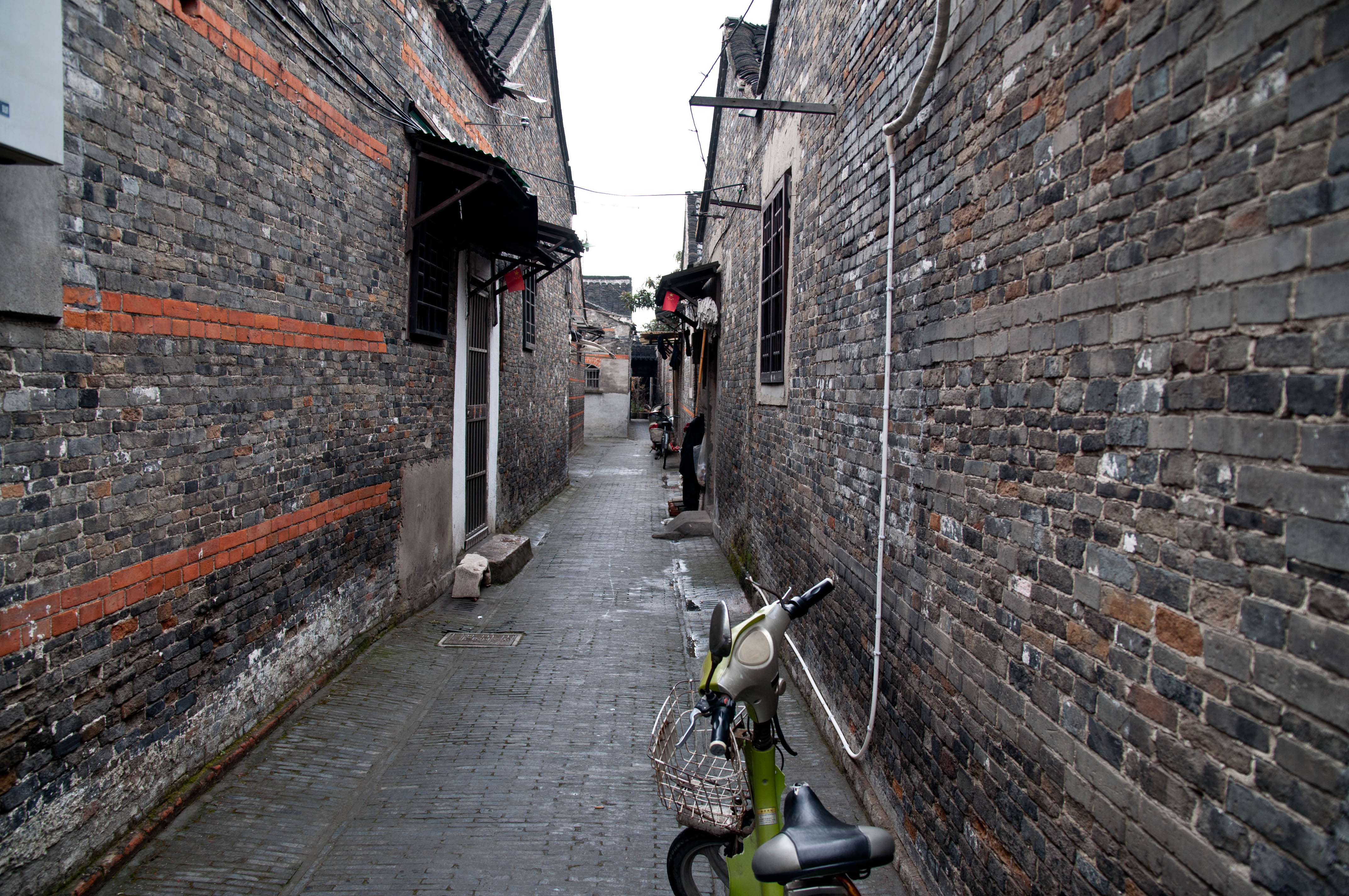
Yangzhou alleyway

Yangzhou alleyway

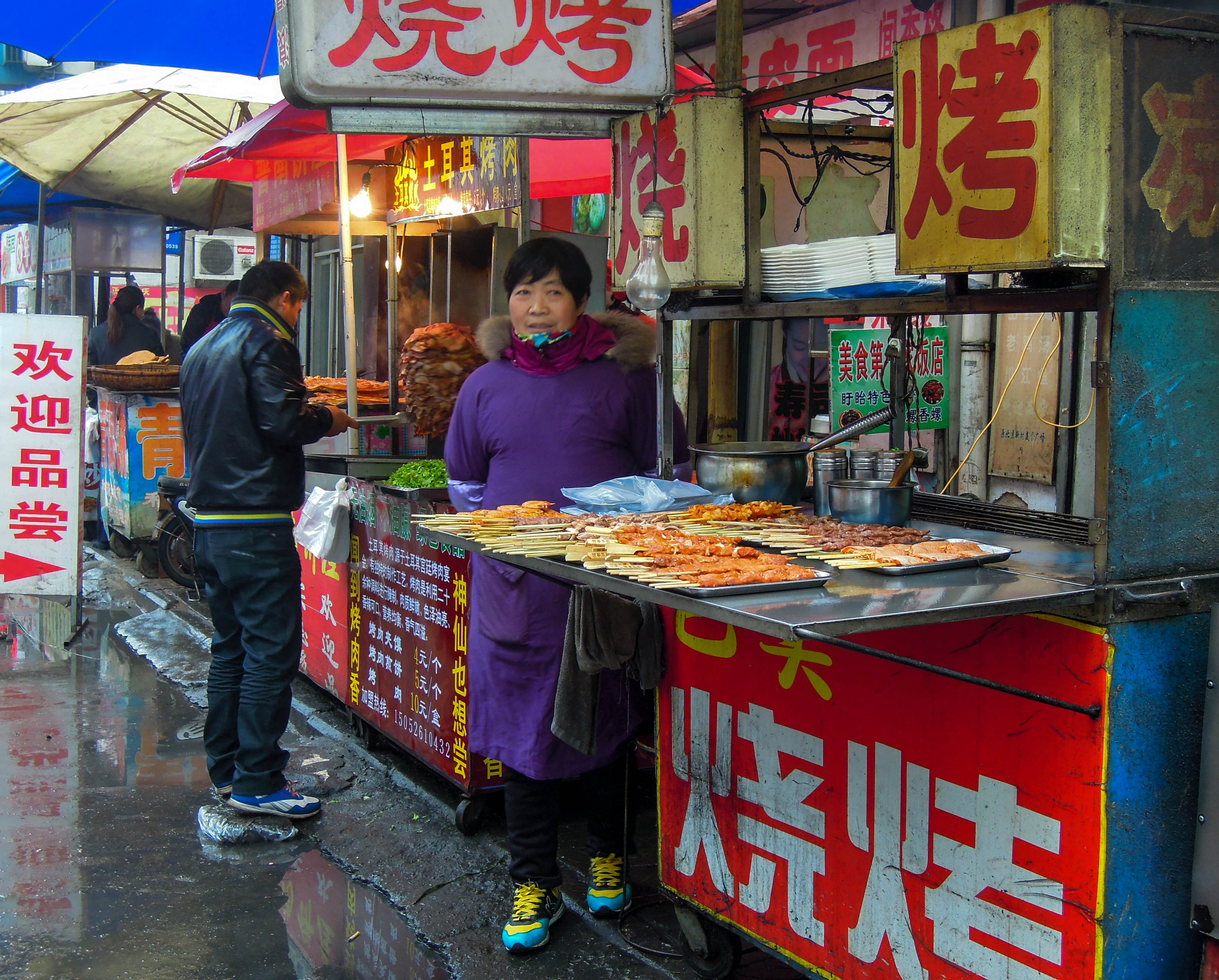
Kebobs

Kebobs

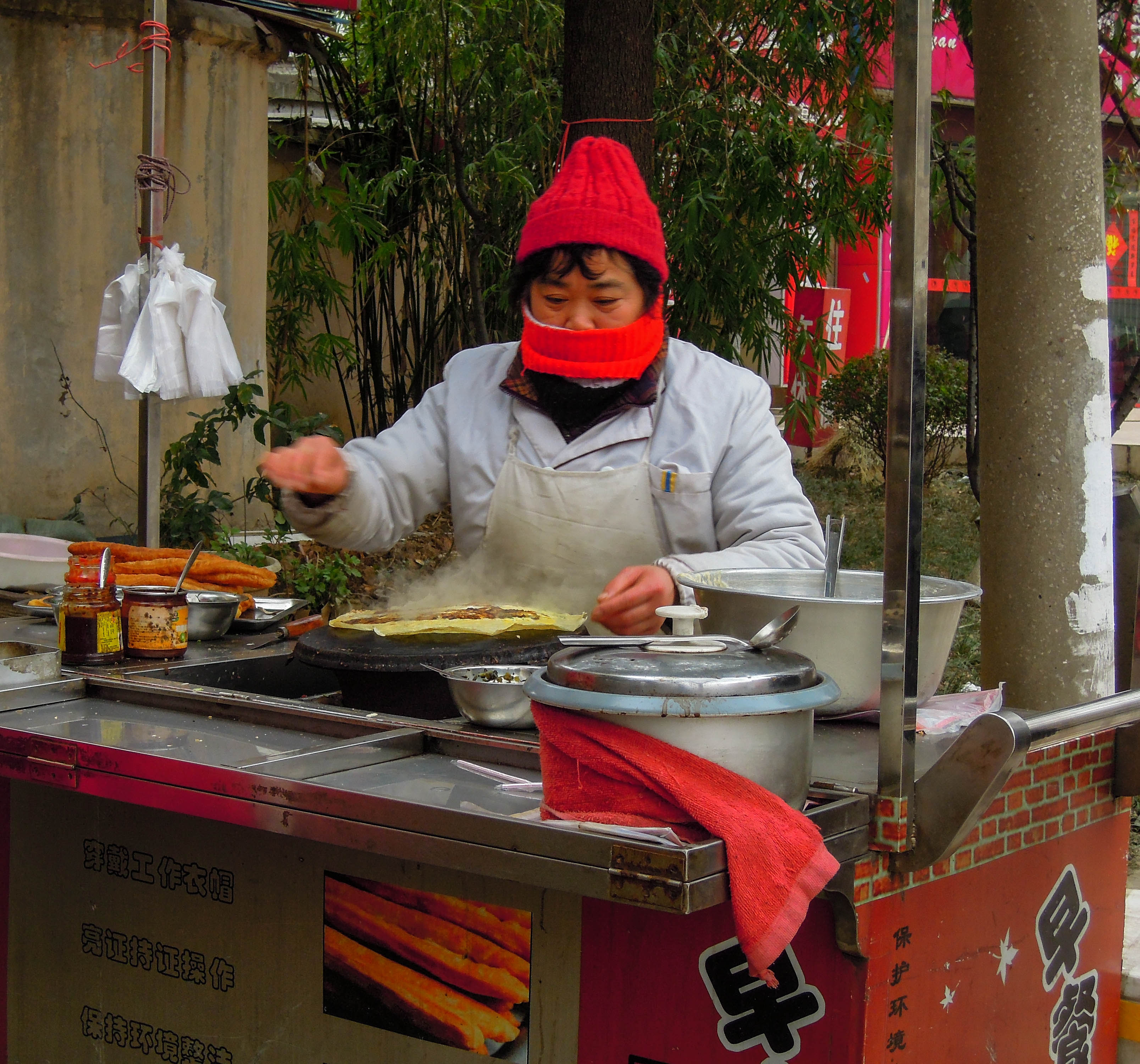
煎饼 jiānbing

煎饼 jiānbing

Yangzhou street food

Yangzhou street food

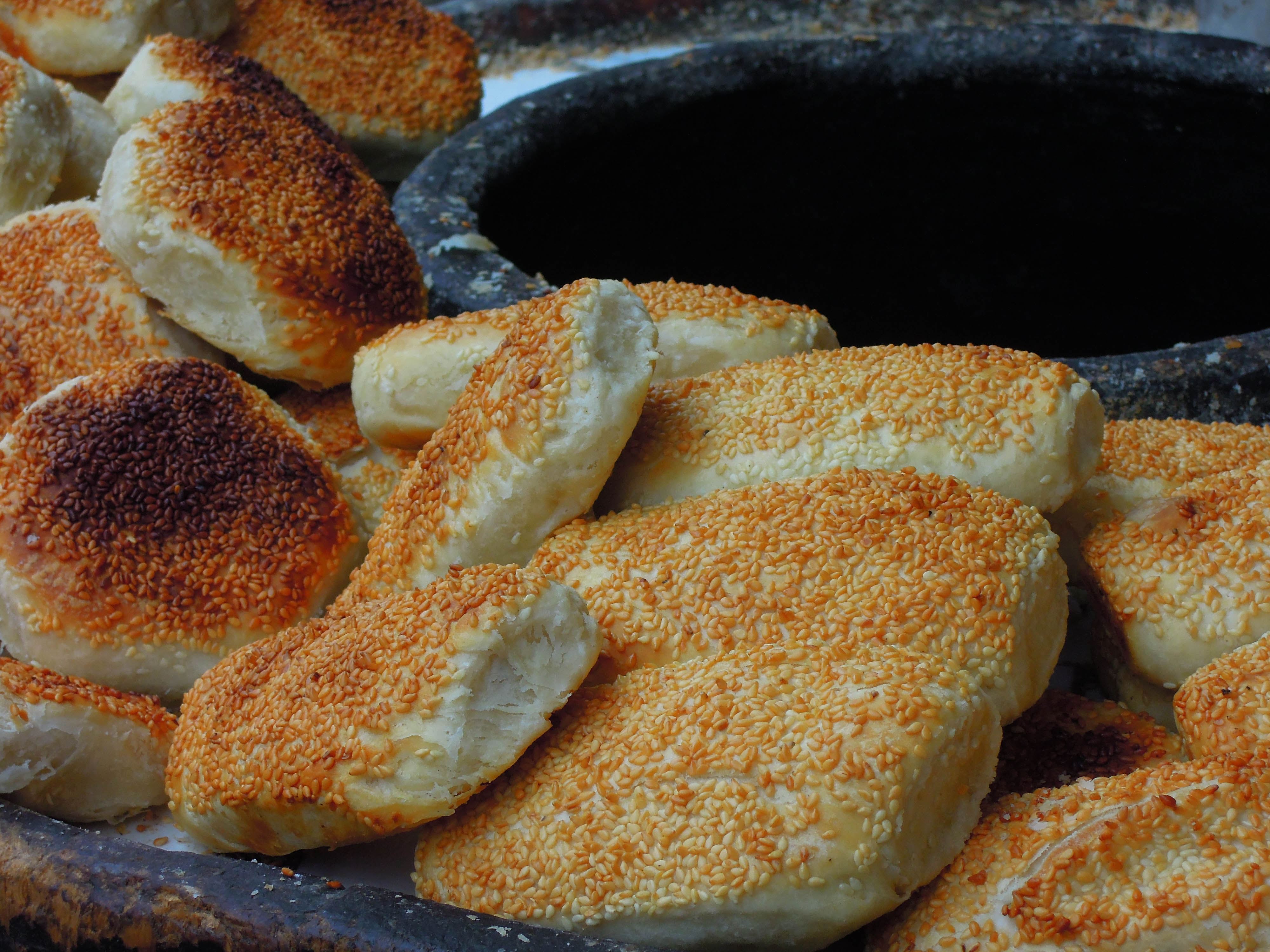
Yangshou 酥饼 sūbǐng

Yangzhou 酥饼 sūbǐng

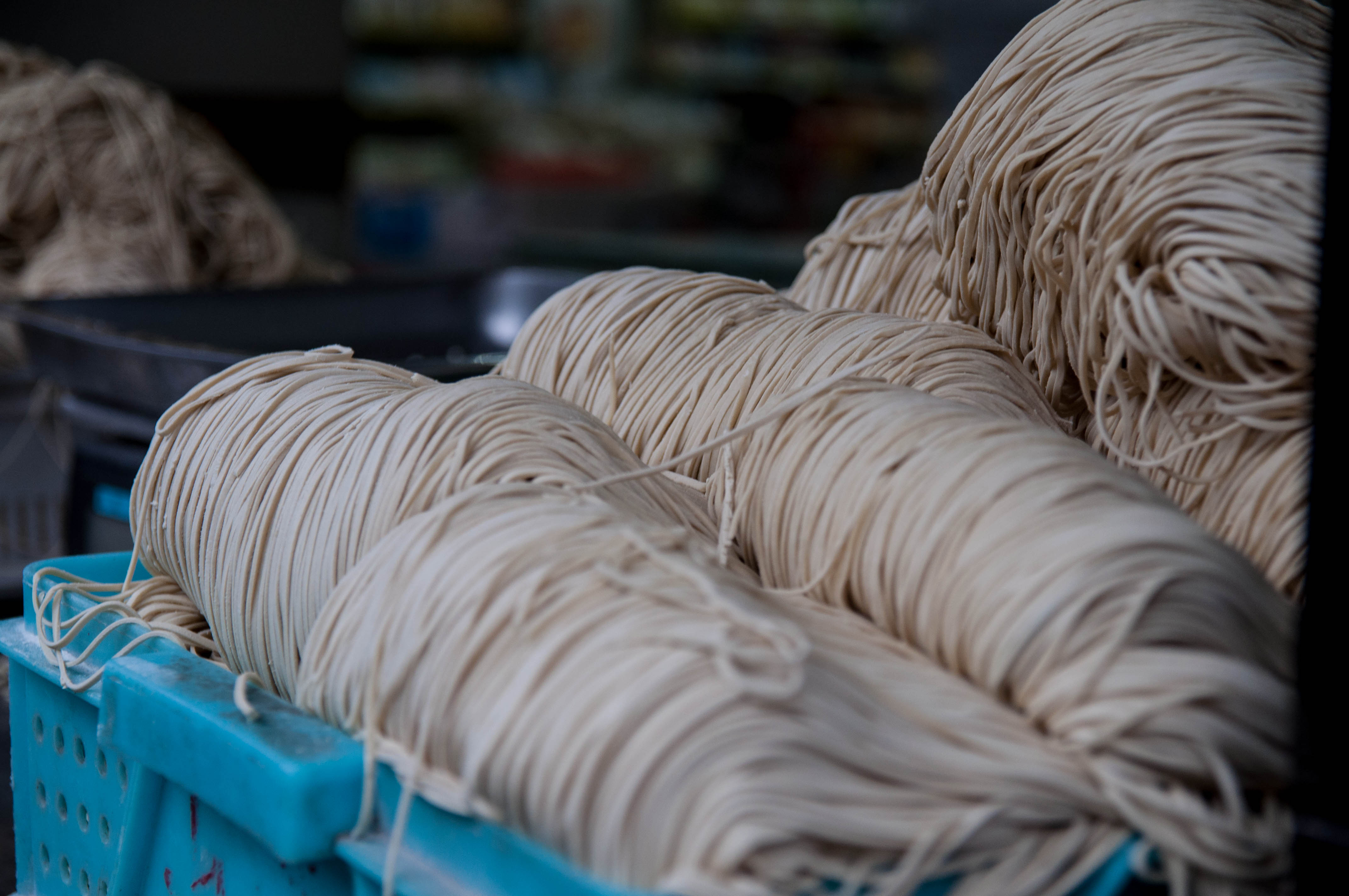
Fresh noodles

Fresh noodles

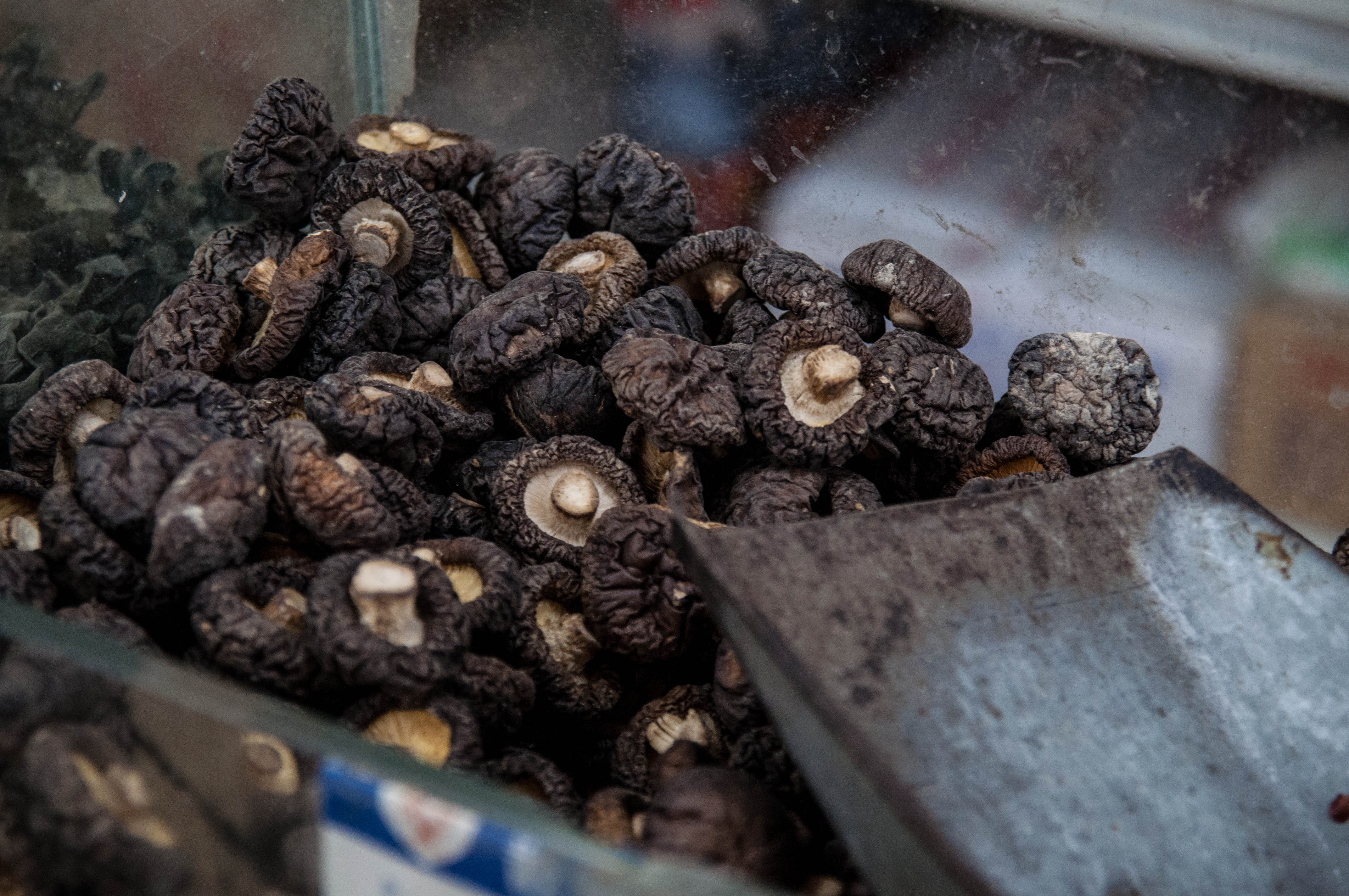
Mushrooms

Mushrooms

Bottles

Bottles

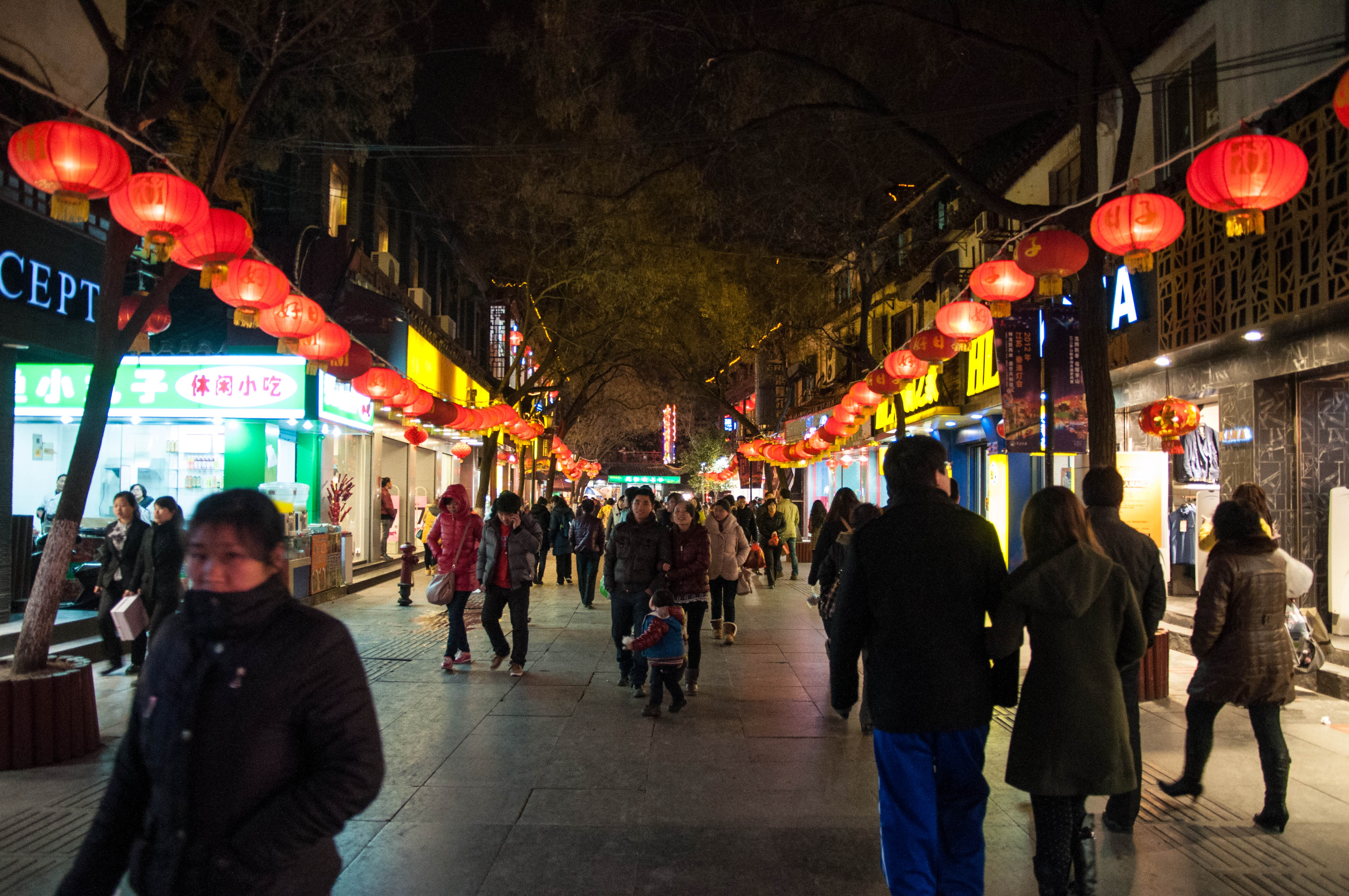
Yangzhou night

Yangzhou night

Behind the Scenes in a Chinese Restaurant

20120225-DSC_7023

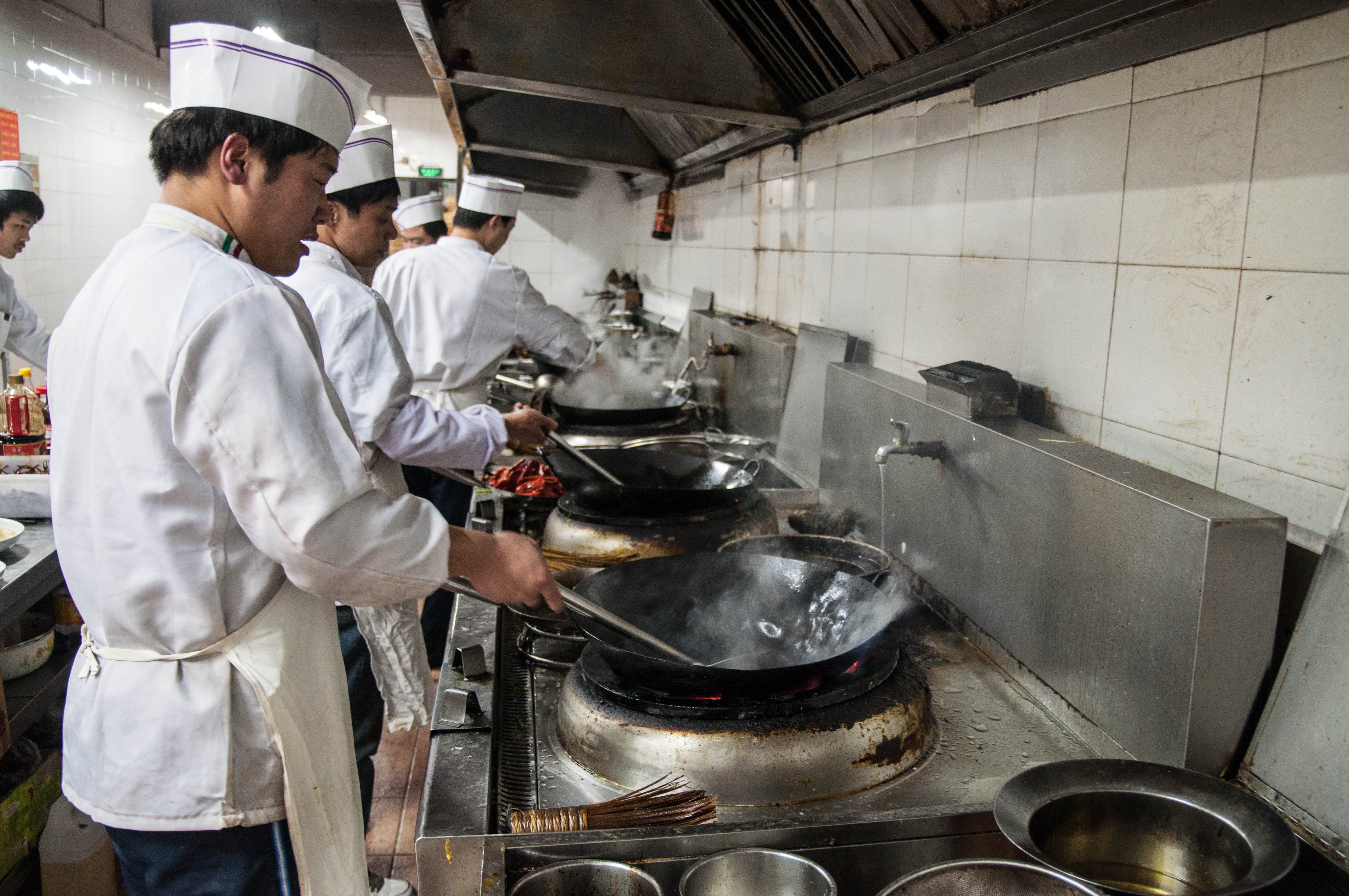
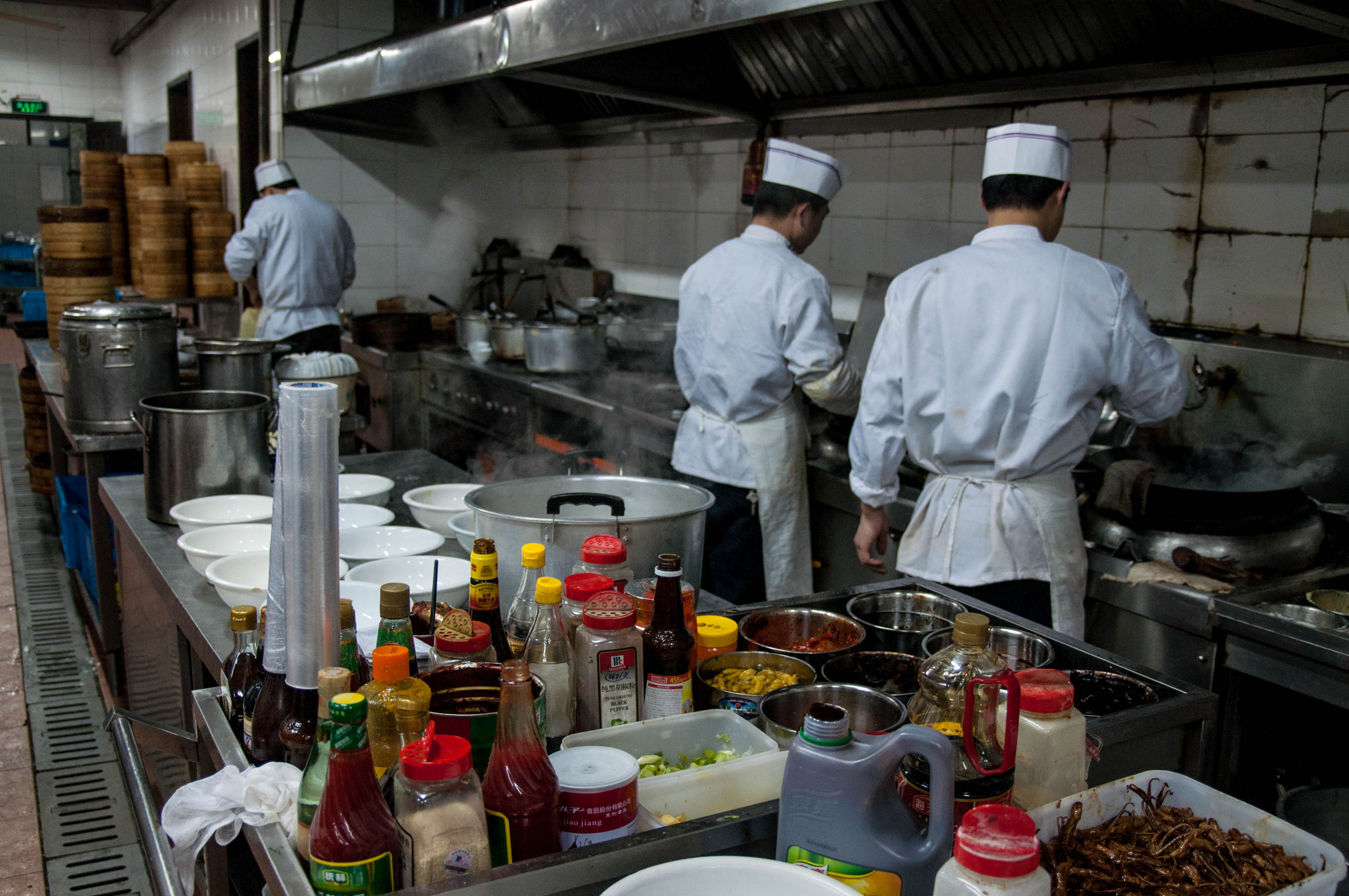
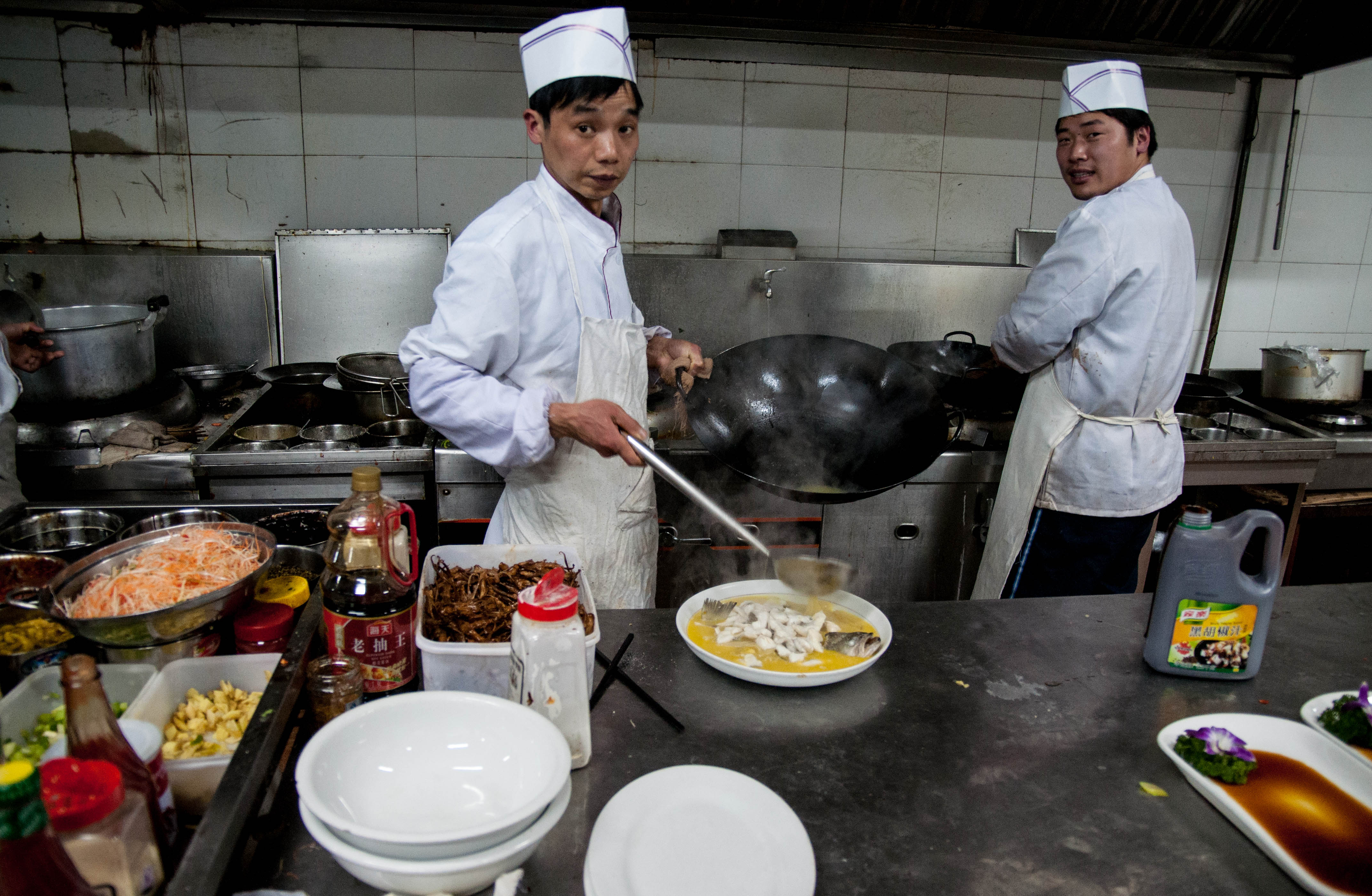
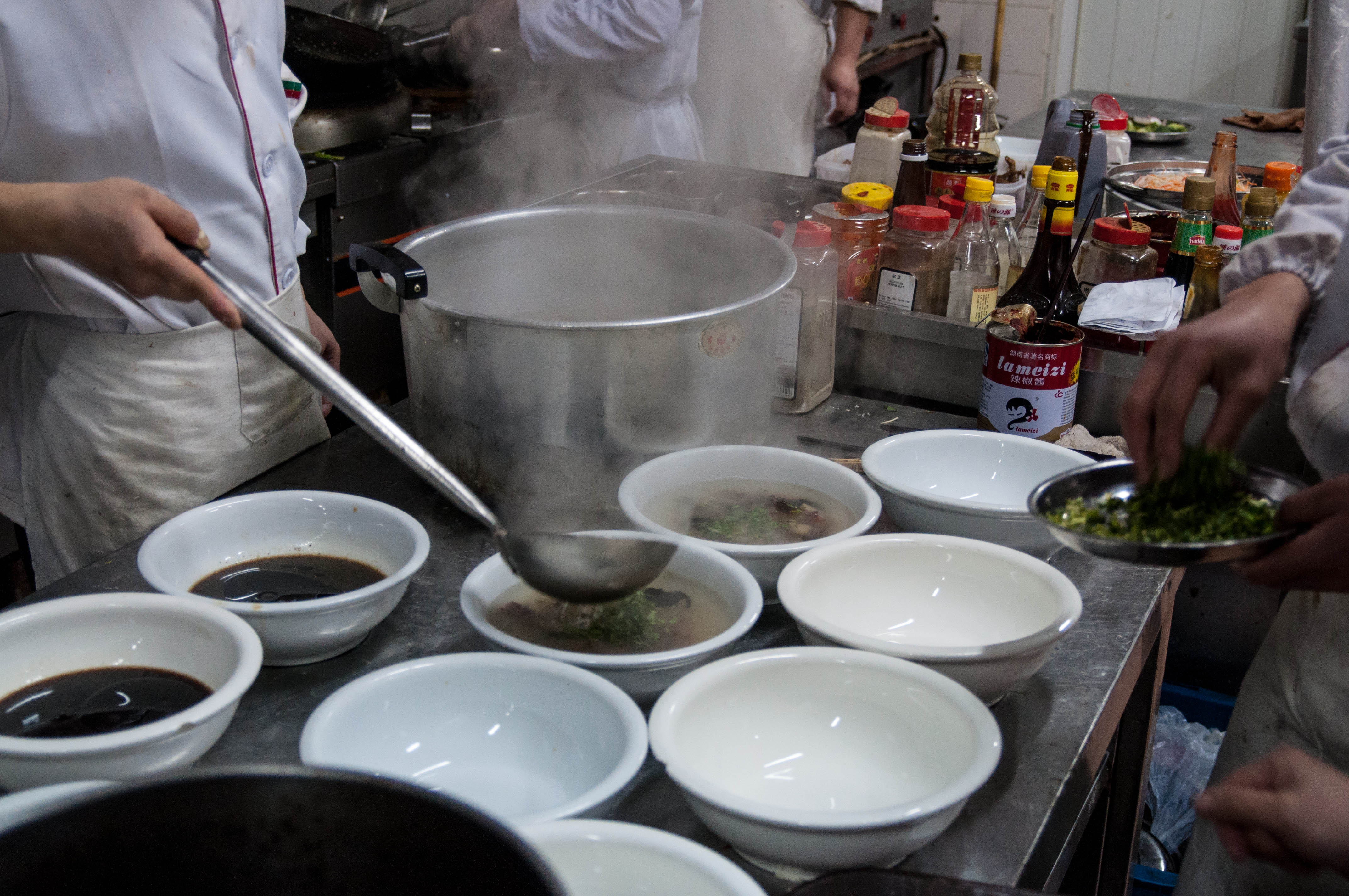
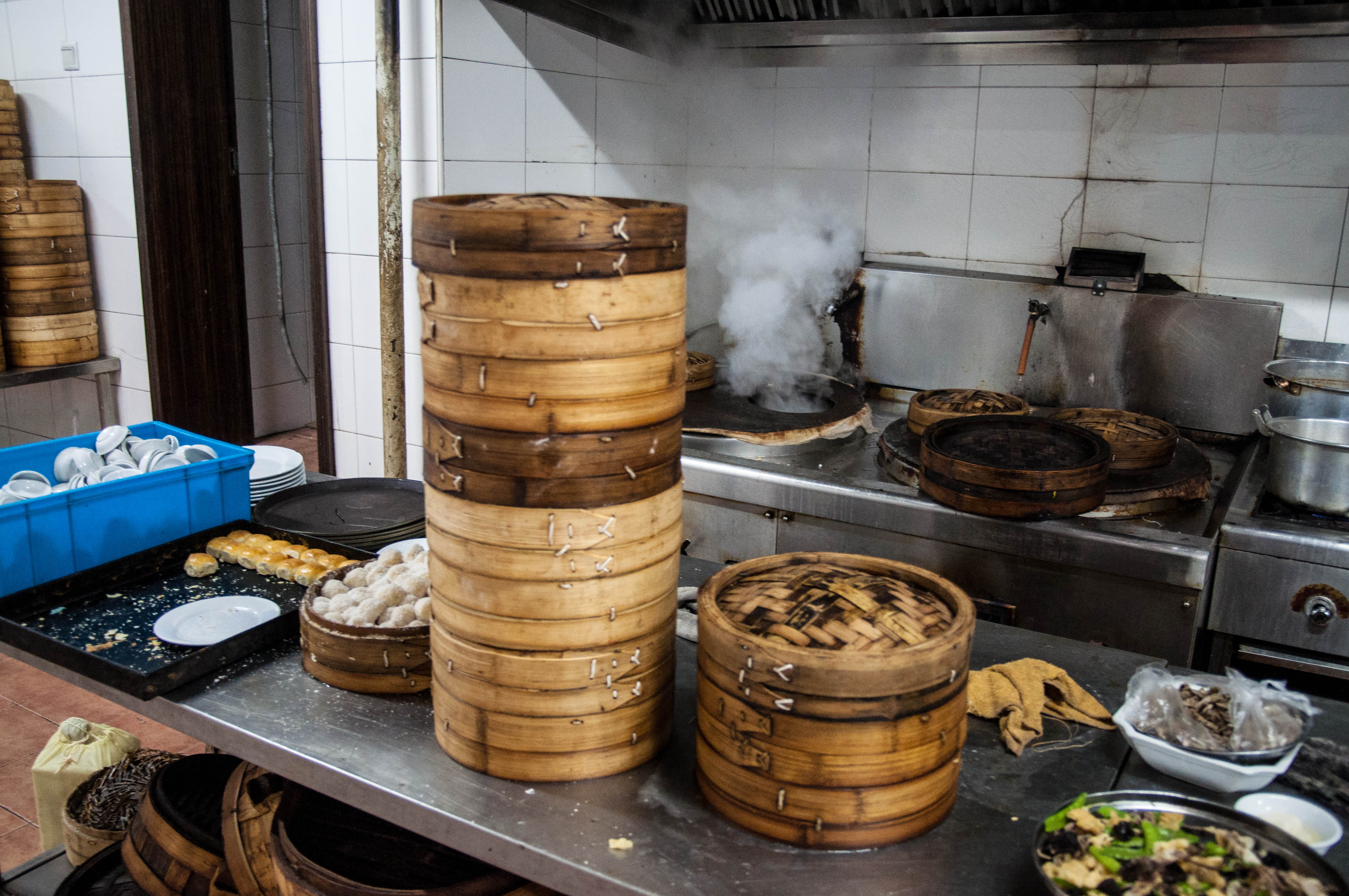
As much as I love to eat Chinese food, I had never really been into the kitchen of a big restaurant. Small restaurants, sure, you can hardly not see the kitchen. I joke with my students (with a serious undertone), to not look back into the kitchen at a Chinese restaurant. Just enjoy the food and don’t worry about where it came from. Chinese kitchens may not be the model of sanitary practices.

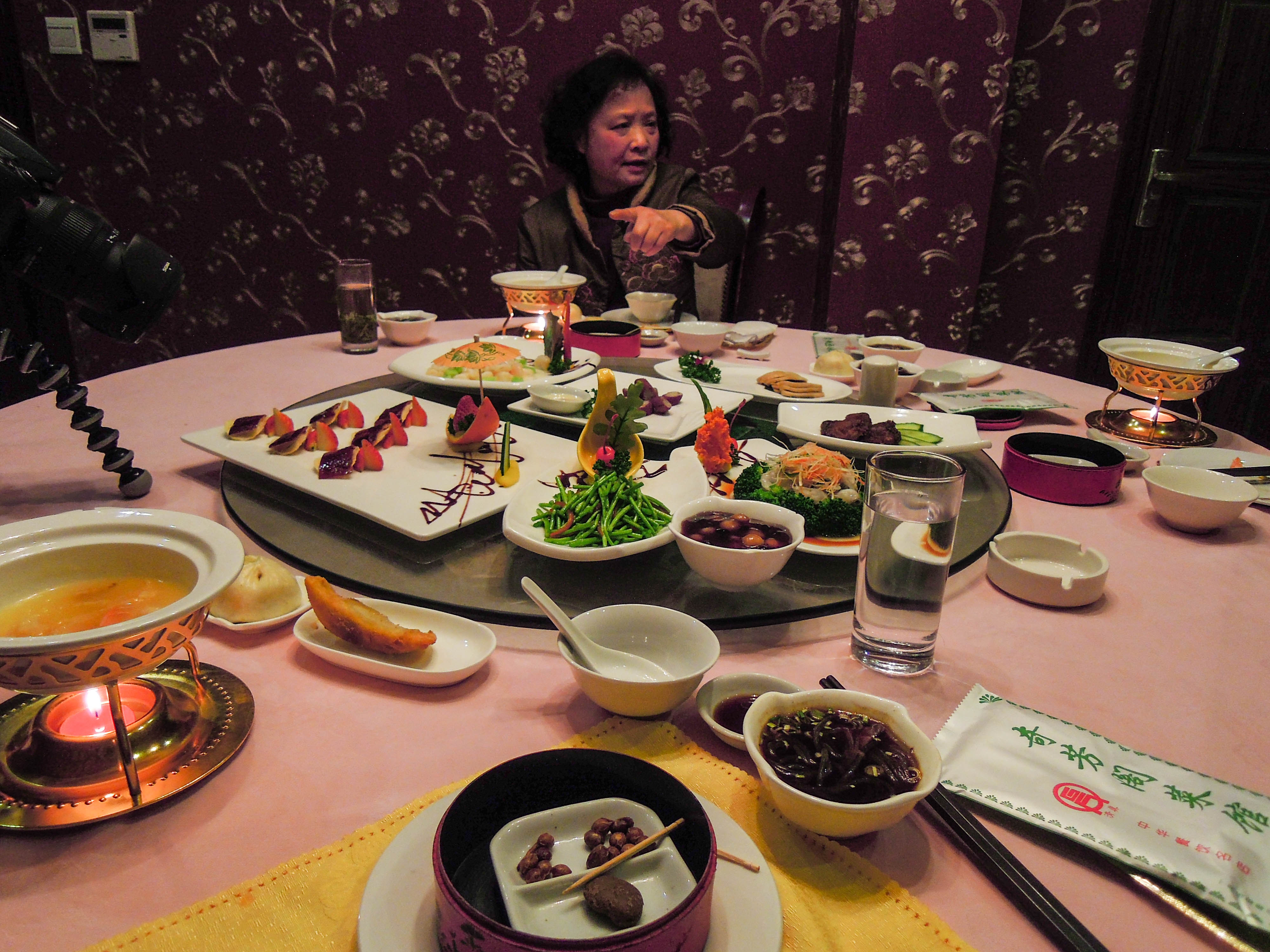
Last year I was visiting with an old friend in Nanjing, and as usual he and his wife invited me out to eat. He is a 23rd generation Chinese Muslim and is very well connected with the Muslim community in Nanjing. He knows all the best Muslim restaurants and has a personal relationship with all the owners. On this occasion we ate at the excellent 奇芳阁 qífānggé restaurant at Fuzi Miao fūzi miào in the southern part of the city. This restaurant has a long history and offers excellent Muslim Chinese food. (More on Muslim food in China in another post).

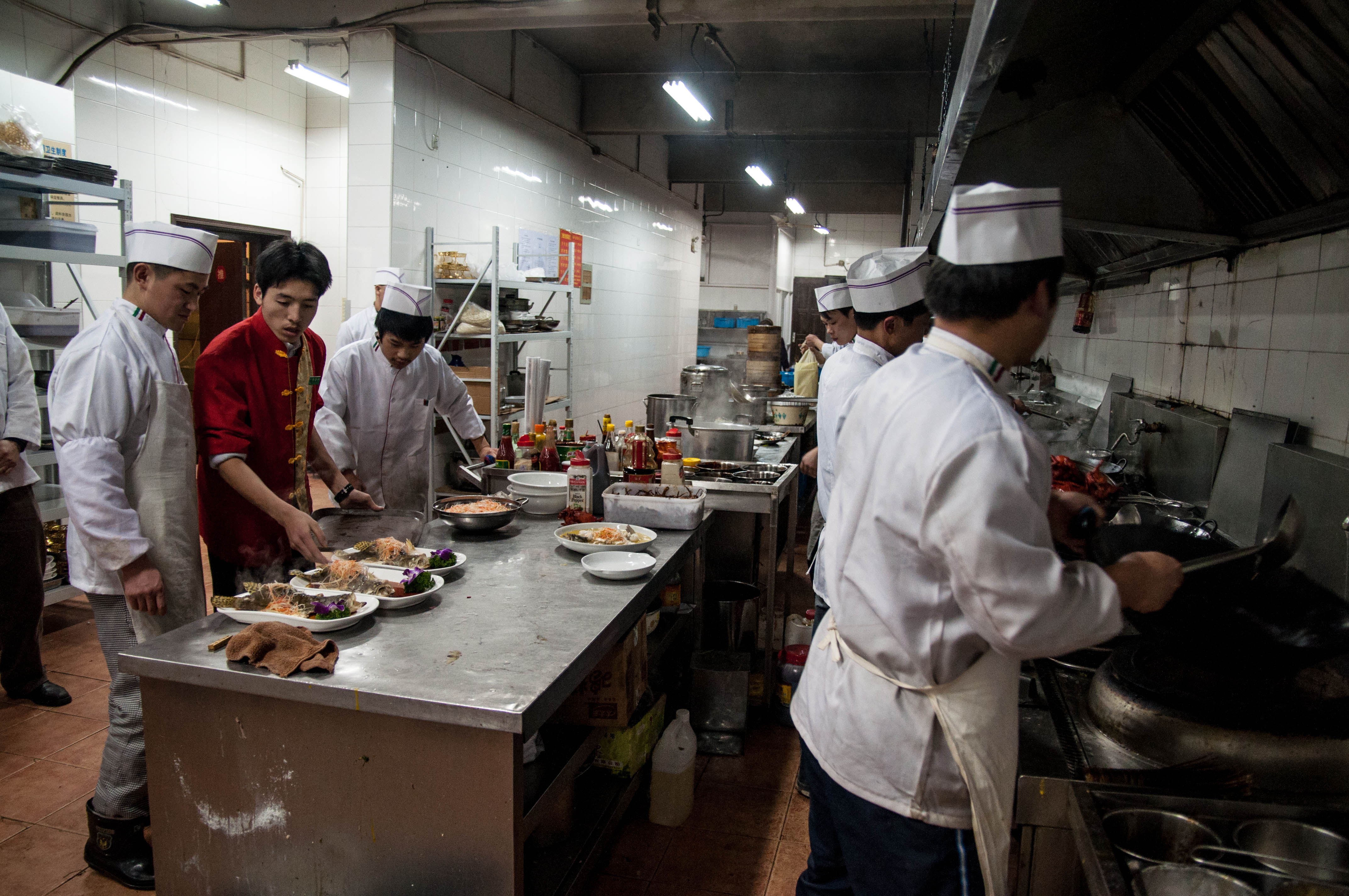
Knowing my interest in Chinese food and culinary culture, my friend introduced me to the head manager of the restaurant as well as the head chef. They then gave me a tour of the kitchen and graciously allowed me to take photos. The lighting was not good, and I struggled to get good exposures, so the photos are not great. But I think they are interesting. I suppose the kitchen was not too different from any restaurant kitchen—busy, loud, and a bit chaotic at times with waiters and waitresses coming and going.

A line of woks

A line of woks

From wok to platter

From wok to platter

The prep and assembly area

The prep and assembly area

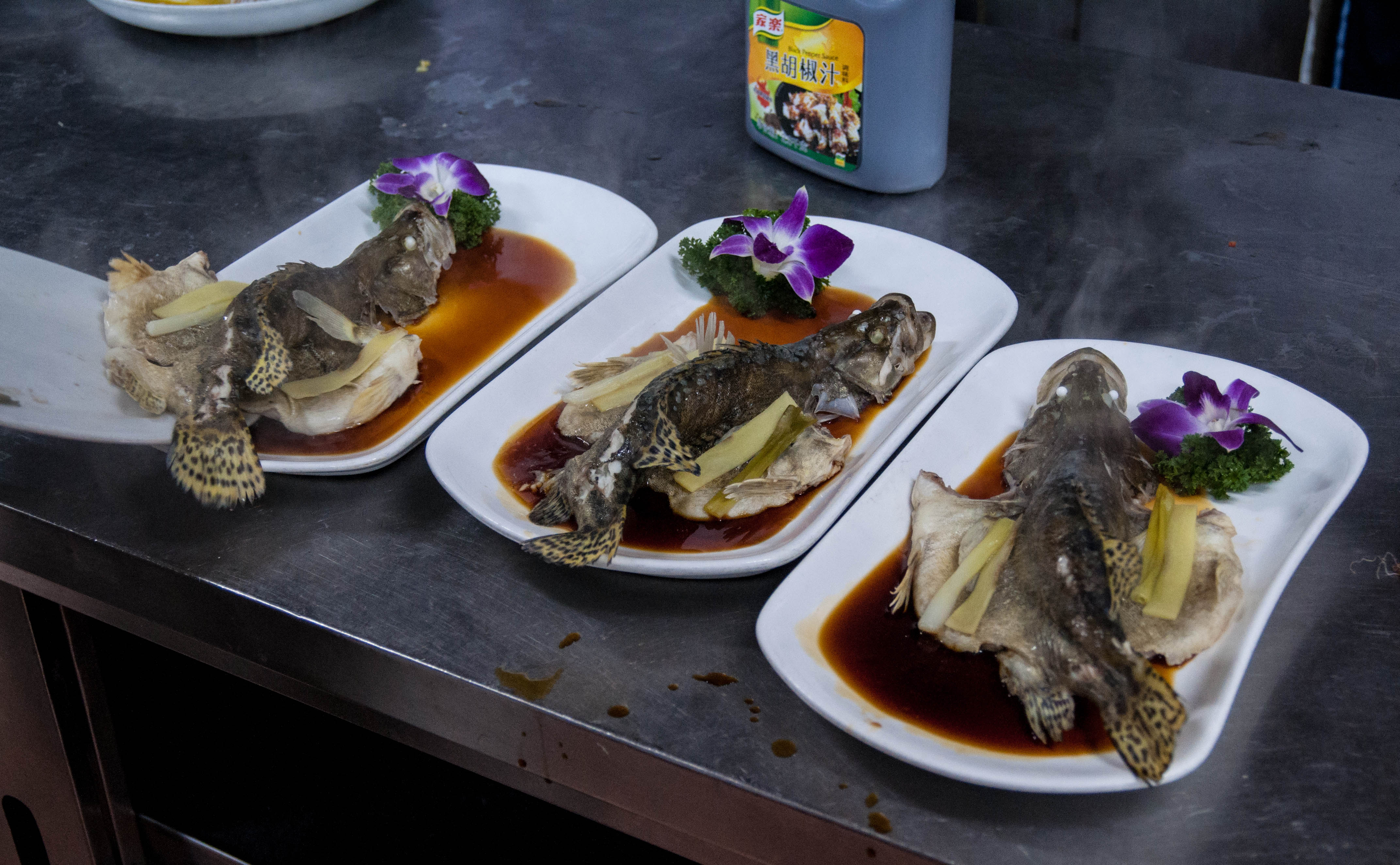
Fish

Fish


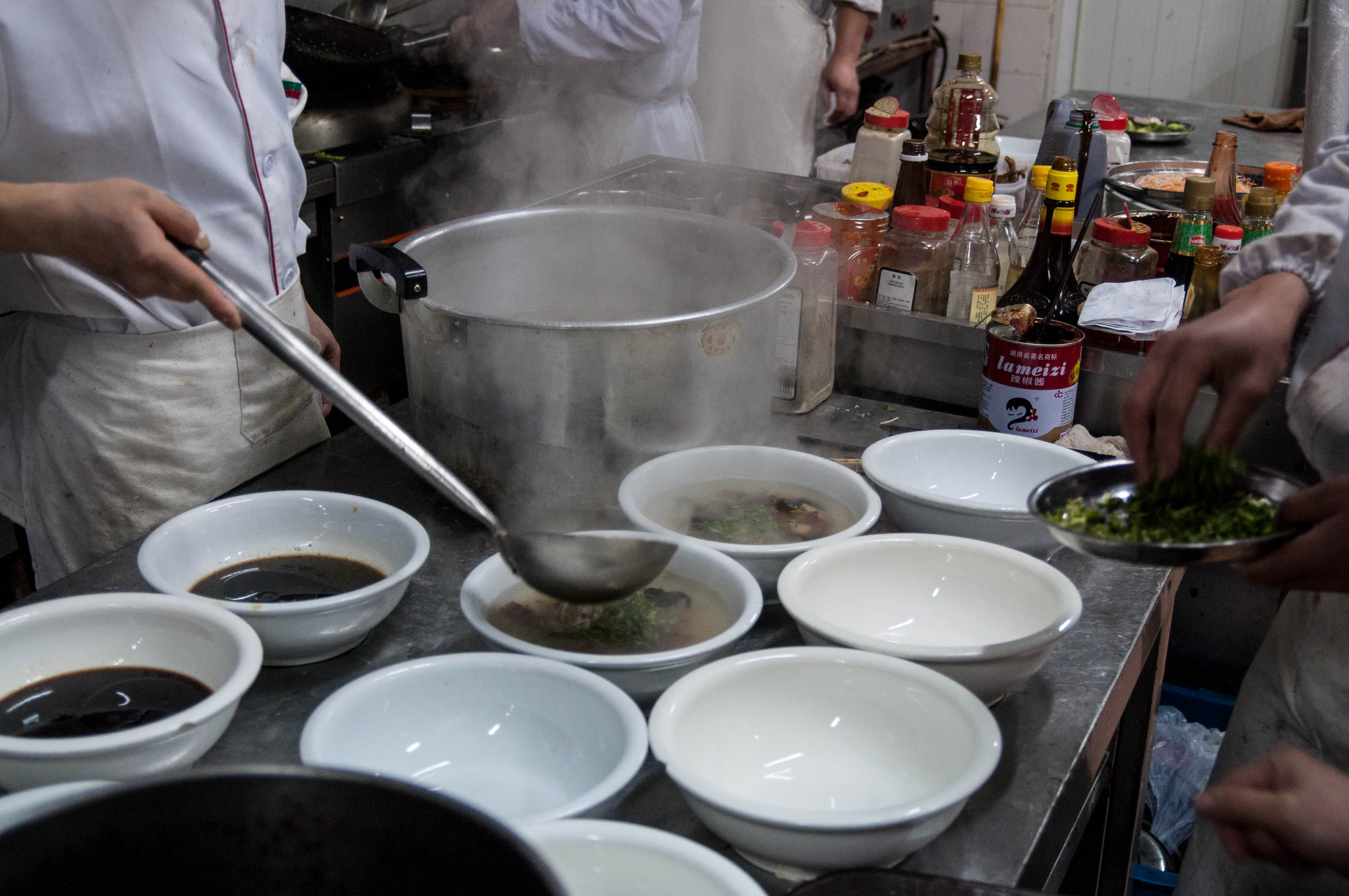
Soup

Soup

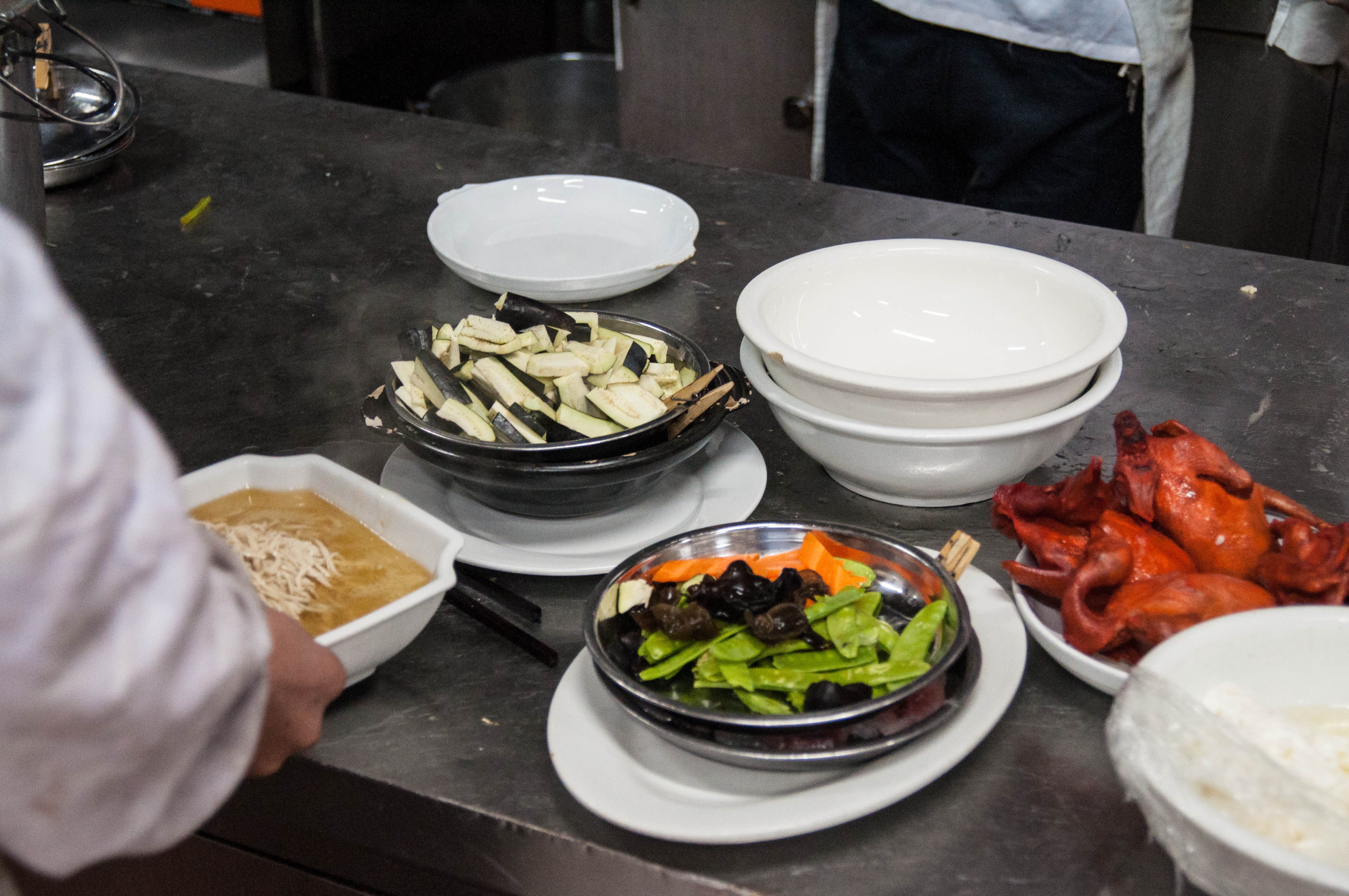
Ingredients

Ingredients

The steaming station

The steaming station

Dishes ready to go

Dishes ready to go

More fish

More fish

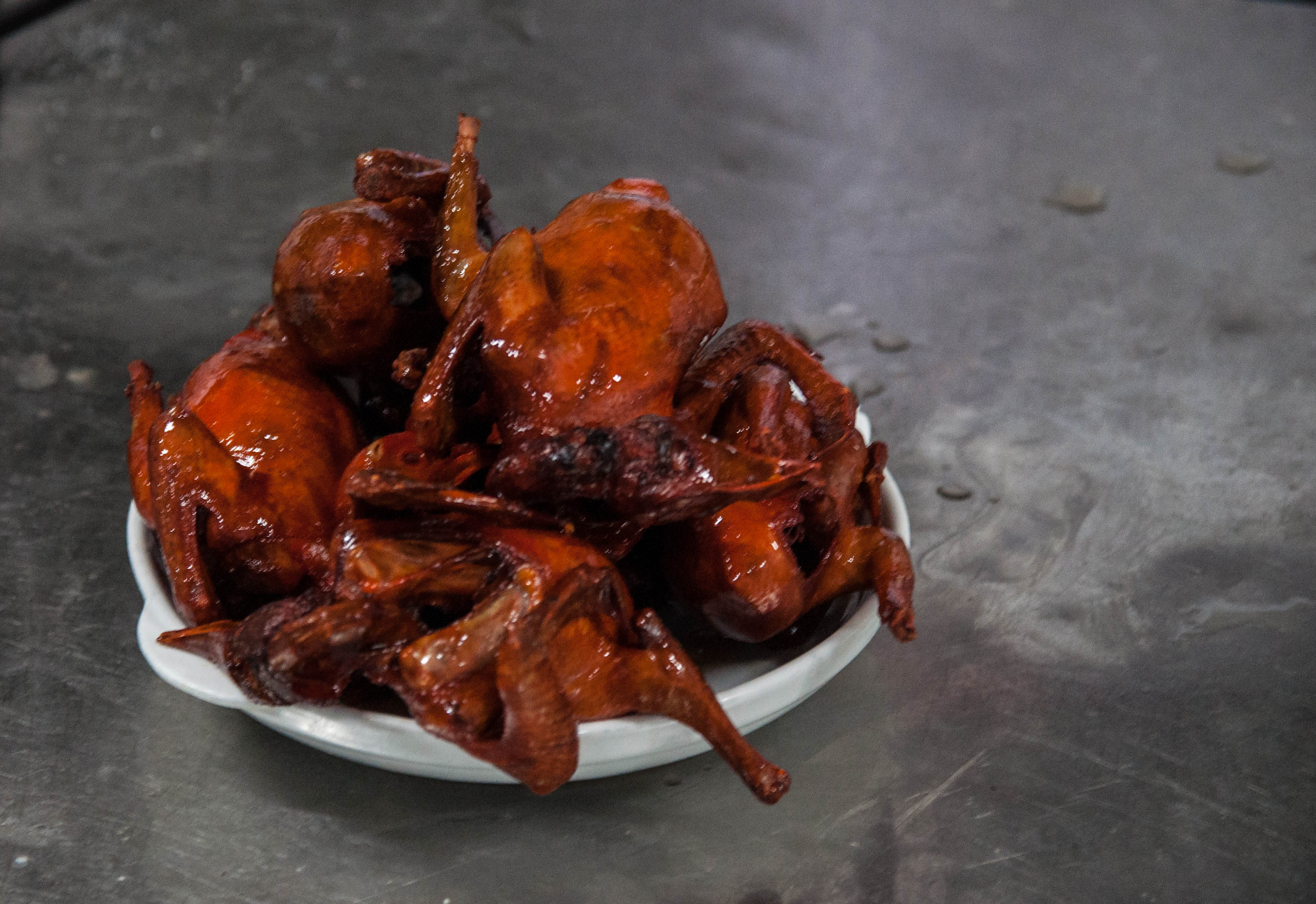
Quail

Quail

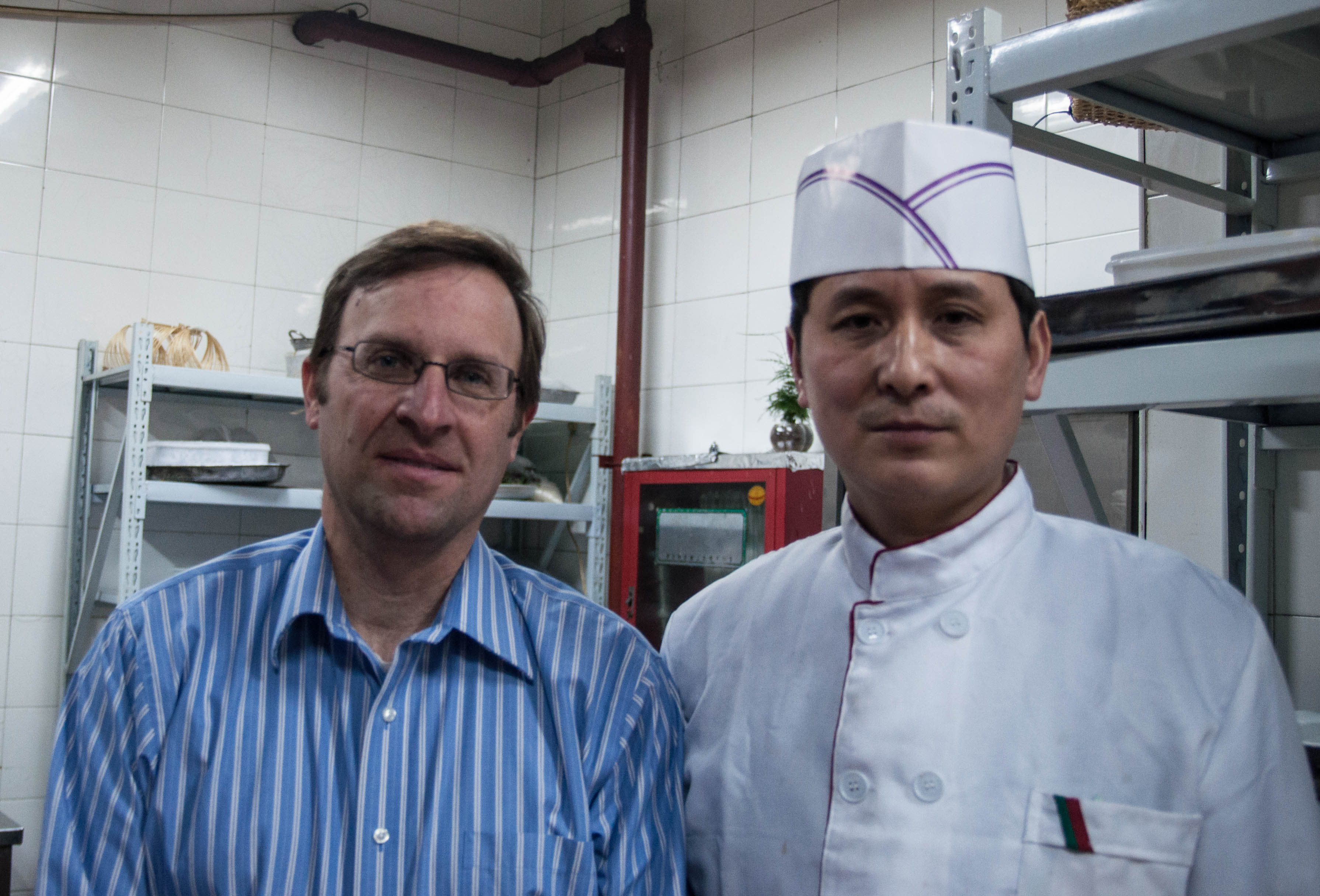
With the head chef

With the head chef

Our delicious dinner

Our delicious dinner


The Story Behind Tianjin’s 狗不理包 gǒubùlǐ bāo

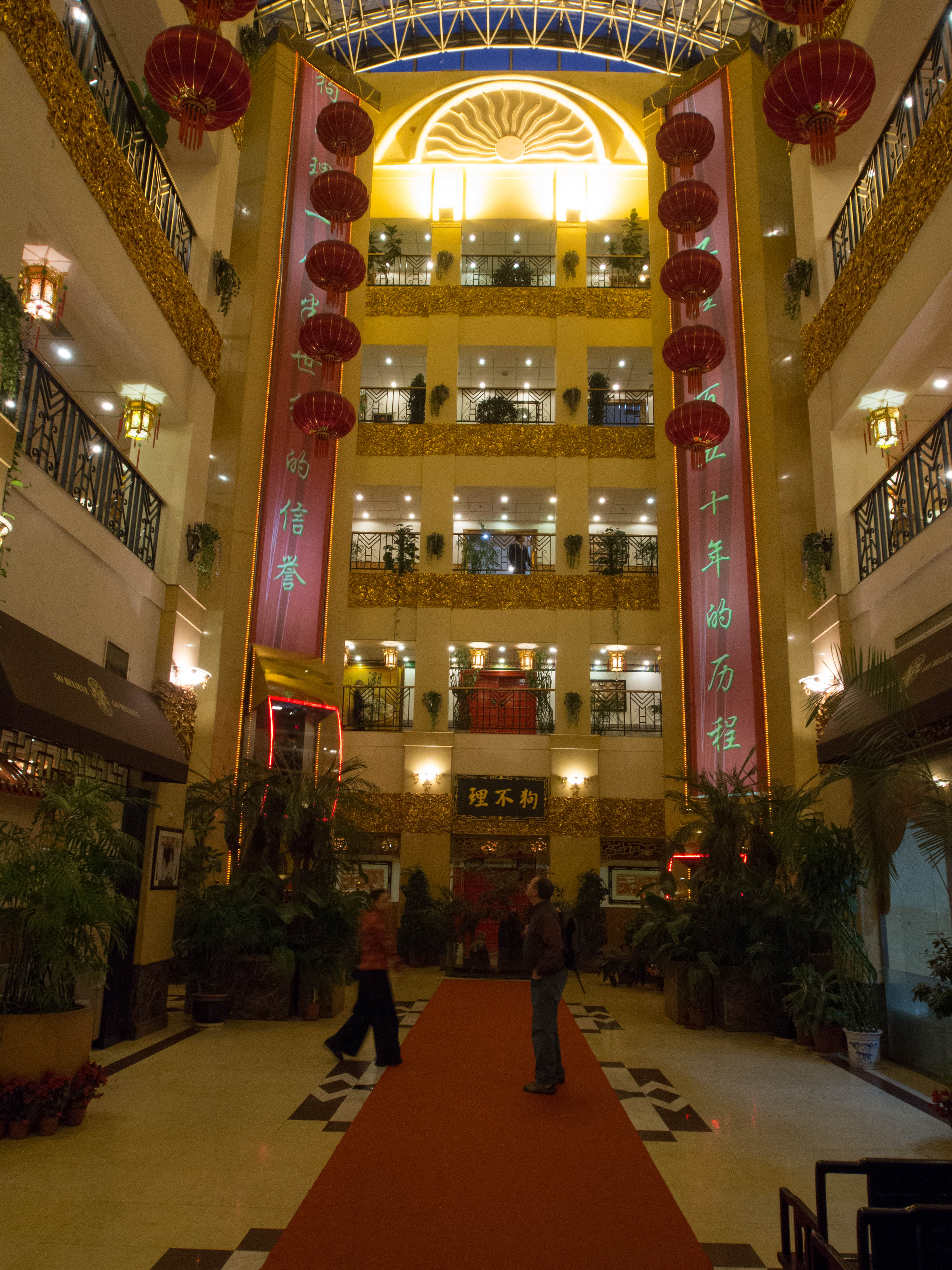
狗不理大酒店 in Tianjin

狗不理大酒店 in Tianjin

In my last post I posted a photo of Tianjin’s famous 狗不理包 gǒubùlǐ bāo. I then received a comment about this very unusual name for this steamed dumpling. As the commenter noted, it sounds like these 包子bāozi are not even fit for dogs. For the non-Chinese speaking readers, let me explain. 狗 gǒu simple means ‘dog’ and to 不理 bùlǐ means to ‘pay no attention to,’ so a literal translation would be something like ‘the dumpling that dogs won’t pay attention to.” This would imply that they are not too tasty.

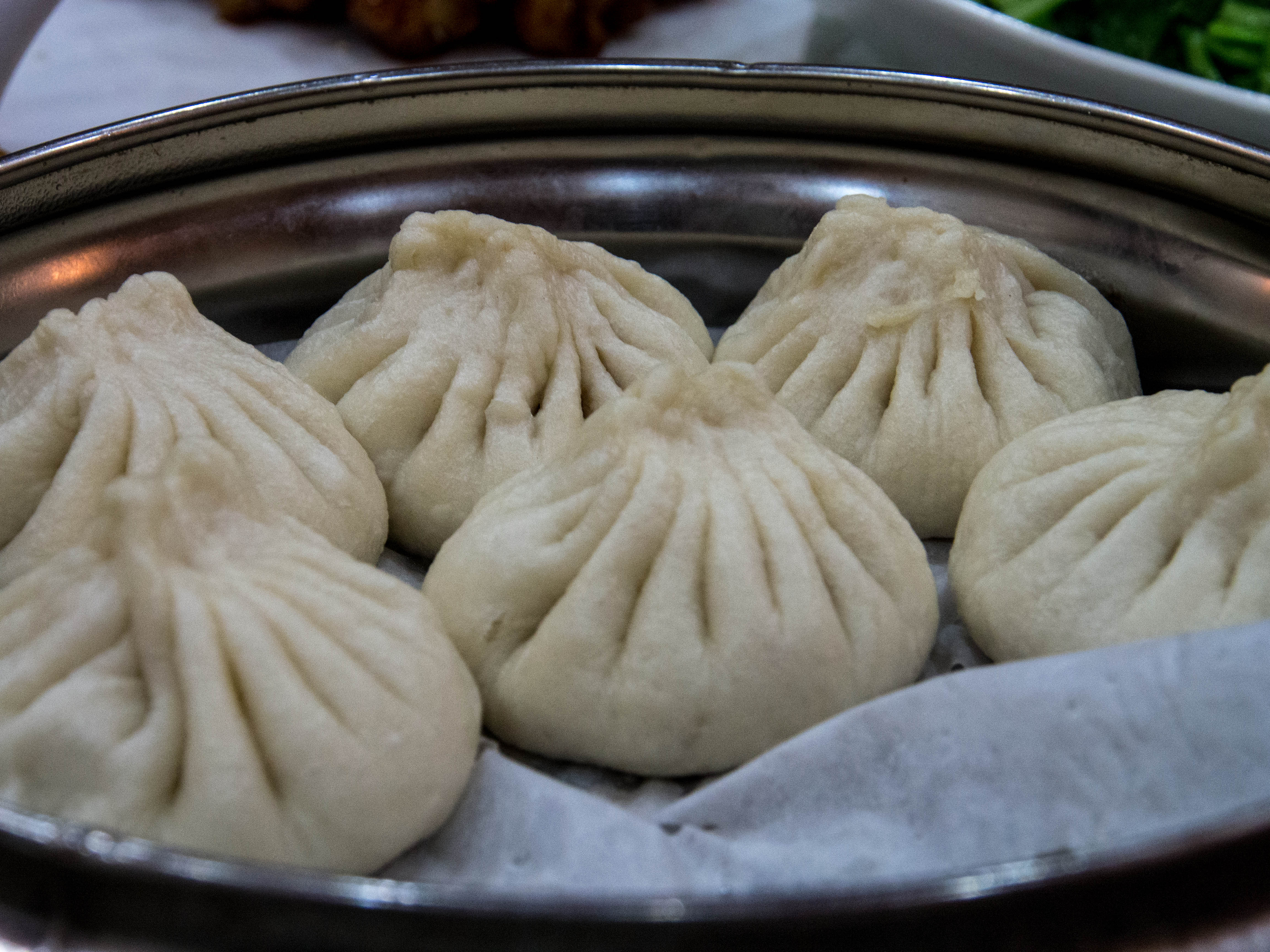
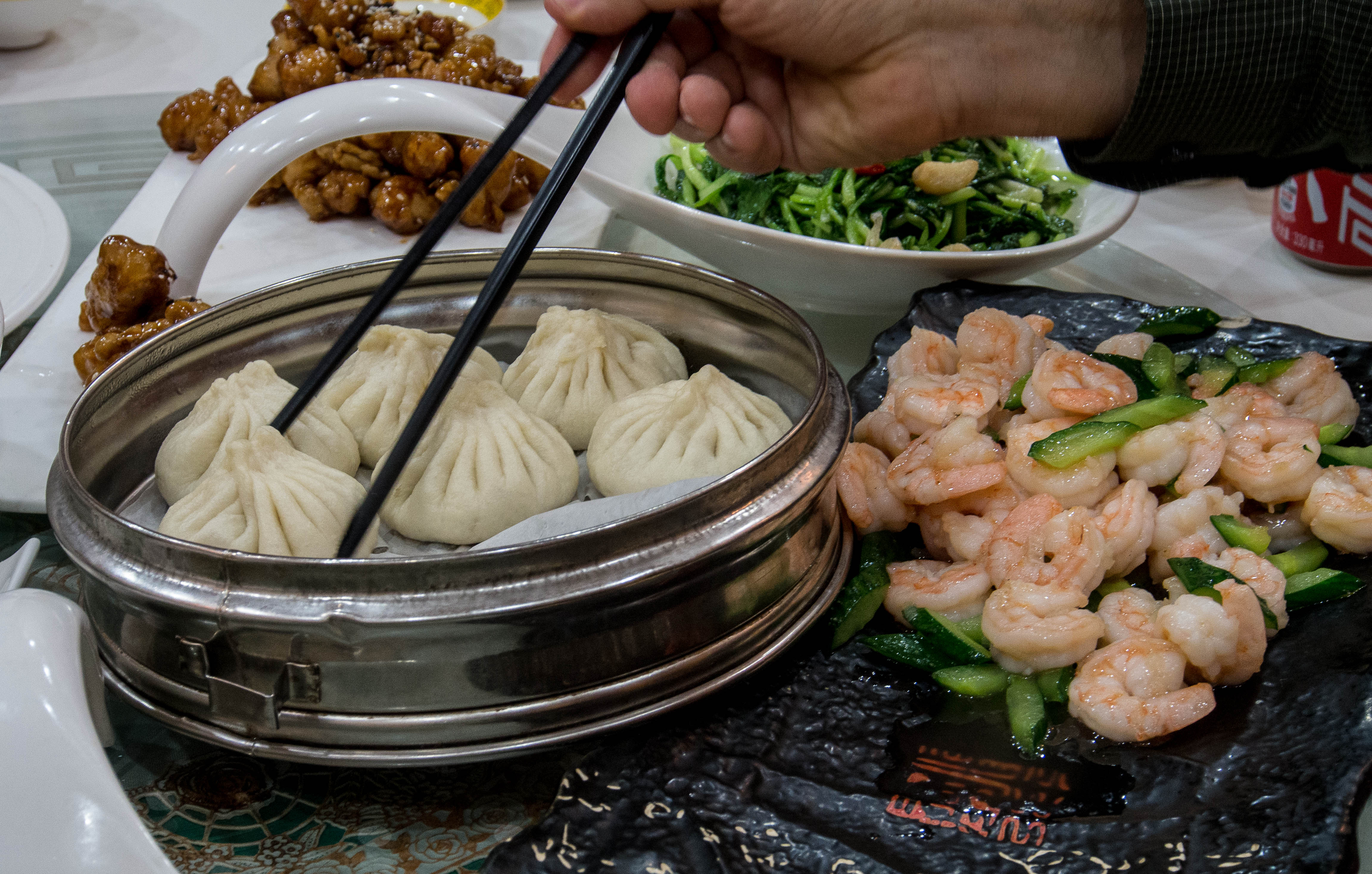
狗不理包 gǒubùlǐ bāo

狗不理包 gǒubùlǐ bāo

Before going to Tianjin last Autumn I had never tasted them, though I had heard of them as they are considered a famous Tianjin snack. Here is the story about these very tasty dumplings. It comes from the book 旅游城市美食指南:便走便吃 edited by 周国宝. (Tourist City Guide to Gourmet Food: Eating While Traveling).

According to tradition, the story begins in 1858 when a 14 year old boy named Gao Guiyou arrived in Tianjin. His nickname was Gouzi (狗子 gǒuzi) or ‘dog.’ He had come to Tianjin to study to be a craftsman. He was very clever, good with his hands, and a quick learner. He apprenticed at a shop run by the Liu Family that made steamed dumplings (包子 bāozi). He learned very quickly how to make beautiful and delicious dumplings. After three years he had served out his apprenticeship and opened his own shop selling his own dumplings. He soon gained a reputation for making the best dumplings in town and people came from all over to eat them. He became so busy that he had no time to talk to his customers, thus the phrase, 狗子卖包子,不理人, gǒuzi mài bāozi, bùlǐ rén, ‘Gouzi sells dumplings and doesn’t pay attention to people (meaning his customers). After awhile people began calling him 狗不理 gǒubùlǐ, and his famous dumplings became known as 狗不理包 gǒubùlǐ bāo. Now it is said that if you travel to Tianjin and don’t try 狗不理包子 gǒubùlǐ bāozi, then you’ve never been to Tianjin.

Me and a couple friends/colleagues traveled to Tianjin to visit the parents of a former graduate student I worked with. It was also a good excuse to visit Tianjin. We took the new bullet train from Beijing and it only too 28 minutes to get to Tianjin. They took us out to eat at the famous 狗不理大酒店. Whether this was the original location of the shop in the story, I don’t know.

Inside the restaurant

Inside the restaurant

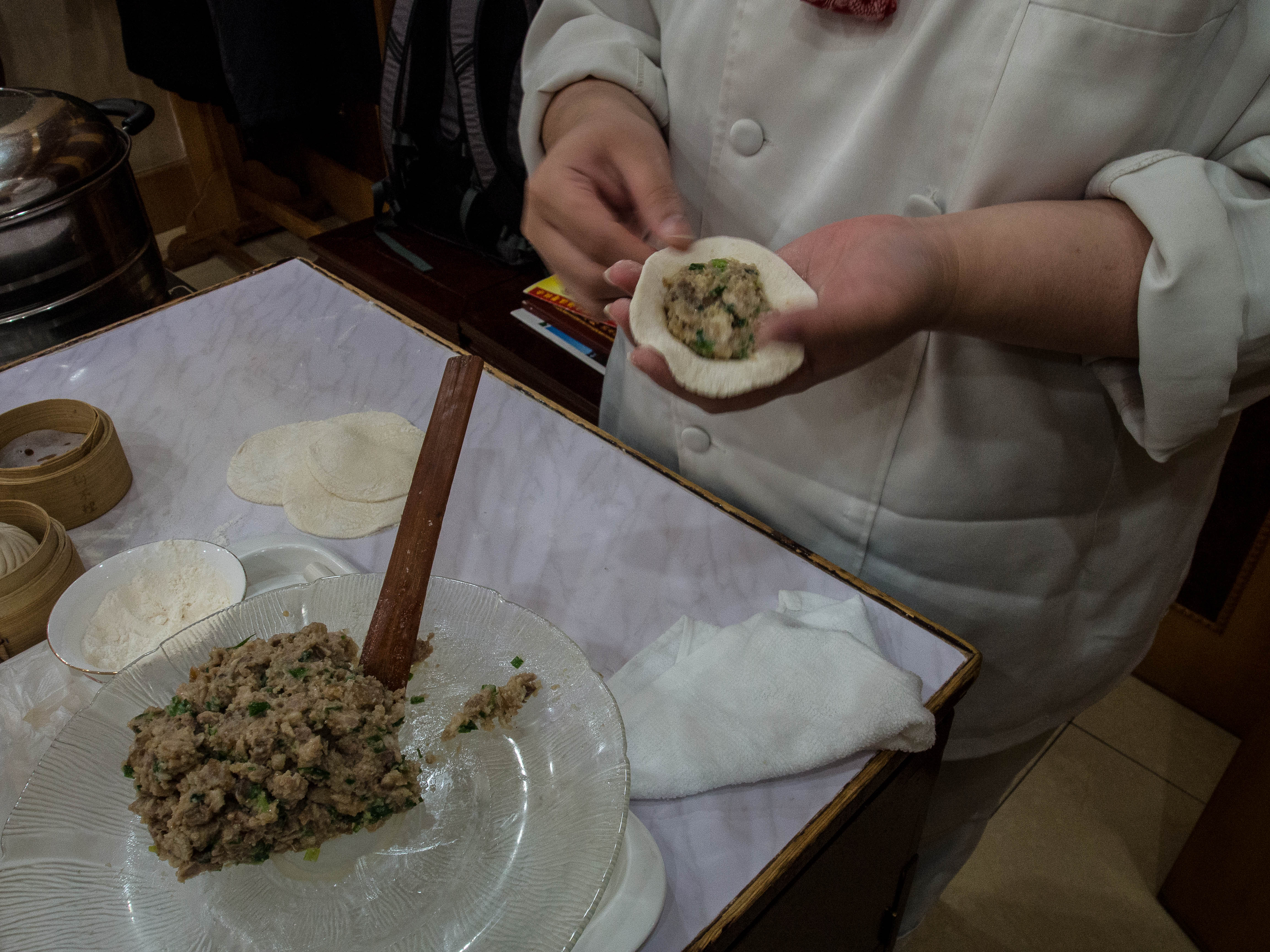
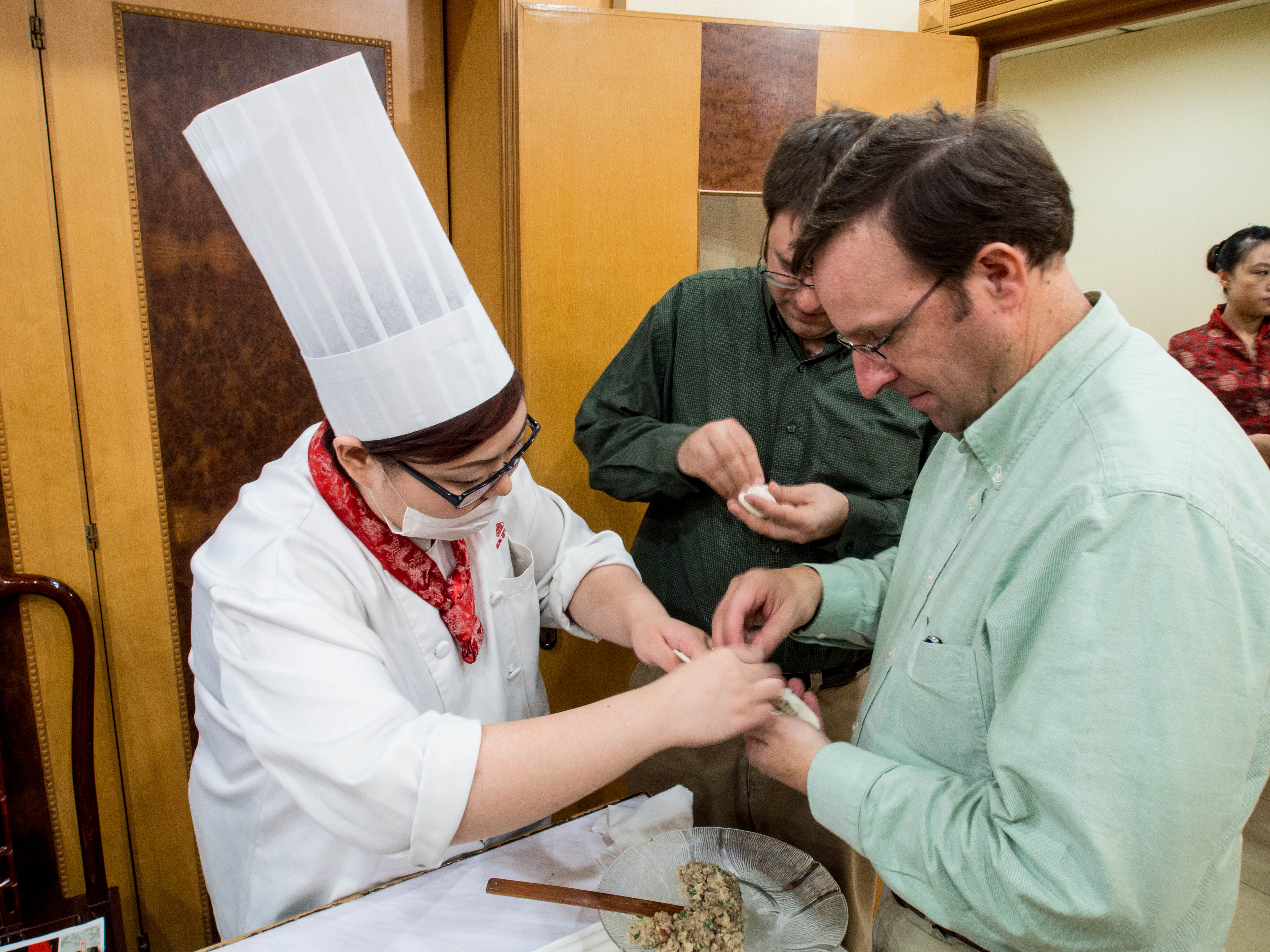
We had an excellent meal which of course included gǒubùlǐ bāo. I am happy to report that they are delicious. We had a chef come into our private room and demonstrate how to wrap them. She then taught us how to do it. Though it may look easy, it surely is not and takes a great deal of practice to wrap them properly.

Rolling out the dough

Rolling out the dough

Wrapping the bāozi

Wrapping the bāozi

Michael and I feebly trying to wrap our own

Michael and I feebly trying to wrap our own

Can you tell which one the lǎowài (foreigner) wrapped?

Can you tell which one the lǎowài (foreigner) wrapped?

Finally, here is a short video I shot of the chef wrapping a 狗不理包. She makes it look so easy and effortless, but I assure you it is not. As I said, they are truly delicious. Next time you are in Tianjin, make sure to eat some 狗不理包.

New Year’s Update

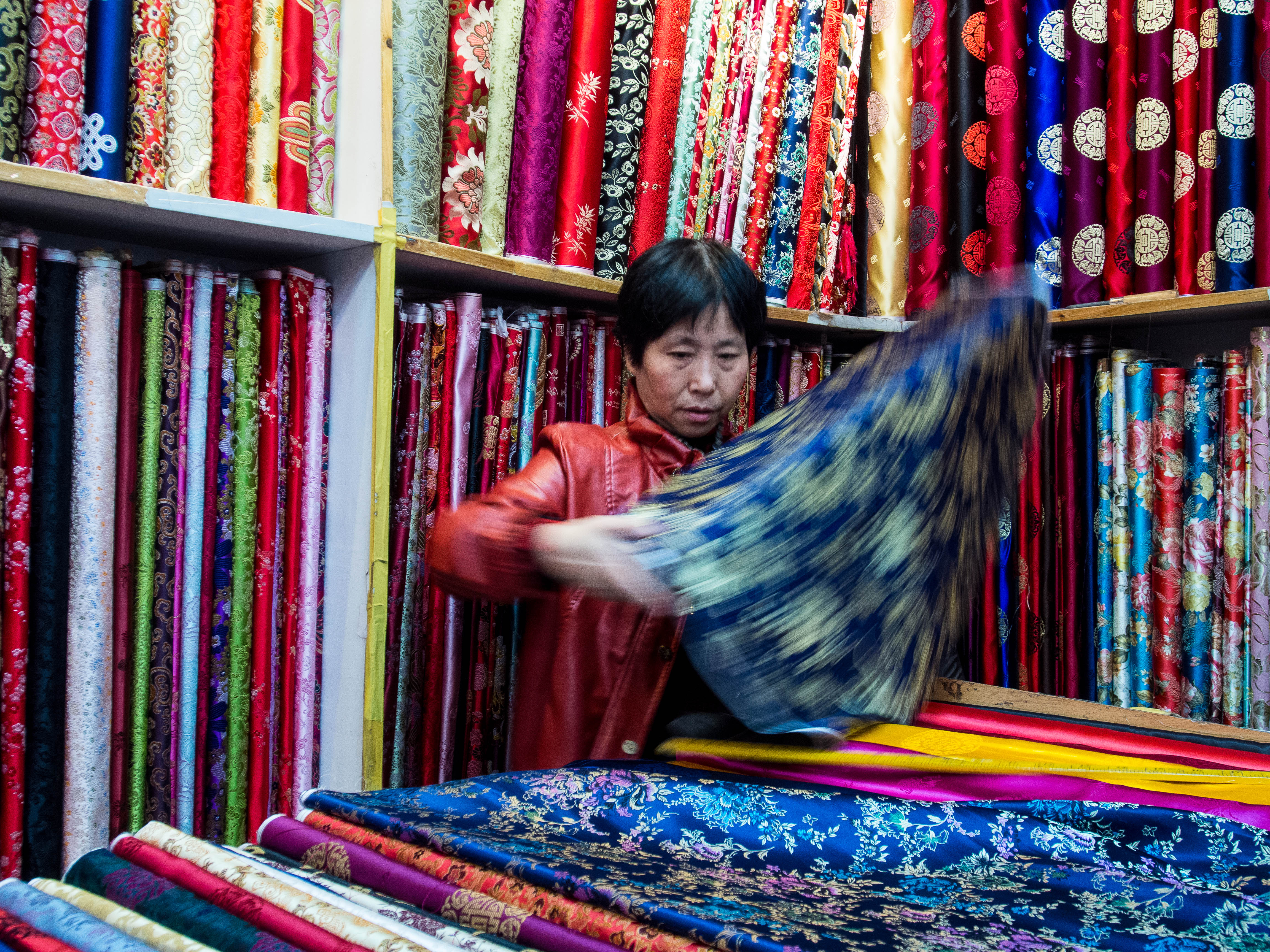
Fabric store in Nanjing

Fabric store in Nanjing

It has been quite some time since I posted anything. I had a very busy semester teaching and traveling, then was swamped with finals and the holidays. I am now on sabbatical so I intend to post regularly for the next few months.

For the past several years I have been working on a cultural guidebook to China. It is due to the hit the bookstores in April. The title is: Decoding China: A Handbook for Traveling, Studying, and Working in Today’s China. I will post more details of the book and how to get a copy soon.

I have two new projects I am working on this year. The first is a culinary guidebook to China. This will cover the various regional cuisines in China and some very practical information such as how to make sense of a Chinese menu, how to find a good restaurant, street food, and so on. My interest in food and eating is evident to those who read this blog. The second project is a book on Chinese popular culture and cultural literacy. My goal with this book is to cover those basic things about Chinese culture that everyone in China grows up knowing. I will be posting regularly on these two topics as I continue my research. I have at least two research trips to China planned this year for these projects.

I also have more photos and stories about my trip to Tibet last year that I plan to post about. And finally, I will continue to post on topics related to communication and Chinese culture.

Here are a few photos from my last trip to China, October/November 2012.

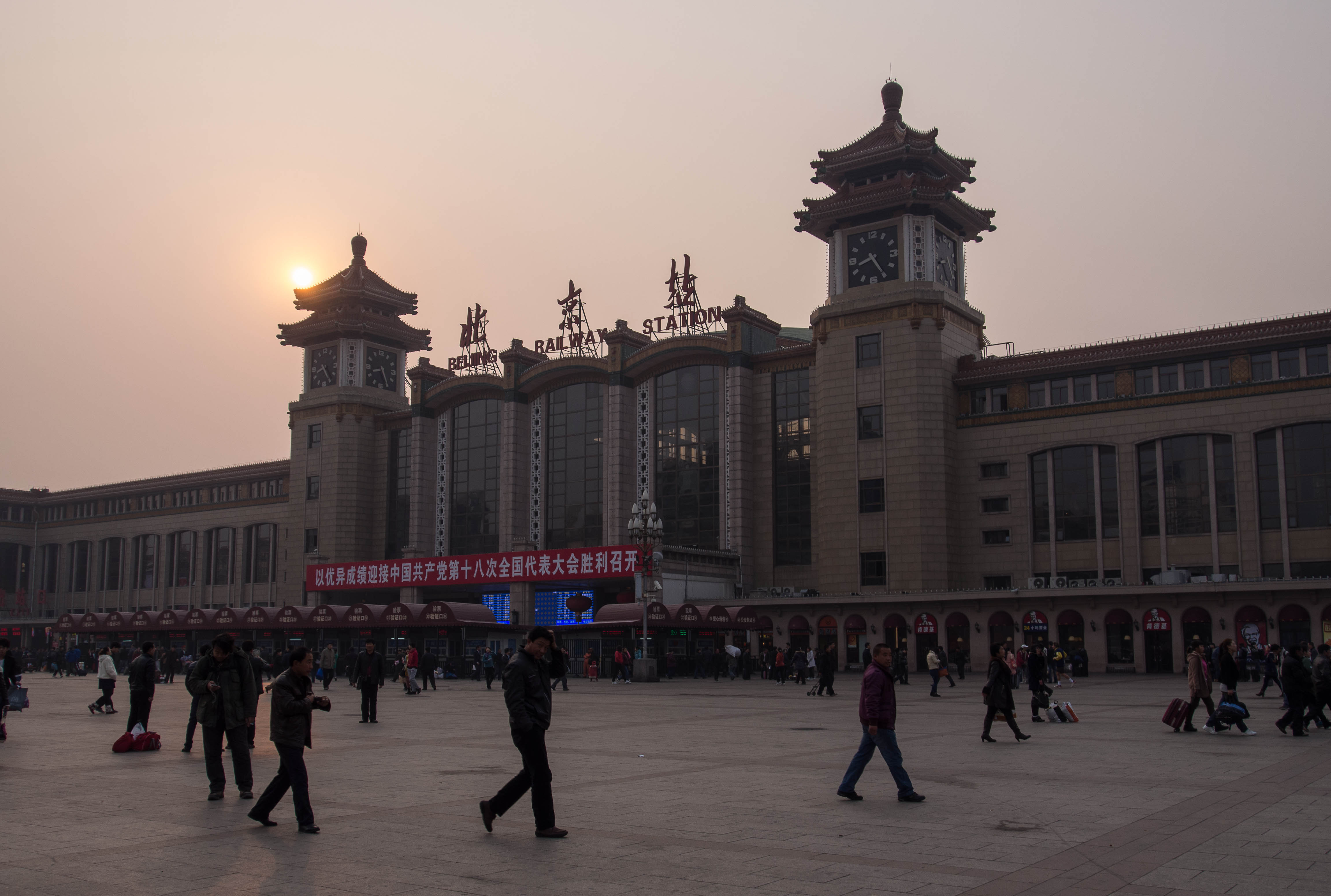
Beijing Train Station, early morning.

Beijing Train Station, early morning.

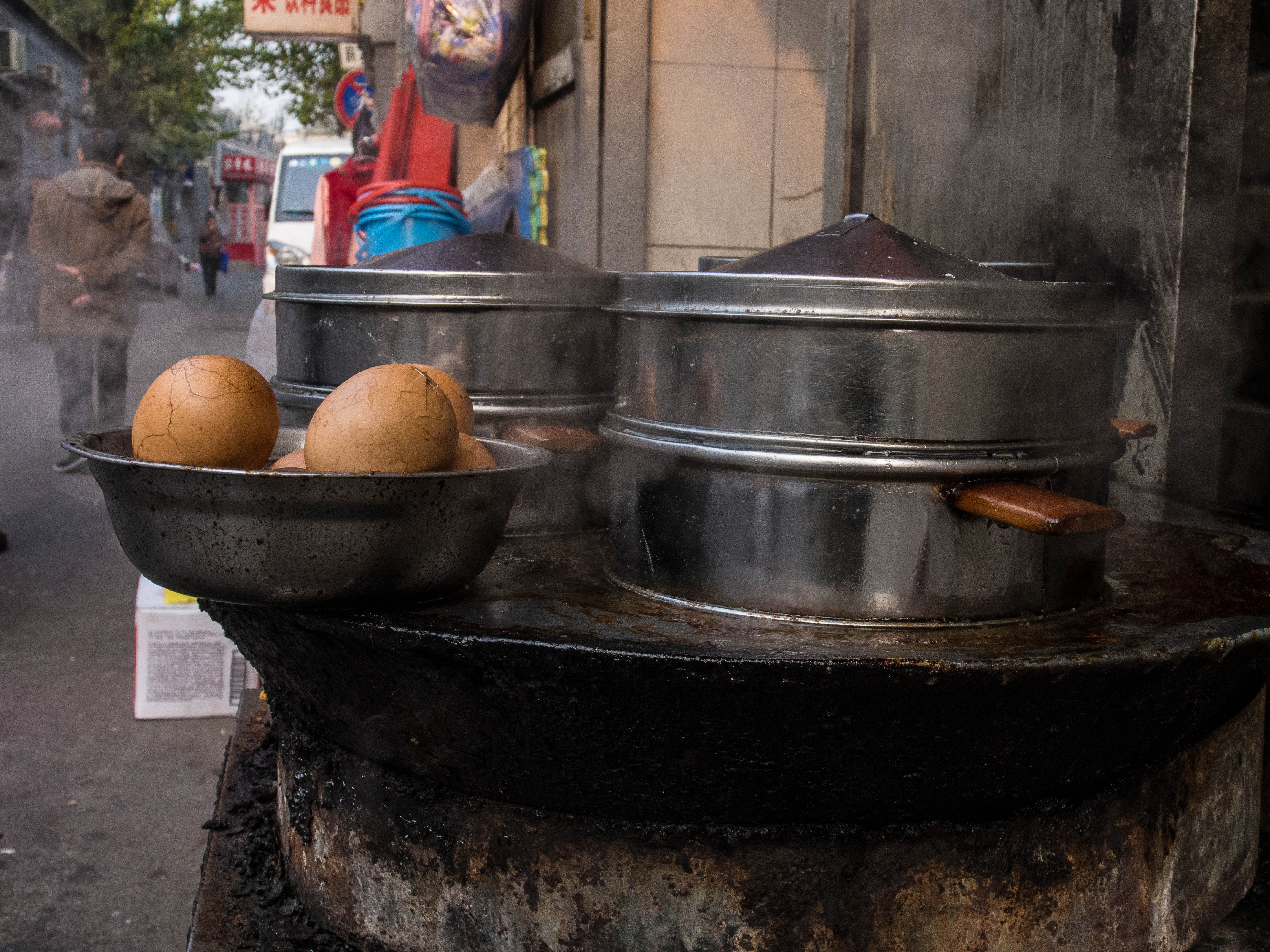
Breakfast in a hutong near the Beijing South Train Station.

Breakfast in a hutong near the Beijing South Train Station.

Tianjin's famous gǒubùlǐ bāo 狗不理包

Tianjin’s famous gǒubùlǐ bāo 狗不理包

Tianjin, old and new

Tianjin, old and new

Dumplings: China’s Traditional Fast Food

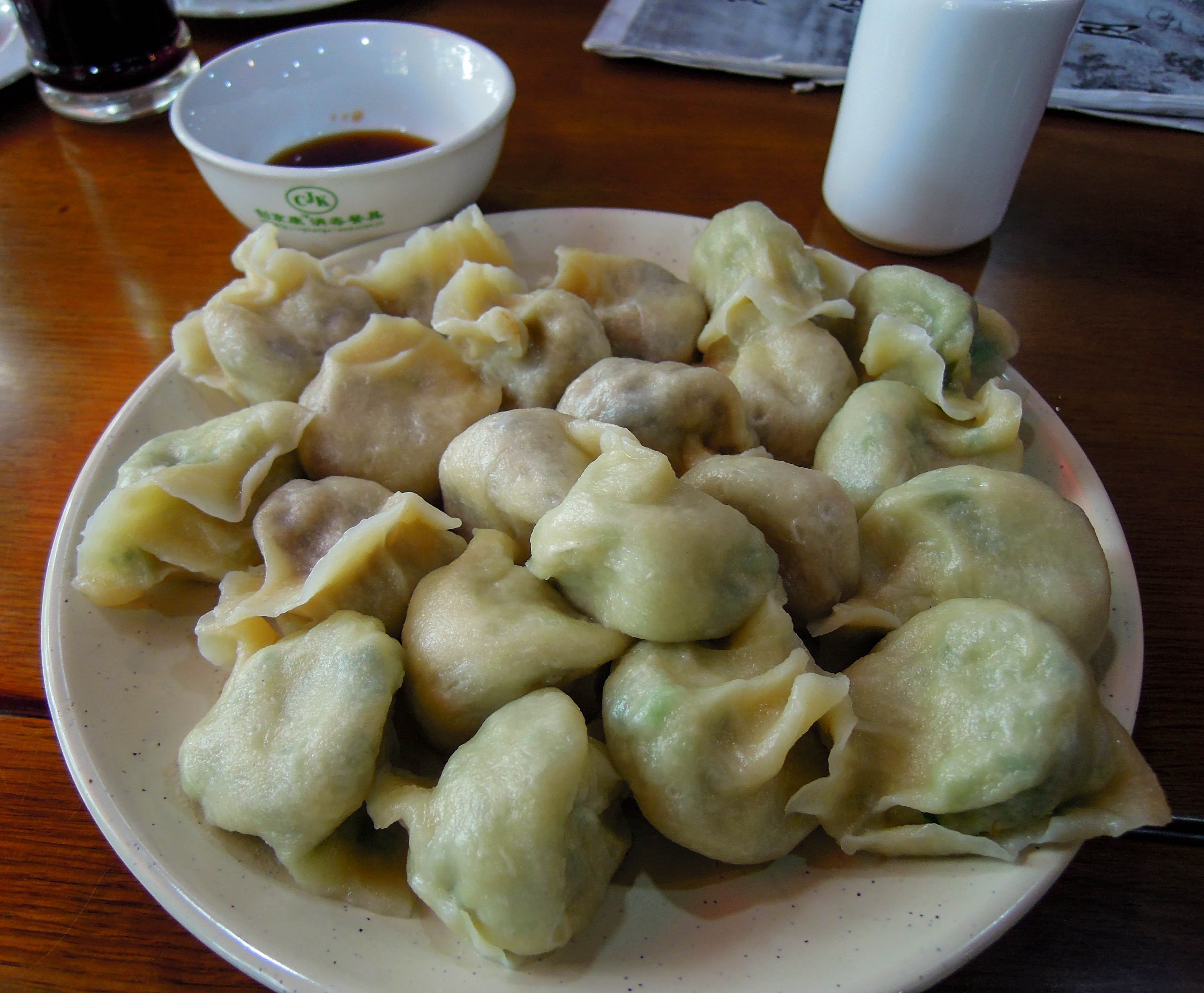
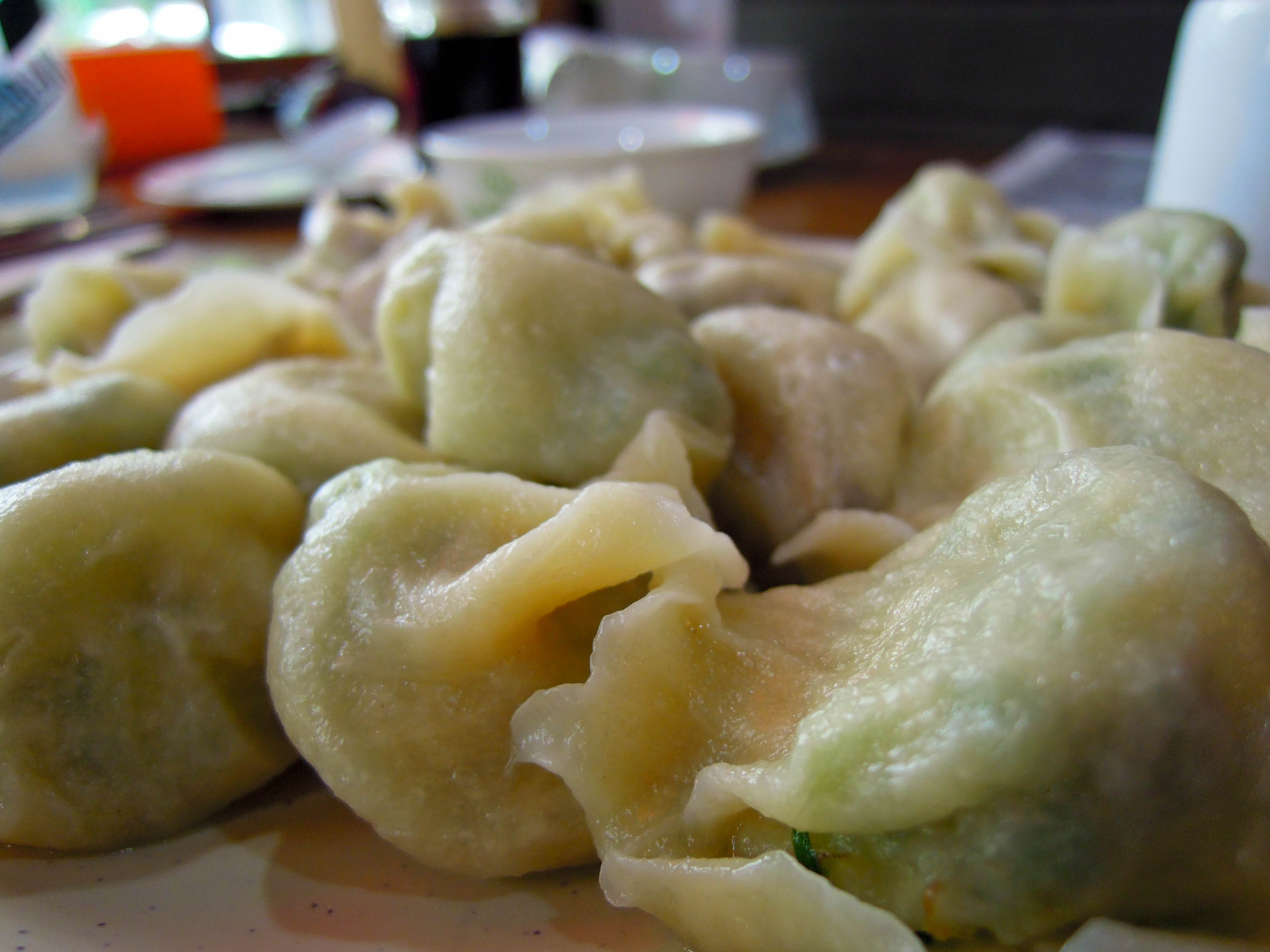
Dumplings have been around for a long time in China. They are perhaps China’s original fast food. Dumplings come in a variety of different styles. 饺子 jiǎozi is generic name for dumplings. Traditionally they are eaten in the North of China, but really can be found all over as well. In fact, there are chain restaurants all over China that serve nothing but shuǐjiǎo, such as the popular Chain 大娘水饺 dàniǎng shuǐjiǎo (http://www.cnddr.com/eng/index.htm). They are also traditionally eaten during Chinese New Year. Boiled  jiǎozi, how they are typically eaten in the North and very popular in Beijing, are called 水饺 shuǐjiǎo. They are usually sold by weight, the 两 liǎng, which is 50 grams. The plate above has 2 liǎng.

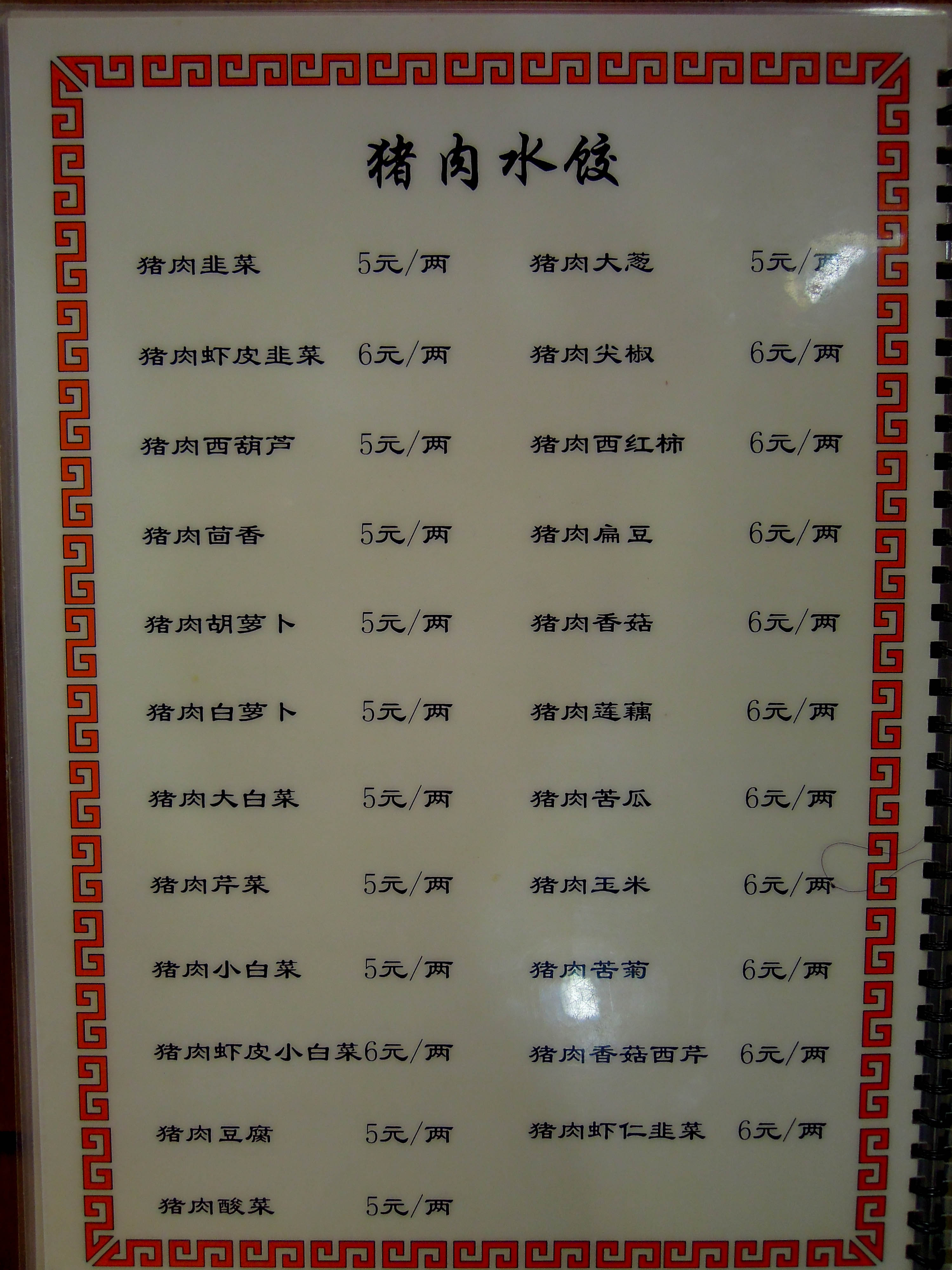
Earlier this year I was wondering around north of the Forbidden City in Beijing, near the old Drum Tower, and found a wonderful small restaurant that served dozens of varieties of shuǐjiǎo. At this particular restaurant they had pork, beef, lamb, and egg shuǐjiǎo with dozens of varieties of each. Below is a shot from the pork shuǐjiǎo page of the menu. You can choose from pork with chives, cabbage, fennel, carrots, turnips, mushrooms, onions, peppers, to name a few.

shuǐjiǎo menu in Beijing

The skins are homemade (of course) are sometimes thick and chewy, and sometimes thin and almost transparent. They are usually dipped in a dark, rich vinegar. In some parts of China, usually farther south, the vinegar is mixed with a little soy sauce. In some areas they add chili oil as well. Jiǎozi can be a meal all by themselves, and are also often served at the end of a banquet.

Pot stickers 锅贴 guōtiē

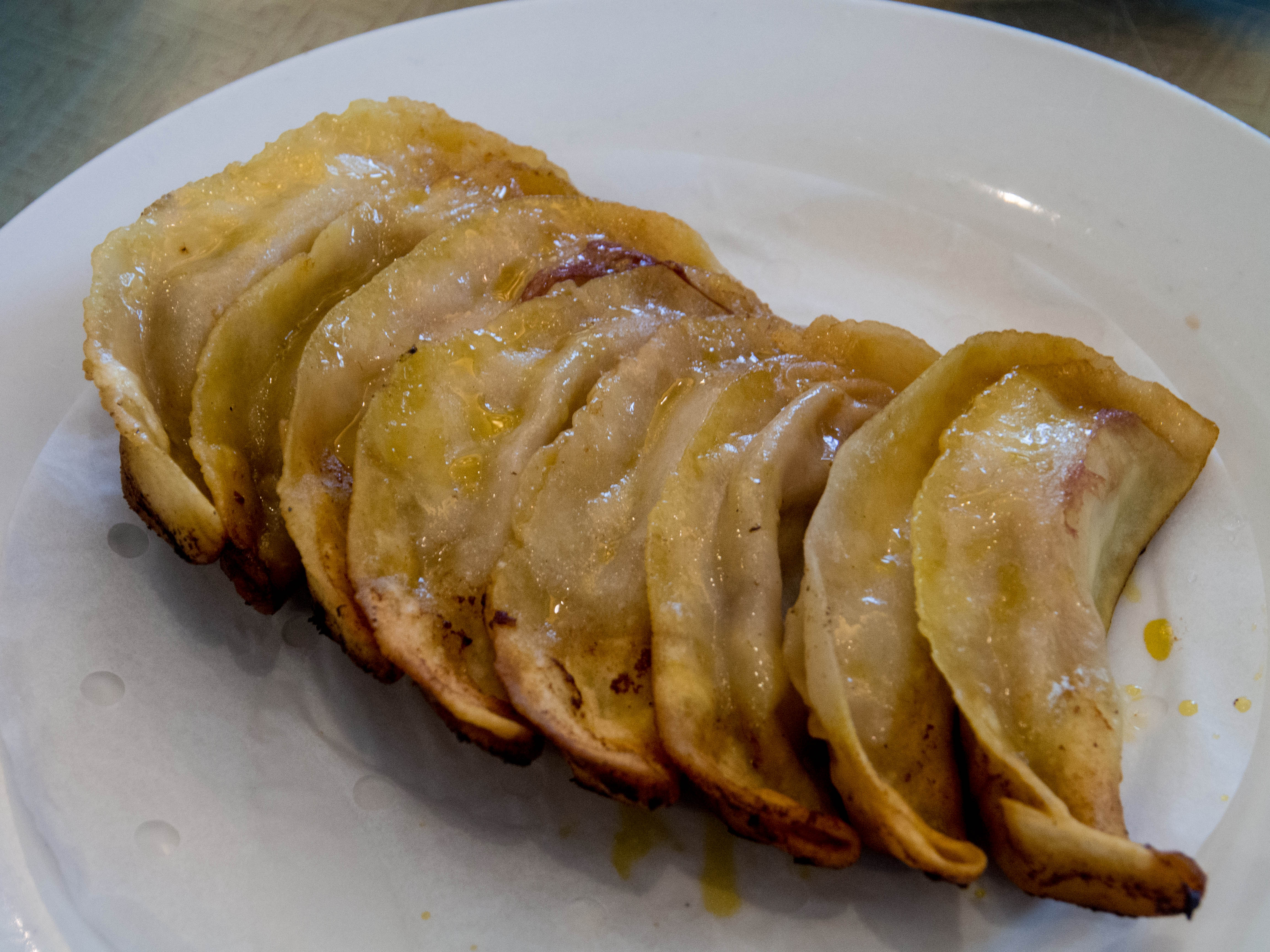
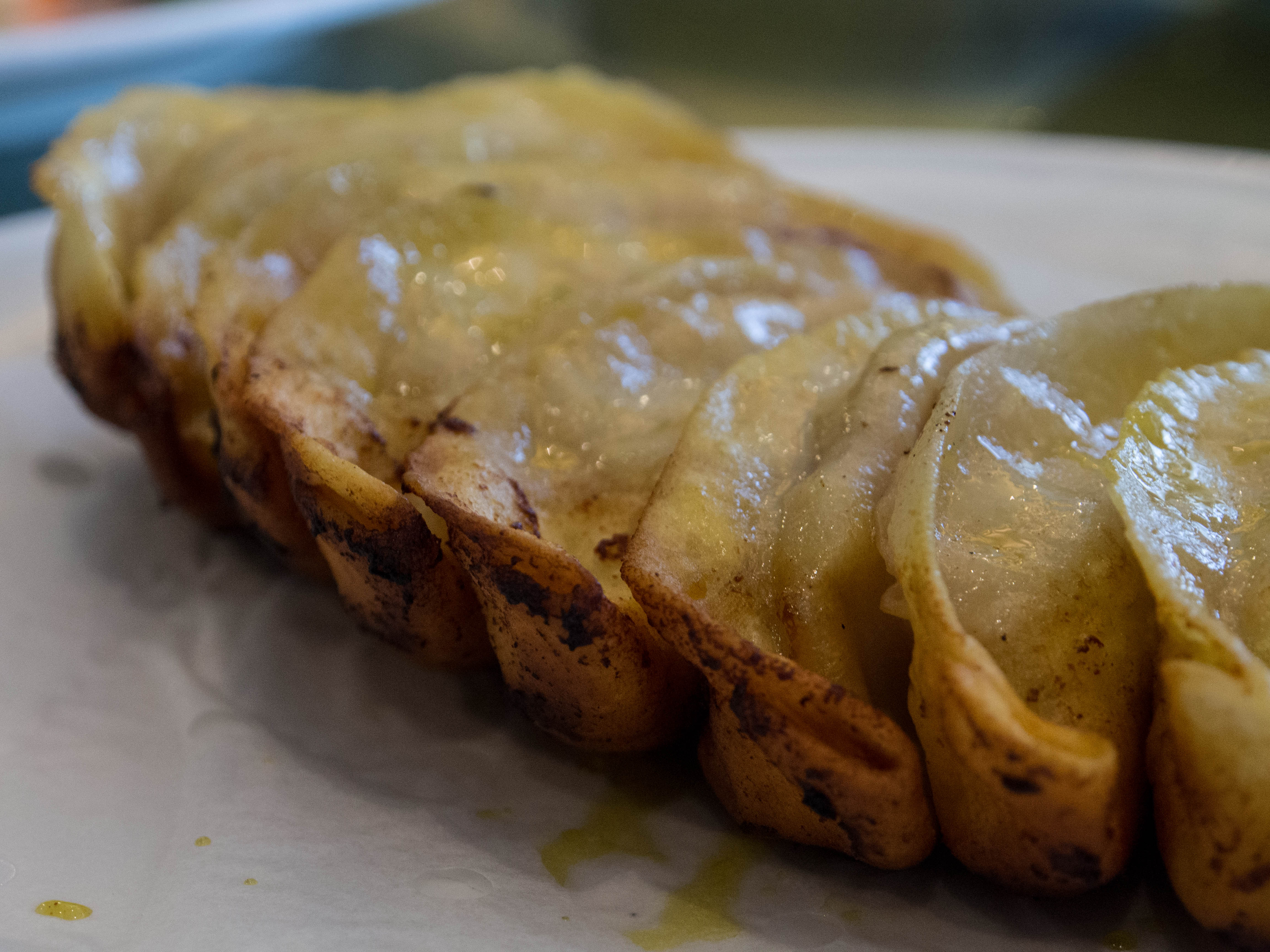
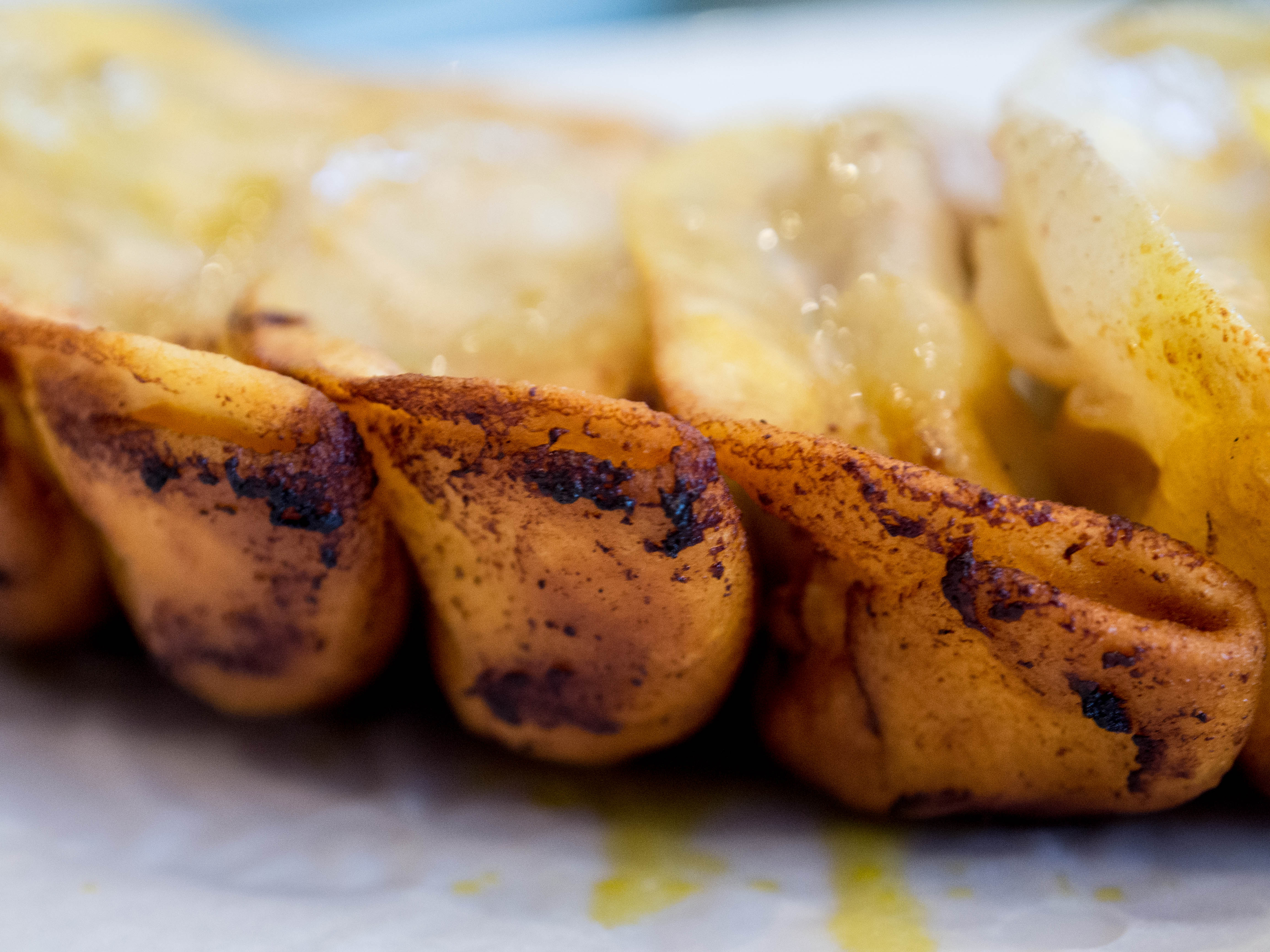
Another wonderful variety of jiǎozi are pot stickers 锅贴 guōtiē. These dumplings are fried in a flat wok with oil until they are crispy on the bottom, then water or broth is added and a lid put on and steamed until done. When I was in China for the first time as a student at Nanjing University in 1985, pot stickers were about the only food we could find outside of large state-run restaurants and the school cafeteria. I loved them back then and I still love them and eat them every time I go to China. The potstickers below were ordered at a Muslim restaurant last month in Nanjing as part of a larger lunch.

Delicious guōtiē

The bottoms are fried crispy in oil.

Any traveler to China must eat a good plate of dumplings. The good news is that you should be able to find them all over China. You can order them in fancy, expensive restaurants, small nondescript restaurants, chain restaurants that specialize in dumplings, and and even on the street.